

A vibrant and empowering history that emphasizes the perspectives and stories of African American women to show how they are--and have always been--instrumental in shaping our countryIn centering Black women's stories, two award-winning historians seek both to empower African American women and to show their allies that Black women's unique ability to make their own communities while combatting centuries of oppression is an essential component in our continued resistance to systemic racism and sexism. Daina Ramey Berry and Kali Nicole Gross offer an examination and celebration of Black womanhood, beginning with the first African women who arrived in what became the United States to African American women of today.A Black Women's History of the United States reaches far beyond a single narrative to showcase Black women's lives in all their fraught complexities. Berry and Gross prioritize many voices: enslaved women, freedwomen, religious leaders, artists, queer women, activists, and women who lived outside the law. The result is a starting point for exploring Black women's history and a testament to the beauty, richness, rhythm, tragedy, heartbreak, rage, and enduring love that abounds in the spirit of Black women in communities throughout the nation.
Daina Ramey Berry Livres
N/A

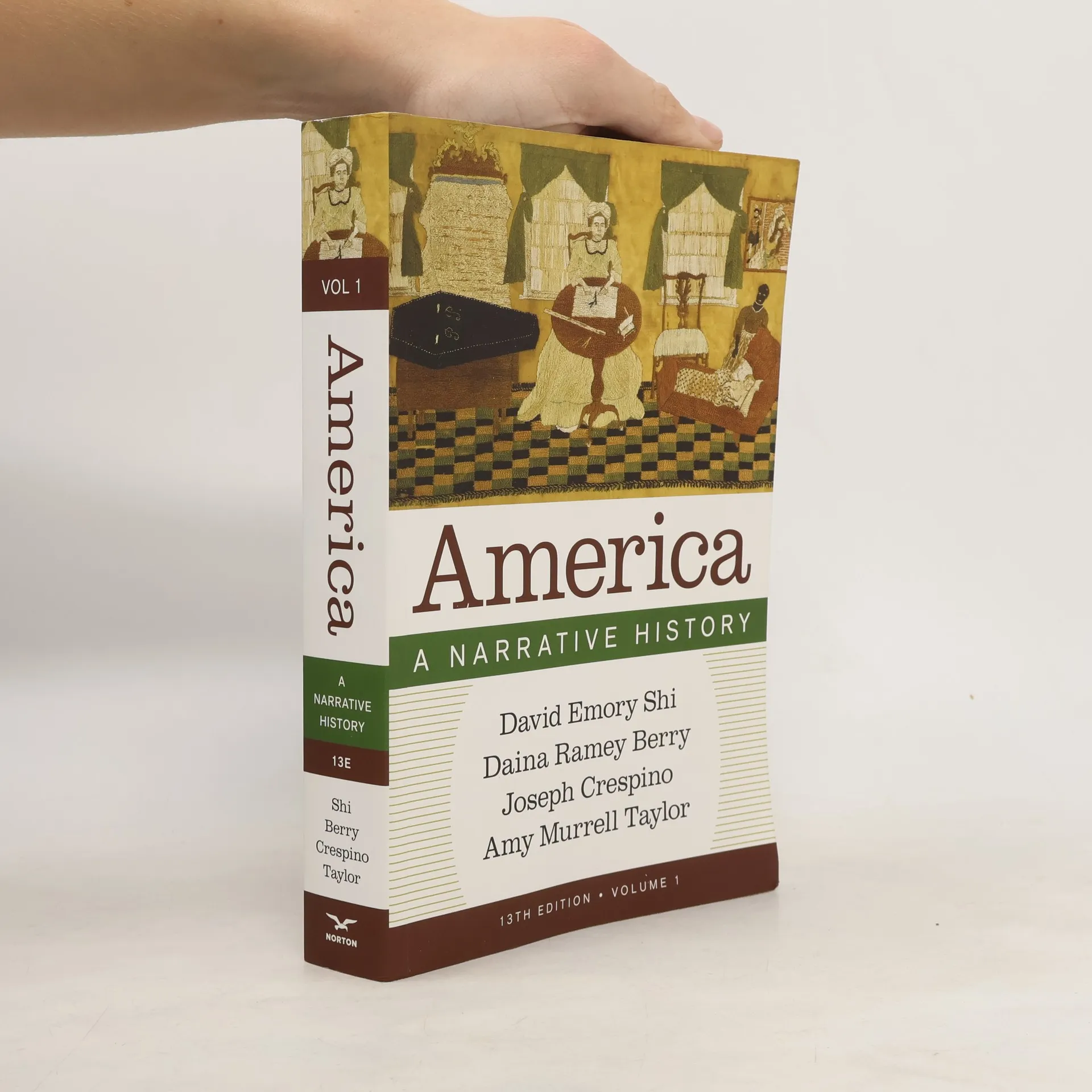

A best-selling narrative history enters a new generation
Price for Their Pound of Flesh
The Value of the Enslaved, from Womb to Grave, in the Building of a Nation
- 280pages
- 10 heures de lecture
This groundbreaking work examines the economic valuation of enslaved individuals throughout their entire lives in early America, from birth to death and beyond. It reveals how enslaved people were treated as commodities, with their worth determined by factors such as age, gender, health, and market demands. The author, Daina Ramey Berry, meticulously explores the "life cycle" of enslaved individuals, detailing the lengths to which enslavers went to maximize profits and safeguard their investments. The book also uncovers the concept of "ghost values," highlighting the prices assigned to deceased enslaved individuals and the little-known domestic cadaver trade, including the illicit sales of bodies to medical schools. Berry's research spans over ten years, utilizing slave-trading records, insurance policies, and cemetery documents to provide a comprehensive understanding of enslaved values. With sensitivity, she brings forth the voices of the enslaved, shedding light on their experiences of being appraised, bartered, and sold. This profound examination challenges readers to view enslaved individuals as human beings rather than mere commodities, significantly influencing perspectives on slavery, reparations, capitalism, and the value of life and death. The work has received numerous prestigious awards, underscoring its impact and importance in historical discourse.