

Bookbot

Tomaso Montanari

    Gian Lorenzo Bernini
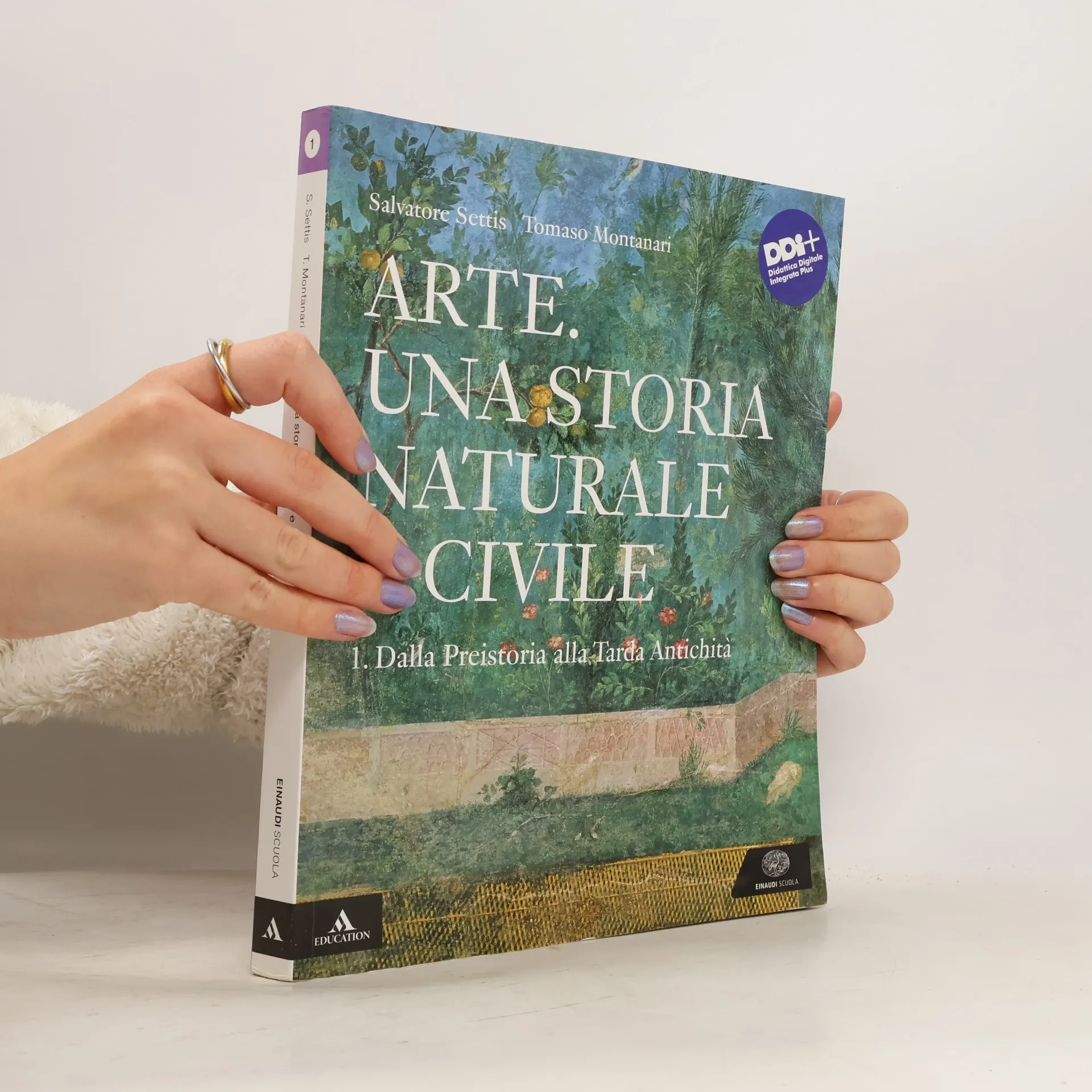
    Arte. Una storia naturale e civile
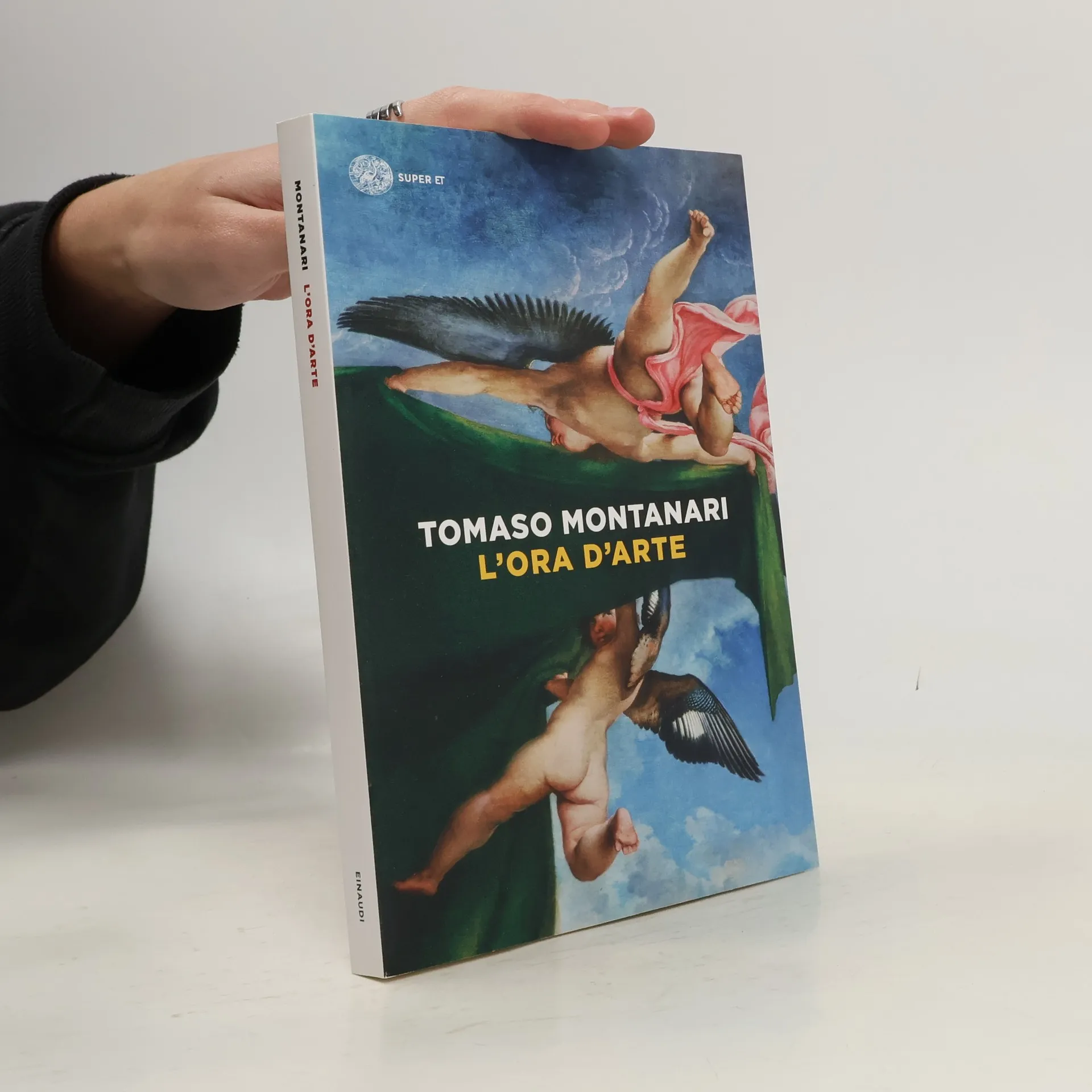
    L'ora d'arte
    Se amore guarda. Un'educazione sentimentale al patrimonio culturale
    Per Gaza
    Giovan Peitro Bellori
    • Giovan Peitro Bellori

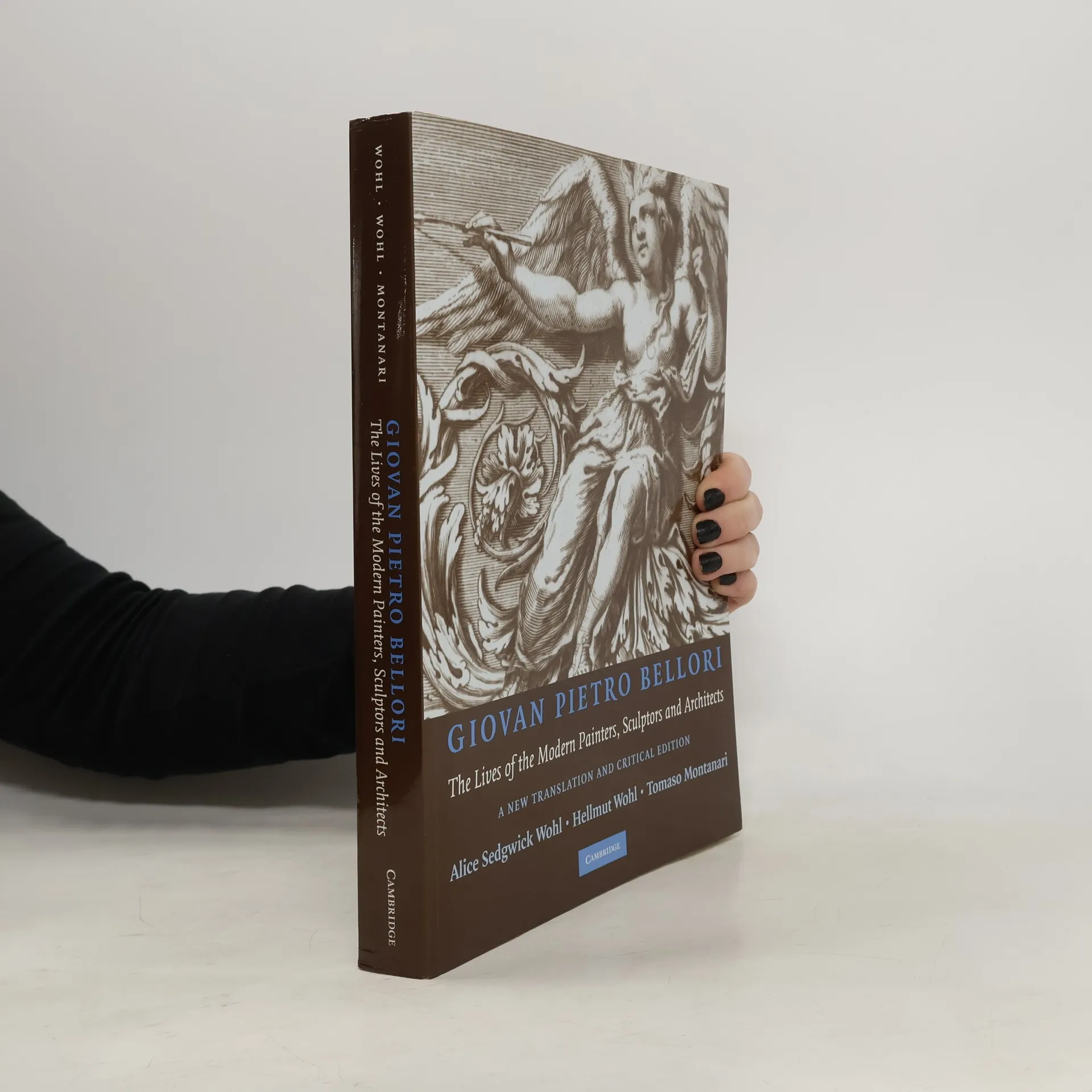
      The Lives of the Modern Painters, Sculptors and Architects - A New Translation and Critical Edition

      • 518pages
      • 19 heures de lecture

      This is the first complete translation of the biographies of fifteen artists, including Annibale Carracci, Carvaggio, Rubens, Van Dyck, and Poussin, written by the seventeenth-century antiquarian Giovan Pietro Bellori. Originally conceived as a continuation of Vasari’s famous Lives, it is a fundamental source for seventeenth-century Italian art and artistic theory, providing detailed descriptions of extant and lost works of art, while casting light on the cultural politics of contemporary Rome and the relations between Rome and France. The importance of Bellori’s Lives lies in the scrupulous documentation of artists, many of whom he knew personally; the author’s detailed descriptions of their works; and his exposition of the classicist theory of art in the introductory lecture, the Idea. This volume contains the twelve Lives published in the original edition of 1672 and three Lives (Guido Reni, Andrea Sacchi, and Carlo Maratti) that survive in manuscript form and that were published for the first time in 1942.

      Giovan Peitro Bellori
      3,5
    • Per Gaza

      • 128pages
      • 5 heures de lecture
      Per Gaza
      4,4
    • L'ora d'arte

      • 224pages
      • 8 heures de lecture

      Dalle mura etrusche ai writers contemporanei, passando per artisti come Michelangelo e Goya, Tomaso Montanari esplora il ruolo civile della bellezza nell'arte. La sua narrazione, rigorosa e coinvolgente, trasforma la storia dell’arte in un racconto delle nostre vite quotidiane. Qui, Giuseppe tiene in braccio Gesù neonato non come un santo, ma con l'imbarazzo di un neopapà. Paolo III, ritratto da Tiziano, rivela l’orrore del potere, mentre Botticelli esprime la malinconia dei migranti privati della libertà. Italo Calvino ha scritto che "la fantasia è un posto dove ci piove dentro", e il Pantheon, con la sua cupola aperta, è un luogo simile, dove sole, pioggia e neve si mescolano. Durante la Pentecoste, i pompieri fanno cadere petali di rosa, creando un'atmosfera magica. Entrando nel Pantheon, ci si incontra con Adriano, Apollodoro, dèi, santi e artisti, vivendo un'esperienza di connessione con tutte le generazioni passate e future. Questo monumento diventa un ponte tra il passato e il futuro, una nave pirata che sfida il tempo e la storia, finché la luna non si spegnerà.

      L'ora d'arte
      3,8