
Bookbot

Čestmír Pelikán

    Myšlení vnějšku
    L'archeologie du savoir
    Memorandum o nové ekologické třídě
    Nietzsche et la philosophie
    Plamen svíce
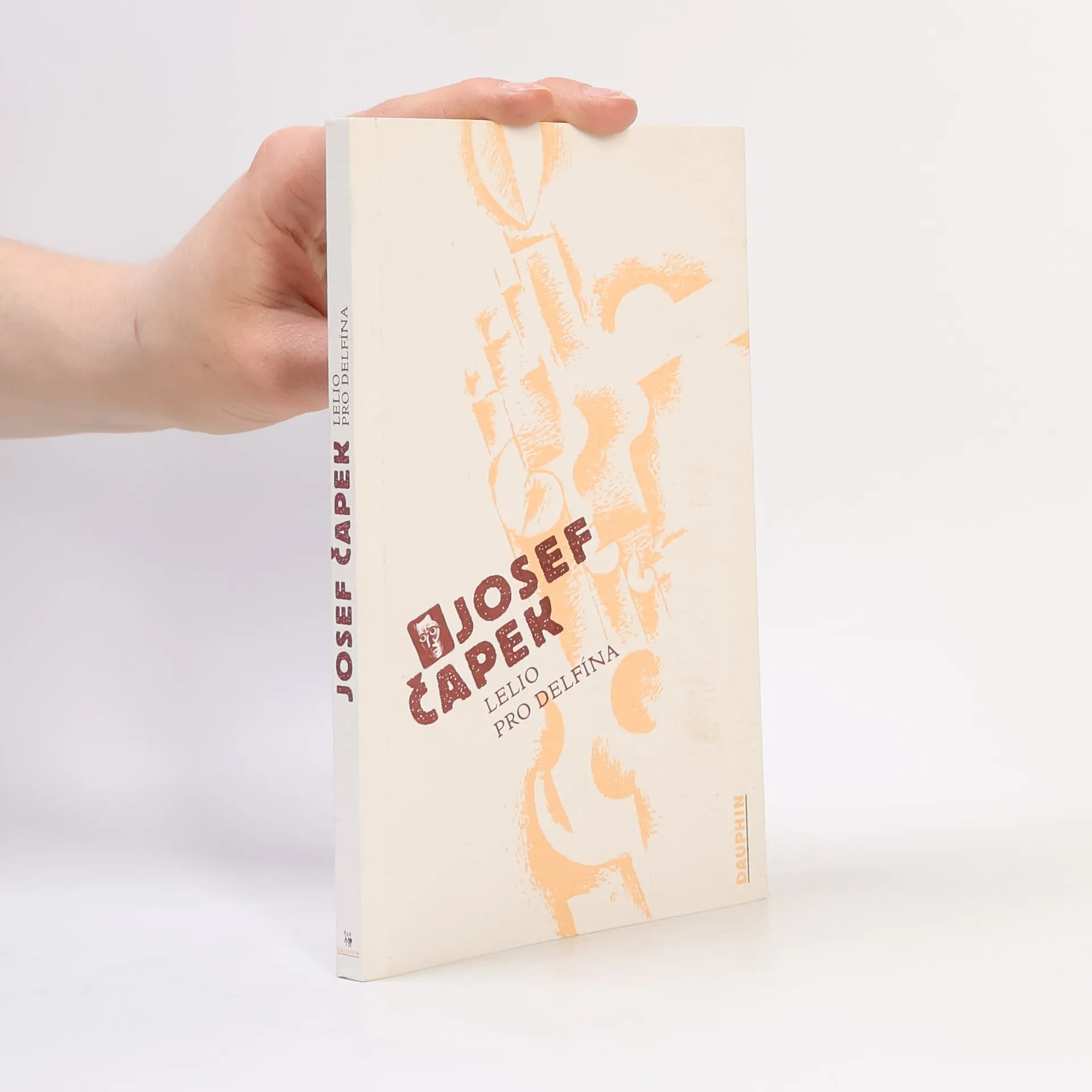
    Lelio. Pro delfína
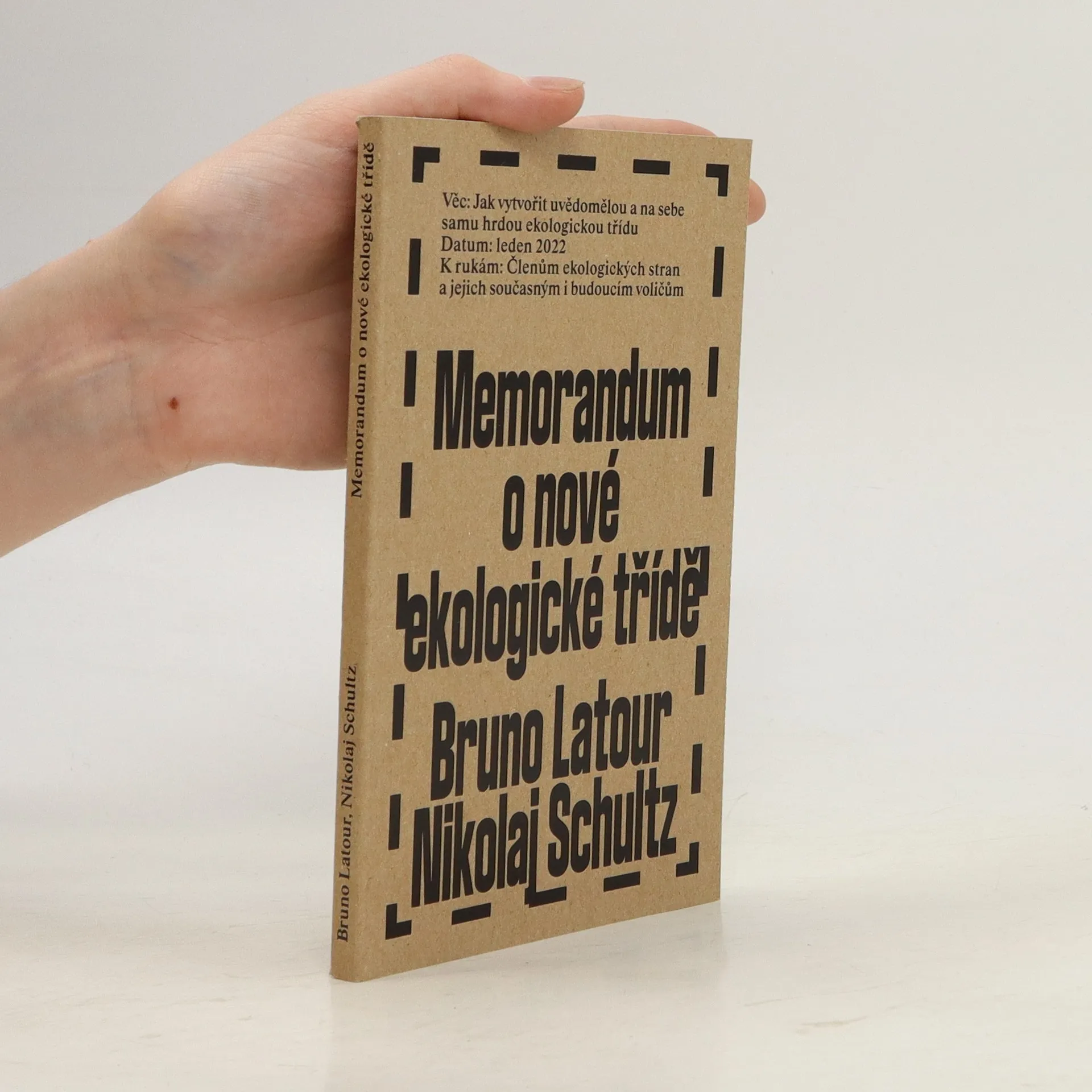
    • Memorandum o nové ekologické třídě

      • 88pages
      • 4 heures de lecture

      Za jakých podmínek by mohla ekologie organizovat celkovou politiku a stát se více než jen okrajovým protestním hnutím? Může se postavit vedle liberalismu, socialismu, neoliberalismu a vzrůstajících neliberálních či neofašistických stran? Bruno Latour a Nikolaj Schultz ve svém textu, složeném ze sedmdesáti šesti bodů, argumentují, že environmentální hnutí musí získat ideologickou konzistenci a autonomii tím, že nabídne politický narativ, který uznává a efektivně představuje jeho projekt v kontextu sociálního konfliktu. Politická ekologie se musí smířit s nevyhnutelným rozdělením a poskytnout přesvědčivou kartografii konfliktů, které vytváří, aby definovala společný horizont kolektivního jednání. Latour a Schultz navrhují znovu použít termíny „třída“ a „třídní boj“, přičemž jim dávají nový význam v souladu s ekologickými zájmy současného klimatického režimu. Prosazují myšlenku nové ekologické třídy, která se sjednocuje na základě kolektivních zájmů v boji proti produktivismu a za ochranu obyvatelných podmínek planety. Kladou otázku, jak může vzniknout hrdá a sebevědomá ekologická třída, která podnikne účinné kroky k utváření naší společné budoucnosti?
      Memorandum o nové ekologické třídě2023
      4,0
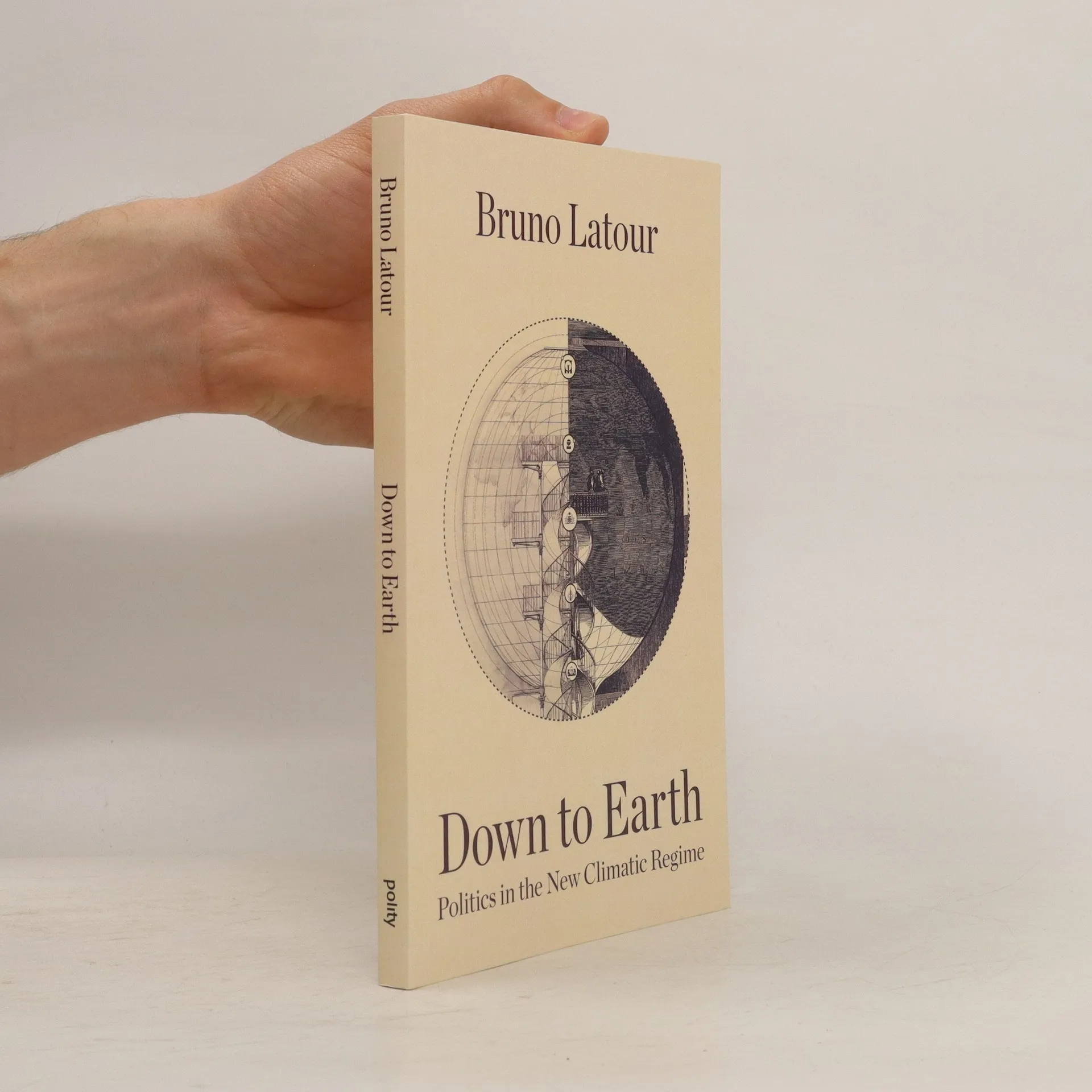
    • Down to Earth

      • 140pages
      • 5 heures de lecture

      The present ecological mutation has organized the whole political landscape for the last thirty years. This could explain the deadly cocktail of exploding inequalities, massive deregulation, and conversion of the dream of globalization into a nightmare for most people. What holds these three phenomena together is the conviction, shared by some powerful people, that the ecological threat is real and that the only way for them to survive is to abandon any pretense at sharing a common future with the rest of the world. Hence their flight offshore and their massive investment in climate change denial. The Left has been slow to turn its attention to this new situation. It is still organized along an axis that goes from investment in local values to the hope of globalization and just at the time when, everywhere, people dissatisfied with the ideal of modernity are turning back to the protection of national or even ethnic borders. This is why it is urgent to shift sideways and to define politics as what leads toward the Earth and not toward the global or the national. Belonging to a territory is the phenomenon most in need of rethinking and careful redescription; learning new ways to inhabit the Earth is our biggest challenge. Bringing us down to earth is the task of politics today.

      Down to Earth2020
      3,8
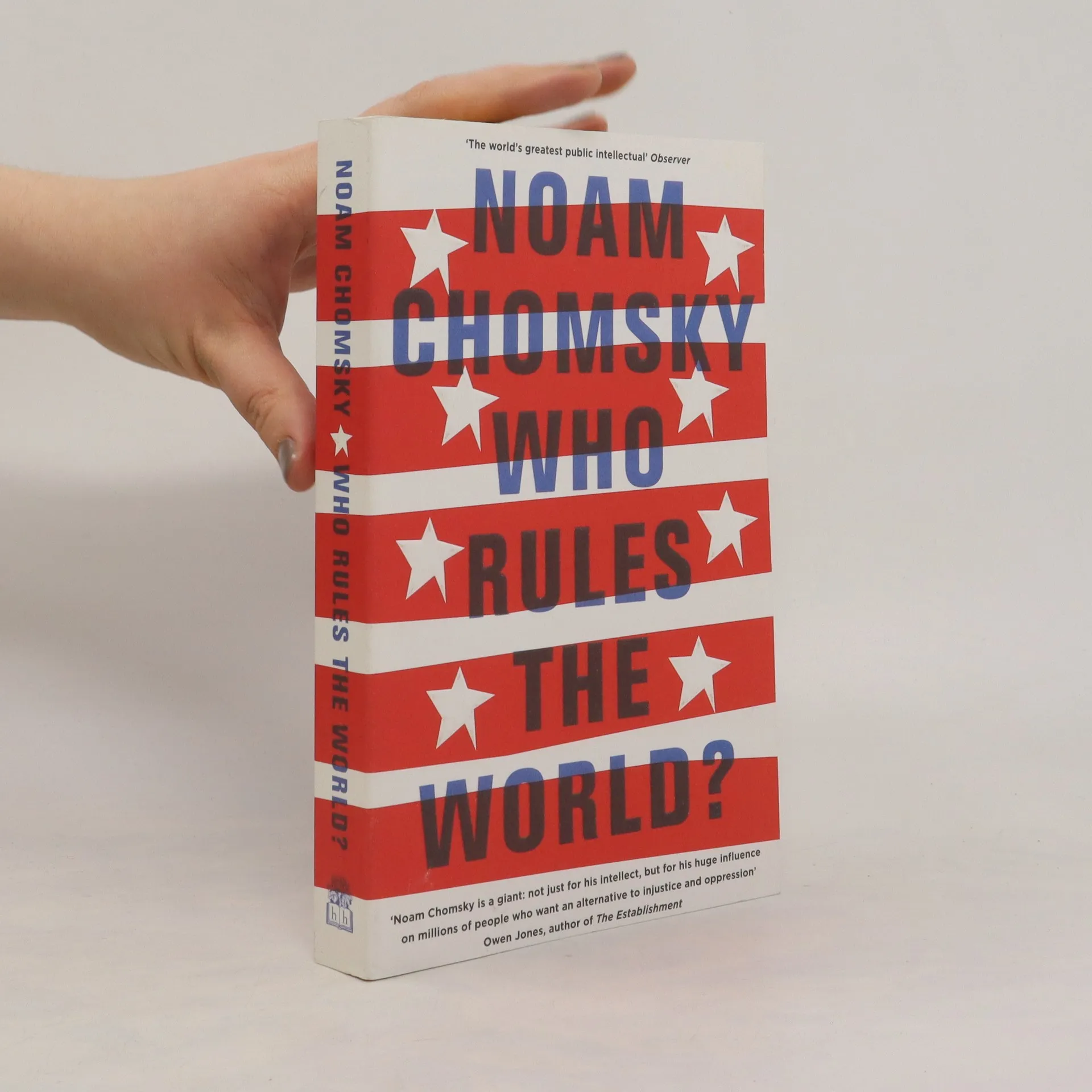
    • "Noam Chomsky is the world's foremost intellectual activist. Over the last half century, no one has done more to question the great global powers who govern our lives, forensically scrutinizing policies and actions, calling our politicians, institutions and media to account. The culmination of years of work, Who Rules the World?Is Chomsky's definitive intellectual investigation into the major issues of our times. From the dark history of the US and Cuba to China's global rise, from torture memos to sanctions on Iran, Chomsky explores how America's talk of freedom and human rights is often at odds with its actions. Delving deep into the conflicts in Iraq, Afghanistan and Israel/Palestine, he provides nuanced, surprising insights into the workings of modern-day imperial power. The world's political and financial elite have become ever more insulated from democratic constraints on their actions. Chomsky shines a powerful light on this inconvenient truth. With climate change and nuclear proliferation threatening the survival of our civilization, the message has never been more pertinent or more urgent- the need for an engaged and active public to steer the world away from disaster grows ever greater. Fiercely outspoken and rigorously argued, Who Rules the World?is an indispensable guide to how things really are from the lone authoritative voice courageous and clear-sighted enough to tell us the truth. "

      Who Rules the World?2019
      3,9
    • Nietzsche et la philosophie

      • 314pages
      • 11 heures de lecture

      "Le projet le plus général de Nietzsche consiste en ceci : introduire en philosophie les concepts de sens et de valeur. Nietzsche n'a jamais caché que la philosophie du sens et des valeurs dut être une critique. Que Kant n'ait pas mené la vraie critique, parce qu'il n'a pas su en poser le problème en termes de valeurs, tel est même un des mobiles principaux de l'oeuvre de Nietzsche". Cette analyse rigoureuse et critique de la philosophie de Nietzsche est une lumineuse introduction à l'oeuvre d'un philosophe trop souvent réduit au nihilisme, à la volonté de puissance et l'image du surhomme. Gilles Deleuze remarque que "la philosophie moderne présente des amalgames, qui témoignent de sa vigueur et de sa vivacité, mais qui comportent aussi des dangers pour l'esprit" et que la force du projet philosophique de Nietzsche dans le "dépassement" de la métaphysique est "de dénoncer toutes les mystifications qui trouvent dans la dialectique un dernier refuge. La philosophie de Nietzsche a une grande portée polémique".

      Nietzsche et la philosophie2004
      4,3
    • L'archeologie du savoir

      • 294pages
      • 11 heures de lecture

      Analyse des ruptures historiographiques qui définissent l'histoire des sciences, considérées ici comme domaines de la connaissance. A partir de la notion d'actes et de seuils épistémologiques définie par G. Bachelard, et de celle de déplacement et de transformation des concepts de G. Canguilhem, le philosophe examine les enchaînements et les hiérarchies qui façonnent l'actualité du savoir.

      L'archeologie du savoir2002
      4,2
    • Lelio. Pro delfína

      • 123pages
      • 5 heures de lecture

      Dva soubory kubisticko-expresionistických povídek.

      Lelio. Pro delfína1997
      4,4
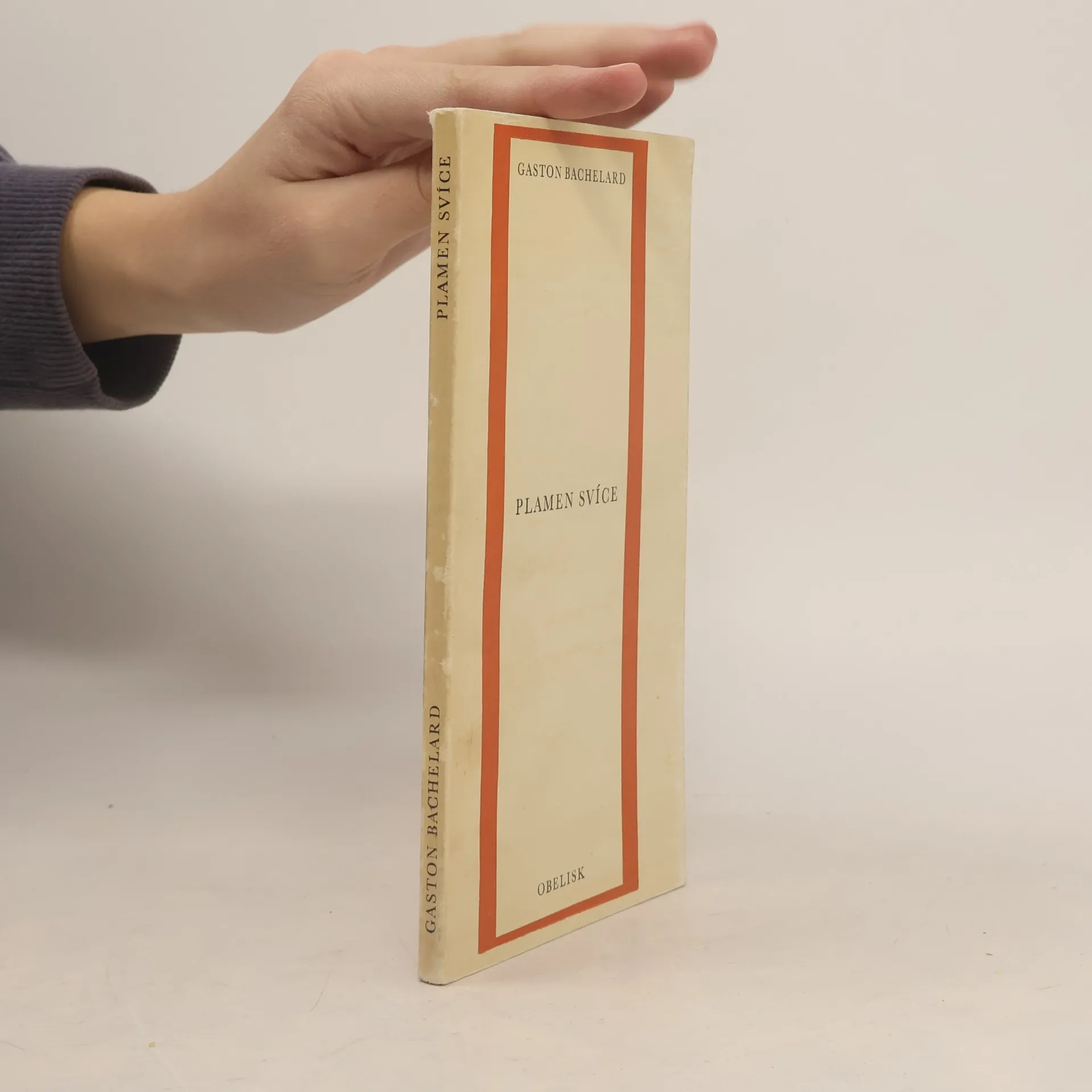
    • První český knižní překlad z díla velmi pozoruhodného francouzského filosofa 20. století náleží k sérii prací, v nichž Bachelard sonduje podstatné zdroje lidské imaginace. V této studii si pro svou "konkrétní estetiku" zvolil intimní plameny svíce a lampy, aby sledoval v linii snění jejichpoezii a dobral se "půvabů duše". Ukazuje na četných literárních obrazech rozpětí duchovního zážitku při splývání imaginace a paměti, které jsou podněcovány důvěrným zářením malého světla a poodkrývají ontologii osamělého bytí.

      Plamen svíce1997
      4,3
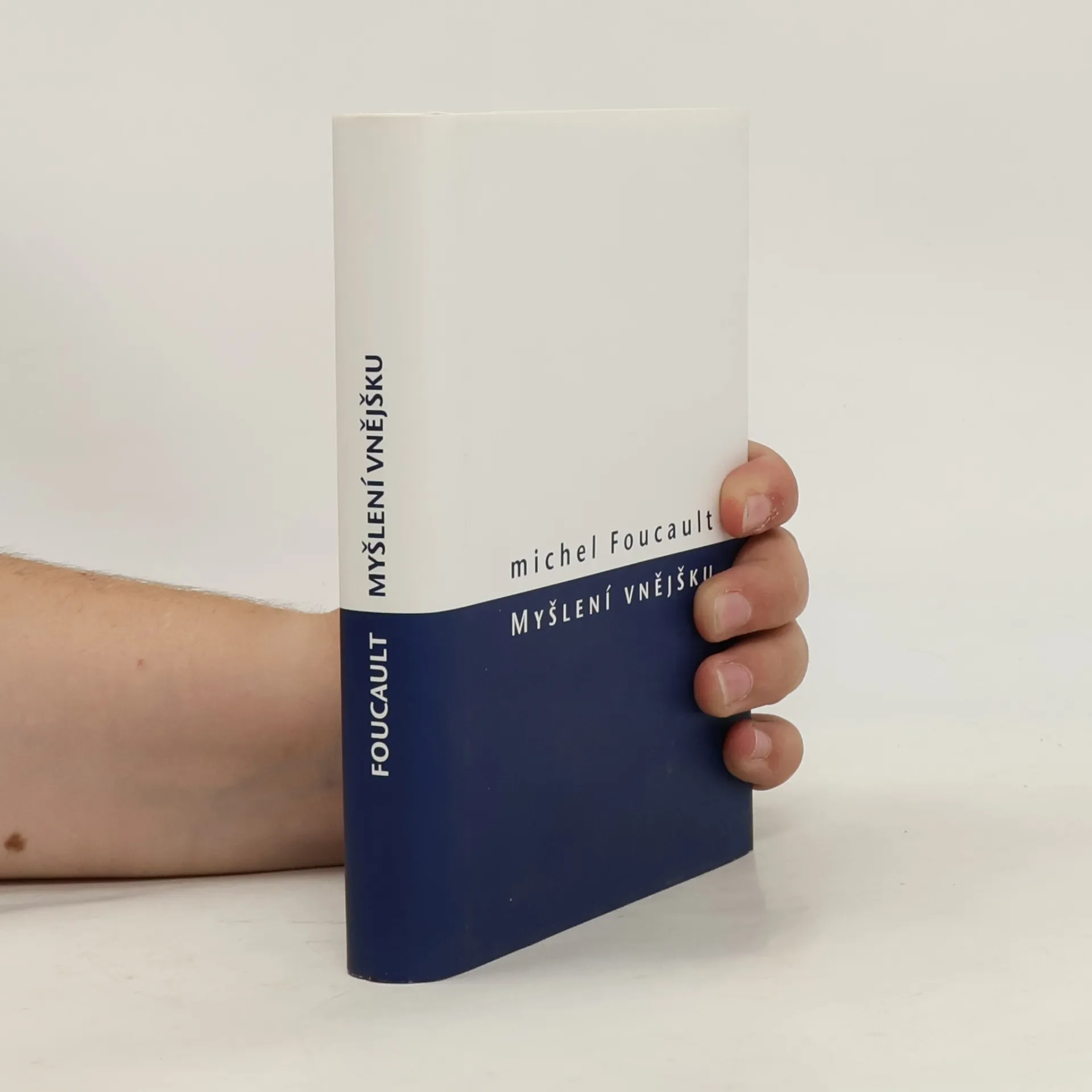
    • Myšlení vnějšku

      • 304pages
      • 11 heures de lecture

      Výbor z Foucaultových článků a rozhovorů, který dokládá proměny jeho myšlení od 60. let až do jeho smrti. Zahrnuje tedy i rané statě věnované literatuře a těm spisovatelům, kteří inspirovali jeho generaci (Bataille, Blanchot), důkladnou recenzi dvou knih Gillese Deleuze, ale stejně tak i články a rozhovory, v nichž Foucault stručně shrnuje své pojetí politického rozumu, moci a moderní racionality. V posledním rozhovoru se pak dotýká i svého nedokončeného projektu "dějin sexuality".

      Myšlení vnějšku1996
      4,1
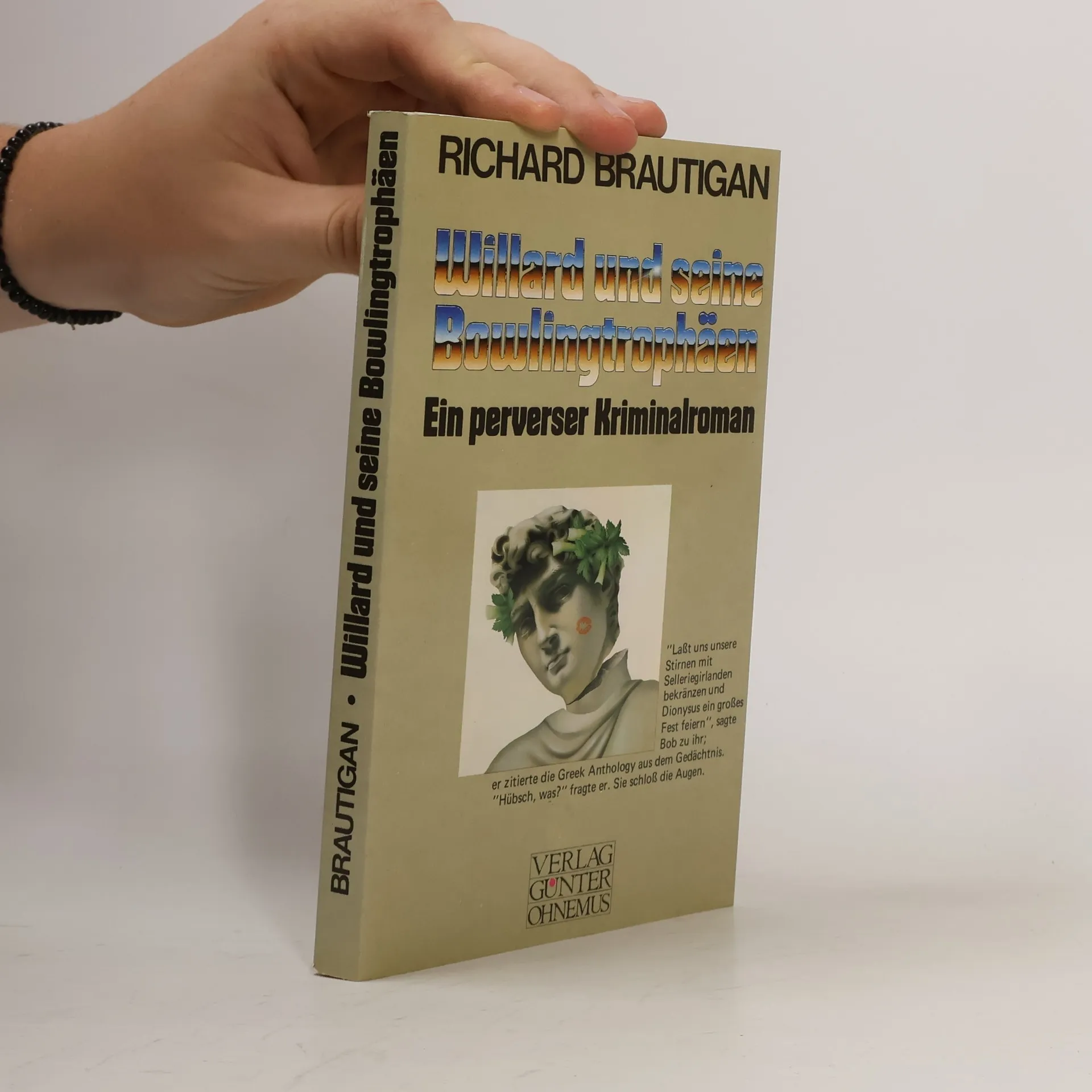
    • Willard und seine Bowlingtrophäen

      • 92pages
      • 4 heures de lecture

      Die Geschichte, in der versehentlich ein Ehepaar ermordet wird, das etwas ungewöhnliche sexuelle Praktiken ausübt, ist eine Parodie auf den perversen Thriller.

      Willard und seine Bowlingtrophäen1995
      3,8