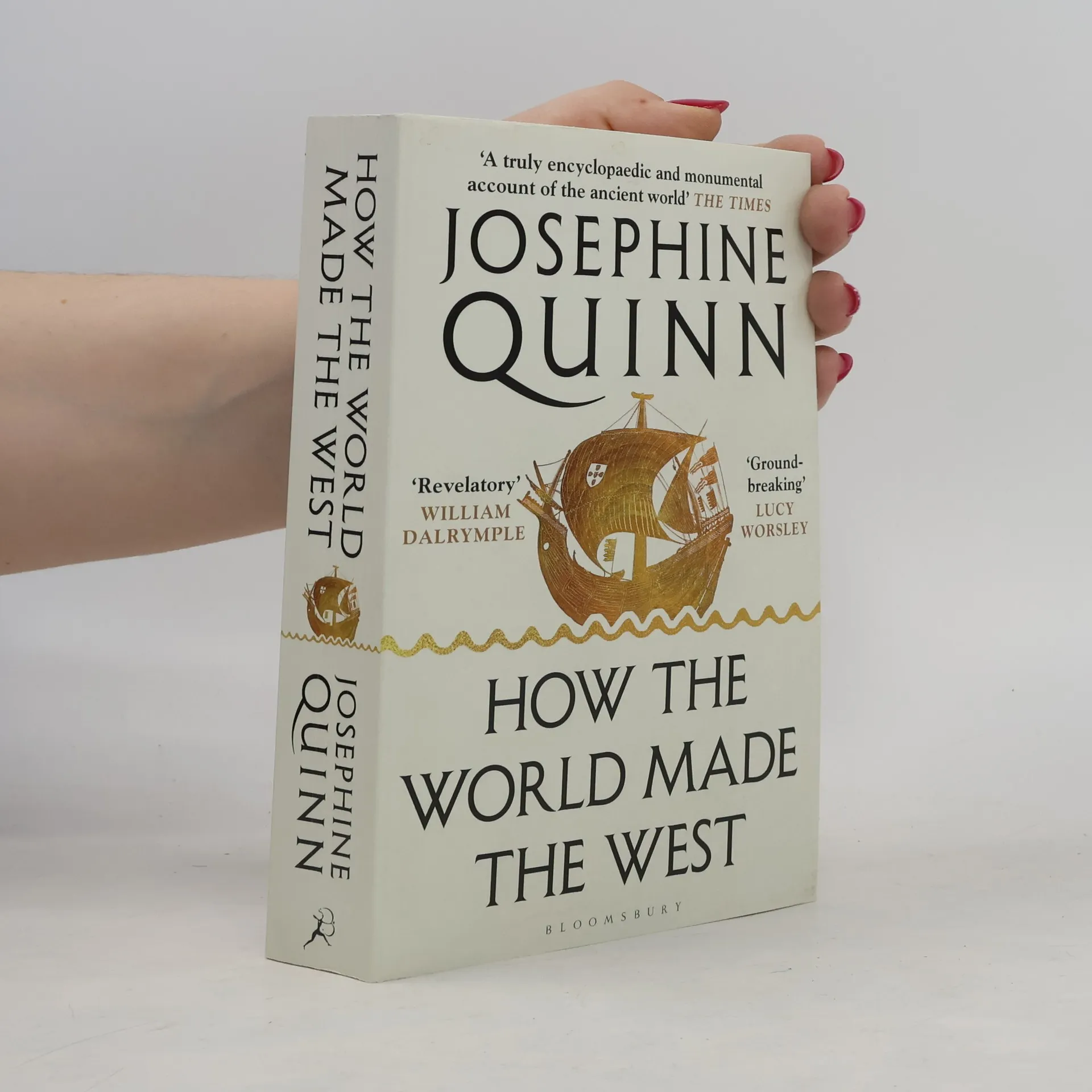
An award-winning Oxford history professor challenges the traditional view of Western culture, tracing its innovations and traditions back to societies worldwide, asserting that the West has always been global. Josephine Quinn confronts the notion of “civilizational thinking,” which suggests that civilizations developed independently. Instead, she connects the roots of modern Western culture to influences such as Babylonian law codes, Assyrian irrigation, Phoenician sailing, Indian literature, Arabic scholarship, and the metalworking traditions of the Steppe. Quinn argues that focusing solely on Greece and Rome limits our understanding of history, a perspective that would have been foreign to the ancient Greeks and Romans, who recognized their cultural exchanges with others. She enriches her analysis with ancient literary sources, including the epic of Gilgamesh and newly uncovered records of daily life. This work of remarkable scholarship also incorporates material culture, art, and findings from scientific advancements like carbon dating and genetics to dismantle the myth of the self-made modern West. Through engaging prose, vivid maps, and illustrations, Quinn redefines the narrative of Western civilization in today's interconnected world.
Josephine C. Quinn Ordre des livres (chronologique)
Josephine Quinn se concentre sur l'histoire ancienne, explorant les cultures méditerranéennes et leur interconnexion. Son travail explore en profondeur les interactions complexes entre diverses civilisations du monde antique. Elle examine comment elles se sont façonnées et influencées mutuellement par le commerce, la guerre et les échanges culturels. Ses analyses offrent des perspectives profondes sur la formation et le déclin des empires anciens.