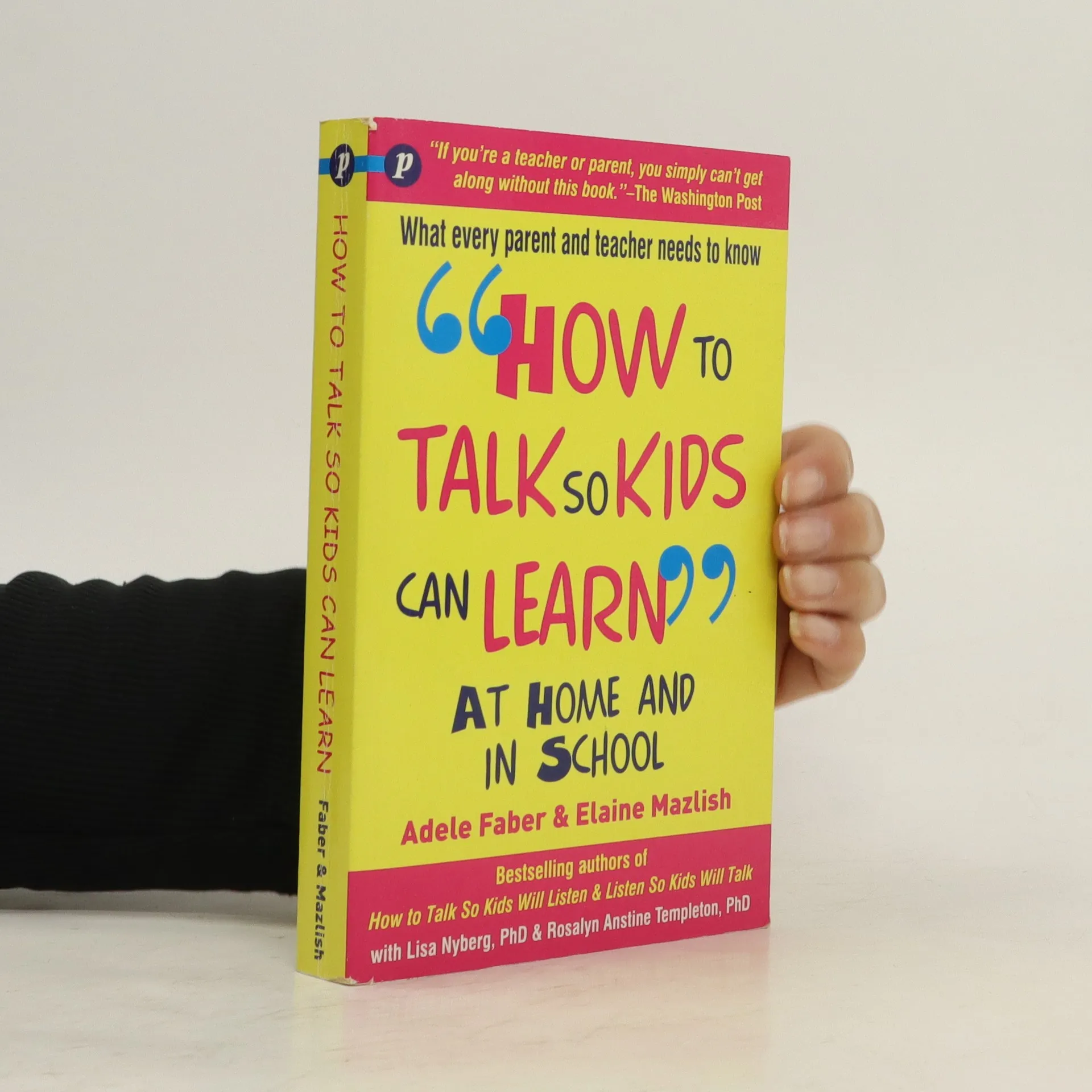
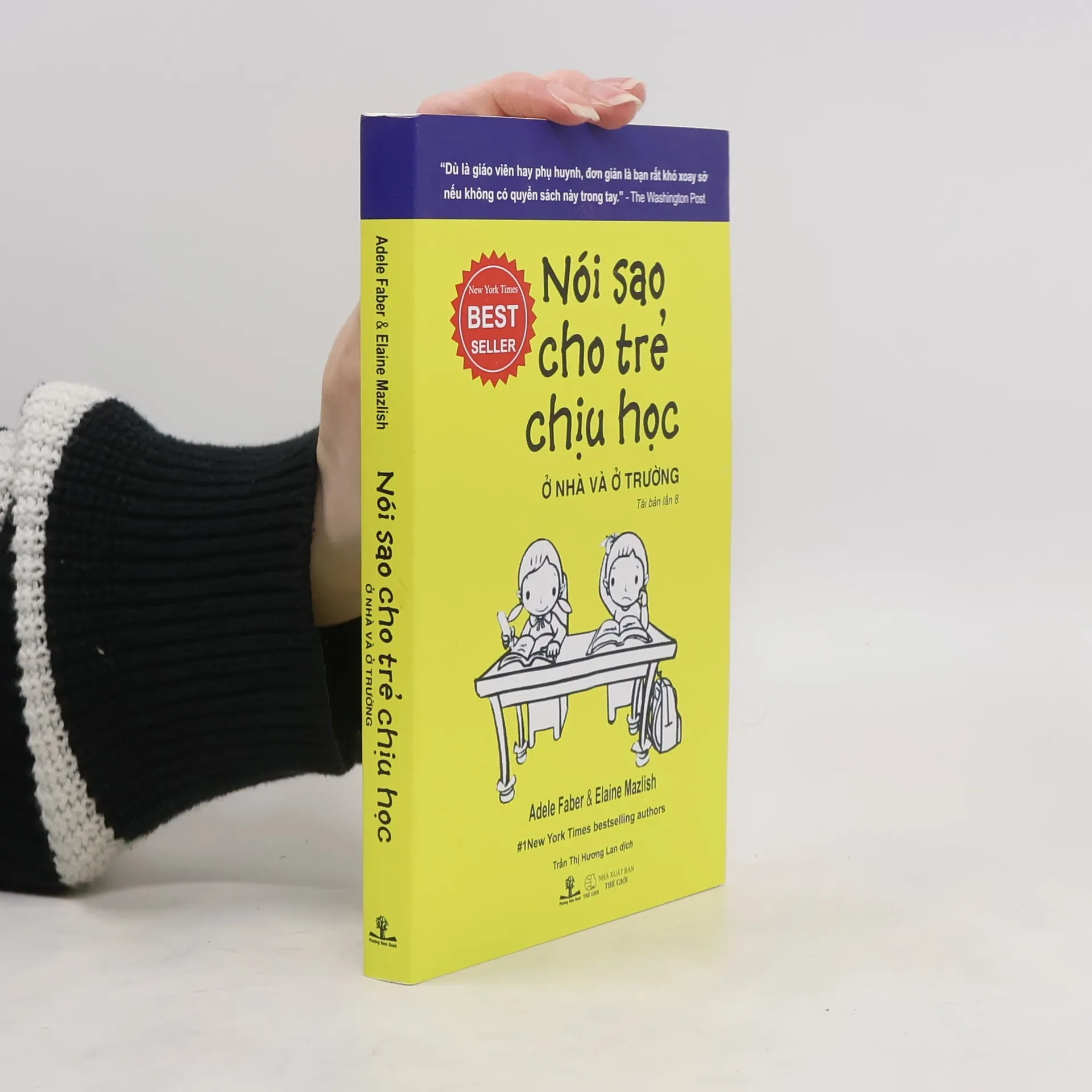
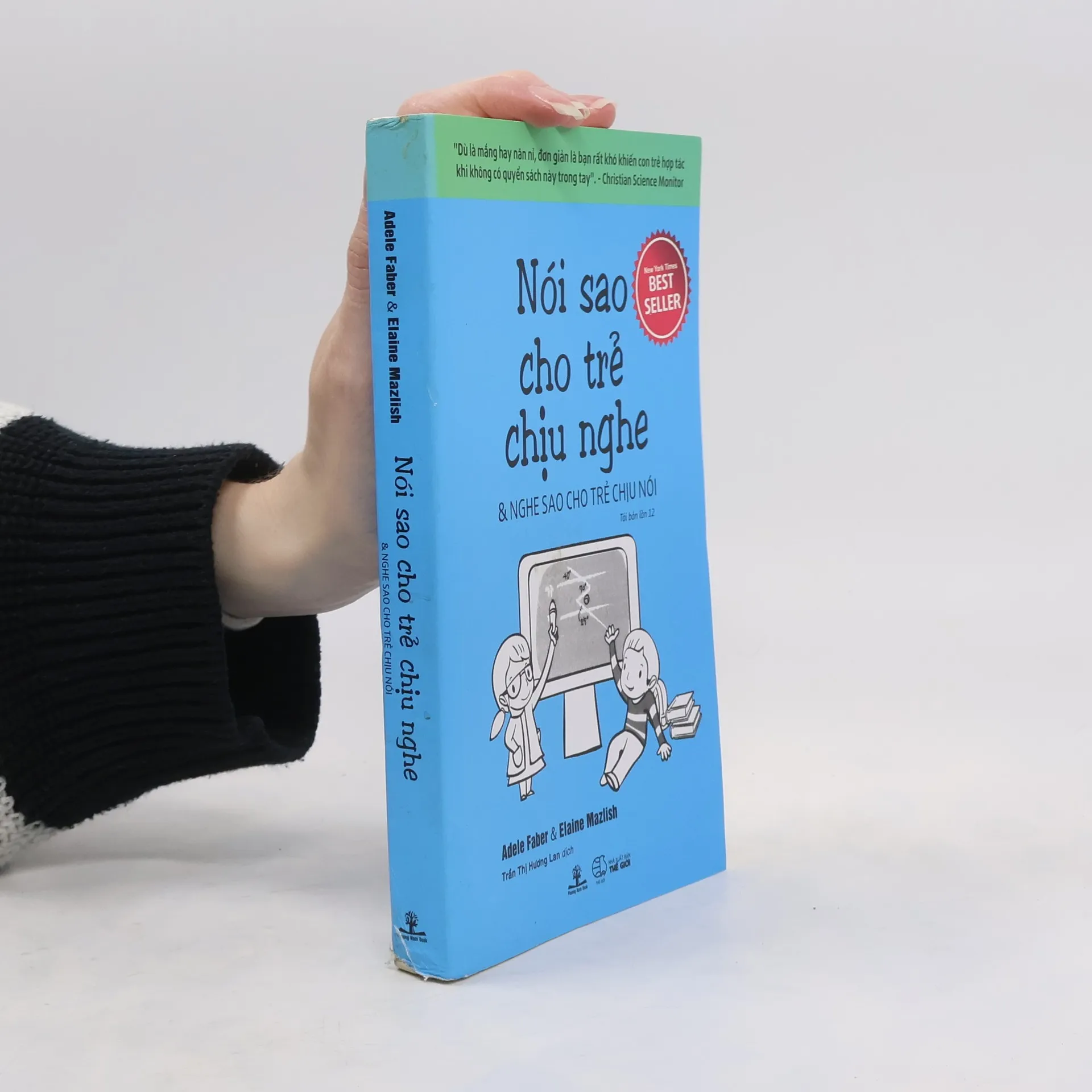
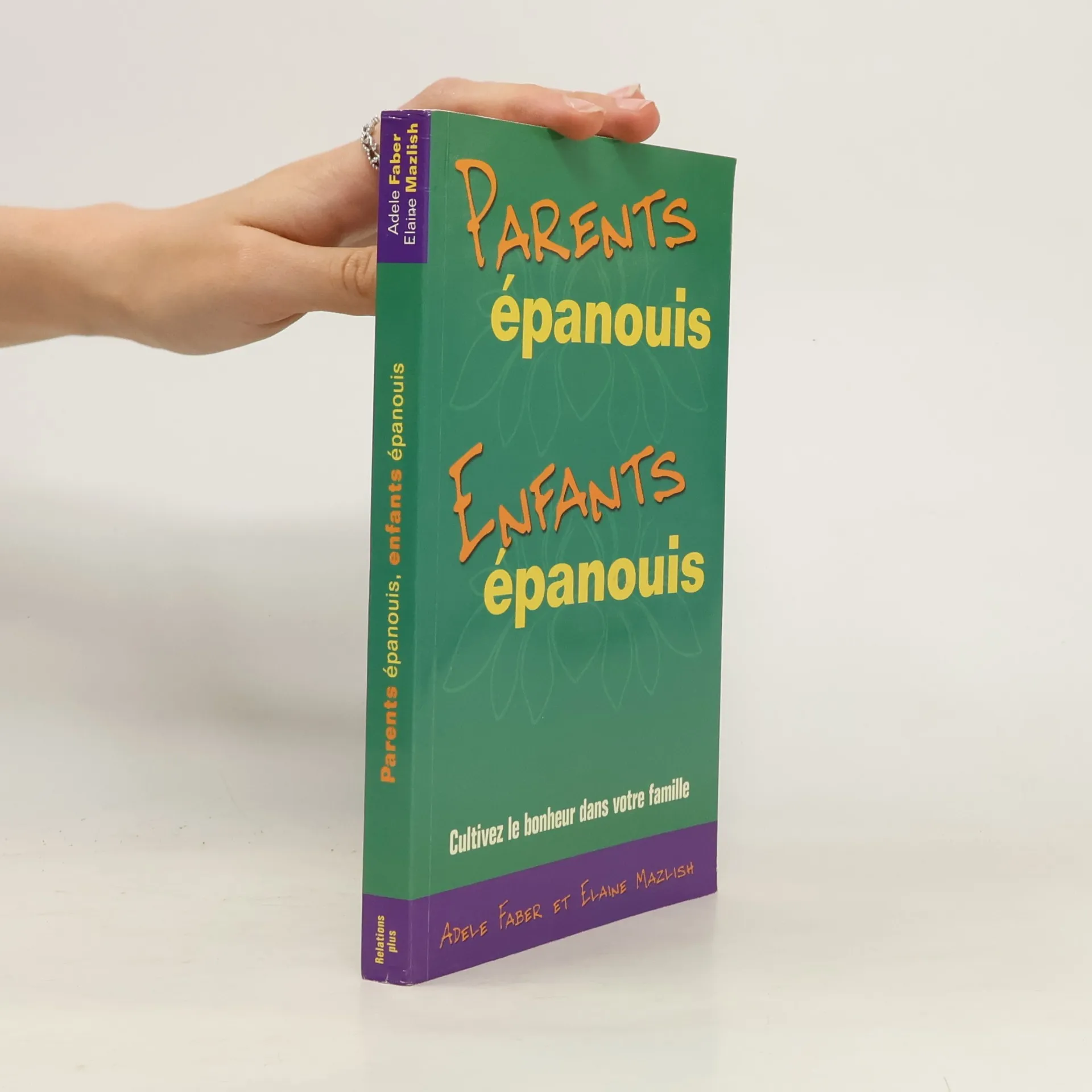
Parents épanouis. Enfants épanouis.
- 289pages
- 11 heures de lecture


Adele Faber est une auteure axée sur la communication parent-enfant. Son travail se concentre sur des techniques pratiques visant à améliorer la compréhension et les relations au sein de la famille. Par ses écrits, elle offre aux parents des outils pour écouter et répondre plus efficacement aux besoins de leurs enfants. Faber met l'accent sur l'empathie et le respect comme éléments fondamentaux d'une dynamique familiale saine.

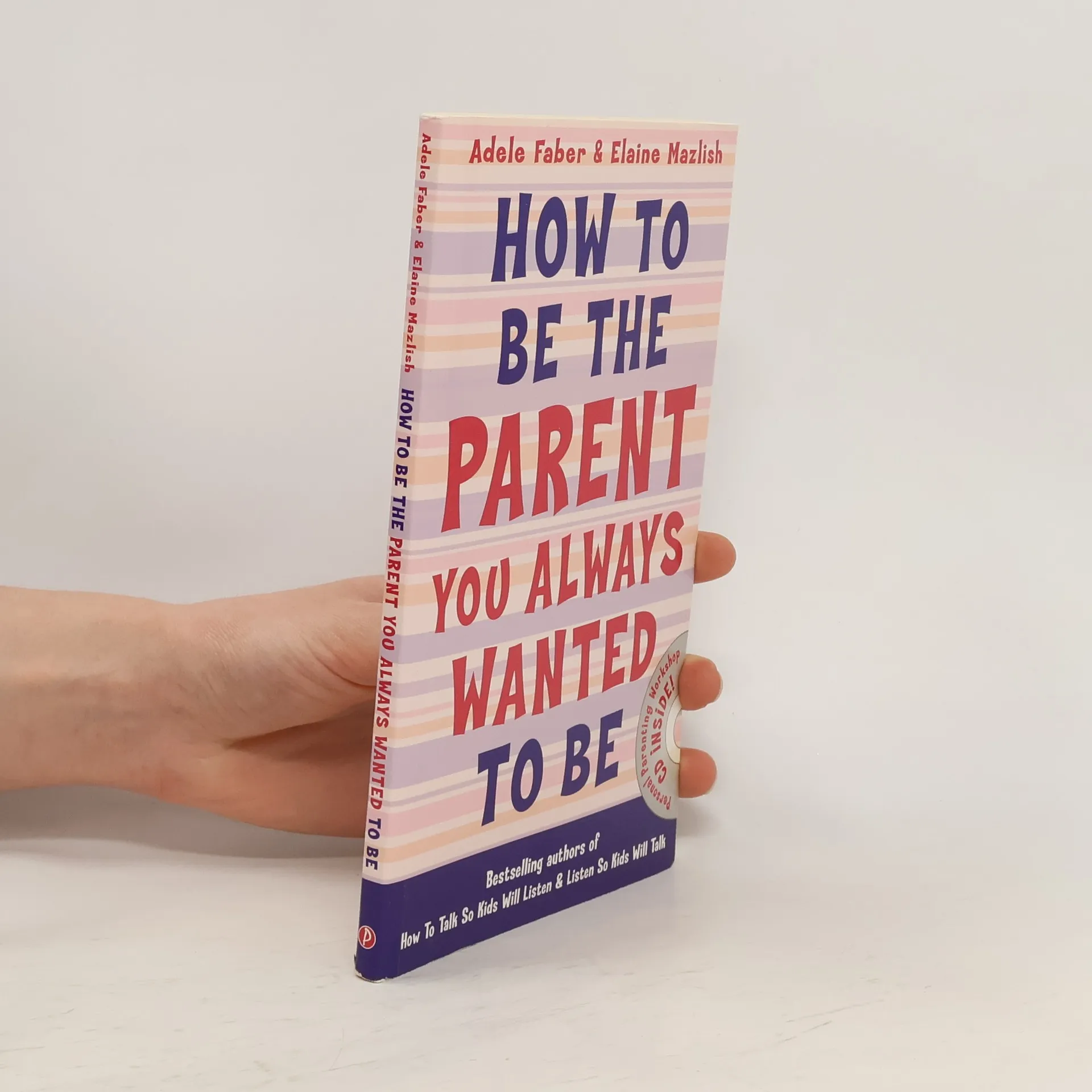

Here is the bestselling book that will give you the know-how you need to be effective with your children. Enthusiastically praised by parents and professionals around the world, the down--to--earth, respectful approach of Faber and Mazlish makes relationships with children of all ages less stressful and more rewarding. Recently revised and updated with fresh insights and suggestions, How to Talk so Kids Will Listen & Listen so Kids Will Talk is full of practical, innovative ways to solve common problems and build foundations for lasting relationships.
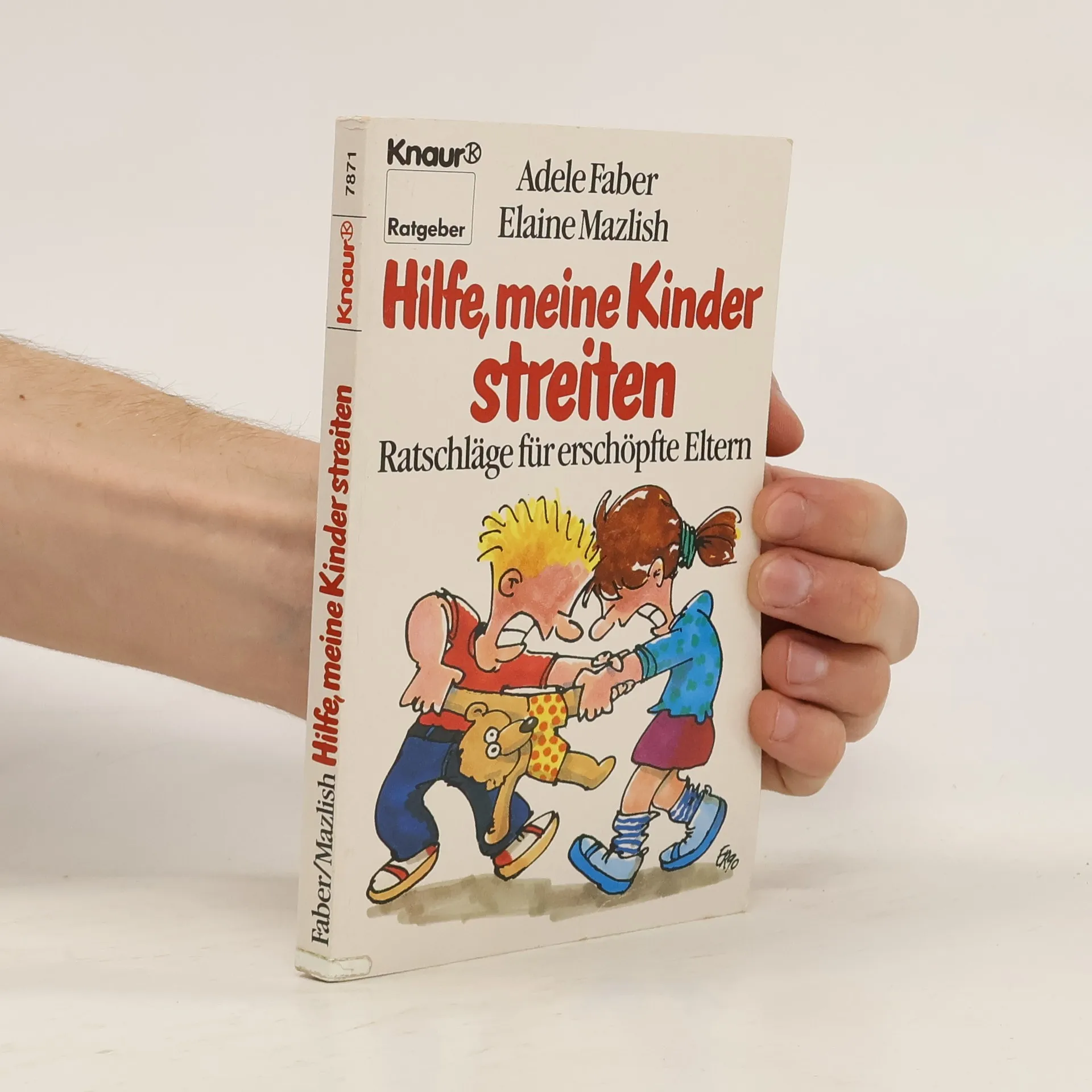
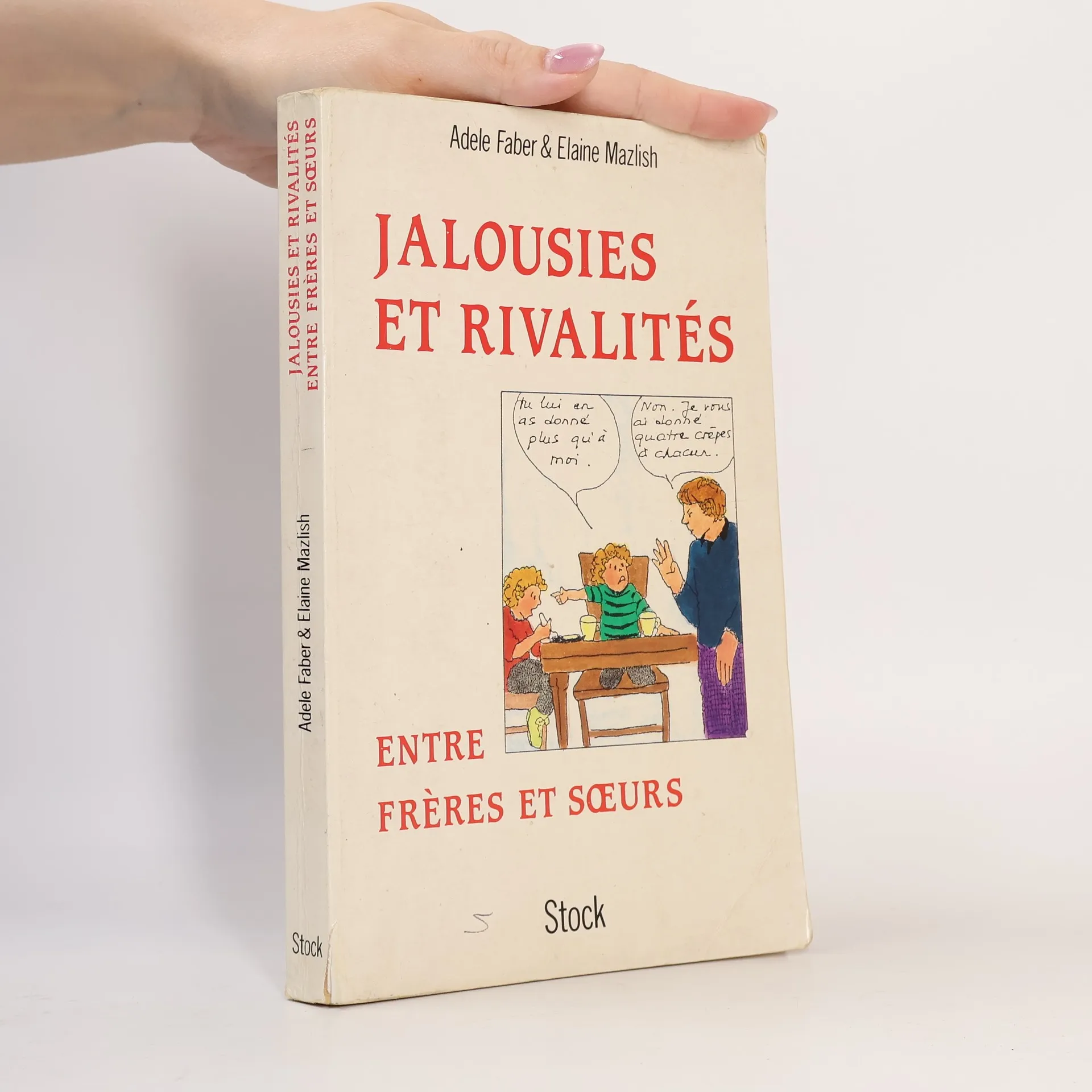
A propos des conflits entre enfants d'une même famille. Deux spécialistes de la "communication familiale" traitent de la question en faisant état des réunions de parents qui ont à surmonter des problèmes de ce genre chez leurs enfants ou d'adultes qui ont vécu des difficultés dans leur jeunesse.
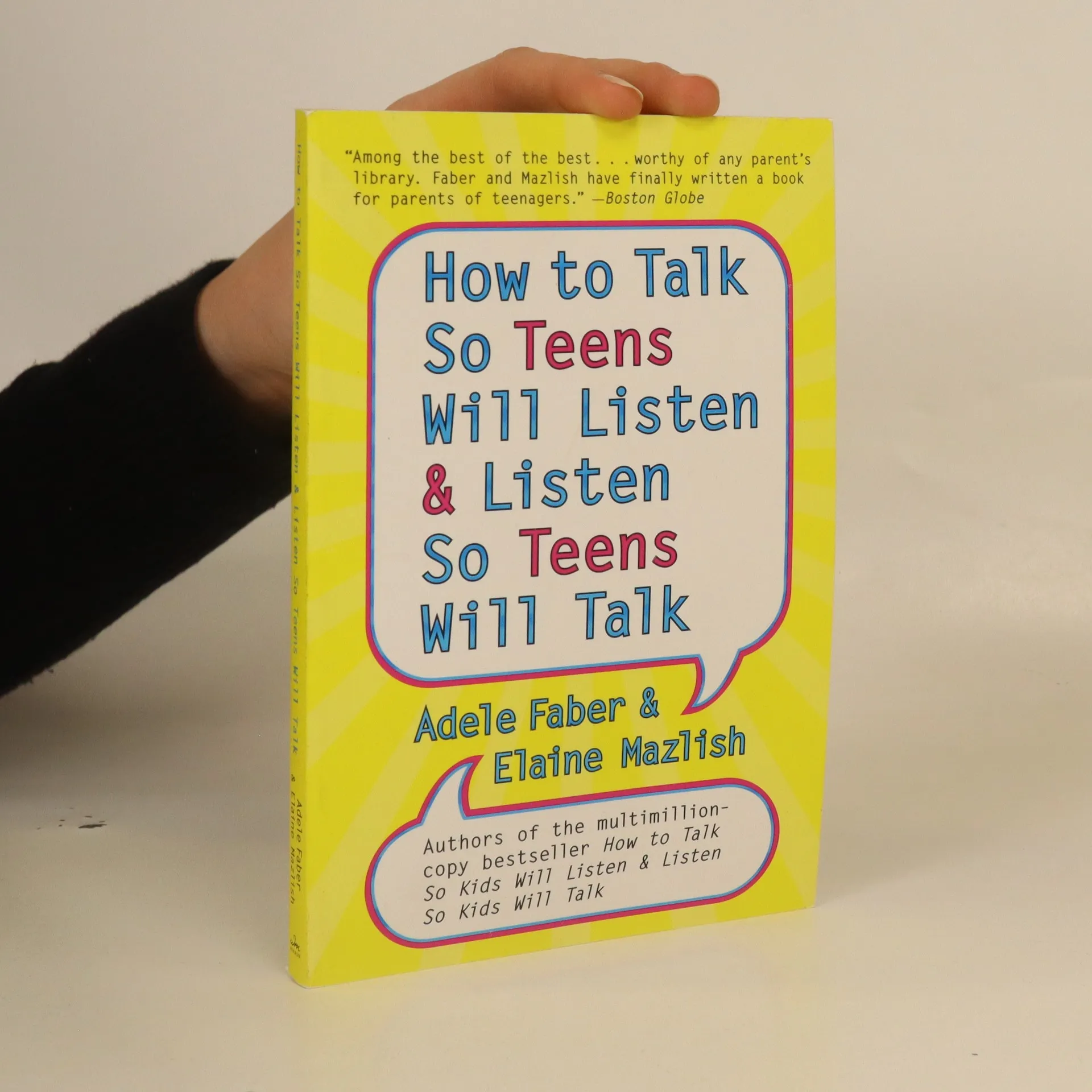
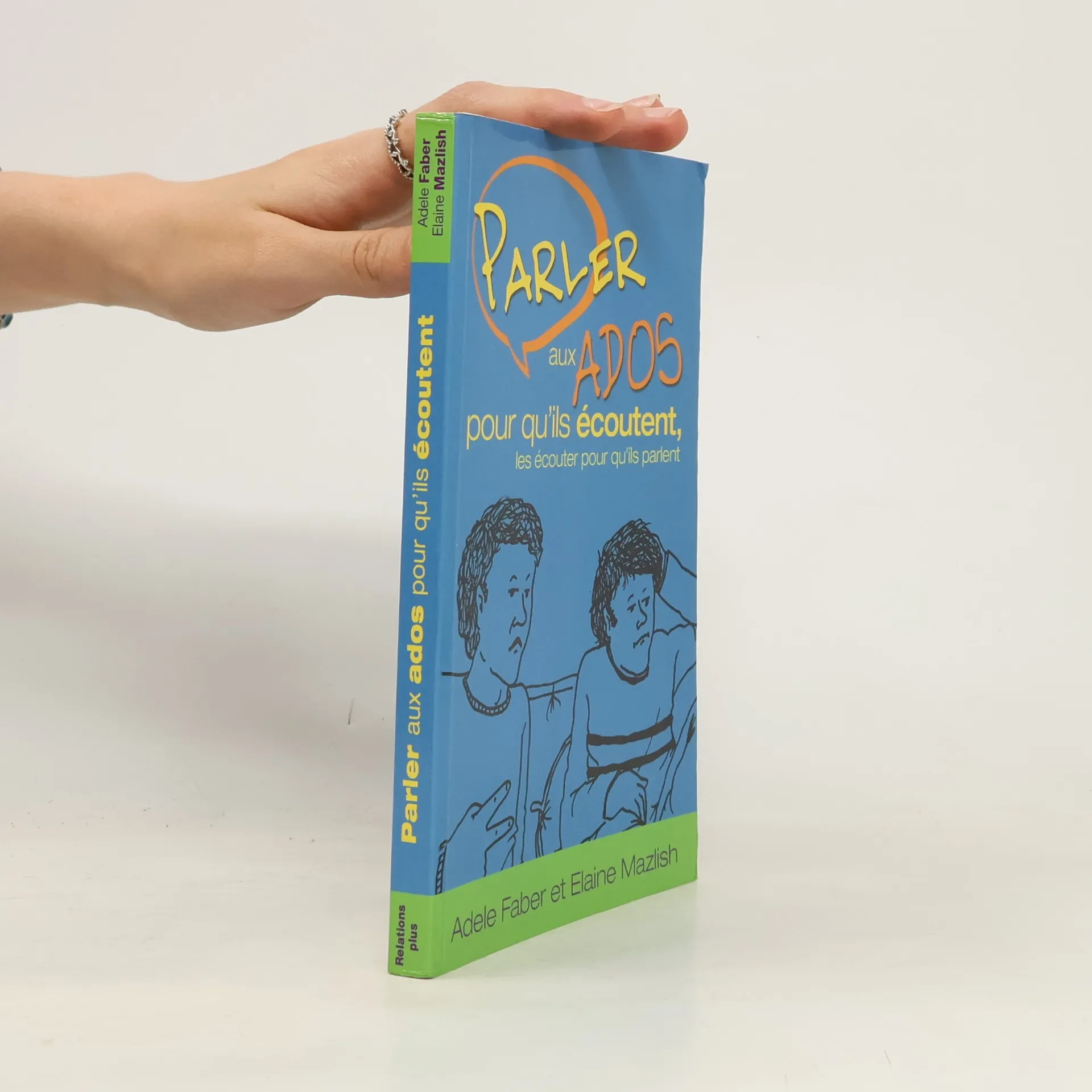
Adele Faber et Elaine Mazlish ont transformé l'art d'être parents en publiant leurs grands succès de librairie : Parler pour que les enfants écoutent, écouter pour que les enfants parlent ; Parents épanouis, enfants épanouis ; Jalousie et rivalité entre frères et sœurs ; Parler pour que les enfants apprennent, à la maison et à l'école. Elles récidivent avec ce nouveau titre, qui aborde directement les problèmes auxquels font face les adolescents d'aujourd'hui et leurs parents. Couvre-feux, cliques, drogues, sexualité, autant de sujets présentés de façon à munir les parents d'outils leur permettant d'aider leurs enfants à naviguer de façon sécuritaire à travers les années souvent turbulentes de l'adolescence. Ce livre est rempli de suggestions simples et pratiques. Il est écrit dans ce style franc, direct et accessible qui a fait la renommée des auteures. Il saura plaire aux adolescents autant qu'à leurs parents. Les suggestions et les techniques présentées sont éprouvées et à la portée de quiconque désire établir solidement la base de relations durables.
With this essential workbook and audio guide, you'll learn things like: Dealing with your children's strong emotions Setting firm limits and still maintaining goodwill Expressing your feelings without being hurtful Engaging your children's co-operation * Resolving family conflicts peacefully
Presents straightforward advice for parents and teens on how to build the foundation for healthy relationships, in a guide that covers such topics as curfews, peer pressure, and drugs
BRAND NEW, Exactly same ISBN as listed, Please double check ISBN carefully before ordering.
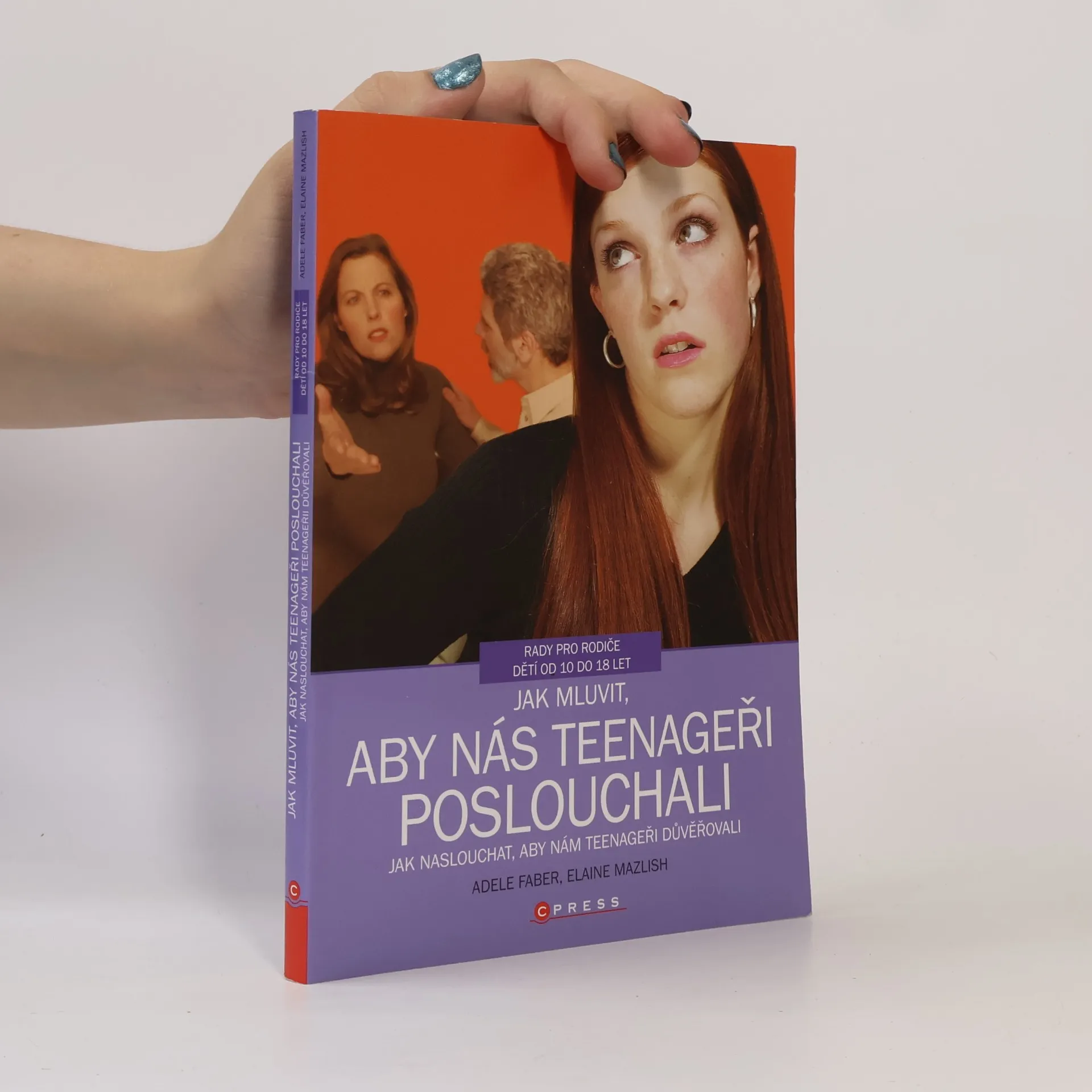
Máte doma puberťáka a čím dál méně si rozumíte? Tato kniha nabízí praktické rady, jak jednat s dospívajícími, aby vás brali vážně, a jak jim naslouchat jako partnerům, nikoli jako nepřátelům. Způsoby jednání a tipy na dialog jsou ilustrovány kreslenými scénkami, přičemž autorky čerpají z reálných rozhovorů mezi rodiči a dětmi. Na příkladech jiných rodin si uvědomíte, kde děláte chyby, a naučíte se měnit zaběhnuté vzorce chování. Kniha se zaměřuje na to, jak se vcítit do pocitů dospívajícího, nezlehčovat jeho přání a nalézt společnou řeč. Dále se dozvíte, jak neobracet názory dítěte proti sobě a lépe popsat své pocity a očekávání. Autorky také ukazují, jak využít humor pro spolupráci s teenagerem a jak pokárat bez trestání, aby dítě lépe chápalo svou zodpovědnost. Zjistíte, jak chválit a vyjadřovat nespokojenost, a jak najít kompromisy, aby nedocházelo ke zbytečným konfliktům. Kniha také přináší názory dospívajících na výchovné metody a problémy s alkoholem, sexem a drogami, přičemž doporučuje nenásilné a průběžné informování o nebezpečích.
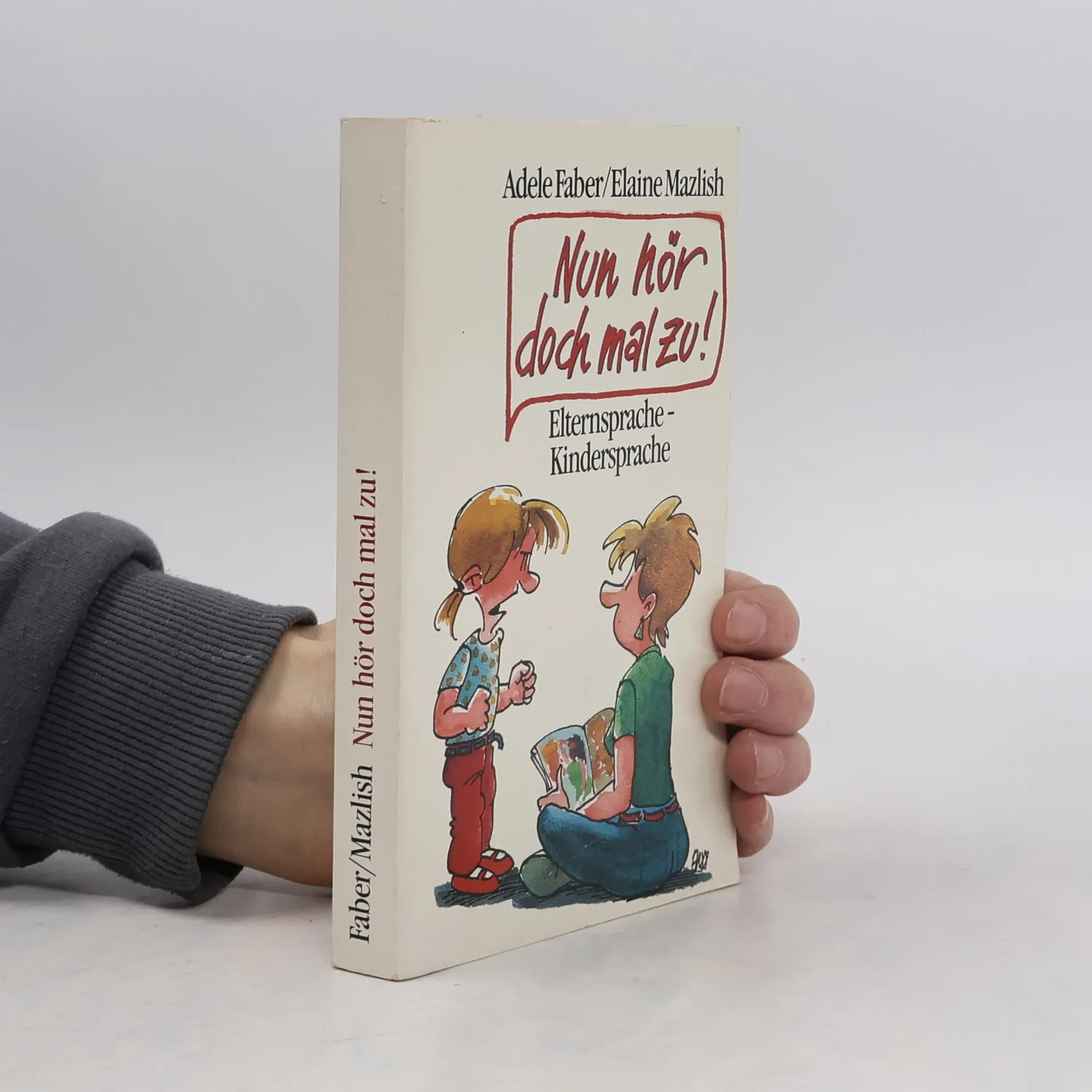
Geschwisterliebe statt Rivalität: So werden Geschwister beste Freunde! Streit um die Aufmerksamkeit der Eltern und Raufereien zwischen Geschwistern sind häufige Probleme, die Eltern kennen. Adele Faber und Elaine Mazlish, Expertinnen für Eltern-Kind-Kommunikation, kombinieren persönliche Erfahrungen mit Erkenntnissen aus Elterngesprächen in einem praxisorientierten Ratgeber. Sie zeigen, wie aus streitenden Geschwistern Freunde werden können. Der Ratgeber bietet erprobte Tipps zur Verbesserung von Geschwisterbeziehungen und vermittelt Konfliktbewältigungsstrategien für Kinder. Themen wie Eifersucht und Aggression werden behandelt, ebenso wie die Frage, wann Eltern eingreifen sollten und was Kinder selbst klären können. Zudem wird auf die Stolperfallen eingegangen, die Eltern aus ihrer eigenen Kindheit mitbringen. Kommunikationsübungen helfen Kindern, unangenehme Gefühle auszudrücken und Konflikte friedlich zu lösen. Wenn Wut zwischen Geschwistern zu handgreiflichen Auseinandersetzungen führt, ist es wichtig, dass Eltern wissen, wann sie schlichten sollten. Kurze Comicstrips veranschaulichen typische Konflikte und zeigen, wie Eltern angemessen reagieren können. Mit der richtigen Unterstützung lernen Kinder, ihren Geschwistern mit Wertschätzung, Empathie und Respekt zu begegnen, was auch ihre emotionale und soziale Kompetenz stärkt – Fähigkeiten, die im Familienleben sowie in Kita und Schule von Bedeutung sind!