

Why have agricultural policies become more inward-looking as the world becomes increasingly interdependent economically? Disarray in World Food Markets addresses the nature and causes of this crisis in international trade policy. Its analysis of the effects of these food policies is complemented by a quantitative review of the long term trends in world food markets. The study also extensively examines the reasons why governments choose to implement distortionary policies. These issues have been widely discussed, particularly because of the interest generated by the so-called Uruguay Round of multilateral trade negotiations, held under the auspices of the GATT. Disarray in World Food Markets analyzes some of the elements of the reforms emerging from these trade negotiations and discusses what the likely benefits may be. The model on which the analysis is based has a number of features unique for its time. It incorporates thirty countries and country groups, seven food commodity groups, the dynamic properties of international food markets, the pure protection component of food and agricultural policy, as well as the insulating component of policy.
Kym Anderson Livres
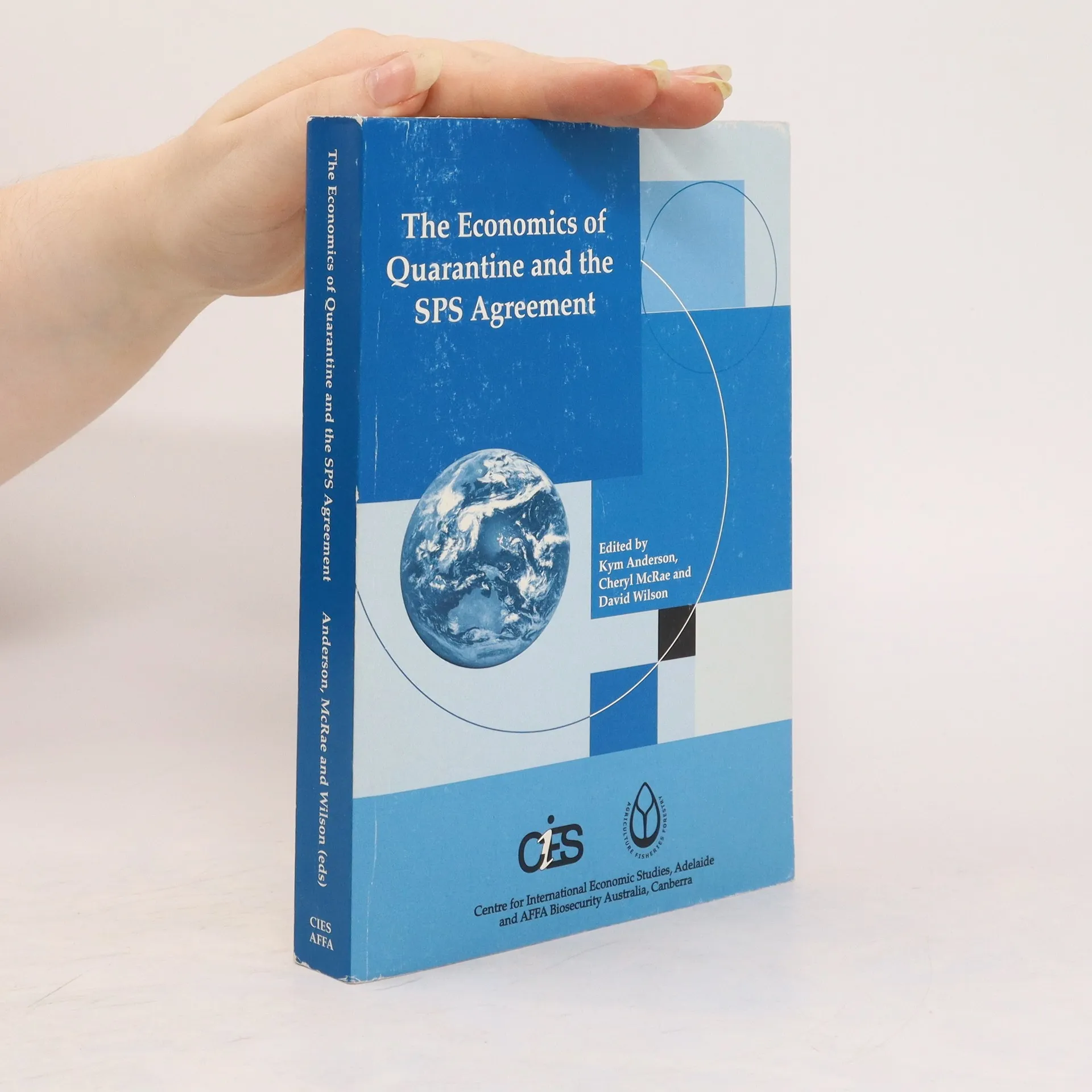

The Economics of Quarantine and the SPS Agreement
- 414pages
- 15 heures de lecture