St. John of the CrossOrdre des livres (chronologique)
Ce mystique espagnol, saint catholique et réformateur carmélite est réputé pour ses œuvres poétiques et en prose. Ses écrits, qui explorent la croissance de l'âme, sont considérés comme le sommet de la littérature mystique espagnole et un point culminant de toute la littérature espagnole. Son style littéraire unique et ses profondes visions spirituelles en font une figure significative dans l'histoire de la littérature et de la pensée spirituelle.
Loosely inspired by the Biblical Song of Songs, this poem unfolds through forty stanzas, depicting a bride's quest for her separated bridegroom. It explores themes of longing and spiritual pursuit, reflecting the soul's yearning for Jesus Christ. Accompanied by St. John of the Cross's detailed commentary, the poem serves as both a literary interpretation and a deeper meditation on love and faith.
« Plus les choses divines sont en soi claires et manifestes, plus elles sont naturellement obscures et cachées à l’âme. Il en est ici comme de la lumière naturelle : […] plus on veut fixer le soleil en face, et plus on éblouit la puissance visuelle et on la prive de lumière […]. De même, quand cette divine lumière de la contemplation investit l’âme qui n’est pas encore complètement éclairée, elle produit en elle des ténèbres spirituelles, parce que non seulement elle la dépasse, mais parce qu’elle la prive de son intelligence naturelle et en obscurcit l’acte. » Sur le chemin mystique, l’expérience de la nuit n’est ni noire, ni dramatique, ni tragique. Ce magnifique traité poétique montre au contraire qu’elle est réceptrice de leçons divines. Une œuvre majeure de la voie négative.
He was called "the greatest of all mystical theologians" by spiritual teacher Thomas Merton. And when St. John of the Cross was proclaimed to be a Doctor of the Church, Pope Pius XI praised his work as "a guide and handbook for the man of faith who proposes to embrace a life of perfection." The writings of the pious Carmelite priest, as well as those of St. Teresa of Avila, are regarded as the peak of Spanish mysticism. This remarkable guide to the spiritual life stands as his most popular work. Imprisoned in Toledo during the sixteenth century, St. John wrote about his spiritual struggles with a unique poetic vision, illuminating a path for the faithful to grow closer to God. He believed that a spiritual union was open to us, but not before experiencing the confusion and despair of a dark night of the soul. Yet John's words are uplifting, lyrical, and filled with hope for any soul who aspires to the Divine union. By emptying ourselves of earthly distractions—memory, will, and sensual desires—we can make room for the pure light of God's grace. A primer to his Dark Night of the Soul, this acclaimed translation will resonate with modern pilgrims searching for wisdom.
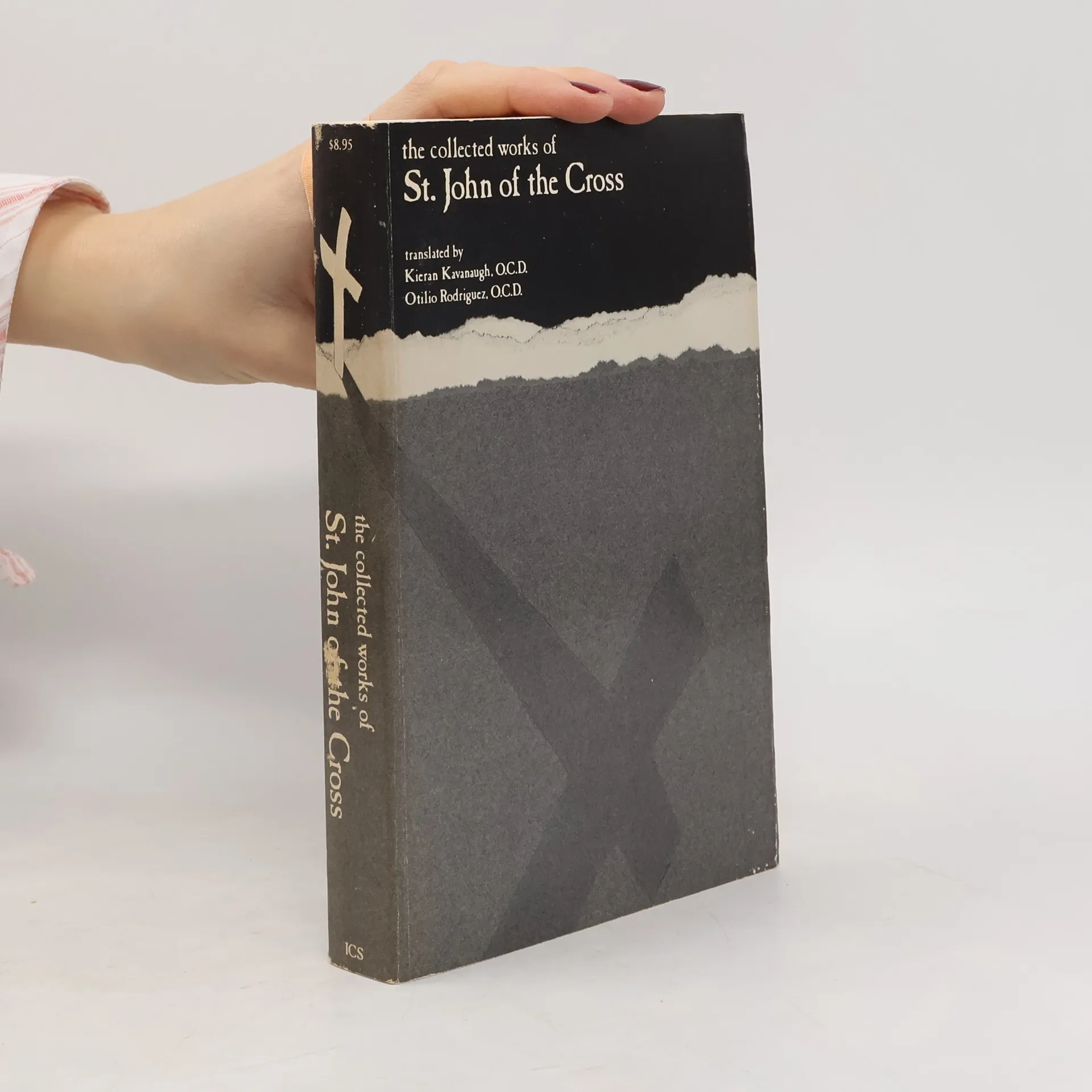
The fourth centenary of the death of St. John of the Cross inspired this revised edition of the English translation of his writings. The result is an edition that preserves the true meaning of the great mystic's writings, presents them as clearly as possible, and at the same time gives the reader the doctrinal and historical information that will lead to a deeper understanding and appreciation of the teachings of the Mystical Doctor. Included in The Collected Works are St. John's poetry, The Ascent of Mount Carmel, The Dark Night, The Spiritual Canticle, and The Living Flame of Love, as well as his letters and other counsels. There is a general introduction for the entire work and brief, enlightening introductions for each specific work, explaining theme and structure. Enhancing these are the new footnotes, glossary of terms, and index.