Die Produktion des Raums, 1974 zuerst erschienen, ist ein Schlüsselwerk für die gegenwärtigen Debatten über Raum, Stadt, Architektur und Gesellschaft. Als marxistischer Soziologe analysiert Henri Lefebvre wie jede Gesellschaftsform einen ihr eigenen Raum produziert. Lefebvres Begeisterung für Kunst, „Poesie und ausgreifendes, systemsprengendes Denken“ (Christoph Schäfer) verband ihn früh mit künstlerisch-politisch radikalen Subkulturen. Er entfaltete eine Wirkung, die weit über die Stadtsoziologie hinausreicht – in der Politikwissenschaft, in der Kunst und Kunstwissenschaft, in der Literatur und Literaturwissenschaft und nicht zuletzt im politischen Aktivismus der Recht-auf-Stadt-Bewegung. Lefebvres wichtigstes Buch zur Raumtheorie liegt hier erstmals auf Deutsch in der Übersetzung von Annett Busch vor.
Jacques-Henri Lefebvre Ordre des livres (chronologique)


On the Rural
- 304pages
- 11 heures de lecture
A collection of previously untranslated writings by Henri Lefebvre on rural sociology, situating his research in relation to wider Marxist work On the Rural is the first English collection to translate Lefebvre's crucial but lesser-known writings on rural sociology and political economy, presenting a wide-ranging approach to understanding the historical and rural sociology of precapitalist social forms, their endurance today, and conditions of dispossession and uneven development. In On the Rural, Stuart Elden and Adam David Morton present Lefebvre's key works on rural questions, including the first half of his book Du rural à l'urbain and supplementary texts, two of which are largely unknown conference presentations published outside France. On the Rural offers methodological orientations for addressing questions of economy, sociology, and geography by deploying insights from spatial political economy to decipher the rural as a terrain and stake of capitalist transformation. By doing so, it reveals the production of the rural as a key site of capitalist development and as a space of struggle. This volume delivers a careful translation--supplemented with extensive notes and a substantive introduction--to cement Lefebvre's central contribution to the political economy of rural sociology and geography.
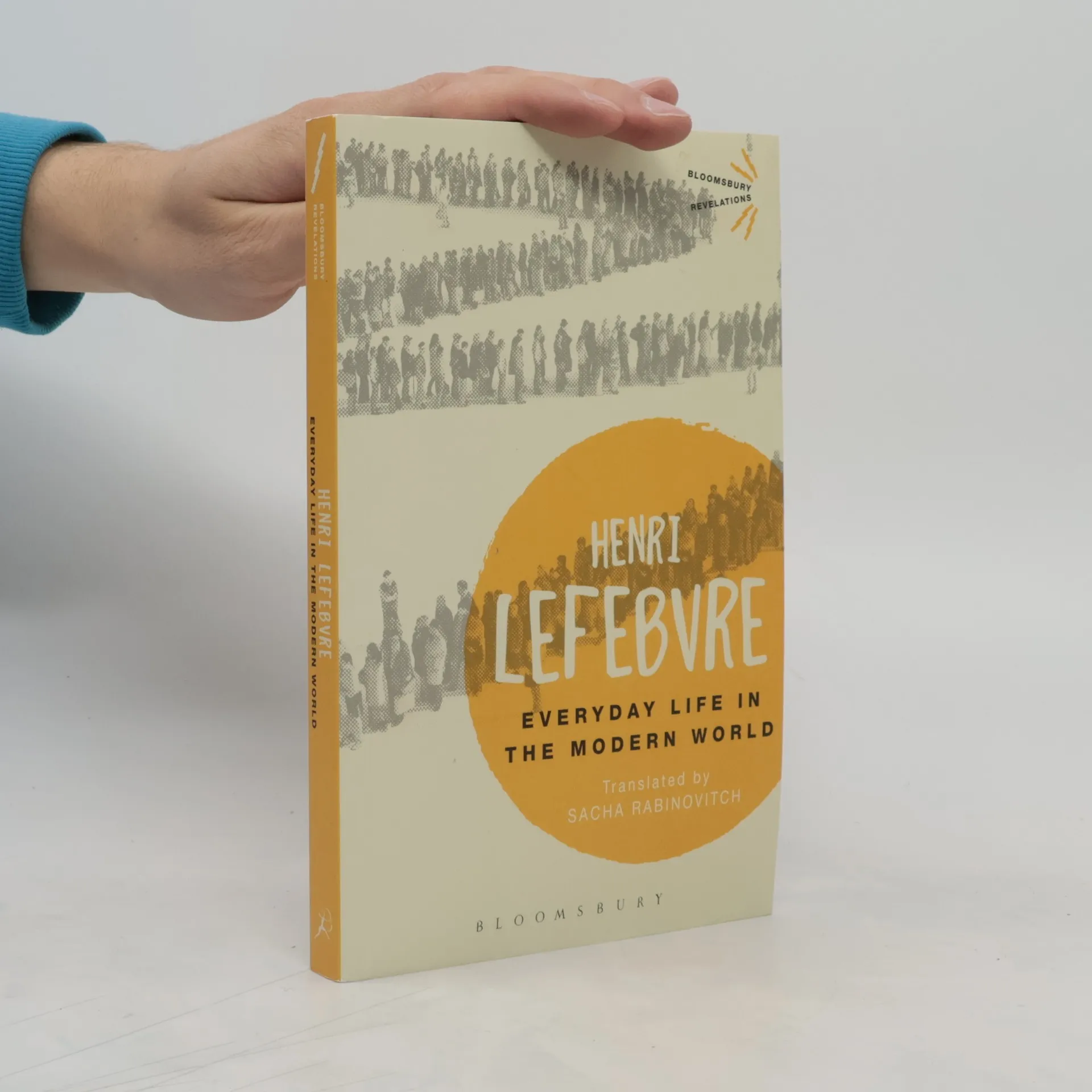
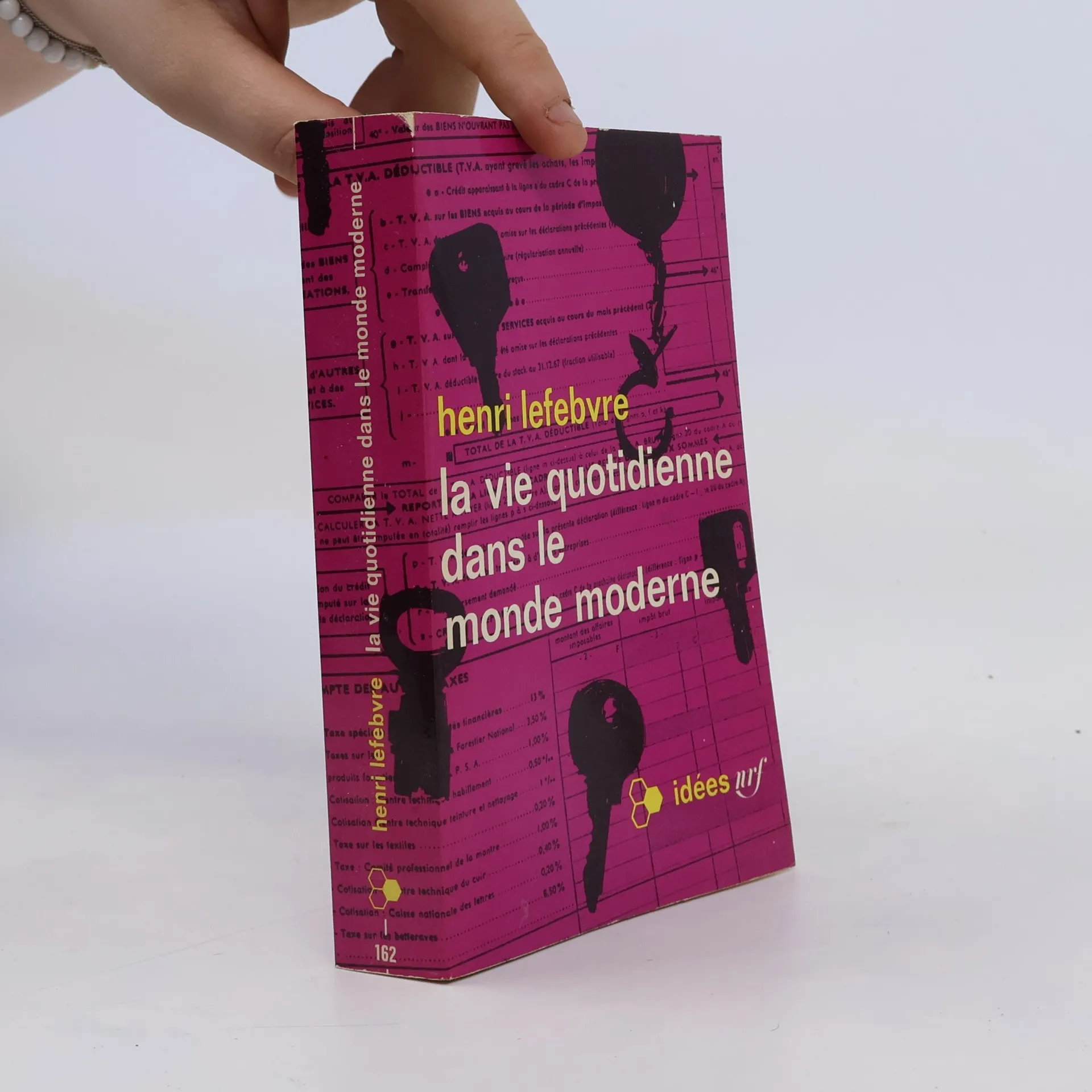
Henri Lefebvre was one of the most significant and influential social theorists of the 20th century. His impressive body of work crosses multiple disciplines including sociology, philosophy, economics, politics and cultural studies. In Everyday Life in the Modern World Lefebvre reveals the decisions and events which, day to day, we know very little about and do not actively participate in and yet have a profound effect on our lives. He considers the impact of consumerism, language and mass media on everyday life using a variety of critical approaches including Marxism and Structuralism. The Revelations edition includes an introduction by Philip Wander in which he discusses the context and importance of the book, particularly in the fields of communications, work, science and technology. This is Lefebvre's manifesto for a new cultural revolution of the everyday which is as relevant today as it ever was.
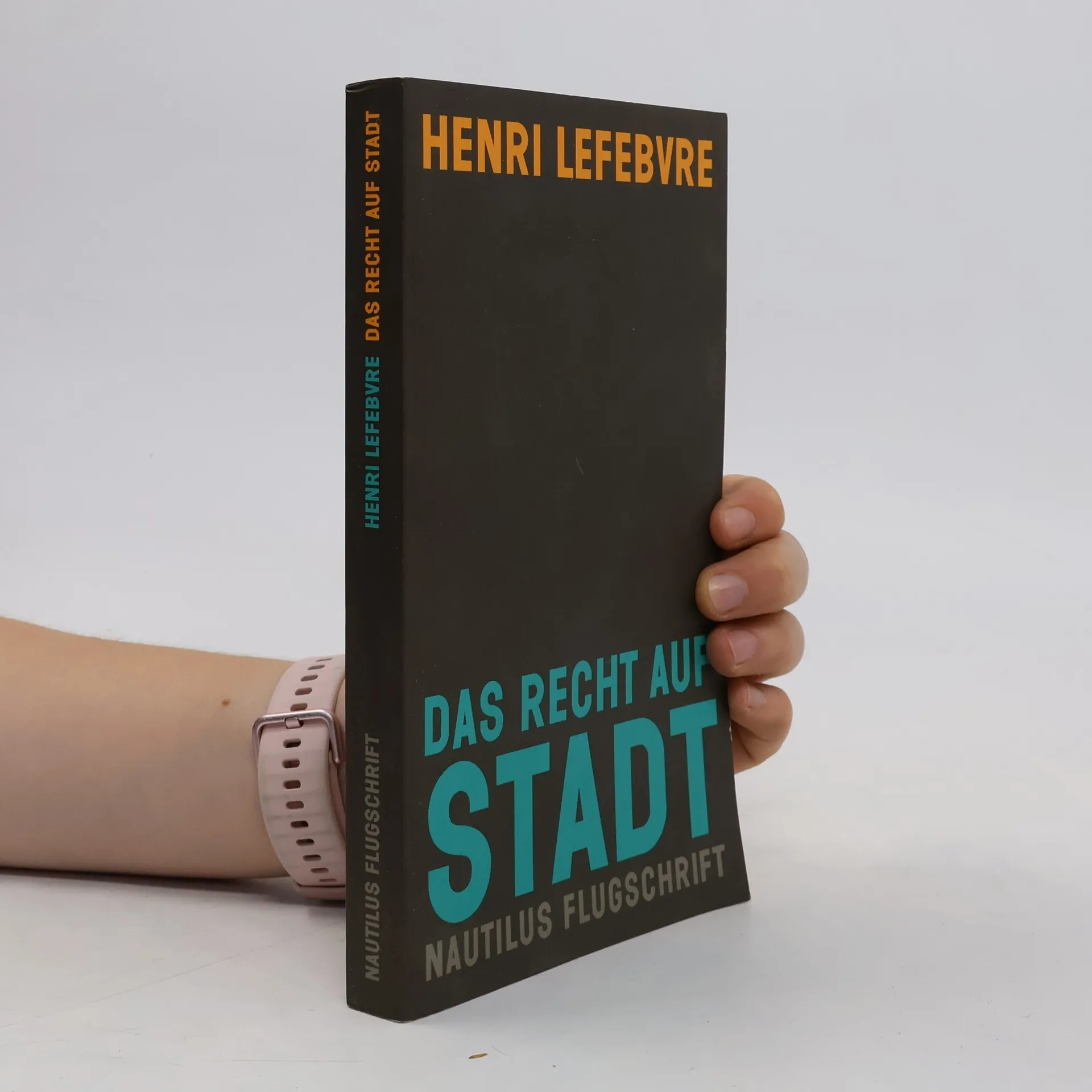
Allerorten wird in den letzten Jahren ein »Recht auf Stadt« eingefordert – von sozialen Protestbewegungen gegen Gentrifizierung weltweit. NGOs und UN-Organisationen postulieren es gleichermaßen. Kritische Stadtforscher wie David Harvey, Peter Marcuse oder Niels Boeing beziehen sich in ihrer radikalen Gesellschaftskritik auf Henri Lefebvre, der das Konzept 1968 entworfen hat – in einer Schrift, die hier nun zum ersten Mal in deutscher Übersetzung vorliegt. »Recht auf Stadt« ist mehr als die individuelle Freiheit, auf städtische Ressourcen zugreifen zu können. Es ist das Recht auf ein erneuertes urbanes Leben. Angesichts der sozialen Probleme in den desolaten Hochhaus-Vorstädten und anderer Folgen des rasanten Städtewachstums nach dem Zweiten Weltkrieg stellte Lefebvre schon in den sechziger Jahren fest, dass der Urbanisierungsprozess einhergeht mit einem Verlust der Stadt als Ort der kreativen Schöpfung, zugunsten einer bloßen industriellen Verwertungslogik. Er postuliert aber keine Abkehr von der Stadt – etwa in die zeitgleich entstehenden amerikanischen Mittelklasse-Vororte –, sondern macht in der Stadt ein enormes Potenzial aus, das zu einer emanzipierten urbanen Gesellschaft führen kann. Das Recht auf Stadt ist ein gesamtgesellschaftliches Anrecht auf Begegnung, Teilhabe, Austausch, das große Fest und einen kollektiv gestalteten und genutzten städtischen Raum.
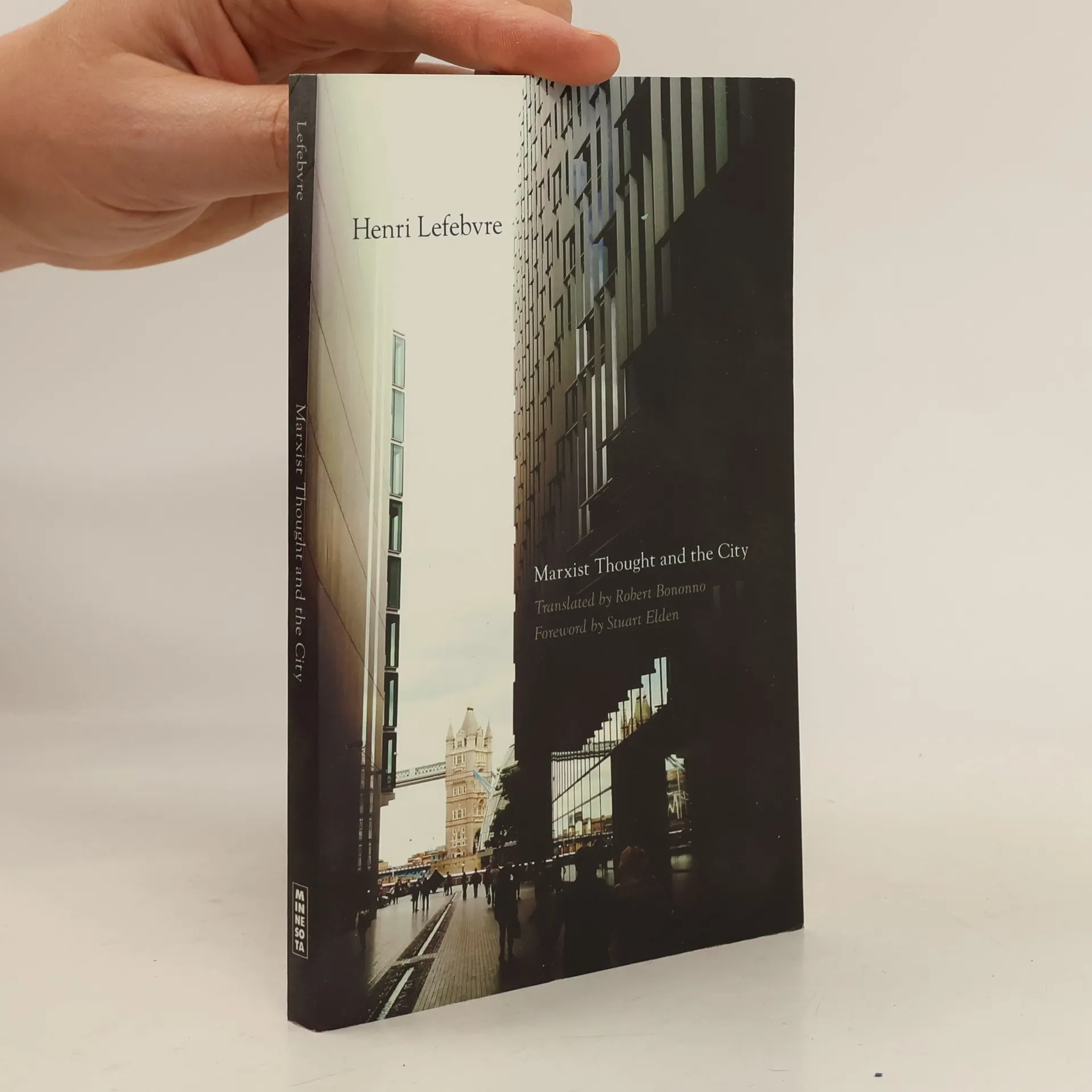
Marxist Thought and the City
- 176pages
- 7 heures de lecture
Originally published in French as La pensaee marxiste et la ville. Copyright 1972 by Casterman.
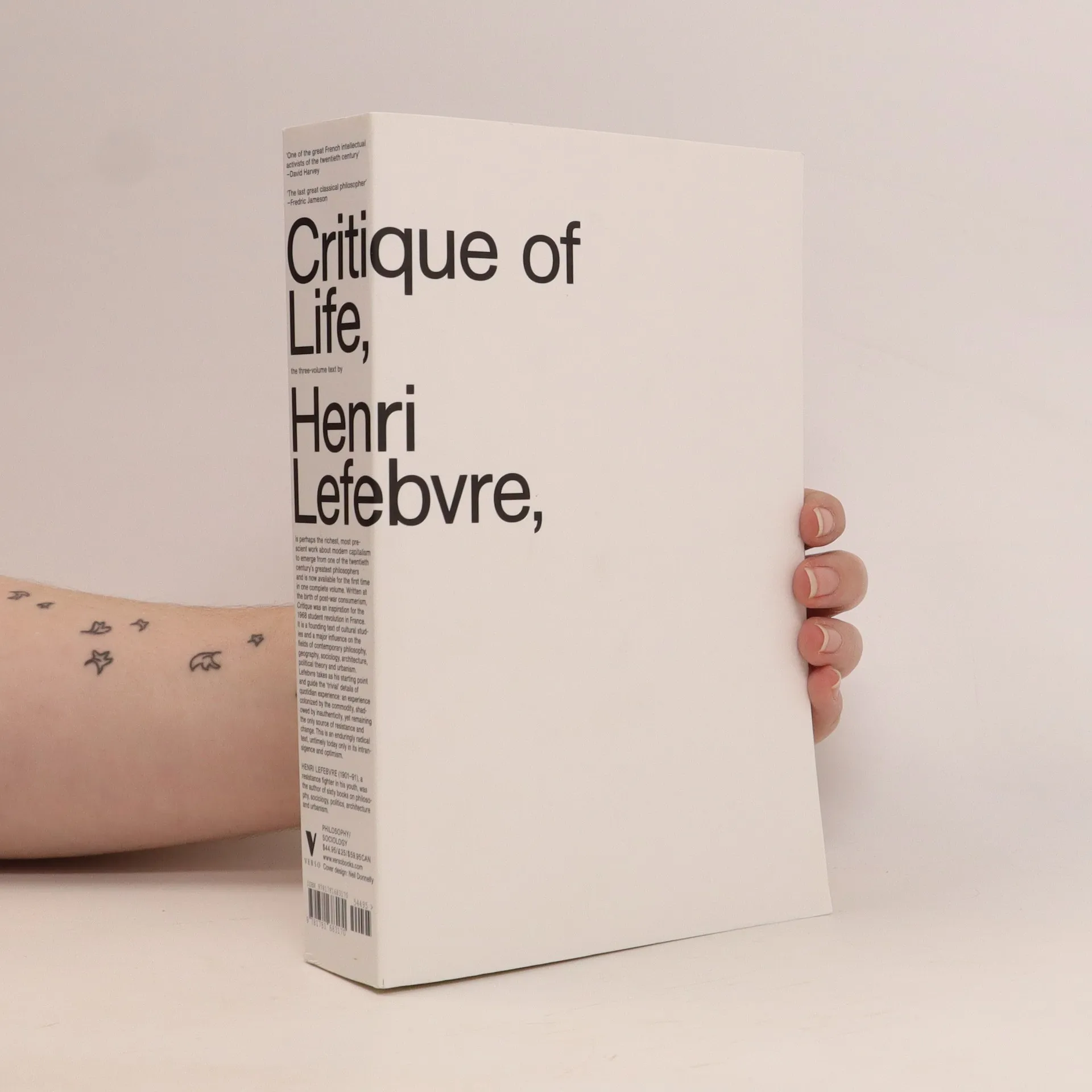
Henri Lefebvre’s magnum opus: a monumental exploration of contemporary society. Henri Lefebvre’s three-volume Critique of Everyday Life is perhaps the richest, most prescient work by one of the twentieth century’s greatest philosophers. Written at the birth of post-war consumerism, the Critique was a philosophical inspiration for the 1968 student revolution in France and is considered to be the founding text of all that we know as cultural studies, as well as a major influence on the fields of contemporary philosophy, geography, sociology, architecture, political theory and urbanism. A work of enormous range and subtlety, Lefebvre takes as his starting-point and guide the “trivial” details of quotidian experience: an experience colonized by the commodity, shadowed by inauthenticity, yet one which remains the only source of resistance and change. This is an enduringly radical text, untimely today only in its intransigence and optimism.
The work of leading intellectual Henri Lefebvre explores the intricacies of political and state theory, delving into the dynamics of power, space, and social relations. Lefebvre's analysis challenges traditional notions of the state, emphasizing the role of everyday life in shaping political realities. Through a critical lens, he examines how spatial practices influence societal structures and the implications for governance and resistance. This thought-provoking exploration invites readers to reconsider the relationship between space, society, and the state.
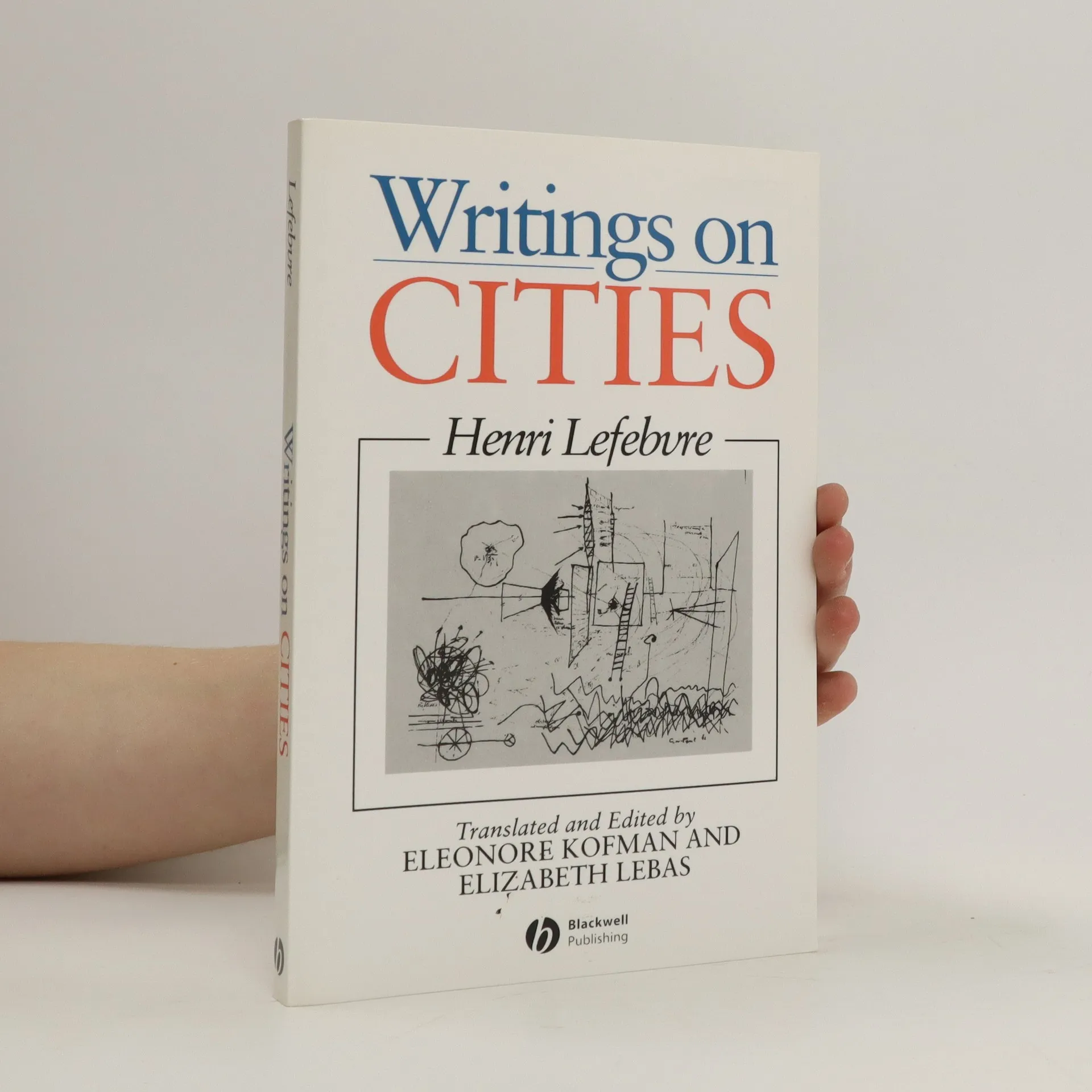
The work of Henri Lefebvre - the only major French intellectual of the post-war period to give extensive consideration to the city and urban life - received considerable attention among both academics and practitioners of the built environment following the publication in English of The Production of Space. This new collection brings together, for the first time in English, Lefebvre's reflections on the city and urban life written over a span of some twenty years.The selection of writings is contextualized by an introduction - itself a significant contribution to the interpretation of Henri Lefebvre's work - which places the material within the context of Lefebvre's intellectual and political life and times and raises pertinent issues as to their relevance for contemporary debates over such questions as the nature of urban reality, the production of space and modernity.Writings on Cities is of particular relevance to architects, planners, geographers, and those interested in the philosophical and political understanding of contemporary life.
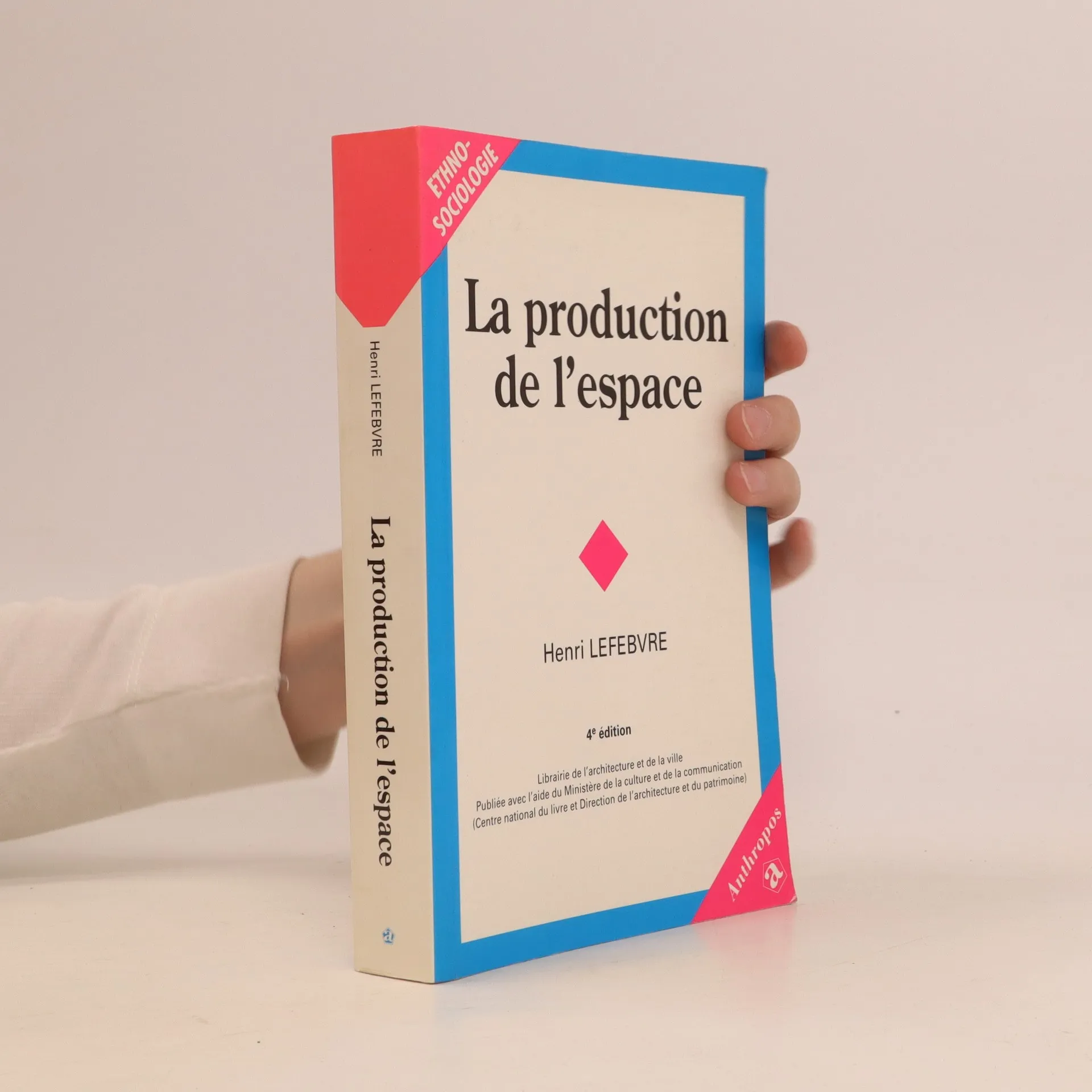
La production de l'espace
- 512pages
- 18 heures de lecture
Chaque société produit un espace, le sien. La société occidentale, celle du néo-capitalisme, a produit l'espace abstrait qui contient le monde de la marchandise, sa logique et ses stratégies à l'échelle mondiale en même temps que la puissance de l'argent et celle de l'Etat politique. L'auteur s'attache à montrer l'unité théorique entre l'espace physique, l'espace mental et l'espace social.
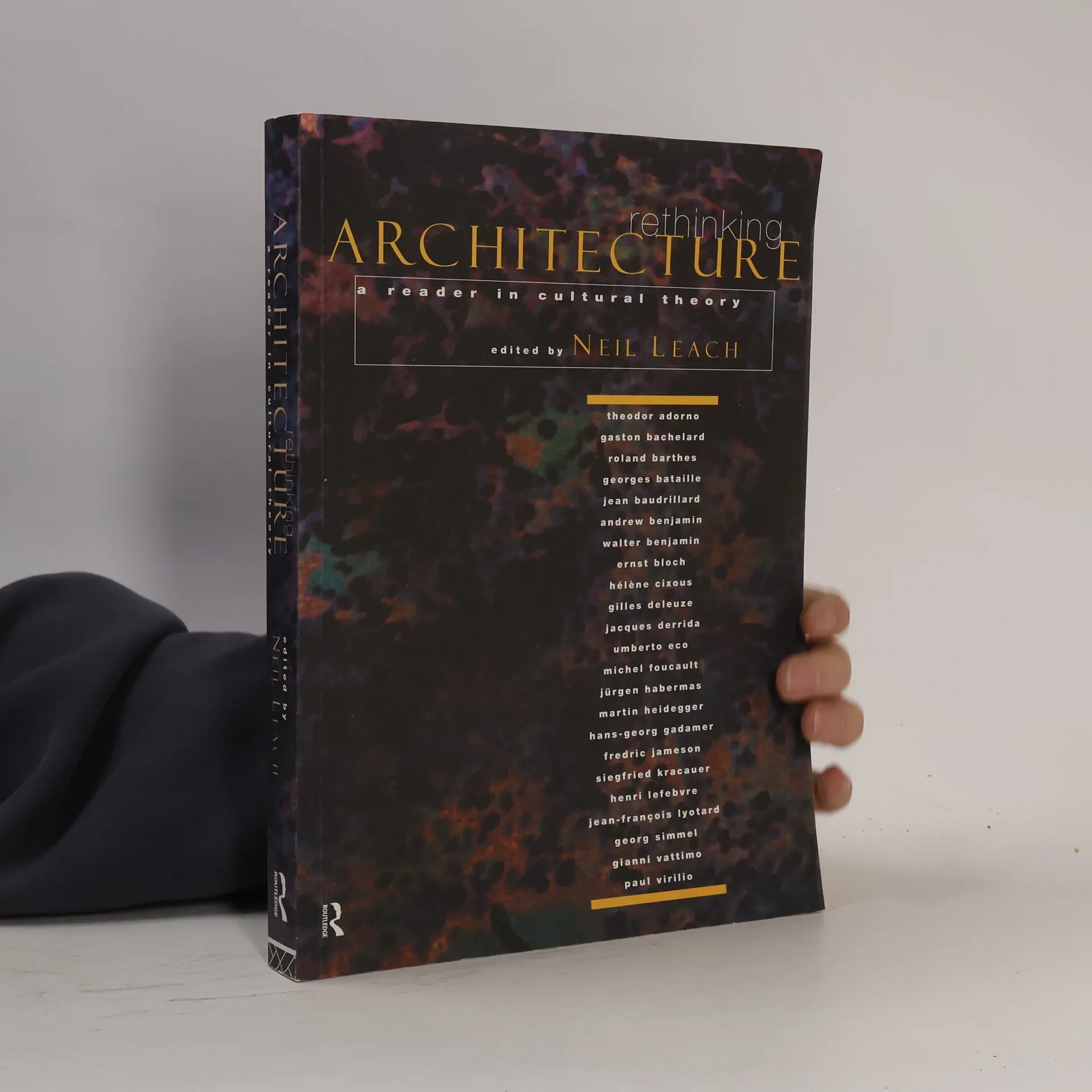
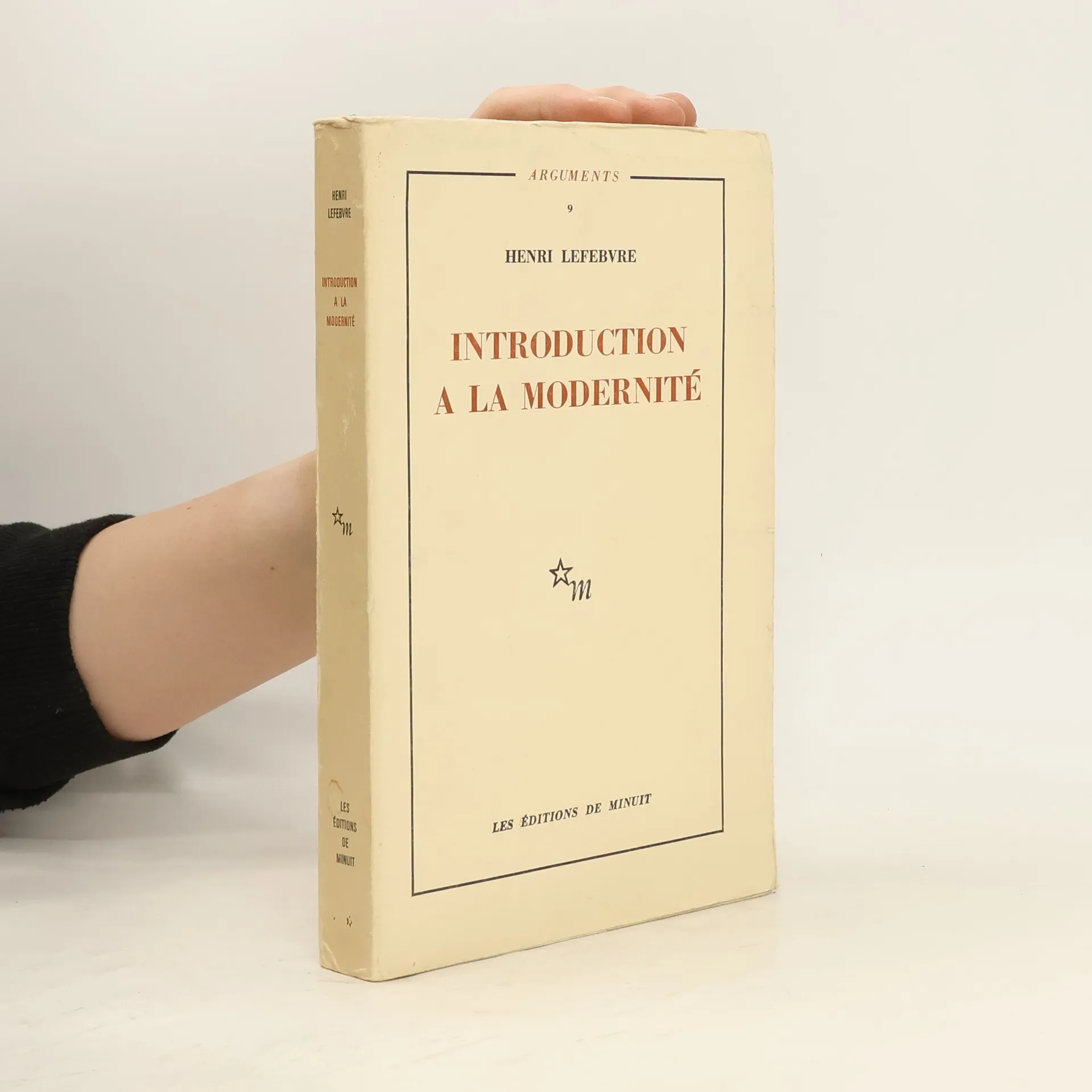
The collection features essential writings from influential philosophers and cultural theorists of the twentieth century, exploring the foundational ideas that have shaped urban environments and architectural experiences. It delves into the theoretical frameworks that underpin contemporary architecture, offering insights into the cultural and philosophical contexts that inform our understanding of space and design. This compilation serves as a critical resource for those interested in the intersection of architecture, philosophy, and urban theory.
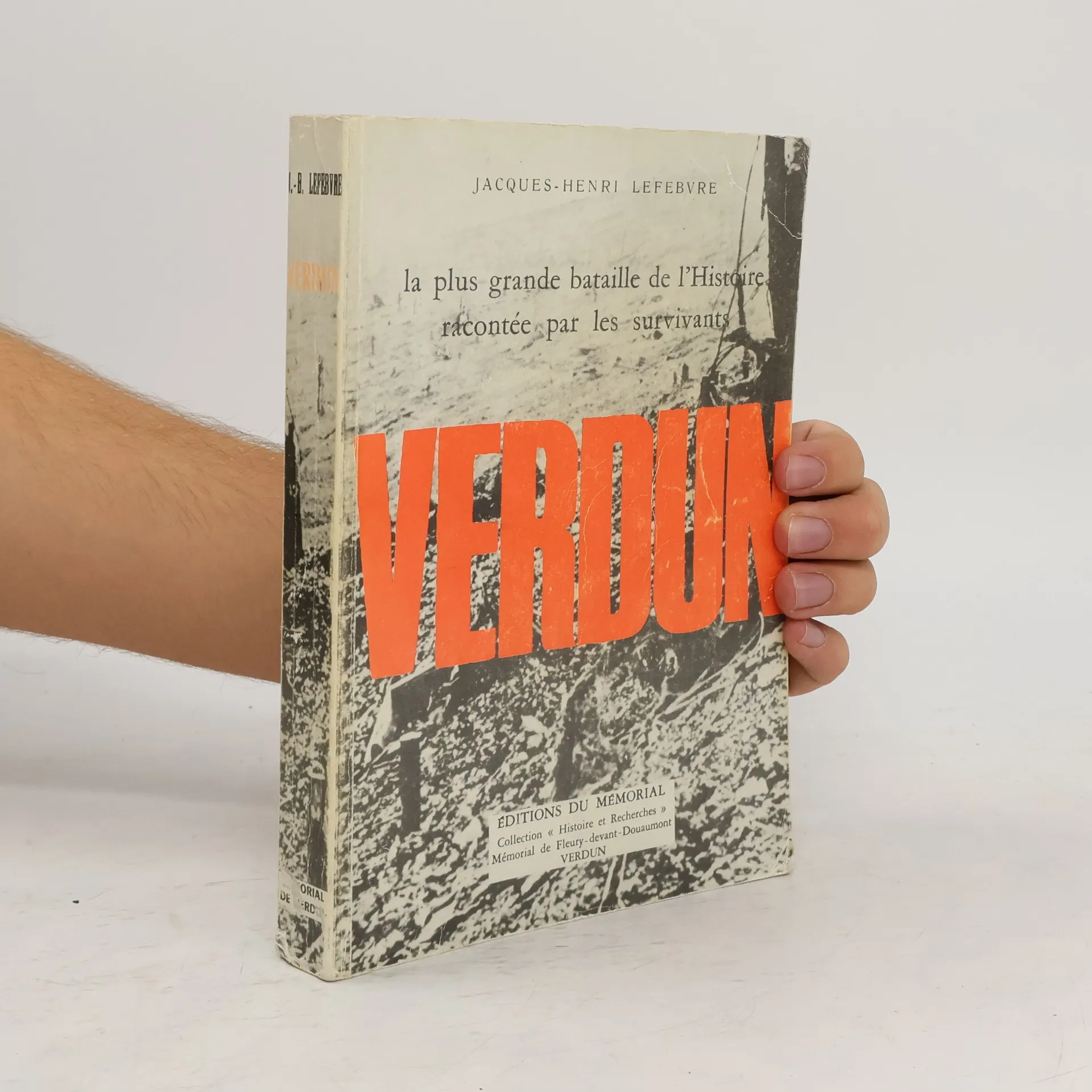
Histoire et Recherches: Verdun
La plus grande bataille de l'histoire racontée par les survivants
Rare Book
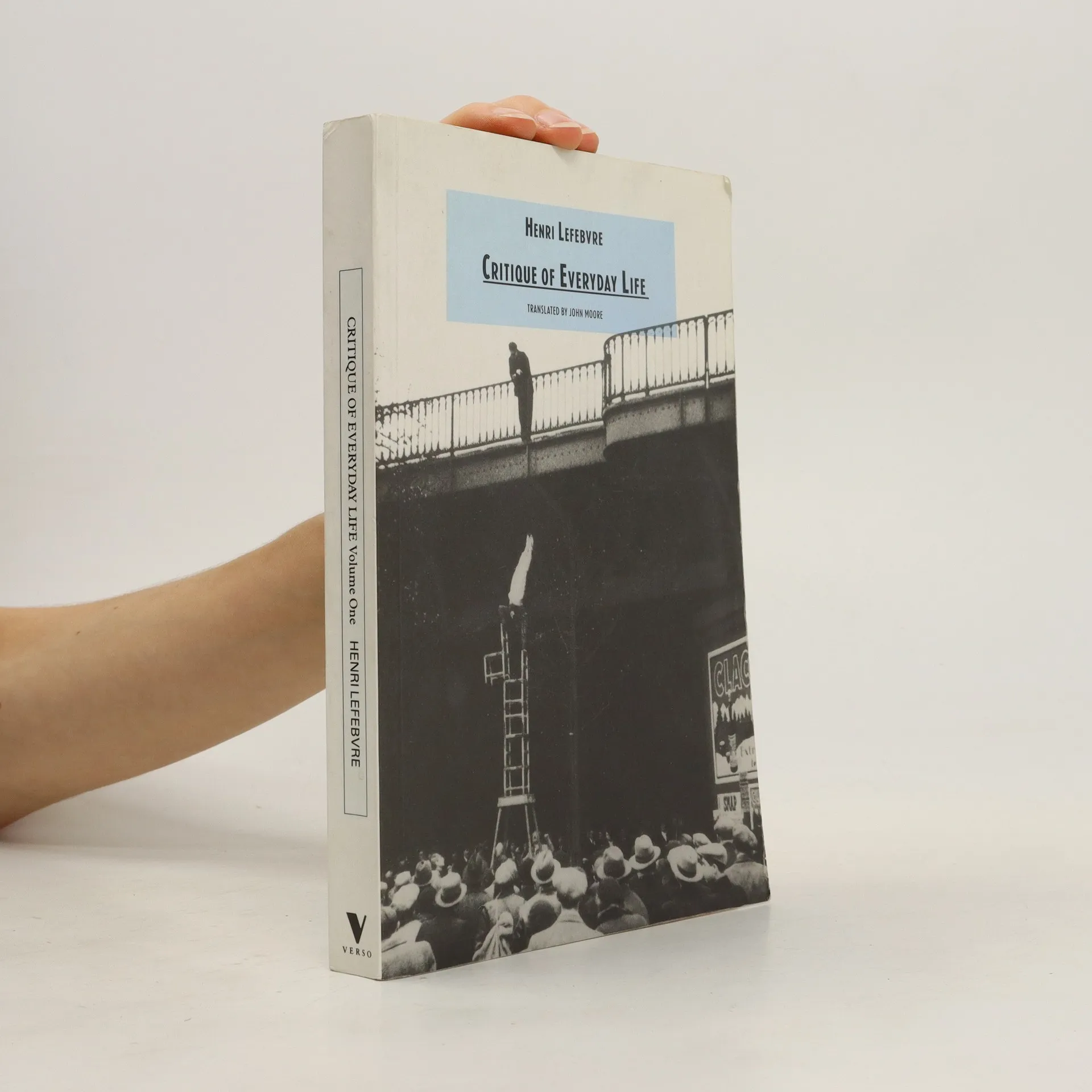
Critique of Everyday Life Vol. 1
- 312pages
- 11 heures de lecture
Whether discussing sport, household gadgets, the countryside, surrealism, Charlie Chaplin or religion, Lefebvre concentrates on the minutiae of lived experience in work and leisure, daydreams and festivities. Today this text is recognized as a path-breaking, radical and hugely influential book.
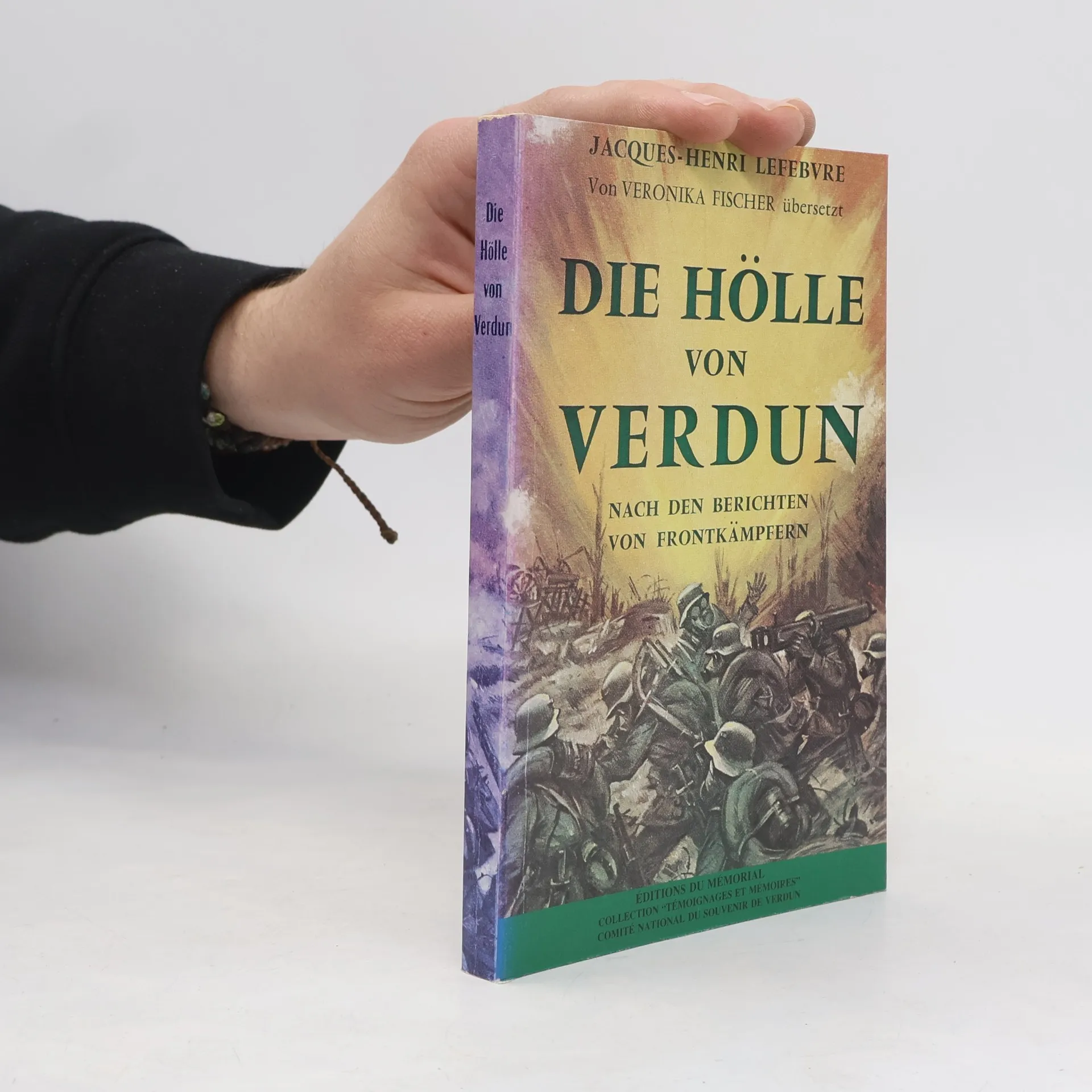
Die Hölle von Verdun
- 245pages
- 9 heures de lecture
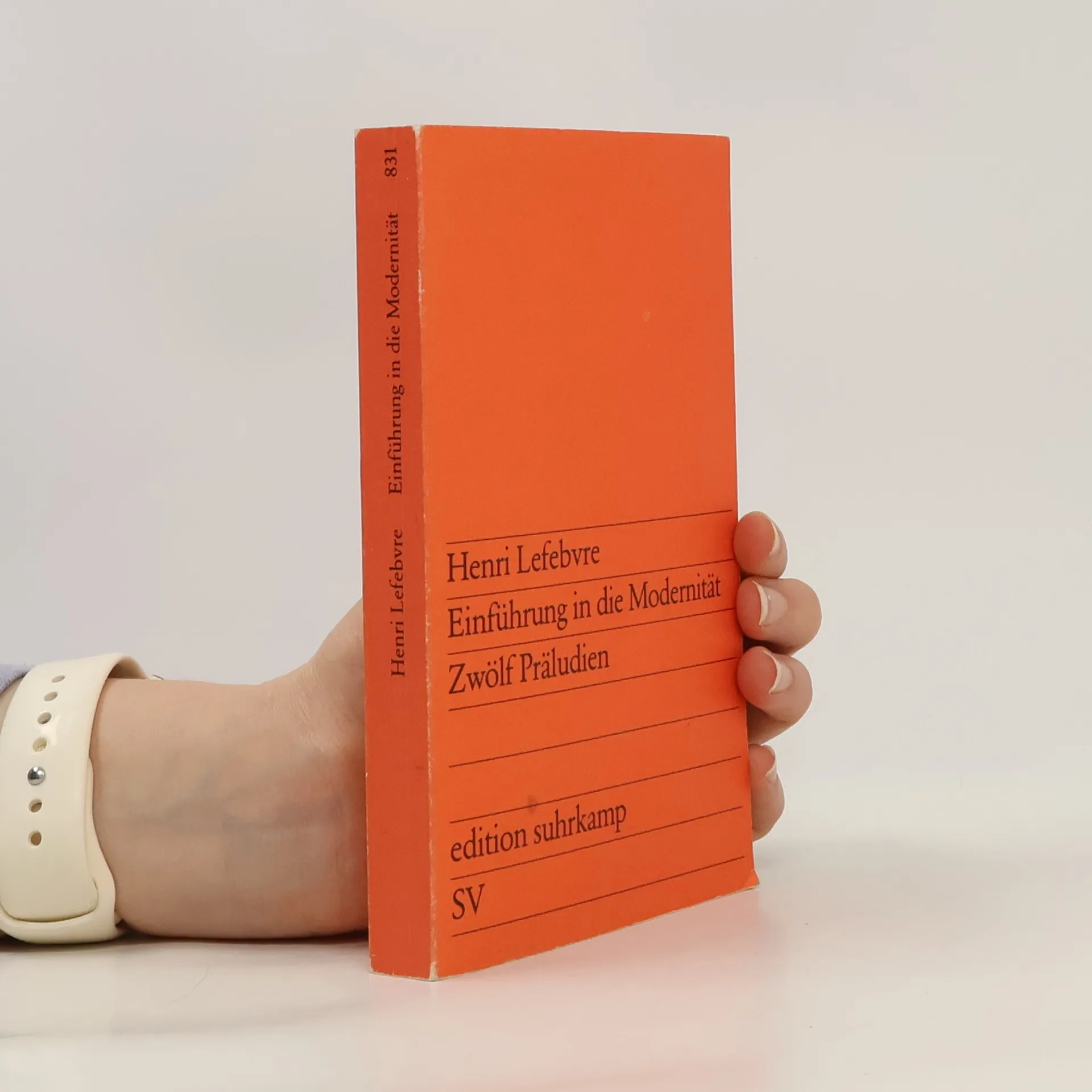
Ursprünglich 1962 veröffentlicht, als Lefebvre seine Karriere als Dozent für Soziologie an der Universität Straßburg begann, etablierte es seine Position an der Spitze einer Bewegung, die in den Ereignissen des Mai 1968 kulminieren sollte. Eine klassische Analyse der modernen Welt unter Verwendung der marxistischen Dialektik, es ist ein Buch, das die konventionellen Grenzen zwischen akademischen Disziplinen überschreitet. Mit verblüffender Geschicklichkeit bewegt sich Lefebvre von der Philosophie zur Soziologie, von der Literatur zur Geschichte, um eine tiefgehende Analyse der sozialen, politischen und kulturellen Kräfte zu präsentieren, die in Frankreich und der Welt nach Stalins Tod am Werk sind – eine Analyse, in der die Konturen unserer eigenen „Postmodernität“ mit erschreckender Klarheit erscheinen.
Die Hölle von Verdun
Nach den Berichten von Frontkämpfern
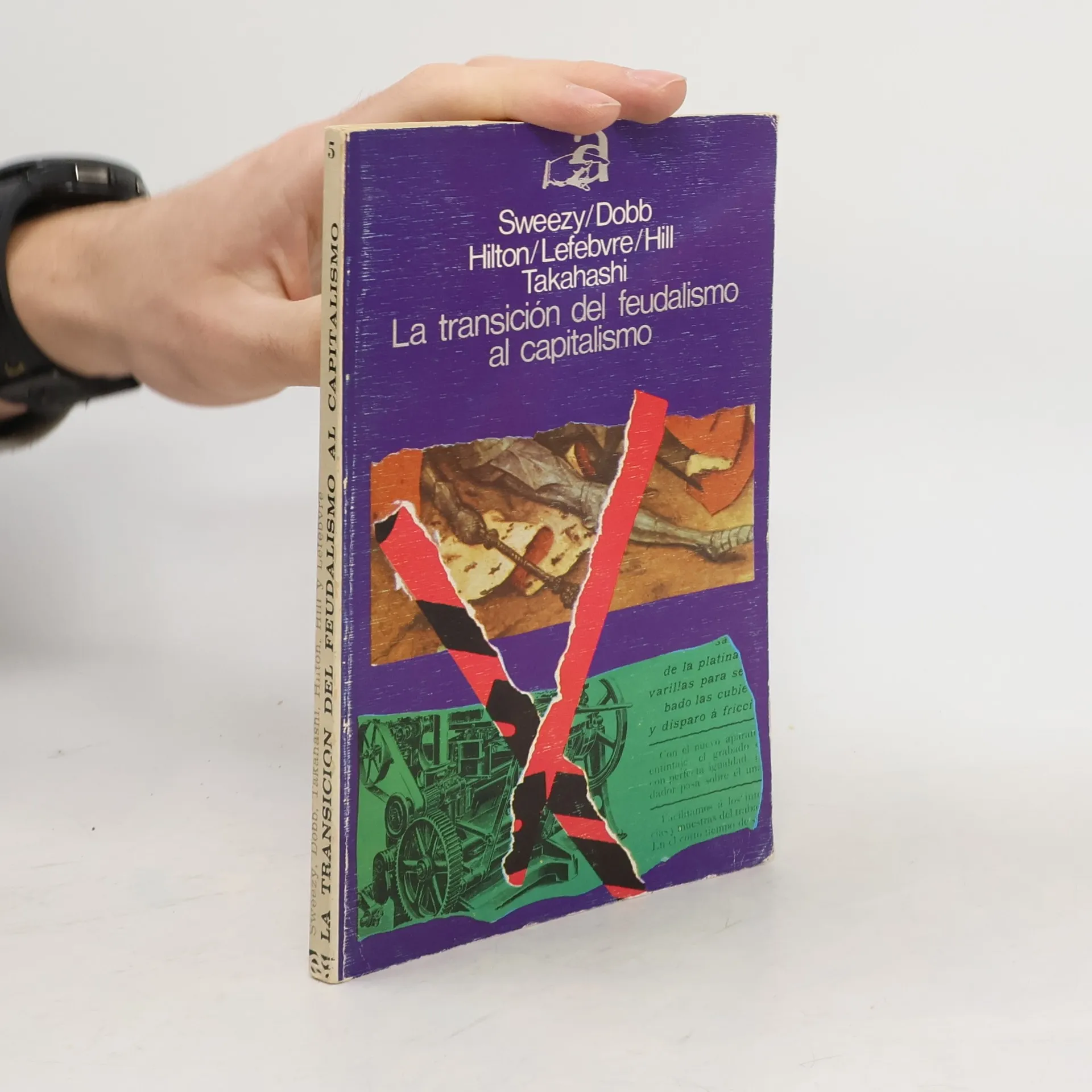
Transición del feudalismo al capitalismo, la
- 149pages
- 6 heures de lecture
Metaphilosophie
- 368pages
- 13 heures de lecture
Kritik des Alltagslebens
- 668pages
- 24 heures de lecture
Nachw. Dewe, Bernd ; Ferchhoff, Wilfried ; Sünker, Heinz
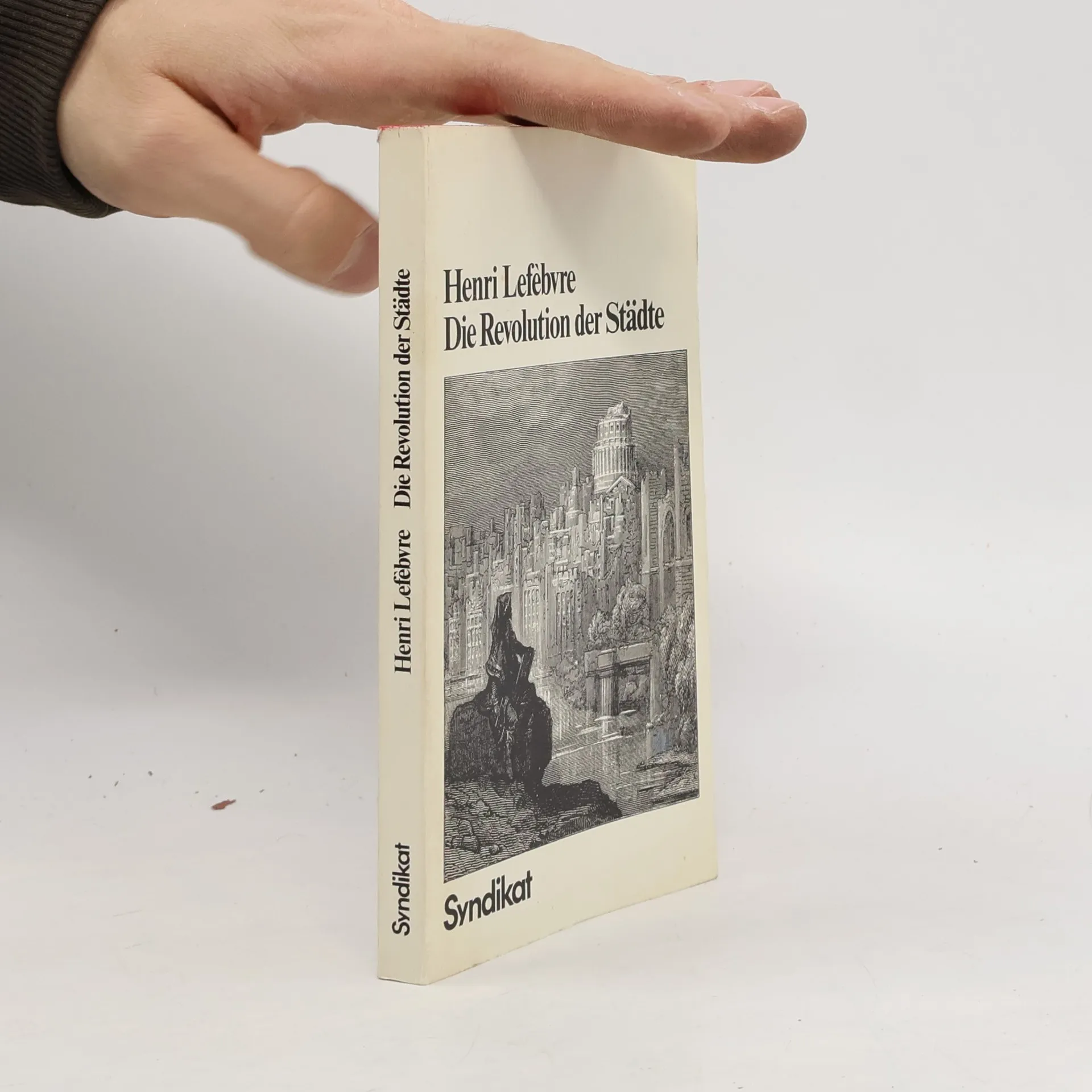
Die Revolution der Städte
- 201pages
- 8 heures de lecture
Kent ve kentleşme konusu bugün toplumsal, politik ve ekonomik yönleriyle giderek daha fazla tartışılan bir gündem haline geldi; Henri Lefebvre'in eserlerine daha fazla referans verilmesinin, öneminin artmasının nedeni de bu. Kentsel Devrim, Lefebvre'in Mekan'ı toplumsal analizin merkezine alan ilk eseri. Bu bakımdan mekan ve kent konusundaki çalışmalar kadar, sosyoloji, Marksist analiz ve radikal politika için de temel bir metin. Lefebvre, "toplumun bir bütün halinde kentleşmesi" hipoteziyle yola çıkarak, hep kır-kent çelişkisi içinde ele alınan şehir kavramının ortadan kalktığını, ortaya çıkan "kent toplumunun" yeni yorum ve yaklaşımlar geliştirilmesi gereken karmaşık bir araştırma olarak görülmesi; kentin ise toplumsal analiz ve pratiklerin merkezinde yer alması ve şehirleşme sorunuyla sınırlanmaması gerektiğini öne sürüyor. Onu yalnızca tüketimin ve yeniden üretimin değil, kapitalist üretimin de merkezine yerleştirerek, toplumsal-siyasal mücadeleyi üretim-fabrika eşleşmesinden koparıp, üretim-kent ölçeğine ve vizyonuna taşıyor. Metalaşma, pazar, bürokratikleşme üzerine kurulu soğuk ve modernist kentleşme/şehirleşme yaklaşımını reddederek, kentin sakinlerinin canlı deneyimlerinin altını çiziyor. Şehir miti, kalıplaşmış biçim ve biçimciliğe karşı, özgün sosyal ilişkiler, kendi kaderini çizebilme ve bireysel yaratıcılığın öne çıktığı bir Kentsel Devrim hayal ediyor.
Urbání revoluce je jednou z nejdůležitějších knih Henriho Lefebvra, francouzského marxistického filosofa a urbánního sociologa, jehož myšlenky zásadně změnily způsob nahlížení a zkoumání města, ale také užívání a vnímání města samotnými obyvateli. Henri Lefebvre je autorem termínu právo na město a praotec urbánní revoluce, která se neomezuje pouze na myšlenkovou sféru, ale zasahuje také do reálného života ve městech. Kniha zkoumá dynamiku městských prostorů, sociální interakce a politické aspekty, které formují každodenní život obyvatel. Lefebvre vyzývá k novému myšlení o městě, které by reflektovalo jeho komplexitu a rozmanitost. Tato práce je klíčová pro pochopení současných městských problémů a hledání nových způsobů jejich budování a fungování.