
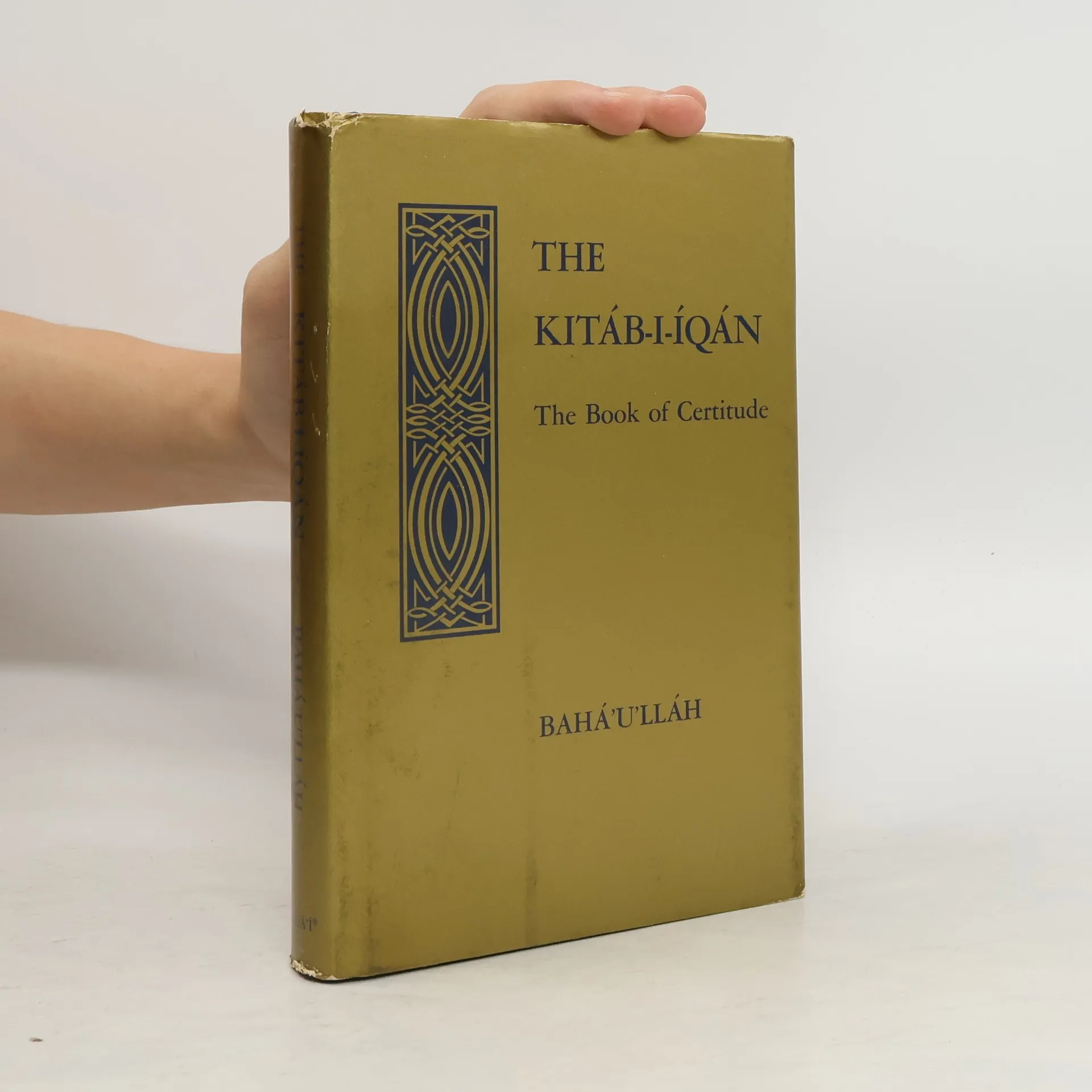
The Book of Certitude, by BahC!'u'llC!h, author of the BahC!'C- Revelation, is arguably one of the most important scriptural works in all of religious history. In it Baha'u'llah explains the underlying unity of the world's religions, describes the universality of the revelations humankind has received from the Prophets of God, explains their fundamental teachings, and elucidates allegorical passages from the New Testament and the Qur'C!n that have given rise to misunderstandings among religious leaders, practitioners, and the public. Written in the span of two days and two nights, The Book of Certitude is, in the words of its translator, Shoghi Effendi, the most important book written on the spiritual significance of the BahC!'C- Faith.
Bahá\'u\'lláh Livres
Bahá'u'lláh, issu d'une distinguée famille perse, renonça aux avantages du monde pour être connu de sa générosité et de sa gentillesse. Malgré les persécutions et l'exil après avoir annoncé son soutien au message du Báb, ses enseignements sur l'unification de l'humanité et la civilisation mondiale se sont répandus malgré ces épreuves. Ses écrits, en particulier les lettres aux dirigeants de son époque, sont des documents remarquables proclamant la paix universelle. Son message a inspiré la formation d'une communauté mondiale, son sanctuaire en Terre Sainte en étant aujourd'hui le point focal.


Prayers and Meditations
- 270pages
- 10 heures de lecture
Originally published over a century ago, this classical work of prayers and meditations has been preserved and republished by Alpha Editions for contemporary readers. The book has been reformatted, retyped, and designed to ensure clarity and readability, moving away from scanned copies of the original. Its enduring significance throughout human history is highlighted, making it accessible for both present and future generations.
The Seven Valleys and the Four Valleys
- 52pages
- 2 heures de lecture
Exploring profound themes in philosophy, psychology, and religion, this classic work delves into the spiritual journeys and teachings of various belief systems, including Islam and Bahaism. The modern republication ensures clarity and readability, preserving its significance for contemporary readers. This volume serves as a vital resource for those interested in the intersection of spirituality and human thought, making it a noteworthy addition to the discourse on new beliefs and theosophy.
Gleanings from the Writings of Bahá'u'lláh is a compilation of selected tablets and extracts from tablets by Bahá'u'lláh, the founder of the Bahá'í Faith. Shoghi Effendi, head of the Bahá'í Faith from 1921 to 1957, made the selection and performed the translation, which was first published 1935. The work consists of "a selection of the most characteristic and hitherto unpublished passages includes from the outstanding works of the Author of the Bahá'í Revelation," according to Shoghi Effendi.[1] The passages come from the whole range of Bahá'u'lláh's writings, dated from about 1853 to 1892.

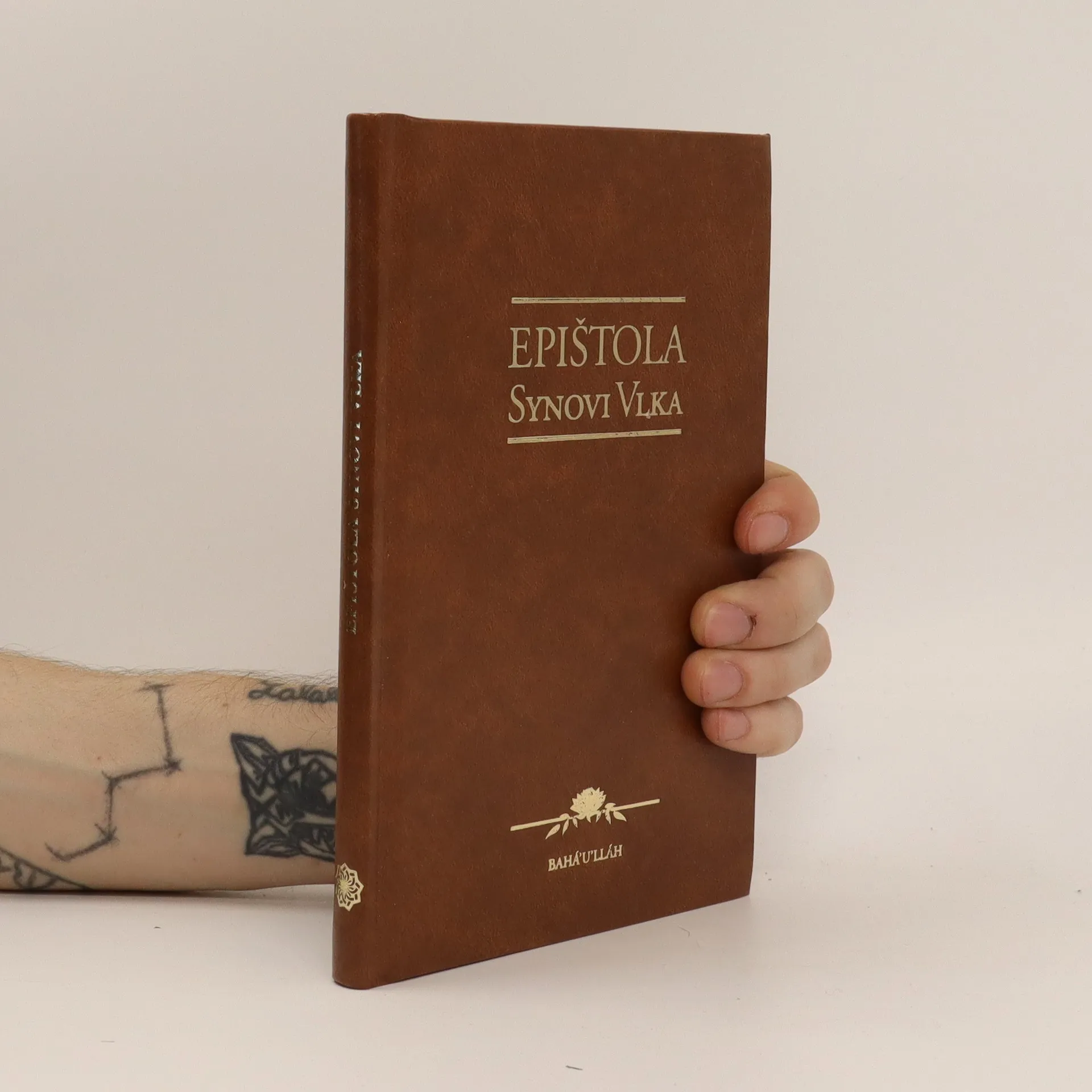
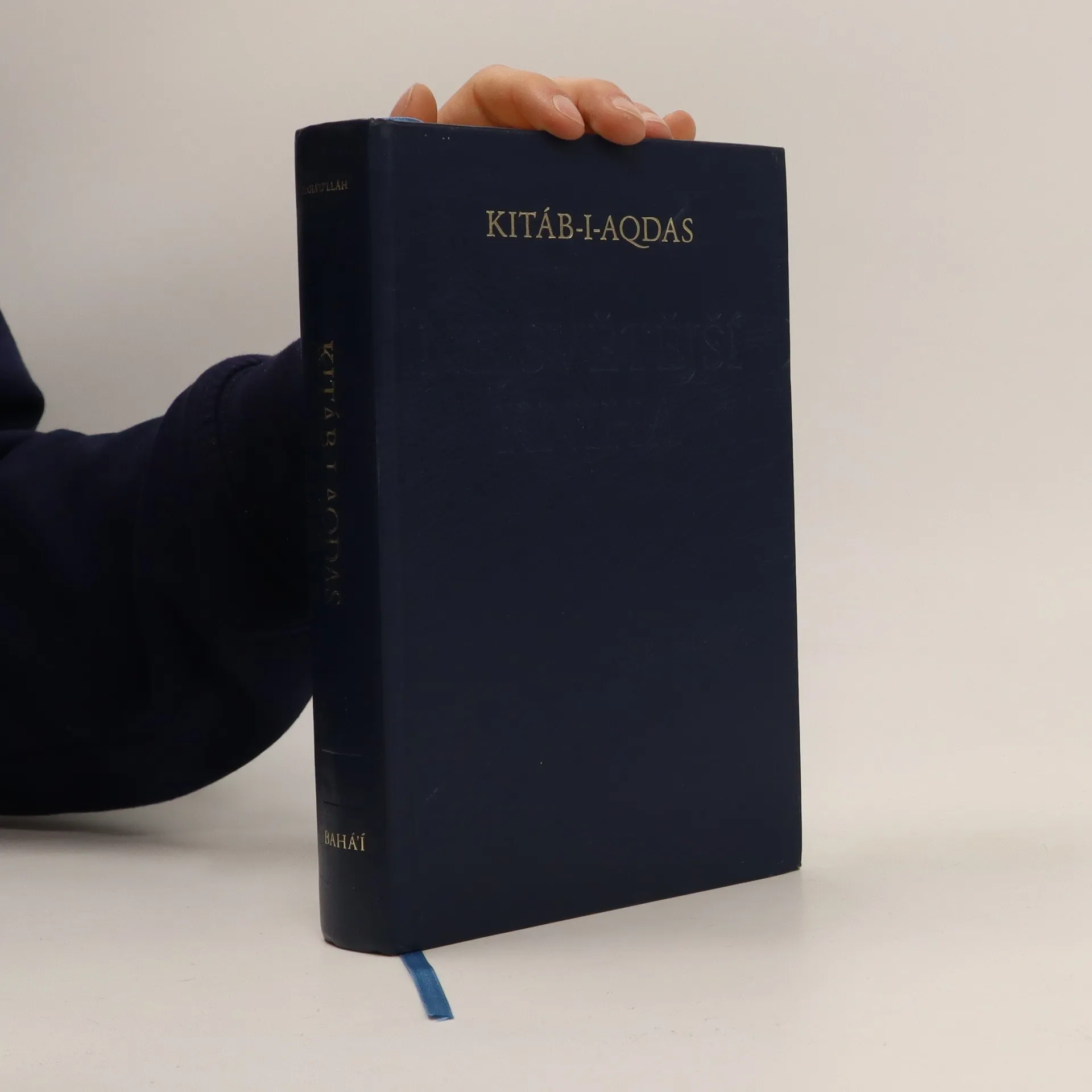
Nejsvětější kniha. Kitáb-i-Aqdas
- 304pages
- 11 heures de lecture
Jedná se o nejdůležitější spis Bahá’u’lláha, Zakladatele nejmladšího monoteistického světového náboženství – Bahá’í Víry. Z rozsáhlého souboru Bahá’í Písma je právě tato Kniha tou nejvýznamnější a lze ji právem považovat za nejskvělejší plod Bahá’u’lláhovy mysli.Bahá’í věřící považují Bahá’u’lláhovy spisy za Slovo Boží, podobně jako jím je Tóra pro židy, Bible pro křesťany či Korán pro muslimy.Bahá’u’lláh napsal tuto Knihu vlastní rukou v arabštině kolem roku 1873 v době Svého vyhnanství v ‘Akká ve Svaté zemi. Kniha obsahuje základní zákony, přikázání a zásady Bahá’í Víry. Představuje Chartu Bahá’u’lláhova nového Světového řádu a Chartu budoucí světové civilizace. Zavádí nezbytné instituce, jejichž prostřednictvím lze zabezpečit jednotu, integritu a trvalý rozvoj Bahá’í Víry.Kromě hlavního textu této Svaté Knihy v ní lze například nalézt Bahá’u’lláhovy doplňkové texty k této Knize, obsáhlé vysvětlivky k jednotlivým pasážím Kitáb-i-Aqdas, systematický přehled zákonů a nařízení dané Knihy, popis jejího obsahu a významu z pera Shoghi Effendiho a úvod od Světového domu spravedlnosti.
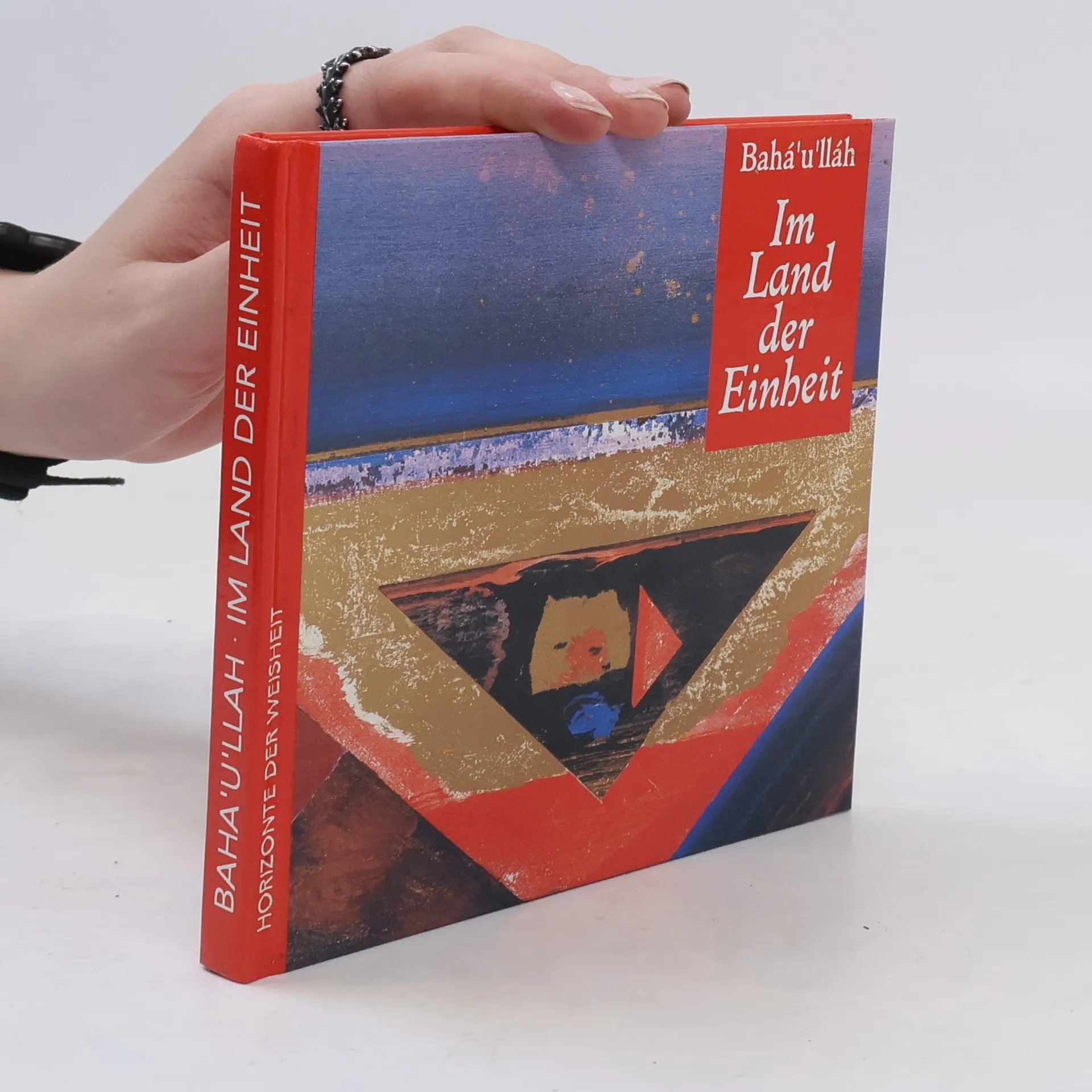
Die in der Ährenlese vorgelegten Texte sind ein Querschnitt durch das umfangreiche Offenbarungswerk Bahá'u'lláhs und bieten einen Überblick über die zentralen Lehrgehalte der Bahá'í-Offenbarung. Der Inhalt des Buches lässt sich in fünf Teile gliedern: Nach einem einleitenden Kapitel über die Transzendenz und Erhabenheit Gottes deutet der erste Teil unsere Gegenwart als den verheißenen Tag Gottes. Im Zentrum des zweiten Teils steht die Gottesoffenbarung: Begriff und Wesen der Offenbarung, Stufe und Funktion des Offenbarers, der Manifestation Gottes, Gottesbild und Gotteserkenntnis. Der dritte und vierte Teil behandeln Gegenstände wie Verstand, Seele, die Segnungen des Glaubens, das Leben nach dem Tode, die Unsterblichkeit. Die Schöpferkraft des göttlichen Wortes, die Wandlung des Menschen durch den Einfluss der Offenbarung, weitere Aspekte des Menschenbildes sowie metaphysische Fragen, Einheit der Menschheit als Gestaltungsauftrag und heilsgeschichtliches Ziel der Offenbarung Bahá'u'lláhs und die Verkündigung an die Herrscher Seiner Zeit und der programmatische Gedanke des Geringeren und des Größten Friedens. Der fünfte Teil ist der Ethik und dem letzten Sinn des Lebens gewidmet.