Dean Karlan est professeur d'économie à l'Université de Yale, spécialisé en économie comportementale et son application à la réduction de la pauvreté. Ses travaux explorent comment les facteurs psychologiques influencent les décisions économiques et comment ces perspectives peuvent être utilisées pour concevoir des politiques et des interventions plus efficaces. La recherche de Karlan met l'accent sur les preuves empiriques et les expériences sur le terrain visant à comprendre et à aborder les défis de la pauvreté mondiale.
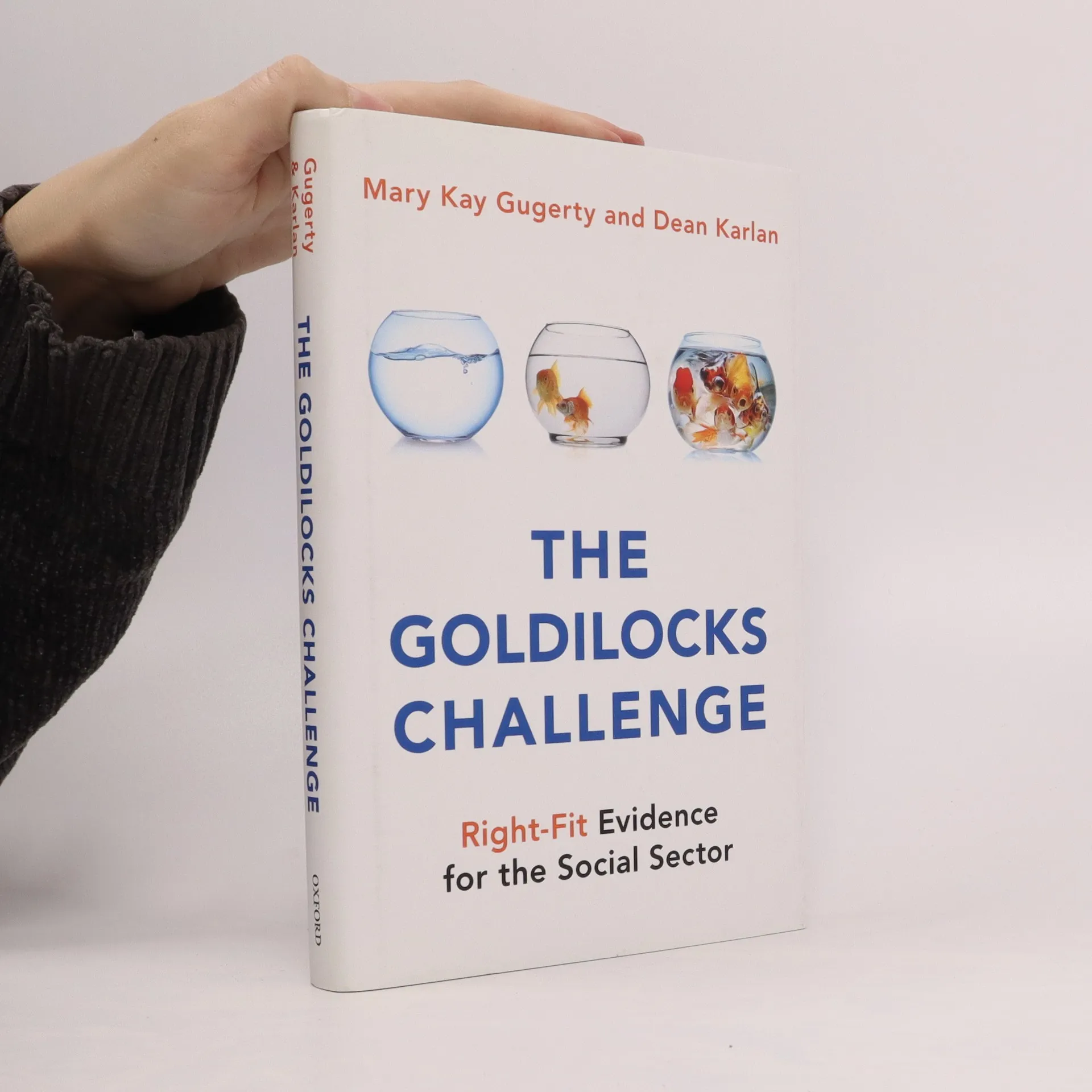
The recent push for impact measurement has been positive, but it has also led to wasted resources and often misleading data about what works. In The Goldilocks Challenge, Mary Kay Gugerty and Dean Karlan put forth four key principles to guide organizations of all sizes to create strong, "right-fit" data collection systems.
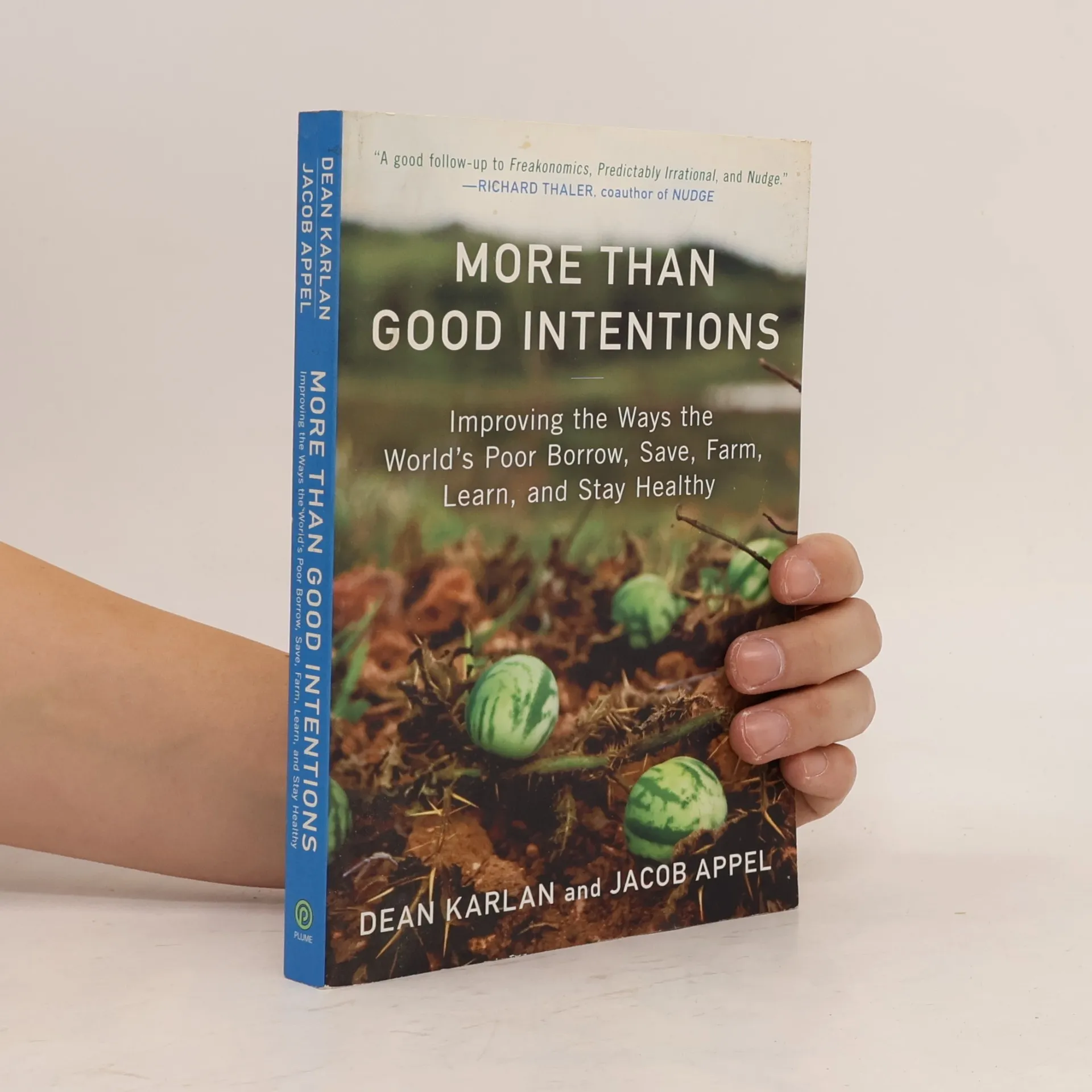
Improving the Ways the World's Poor Borrow, Save, Farm, Learn, and Stay Healthy
320pages
12 heures de lecture
A revolutionary approach to poverty that takes human irrationality into account-and unlocks the mystery of making philanthropic spending really work. American individuals and institutions spent billions of dollars to ease global poverty and accomplished almost nothing. At last we have a realistic way forward. Presenting innovative and successful development interventions around the globe, Dean Karlan and Jacob Appel show how empirical analysis coupled with the latest thinking in behavioral economics can make a profound difference. From Kenya, where teenagers reduced their risk of contracting AIDS by having more unprotected sex with partners their own age, to Mexico, where giving kids a one-dollar deworming pill boosted school attendance better than paying their families to send them, More Than Good Intentions reveals how to invest those billions far more effectively and begin transforming the well-being of the world.