

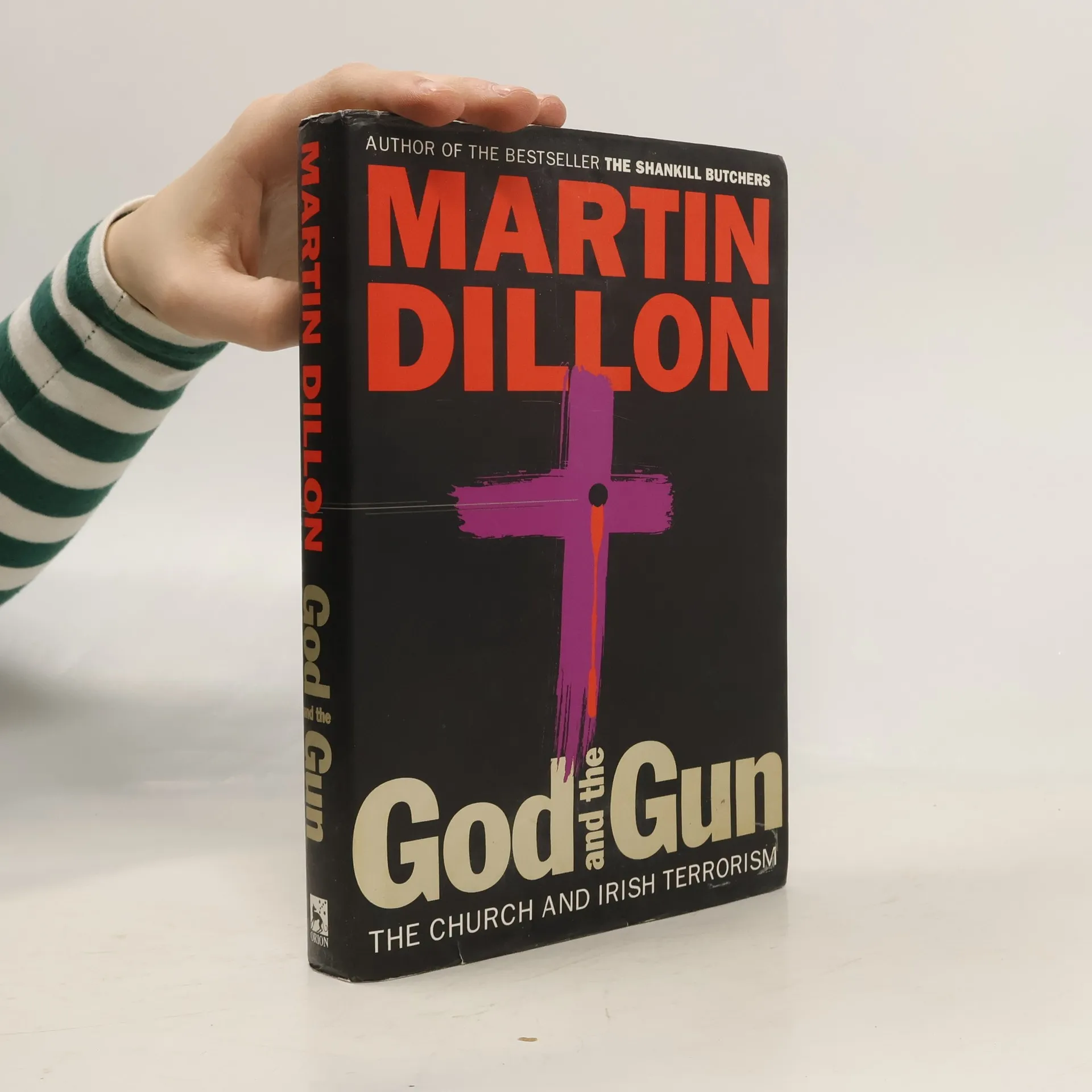
This book is the first of its kind to examine the role of religion in Northern Ireland by talking directly to those involved: to the churchmen and to the terrorists. It shows how religious conditioning and history lead inexorably to political violence. It asks Roman Catholic and Protestant paramilitaries how they can reconcile murder with their Christian convictions, and what the men of God should - or could - do to stop the killing. Martin Dillon talks to Billy Wright, loyalist hard man, whose murder in MAZE Prison on December 27, 1997 threatens the peace process; to Kenny McClinton, a convicted murderer who once advocated beheading Roman Catholics and impaling their heads on railings; to motherly Eileen, a leading member of the women's arm of the IRA; and to Father Pat Buckley - prepared to break the confessional seal to save a Unionist MP under threat of assassination but also to smuggle a Republican prisoner's wife across the Irish border.
Martin Dillon Livres
Martin Dillon est un auteur de renommée internationale dont les œuvres d'investigation plongent au cœur du conflit irlandais. Son écriture est saluée pour sa capacité unique à combiner une recherche historique rigoureuse avec un récit de type thriller, offrant aux lecteurs des récits captivants et compatissants de la terreur et de l'horreur de la récente histoire de l'Irlande du Nord. Dillon est considéré comme l'une des voix les plus importantes sur le conflit, et ses livres sont jugés essentiels pour la compréhension de cette période turbulente.


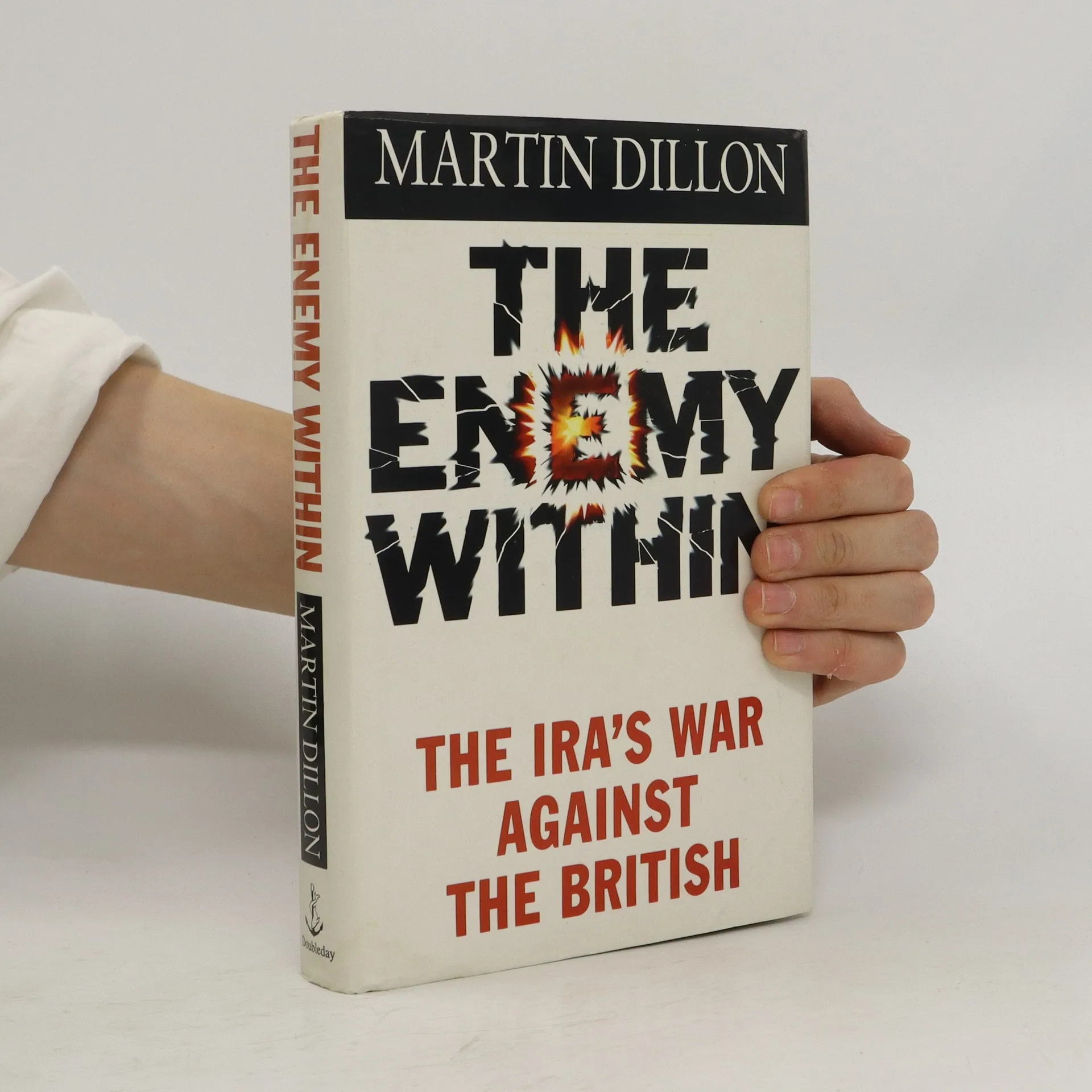
Martin Dillon, a Belfast journalist regarded as an authority on Irish terrorism, presents material on the IRA's "England department" - how it has functioned and what its objectives are. He also provides evidence of political and military mistakes which he argues have made British cities the most vulnerable in Europe to terrorist attack. He explains why he believes that the various government agencies combating the IRA have failed to eradicate the threat, and describes the intrigue which led to MI5 taking responsibility for co-ordinating the war against the Provos. Dillon's other books include "The Shankill Butchers" and "The Dirty War".
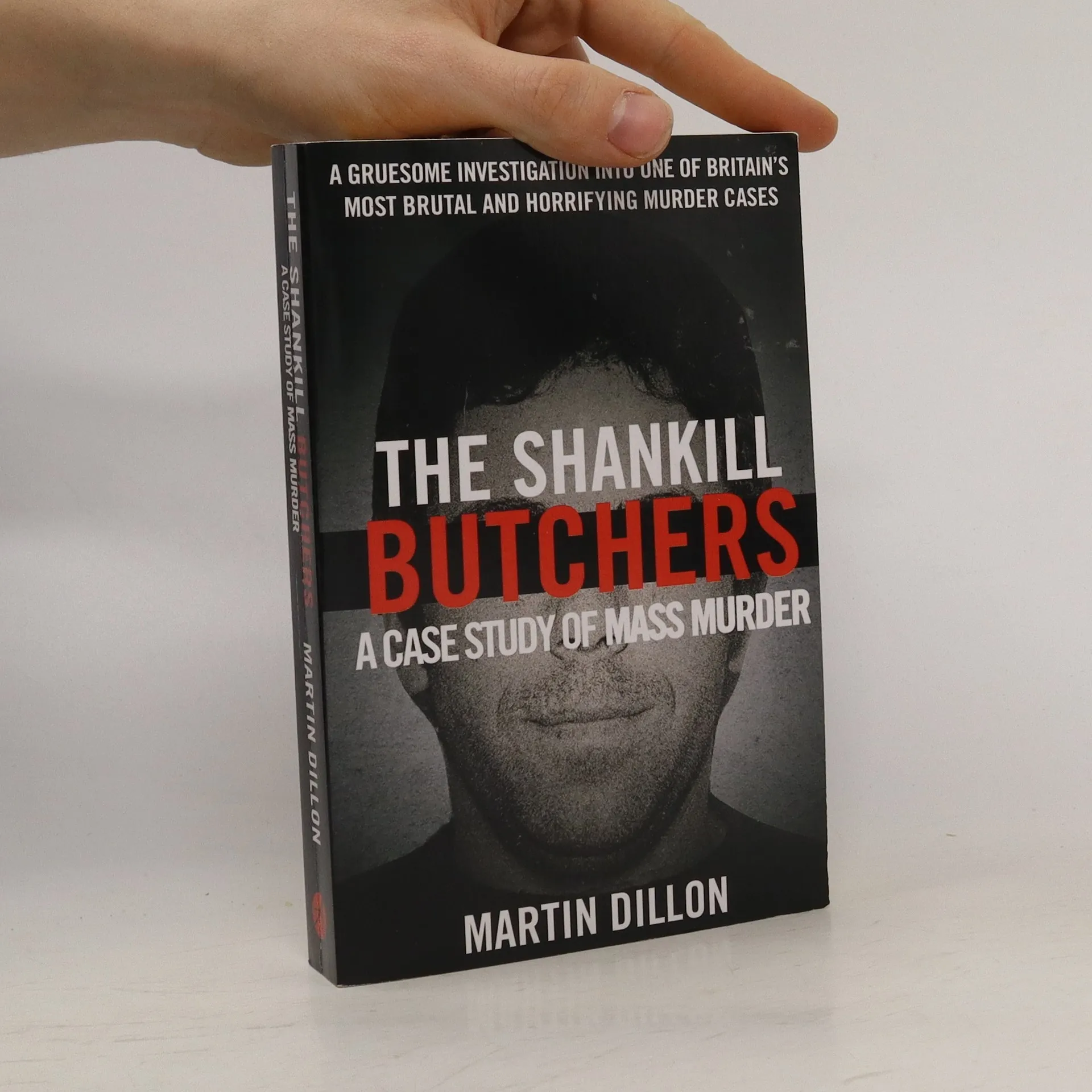
The Shankill Butchers
- 338pages
- 12 heures de lecture
This book retells the story of a series of murders by the Ulster Volunteer Force in Northern Ireland in the 70s. When convicted, the killers received over 2000 years in jail, the longest sentences ever given in a single trial in British legal history.
The Trigger Men
- 336pages
- 12 heures de lecture
In The Trigger Men, bestselling author Martin Dillon delves into the dark and sinister world of Irish terrorism and counter-terrorism.
En este relato, Gordon Thomas y Martin Dillon revelan el complot secreto para asesinar a uno de los empresarios más poderosos del mundo. Esta es la historia de la ejecución de Robert Maxwell: la motivación, la planificación y los eventos de aquella fría noche en el mar cuando encontró su destino.