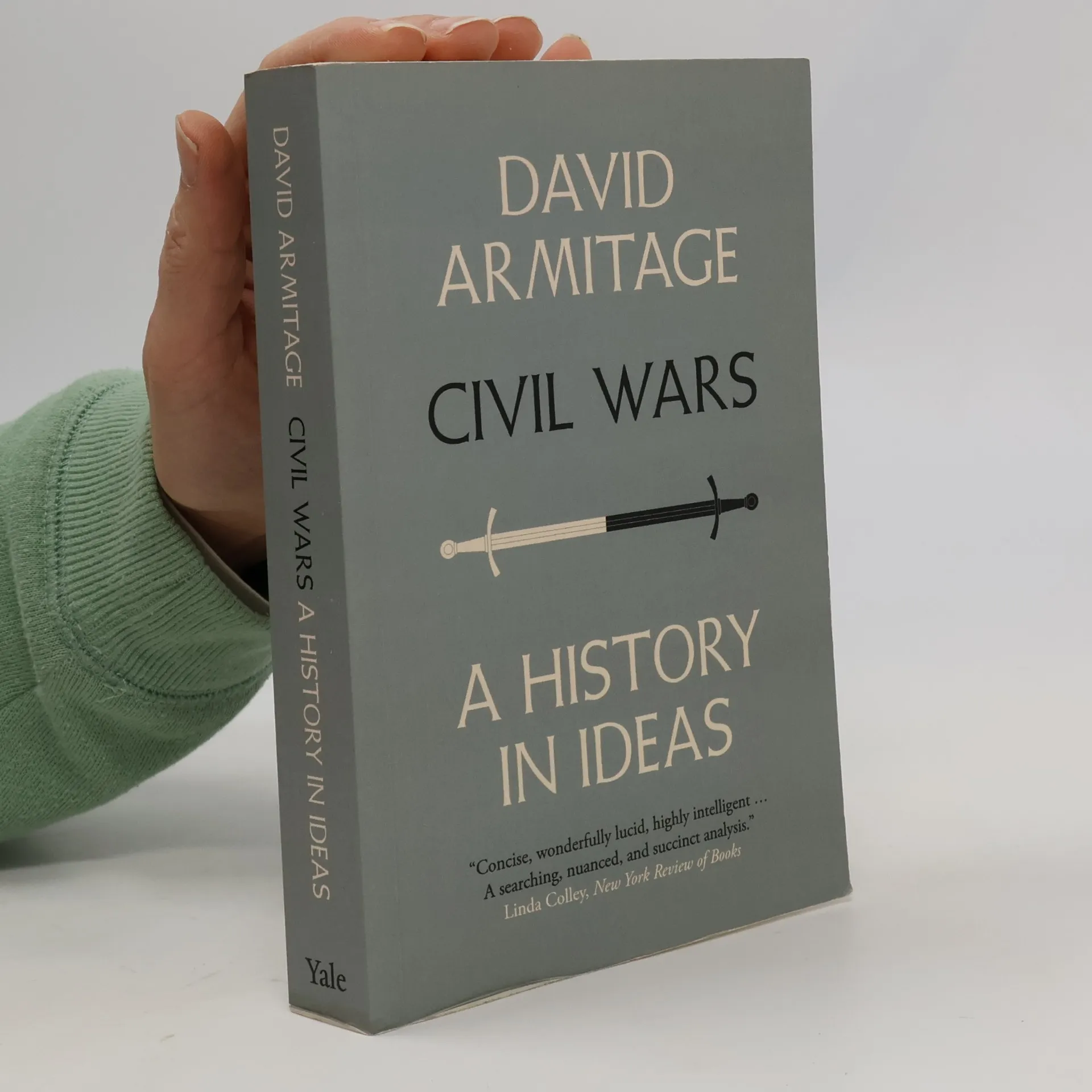
David Armitage est un historien anglais reconnu pour ses contributions significatives à l'histoire internationale et intellectuelle. Son travail explore les concepts fondamentaux qui façonnent la pensée mondiale et les relations internationales. Fort d'une compréhension profonde des processus historiques, Armitage offre des perspectives éclairées sur l'évolution des idées et des structures politiques au fil du temps.
A fancy dress party is being held to celebrate the lighthouse's 200th
birthday, and the Grinlings are determined to dress up as pirates. But when a
real crew of pirates appear, the Grinlings get a big surprise! Are the scurvy
pirates all they seem - or is something fishy going on?
Every day, Mr Grinling the lighthouse keeper cleans & polishes his light to make sure it shines brightly at night. At lunchtime he tucks into a delicious lunch, prepared by his wife. But Mr Grinling isn't the only one who enjoys it. Can Mrs Grinling stop the greedy seagulls stealing the lighthouse keeper's lunch?
Mr Grinling loves to eat, and Mrs Grinling is the best cook in the whole
world. She puts on a truly scrumptious spread for the village picnic, but
later Mr Grinling wishes he hadn't eaten quite so much...
This text was the first edited collection on the burgeoning history of the
early modern Atlantic world and has had a huge impact on the many fields of
Atlantic Studies. This second edition features two new essays on science and
global history respectively, as well as a revised Introduction and updated
guides to further reading.
Exploring British views on empire from the 1540s to the 1740s, this book delves into the evolution of imperial thought and its impact on society. It examines key events, figures, and ideologies that shaped Britain's colonial ambitions and interactions with other cultures. Through a thorough analysis, it highlights the complexities of British imperialism and offers insights into how these historical perceptions continue to influence contemporary discussions on empire and identity.
A seemingly ordinary cornflake takes center stage in this whimsical tale, revealing its extraordinary journey and significance. Through a blend of humor and imagination, the story explores themes of uniqueness and the hidden magic in everyday objects. The narrative invites readers to see the world through a different lens, celebrating the charm found in the mundane and encouraging a sense of wonder.
A highly original history, tracing the least understood and most intractable form of organized human aggression from Ancient Rome through the centuries to the present day. We think we know civil war when we see it. Yet ideas of what it is, and what it isn't, have a long and contested history, from its fraught origins in republican Rome to debates in early modern Europe to our present day. Defining the term is acutely political, for ideas about what makes a war "civil" often depend on whether one is a ruler or a rebel, victor or vanquished, sufferer or outsider. Calling a conflict a civil war can shape its outcome by determining whether outside powers choose to get involved or stand aside: from the American Revolution to the war in Iraq, pivotal decisions have depended on such shifts of perspective. The age of civil war in the West may be over, but elsewhere in the last two decades it has exploded--from the Balkans to Rwanda, Burundi, Somalia, and Sri Lanka, and most recently Syria. And the language of civil war has burgeoned as democratic politics has become more violently fought. This book's unique perspective on the roots and dynamics of civil war, and on its shaping force in our conflict-ridden world, will be essential to the ongoing effort to grapple with this seemingly interminable problem.