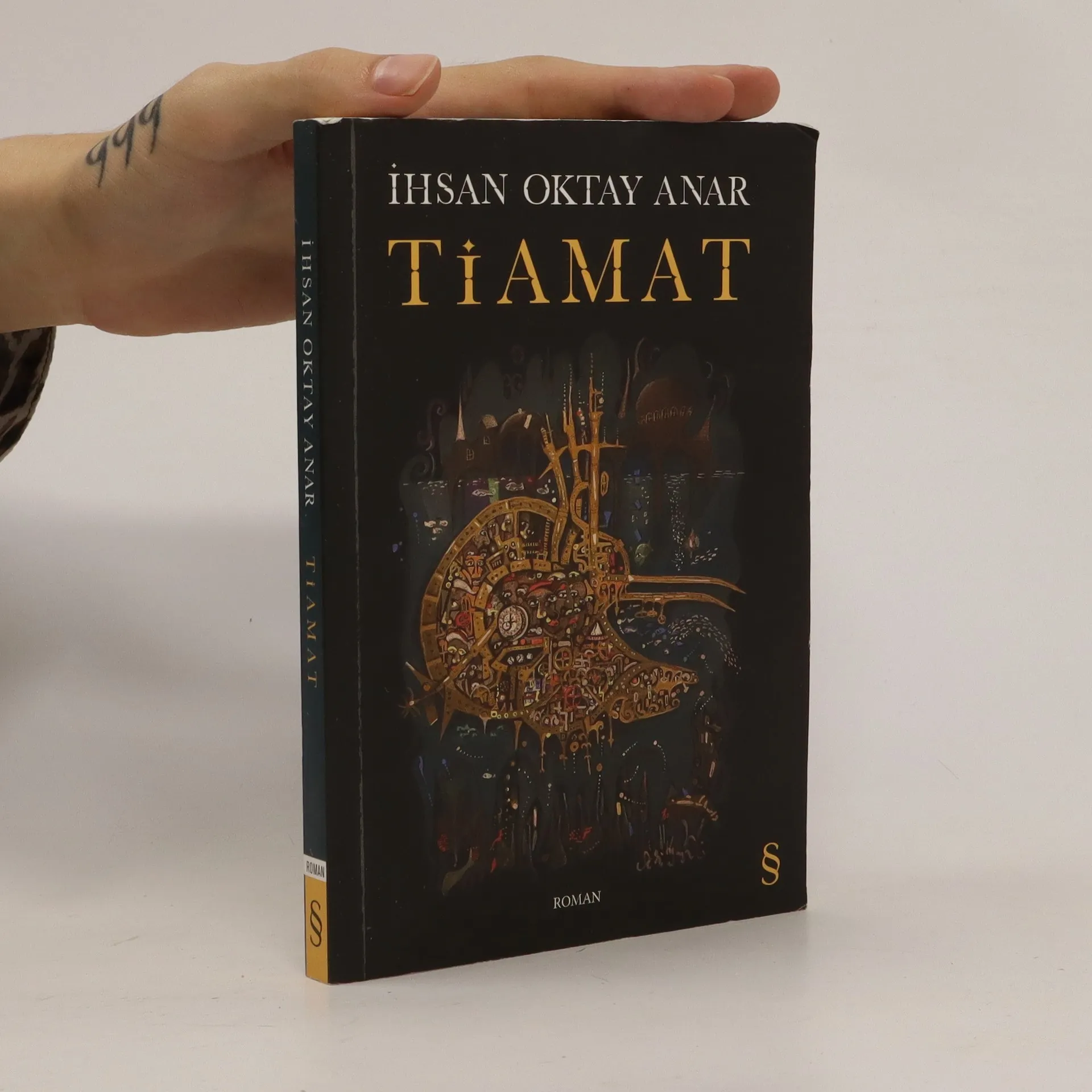
Tiamat
- 160pages
- 6 heures de lecture


Cet auteur turc plonge dans les profondeurs de la philosophie, explorant les liens complexes entre histoire et fiction. Ses œuvres, méticuleusement recherchées et denses en informations, tissent de grands récits à partir de nombreuses petites histoires. Stylistiquement, sa prose est riche en allusions, cultivant un lecteur empirique à la fois éduqué et engagé par le texte. Ce faisant, l'auteur crée sa propre audience avertie.

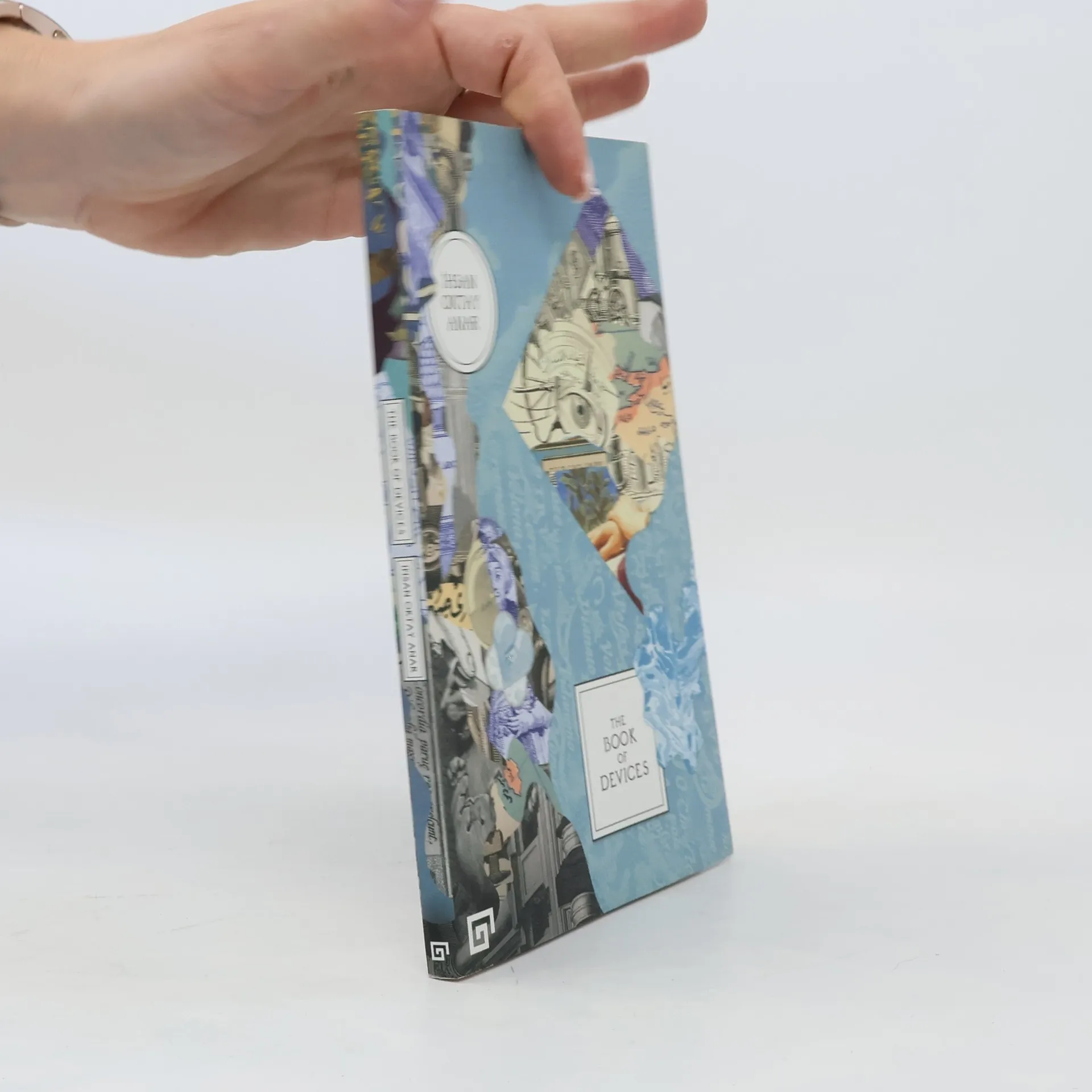
"He had sought to be the agent of all forces and actions on the Earth, and thus, just as he had transformed iron ingot into a music box, so had he strived to transform the Earth and all it contained into a machine." Ihsan Oktay Anar's 1996 novella, "The Book of Devices," is a skeleton key to the ever-inventive author's fictional world set in the Ottoman times. Here are the wonderful histories of the triumphs and tribulations of three Ottoman inventors, "as reported by the narrators of events and relators of traditions." By turns humorous and touching, these interlinked stories are nutshells of vividly imagined past. While we follow Yafes Chelebi and his two successors in their search for the secret of the perpetual motion, the crumbling empire undergoes drastic changes in the background and the city of their dreams, Istanbul, witnesses coup d''tats, Westernizing reforms, and the advent of technological innovation. Written in a unique idiom that is both a tender mimicry and witty parody of the Ottoman bureaucratic prose, The Book of Devices is Anar at his imaginative best. One cannot help but wonder how a twenty-first-century author can dwell in the past with such ease and come back to the present, as in a Borgesian parable, with a cabinet of dreamy curiosities.
Kıyıda ise üç direkli, iki güverteli ve 58 toplu bir kalyon, o karanlıkta usturmaçalarını puta edip iskeleye palamar vermişti. Yelkenlerin sarılı olduğu serenler hisa edilmiş ve tez zamanda yola çıkacağını ilân için mizana direğine mavi bayrak çekilmişti. Esrarengiz adam, kalabalığı yarıp elinden tuttuğu İsrâfil'le iskeleden gemiye doğru yürümeye başladı. Kalyonun dikmesinin palangalarına asılan ve tıraka tutan gemicilere vardiyan, "Yisa, sizi gidi sütü bozuk sünepeler! Yisa beraber! Varda ruhsuzlar! Varda! Bre aman! Laşka! Laşka!" diye feryat ediyor ve hurçların, sandıkların ve fıçıların ambarlara usûlünce istifine nezaret ediyordu. Güneşin doğmasına 7 saat kala esrarengiz adam, sürme iskeleden kalyonun çukur güvertesine çıkmak istedi. Fakat eline ne kadar asılırsa asılsın Eşek İsrâfil yerinden bir türlü kımıldamıyordu. O karanlıkta eline son bir kez daha asılıp "Gel yâ mübarek!" diye nida eyledi. Bunun üzerine çocuk her nedense inat etmekten vazgeçti. Ne var ki, sürme iskelenin kayganlığından dolayı düşmemek için midir, İsrâfil'in kuşağına 40-50 yaşlarında, iri yapılı, sırma işlemeli siyah kaput giymiş biri yapışmıştı. İşte bu adam kuşağı bırakıp küpeşteye tutundu ve güverteye ayak bastı. Bunun ilâhî düzenin bozulması demek olduğunu hiç kimse bilmeyecekti.
Yeniçeriler kapıyı zorlarken Uzun İhsan Efendi hâlâ malûm konuyu düşünüyor, fakat işin içinden bir türlü çıkamıyordu…“Rendekâr doğru mu söylüyor? Düşünüyorum, öyleyse varım. Oldukça makûl. Fakat bundan tam tersi bir sonuç, varolmadığım, bir düş olduğum sonucu da çıkar: Düşünen bir adamı düşünüyorum. Düşündüğümü bildiğim için, ben varım. Düşündüğünü bildiğim için, düşlediğim bu adamın da varolduğunu biliyorum. Böylece o da benim kadar gerçek oluyor. Bundan sonrası çok daha hüzünlü bir sonuca varıyor. Düşündüğünü düşündüğüm bu adamın beni düşlediğini düşlüyorum. Öylese gerçek olan biri beni düşlüyor. O gerçek, ben ise bir düş oluyorum.”Kapı kırıldığında Uzun İhsan Efendi kitabı kapadı. Az sonra başına geleceklere aldırmadan kafasından şunları geçirdi:“Dünya bir düştür. Evet, dünya... Ah! Evet, dünya bir masaldır.”