Pamela Porter écrit sur la famille et le paysage, se concentrant souvent sur la Saskatchewan. Ses œuvres sont profondément enracinées dans la terre et les expériences de ceux qui l'habitent, explorant les relations complexes entre les personnes et leur environnement. Porter s'intéresse aux thèmes de l'identité, de la mémoire et de l'impact durable de la vie rurale. Son style est connu pour son atmosphère évocatrice et son regard perspicace sur l'expérience humaine.
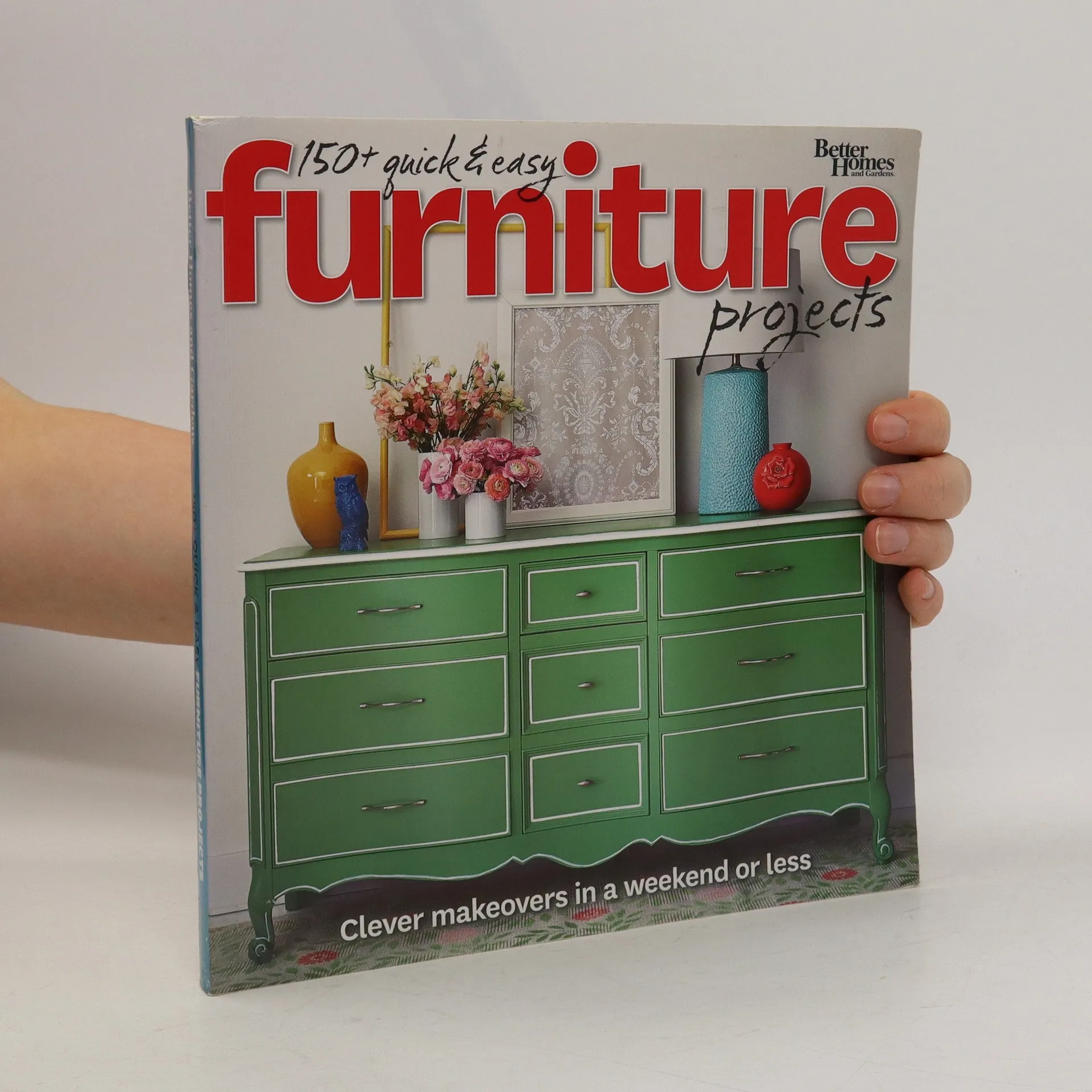
"Featuring more than 150 innovative furniture flips and projects, this is a must-have guide for those looking to save money, live greener, and create unique pieces that showcase individual style. All of the stunning projects can be made in no more than a weekend and with standard tools and skills, so projects are accessible for everyone."--Provided by publisher.
It is 1965, and twelve-year-old Emaline lives on a wheat farm in southern Saskatchewan. Her family has fallen apart. When her beloved dog, Prince, chased a hare into the path of the tractor, she chased after him, and her dad accidentally ran over her leg with the discer, leaving her with a long convalescence and a permanent disability. But perhaps the worst thing from Emaline's point of view is that in his grief and guilt, her father shot Prince and then left Emaline and her mother on their own.Despite the neighbors' disapproval, Emaline's mother hires Angus, a patient from the local mental hospital, to work their fields. Angus is a red-haired giant whom the local kids tease and call the gorilla. Though the small town's prejudice creates a cloud of suspicion around Angus that nearly results in tragedy, in the end he becomes a force for healing as Emaline comes to terms with her injury and the loss of her father.In the tradition of novels such as Kevin Major's Ann and Seamus and Karen Hesse's Out of the Dust, novelist and poet Pamela Porter uses free verse to tell this moving, gritty story that is accessible to a wide range of ages and reading abilities.