Philip N. Howard est un professeur et auteur dont le travail examine de manière critique l'impact profond de la technologie sur la vie politique. Ses analyses perspicaces explorent comment l'ère numérique façonne la démocratie et l'autoritarisme, en examinant les nouveaux défis et opportunités qui se présentent aux systèmes politiques du monde entier. Howard offre aux lecteurs une perspective cruciale pour comprendre la relation complexe entre le progrès technologique et l'avenir de la politique, fournissant un cadre pour naviguer les changements sociétaux contemporains.
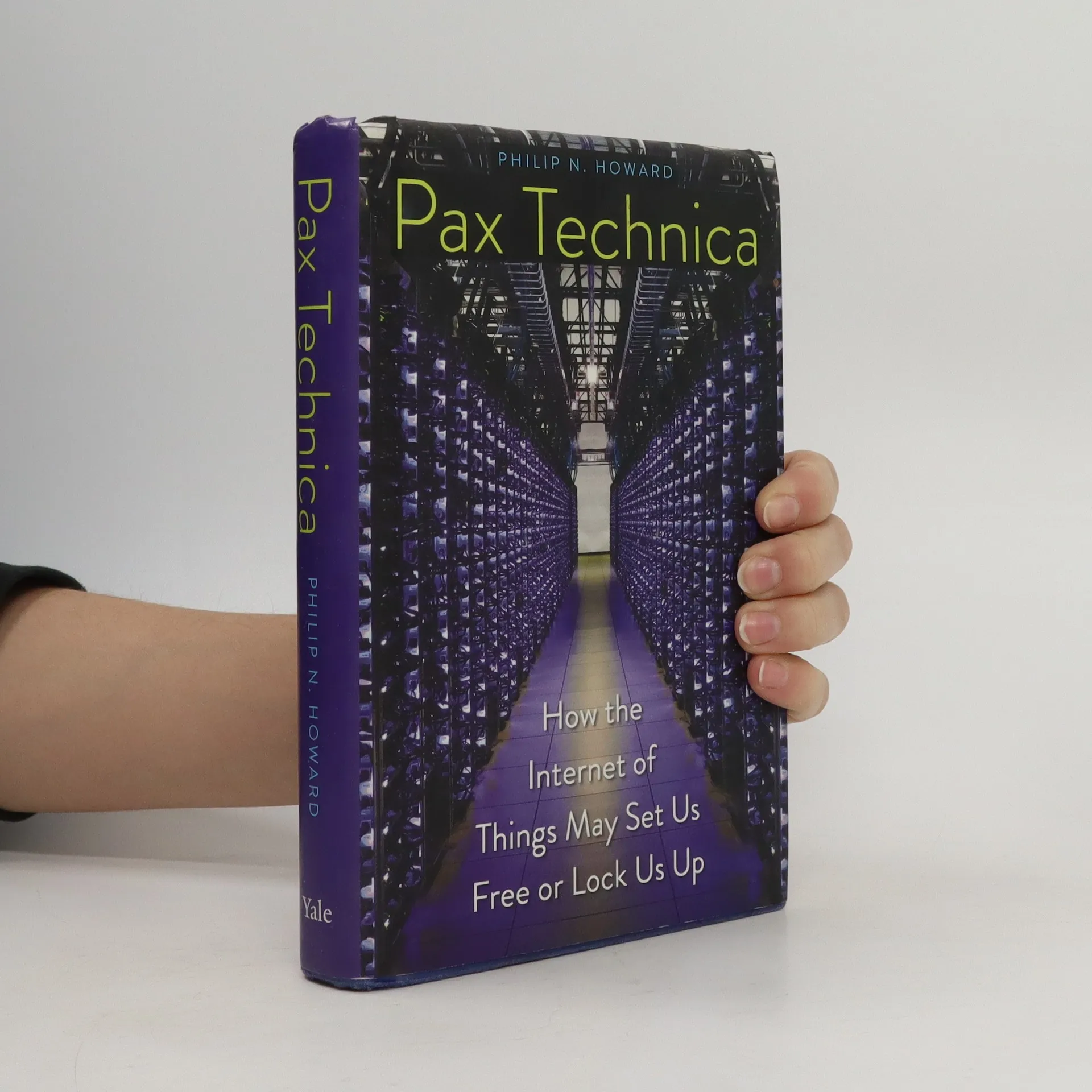
A technology expert describes a possible future, and its repercussions in the area of privacy, social control and political manipulation, of a world where more and more things, like eyeglasses, thermostats and home security systems are reliant on the Internet.
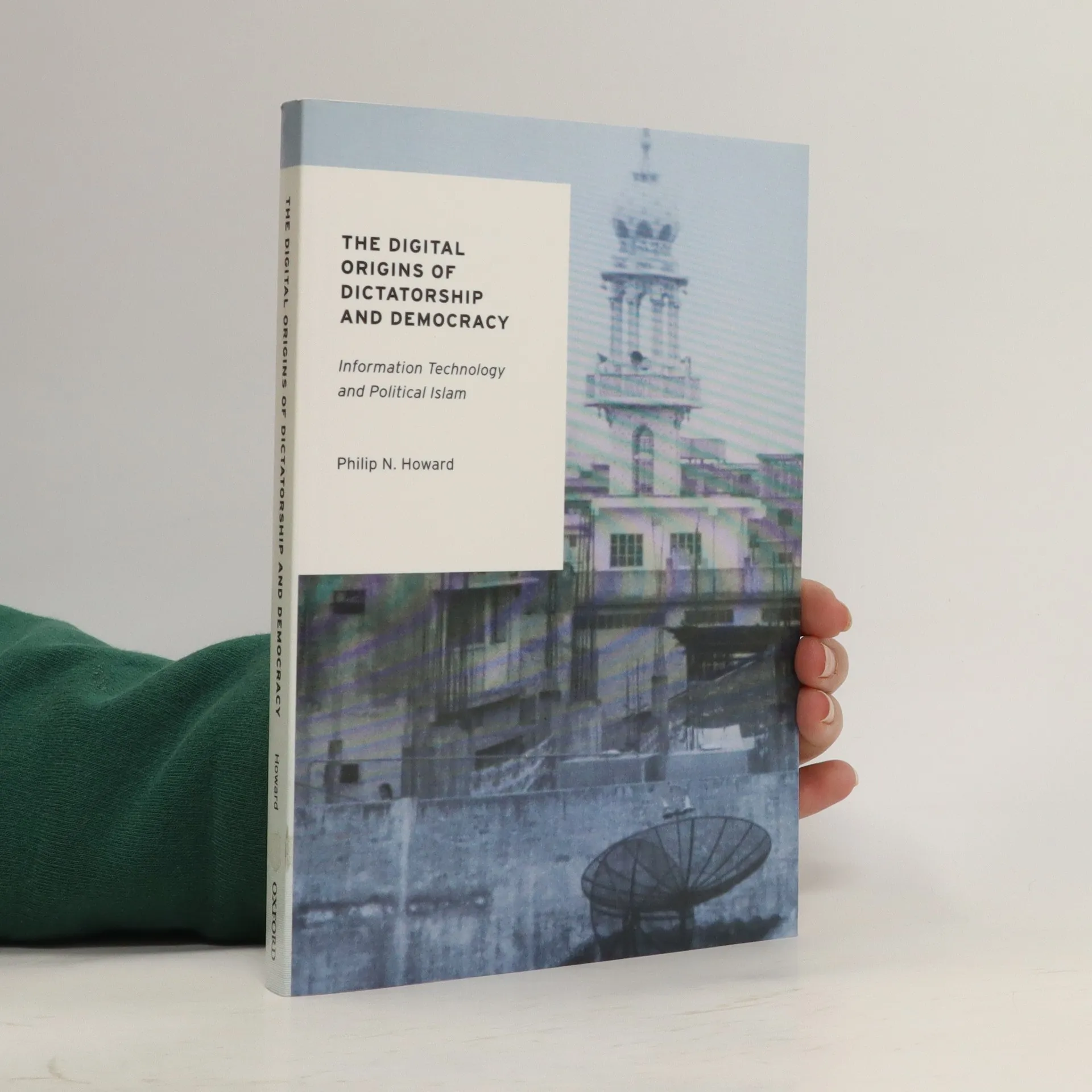
Around the developing world, political leaders face a dilemma : the very information & communication technologies that boost economic fortunes also undermine power structures. This book looks at the role that communications technologies play in advancing democratic transitions in Muslim countries.
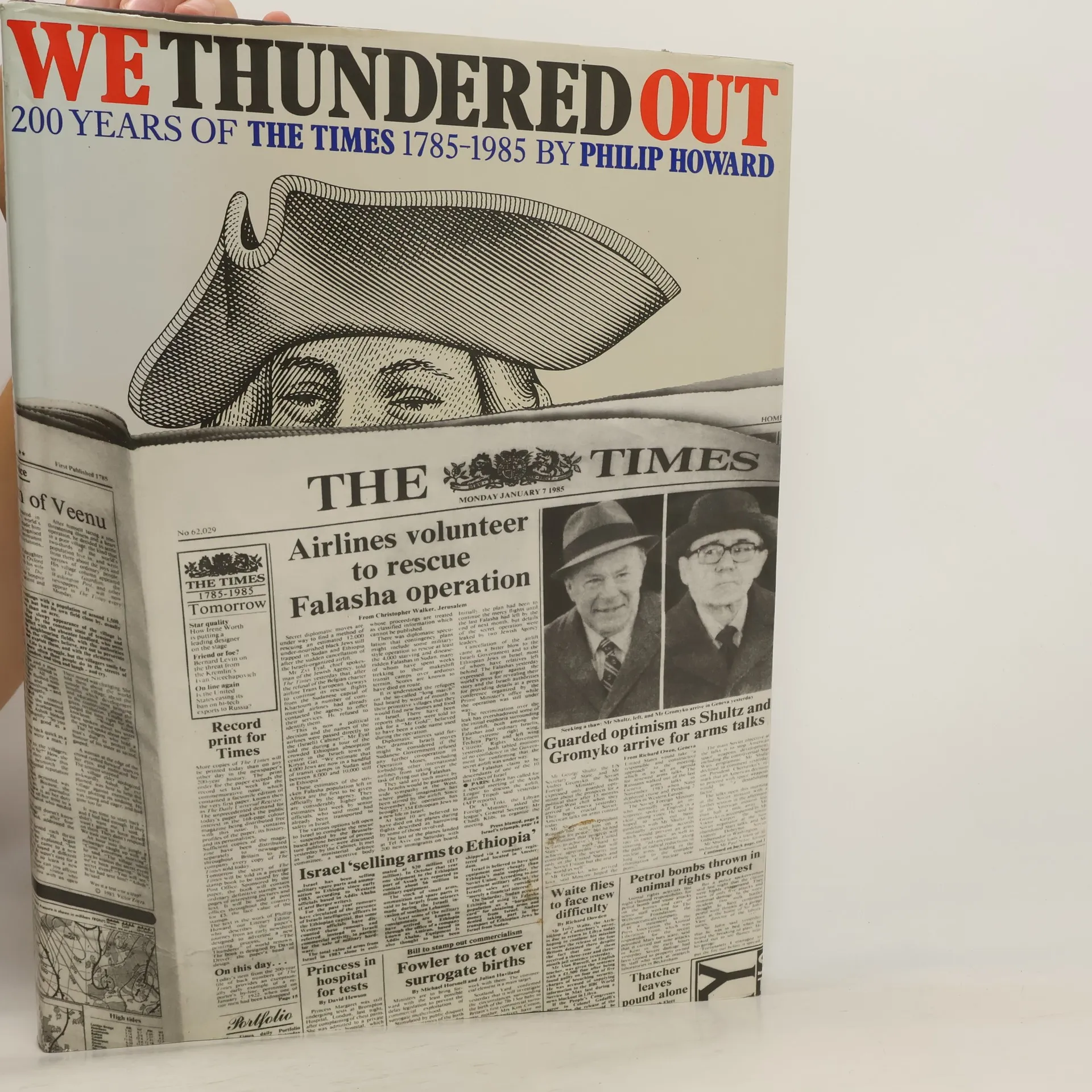
Is the English language in decline? Many believe so, but Philip Howard, Literary Editor of The Times of London, disagrees. He offers a commonsensical perspective on the changes occurring in English, recognizing that while not all changes are beneficial, they are essential and healthy for a living language. Howard explores various aspects of the language, including grammar, pronunciation, spelling, punctuation, dialect, and slang. He analyzes the impact of new technologies, from cable TV to photocomposition, on English and the emergence of new dialects. He navigates the nuances of euphemism and the pitfalls of cliché, questioning whether the language is evolving as rapidly as perceived and the reasons behind it. Howard advocates for directing and controlling changes in English to enhance its power, while also encouraging us to embrace its richness where we cannot. With his characteristic wit and erudition, he urges us to engage with the language thoughtfully, rather than lament its evolution.
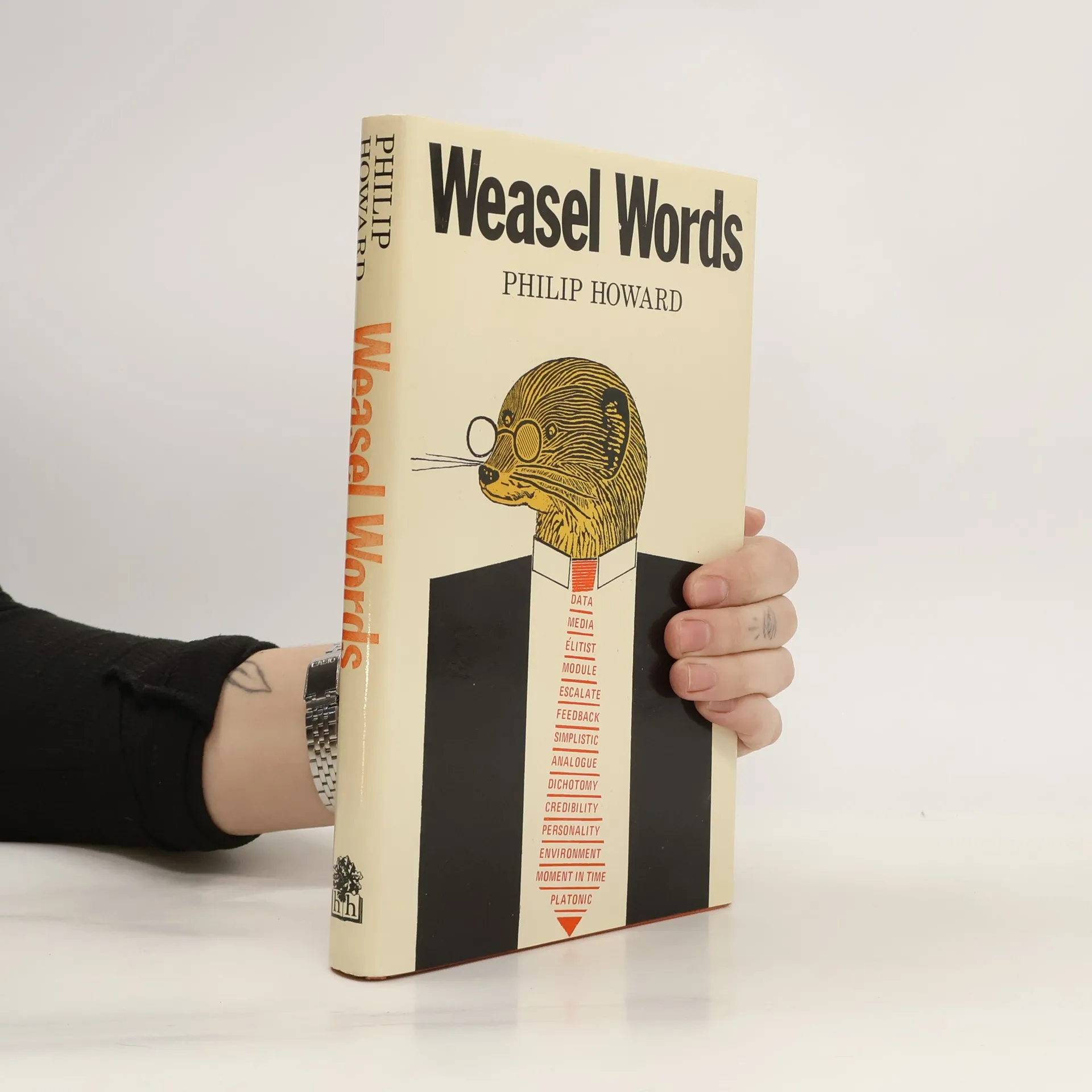
Discussions of forty words that have changed in meaning over the past few decades testify to the continuing resilience of the English language while castigating misuses and abuses