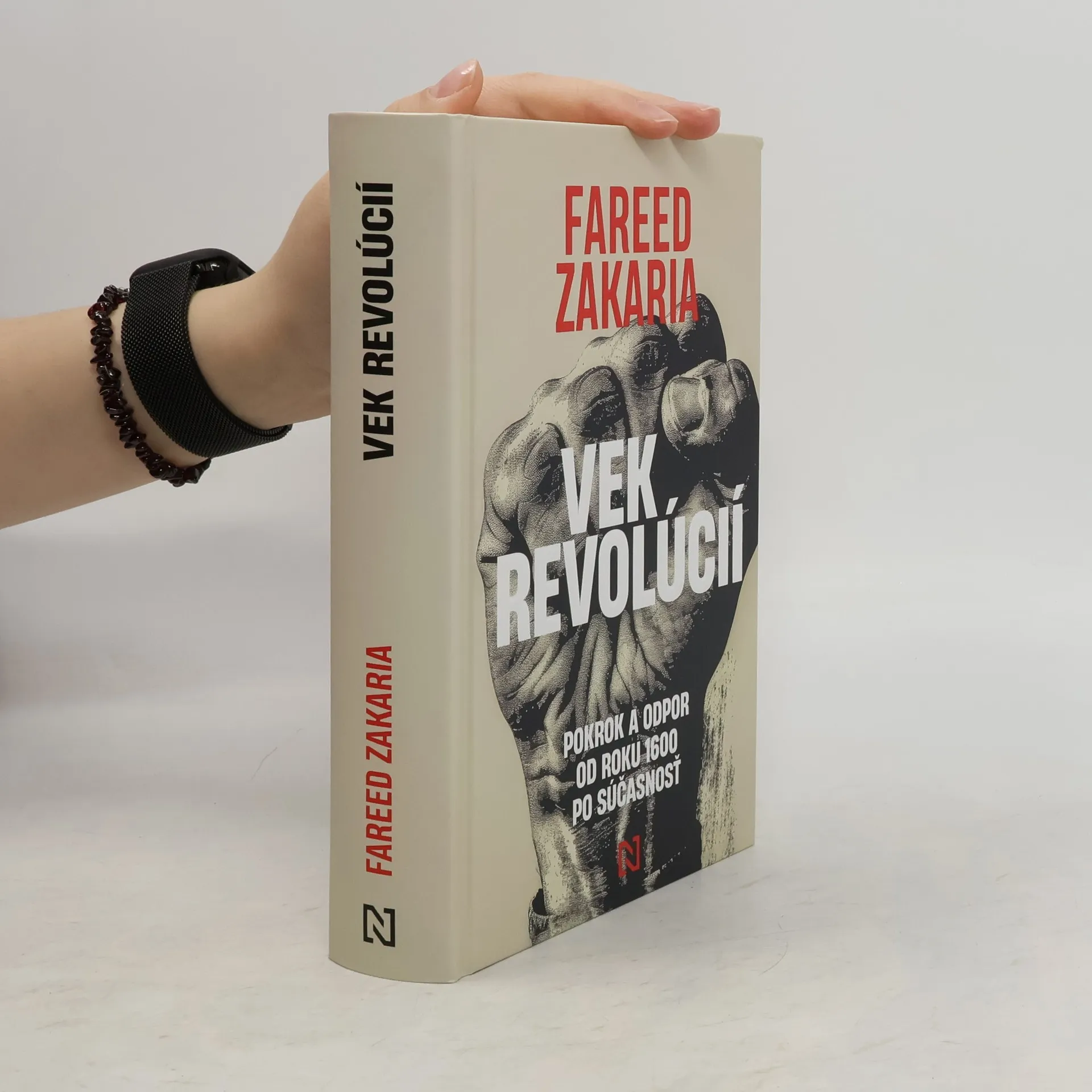
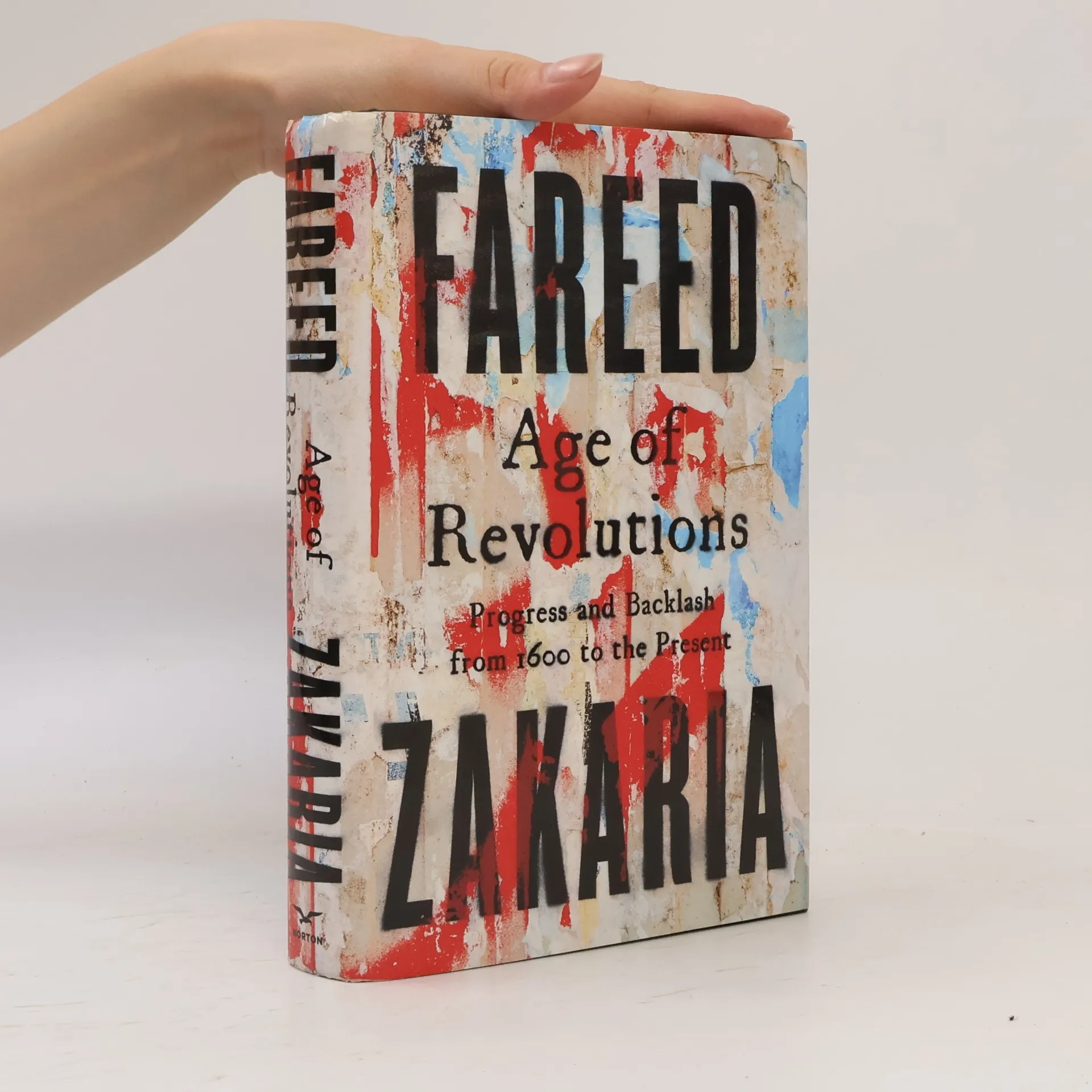
Age of Revolutions
- 399pages
- 14 heures de lecture
The CNN host and best-selling author explores the revolutions--past and present--that define the chaotic, polarized, and unstable age in which we live.


Fareed Zakaria explore les complexités des affaires internationales et des tendances mondiales. Par son écriture perspicace, il examine de manière critique les forces qui façonnent notre monde interconnecté, offrant des analyses approfondies des dynamiques politiques et économiques. Son travail se caractérise par un engagement à comprendre les causes profondes des défis mondiaux et à promouvoir une discussion éclairée. Zakaria cherche à éclairer le paysage complexe de la géopolitique moderne pour un public mondial.

The CNN host and best-selling author explores the revolutions--past and present--that define the chaotic, polarized, and unstable age in which we live.
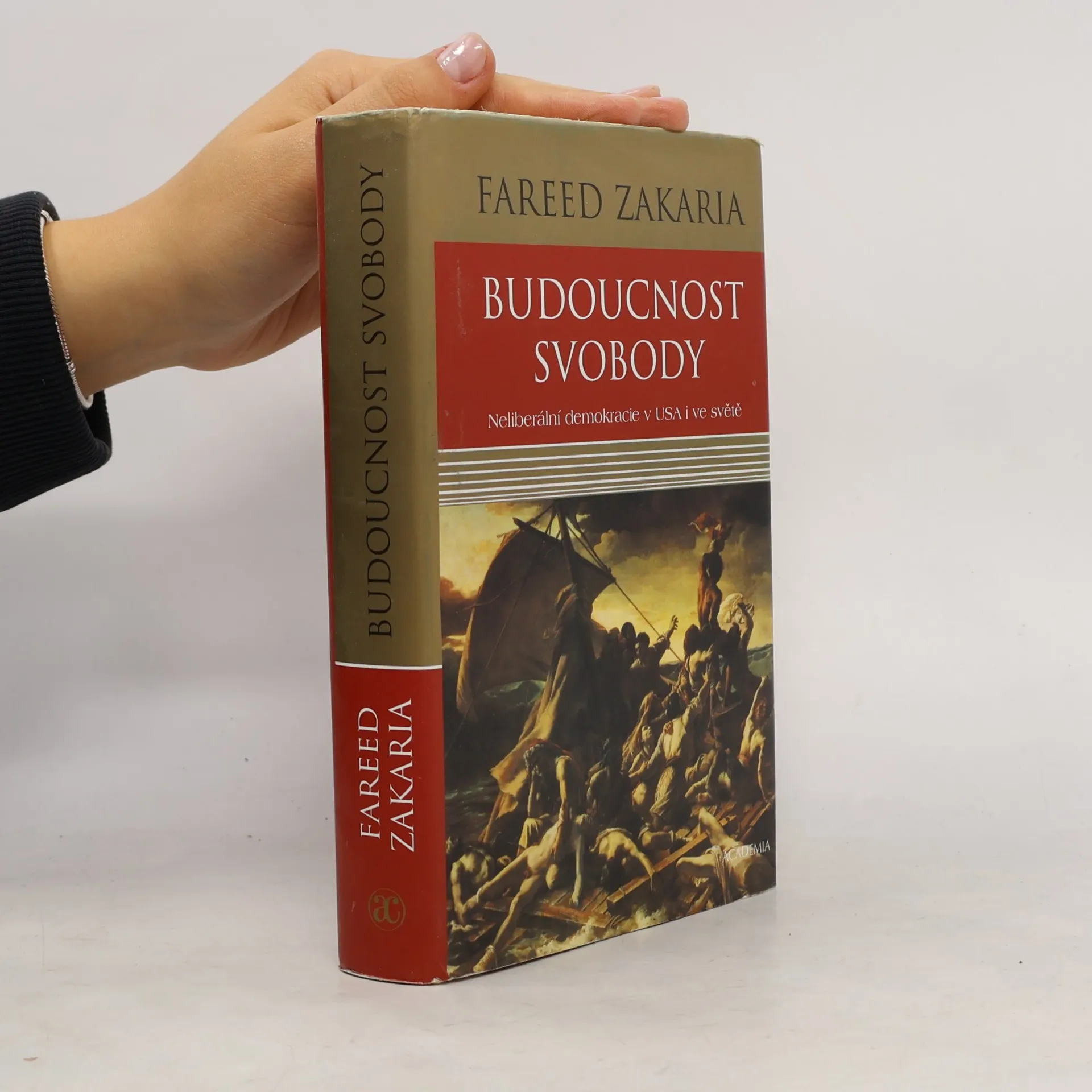
Neliberální demokracie v USA i ve světě
"The 'Future of freedom' is a modern classic that uses historical analysis to shed light on the present, examining how democracy has changed our politics, economics, and social relations"--Back cover.
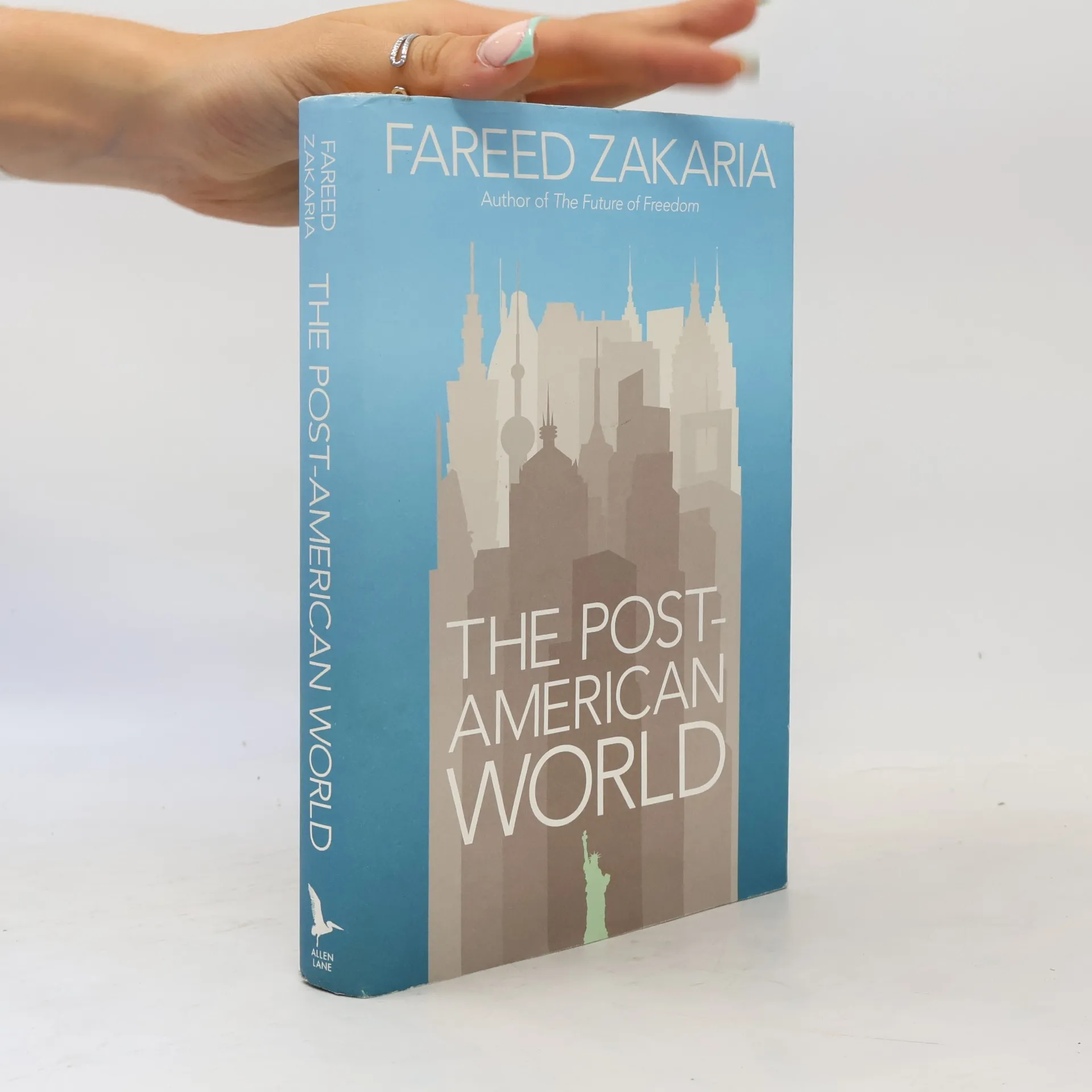
Describes a world in which the United States will no longer dominate the global economy, orchestrate geopolitics, or overwhelm cultures. This work sees the 'rise of the rest' - the growth of countries like China, India, Brazil, Russia, and many others.
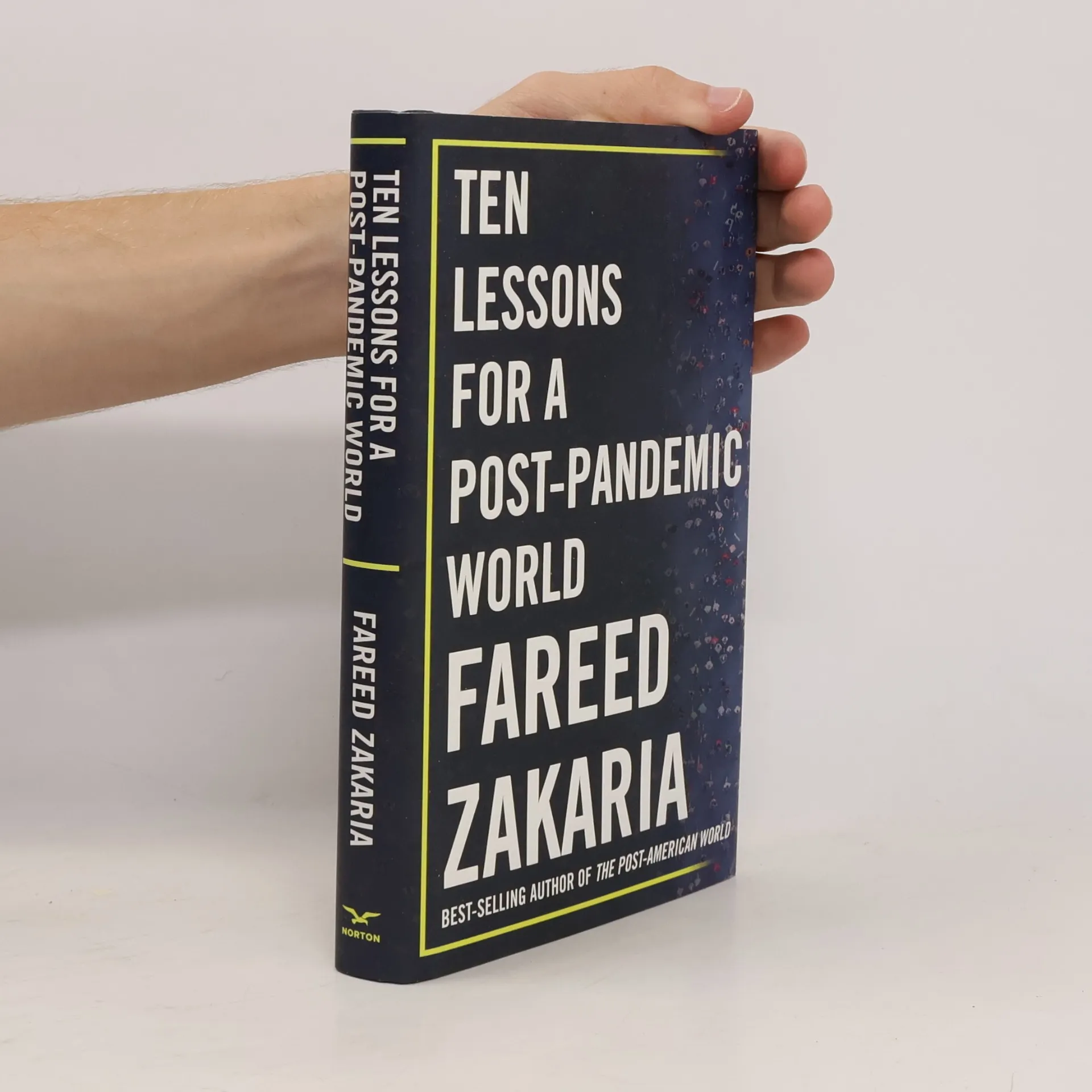
New York Times Bestseller COVID-19 is speeding up history, but how? What is the shape of the world to come? Lenin once said, "There are decades when nothing happens and weeks when decades happen." This is one of those times when history has sped up. CNN host and best-selling author Fareed Zakaria helps readers to understand the nature of a post-pandemic world: the political, social, technological, and economic consequences that may take years to unfold. Written in the form of ten "lessons," covering topics from natural and biological risks to the rise of "digital life" to an emerging bipolar world order, Zakaria helps readers to begin thinking beyond the immediate effects of COVID-19. Ten Lessons for a Post-Pandemic World speaks to past, present, and future, and, while urgent and timely, is sure to become an enduring reflection on life in the early twenty-first century.
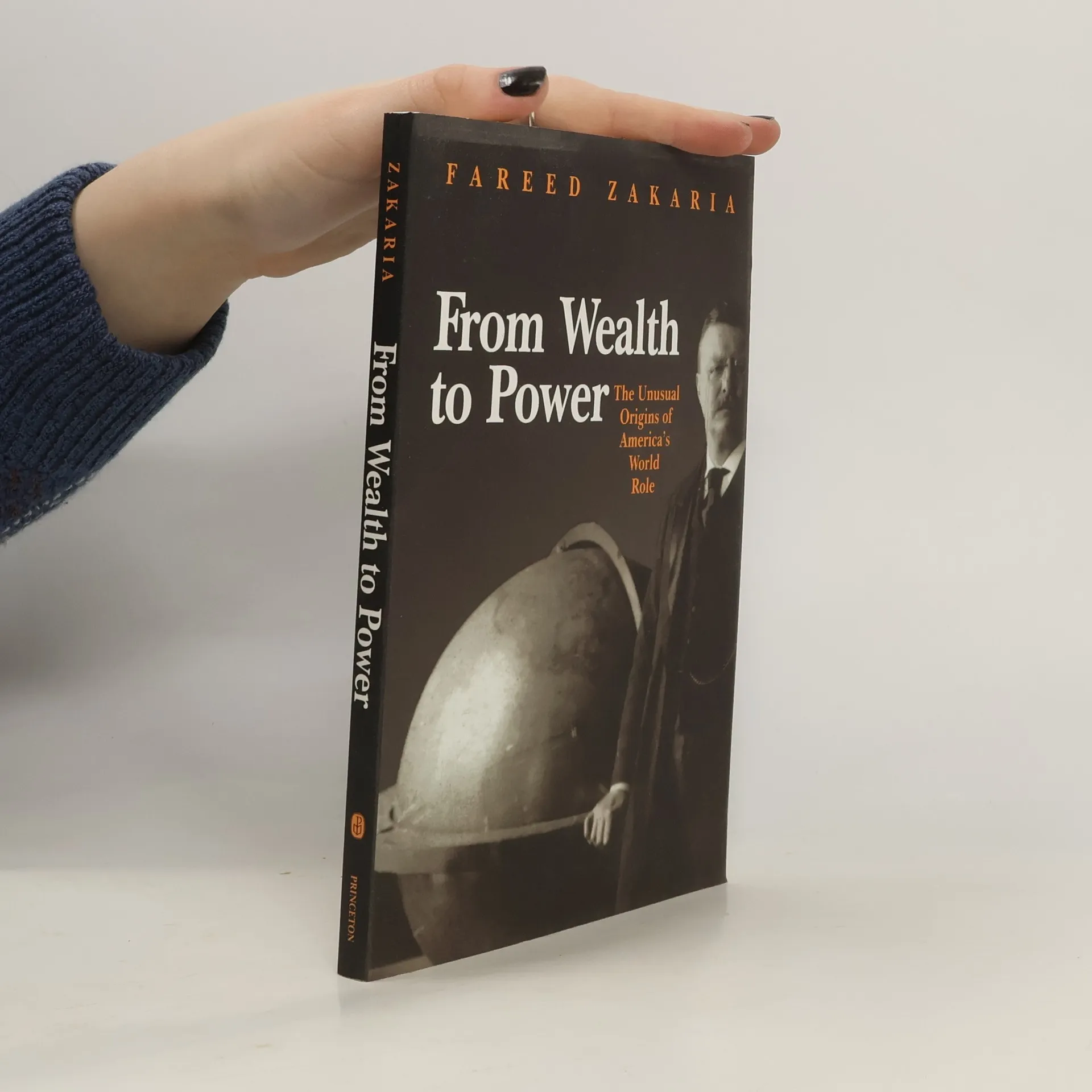
Examining the transformation of wealthy nations into influential global powers, Fareed Zakaria delves into the case of the United States as a prime example of this phenomenon. He explores the dynamics that drive rich countries to project their influence internationally, highlighting the implications for global stability and the emergence of new powers. Through this analysis, the book provides insights into the relationship between national wealth and geopolitical clout in the context of international politics.
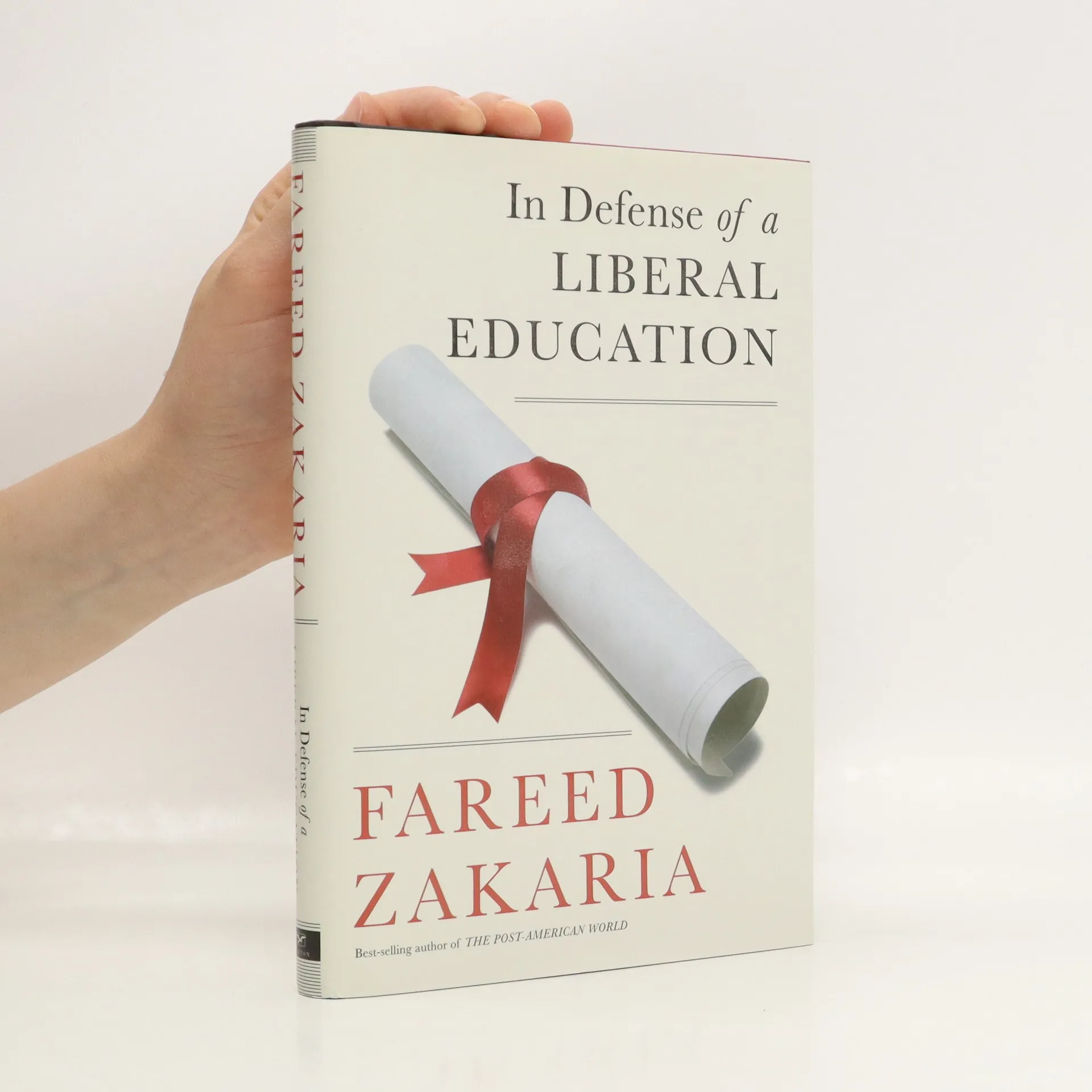
The liberal arts face significant challenges as governors in states like Florida, Texas, and North Carolina vow to cut taxpayer funding for these programs, a sentiment echoed by President Obama, who suggested that vocational training may offer better financial prospects. This perspective has led to a decline in traditional majors such as English and history. Fareed Zakaria reflects on his upbringing in India, where a skills-based education was highly prioritized, yet he argues that this view is fundamentally flawed. He highlights the essential skills gained from a liberal arts education, including clear writing, persuasive expression, and analytical thinking. Zakaria counters the vocational argument by pointing out the automation and outsourcing of routine manufacturing jobs, emphasizing that specific vocational skills can quickly become obsolete. While engineering is valuable, he stresses the importance of creativity, lateral thinking, design, communication, storytelling, and a lifelong passion for learning—qualities nurtured by a liberal education. He also notes that technology is revolutionizing education, making high-quality courses accessible to millions globally, marking the beginning of an unprecedented expansion of liberal education.
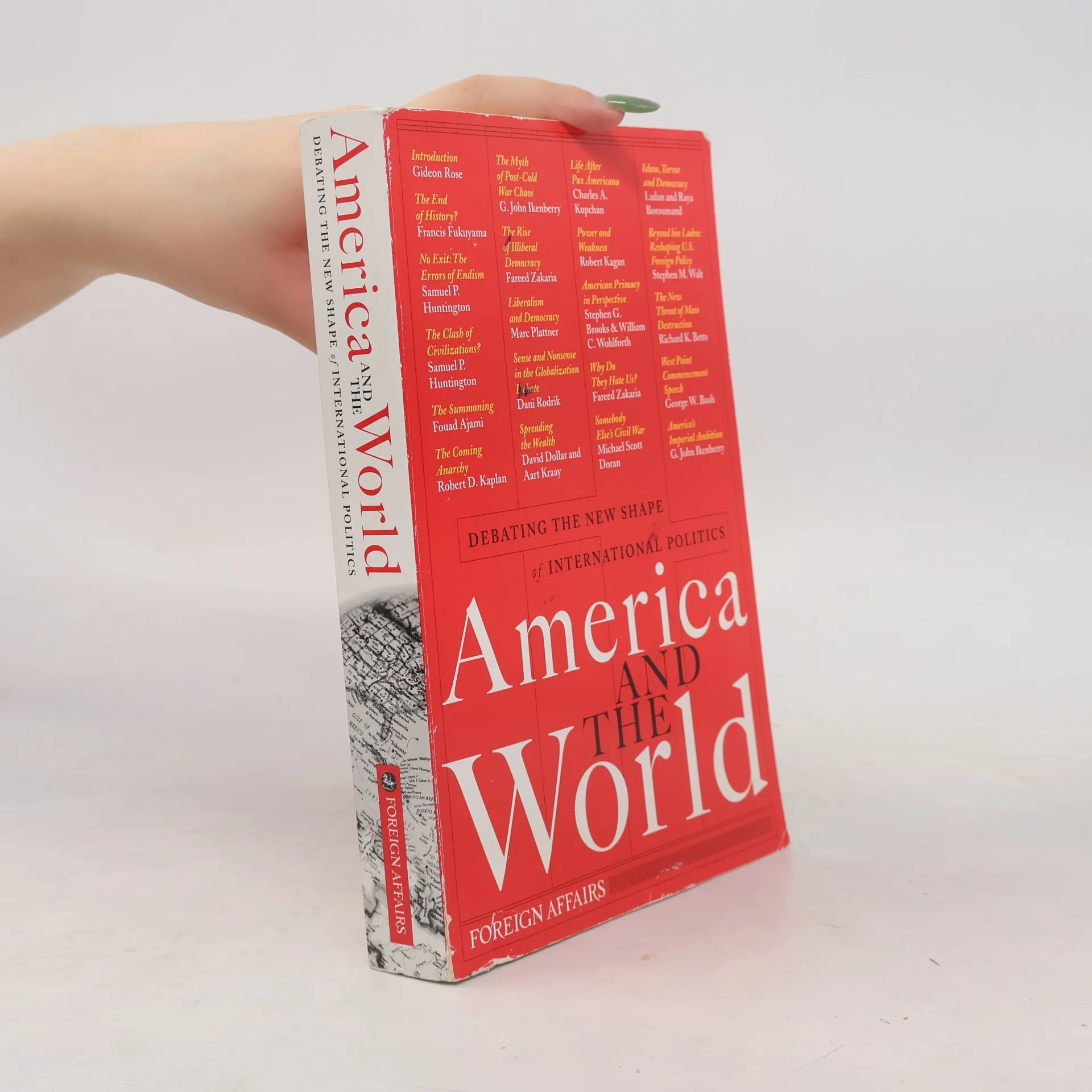
This comprehensive survey explores the key debates shaping U.S. foreign policy in the post-Cold War era. Following the Soviet Union's collapse, scholars have sought to understand the new international landscape. This collection showcases the insights of prominent thinkers, including Francis Fukuyama, Samuel P. Huntington, and Fareed Zakaria, who analyze the driving forces behind global events and America's response. Central questions addressed include the significance of ideology, culture, and power, as well as the future of global order versus chaos. The contributors examine the strength and vulnerabilities of the United States and discuss the appropriate use of its power for protection. Engaging with each other's arguments, these authors provide a rich dialogue that educates readers on contemporary international relations. Originally published in leading journals, these articles form an essential reading list for those interested in understanding current global dynamics. Notable contributors include Fouad Ajami, Richard K. Betts, Stephen G. Brooks, Robert D. Kaplan, and Stephen M. Walt, among others.
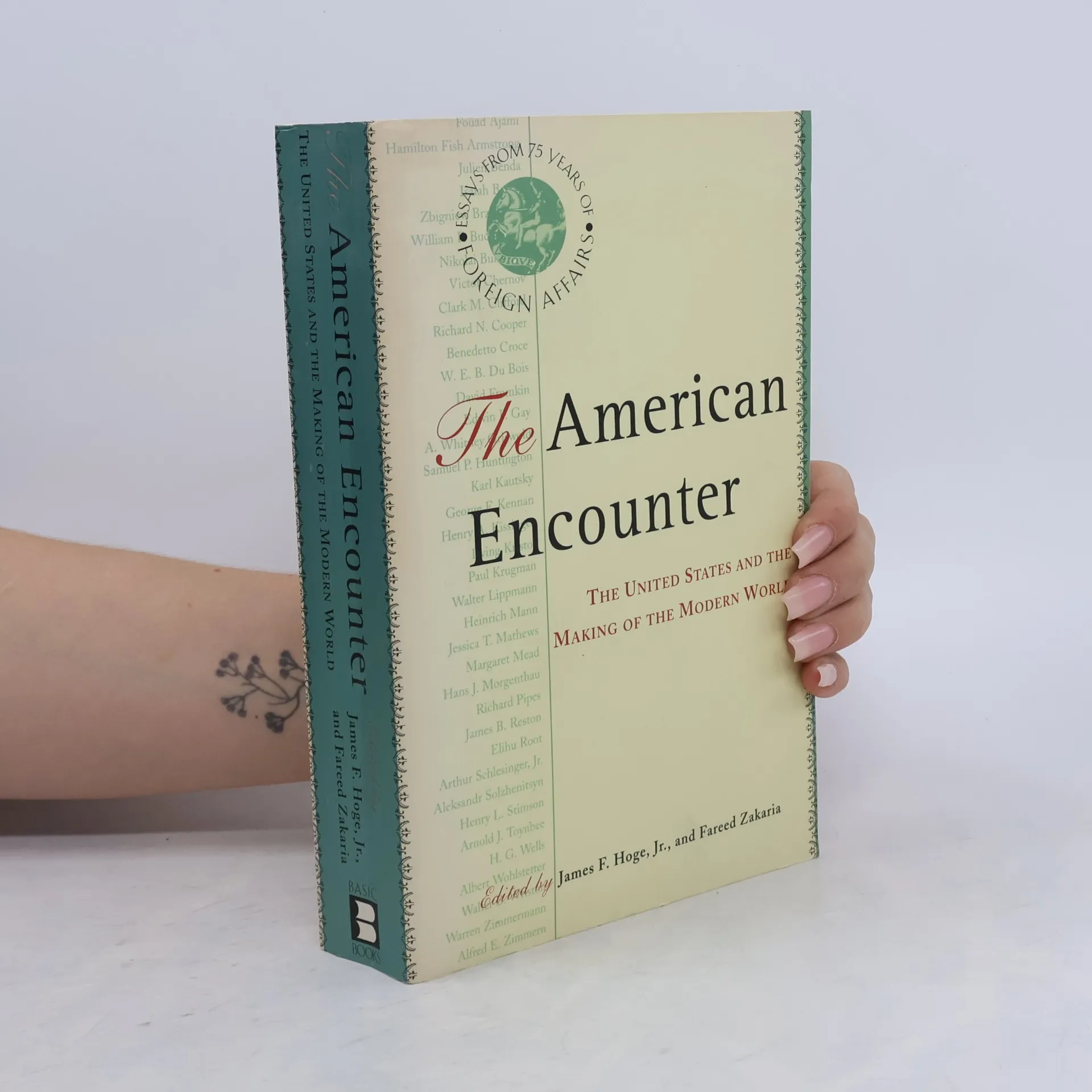
The United States and the Making of the Modern World: Essays from 75 Years of Foreign Affairs
Since its founding in 1922, Foreign Affairs has established itself as the premier journal of international relations, offering profound commentary on global politics and economic policy. America's significant role in world events—military, political, economic, and ideological—has been central to discussions within its pages. Notably, it was here that George Kennan introduced the containment policy, shaping U.S. Cold War strategy. The journal has hosted debates among statesmen-scholars like Henry Kissinger and Arthur Schlesinger on critical issues such as nuclear weapons and human rights, while journalists like Walter Lippmann and James Reston have provided insightful analyses of American foreign policy. Thinkers like Isaiah Berlin and Samuel Huntington have explored the evolving dynamics of the world. In The American Encounter , readers will discover landmark essays that reflect a unique intellectual history of the past century and America's extraordinary influence within it. This collection stands apart, as there is no other publication like Foreign Affairs . The American Encounter serves as a vital connection to historical giants—visionaries whose insights and warnings resonate today, enhancing our understanding of America's role on the global stage.
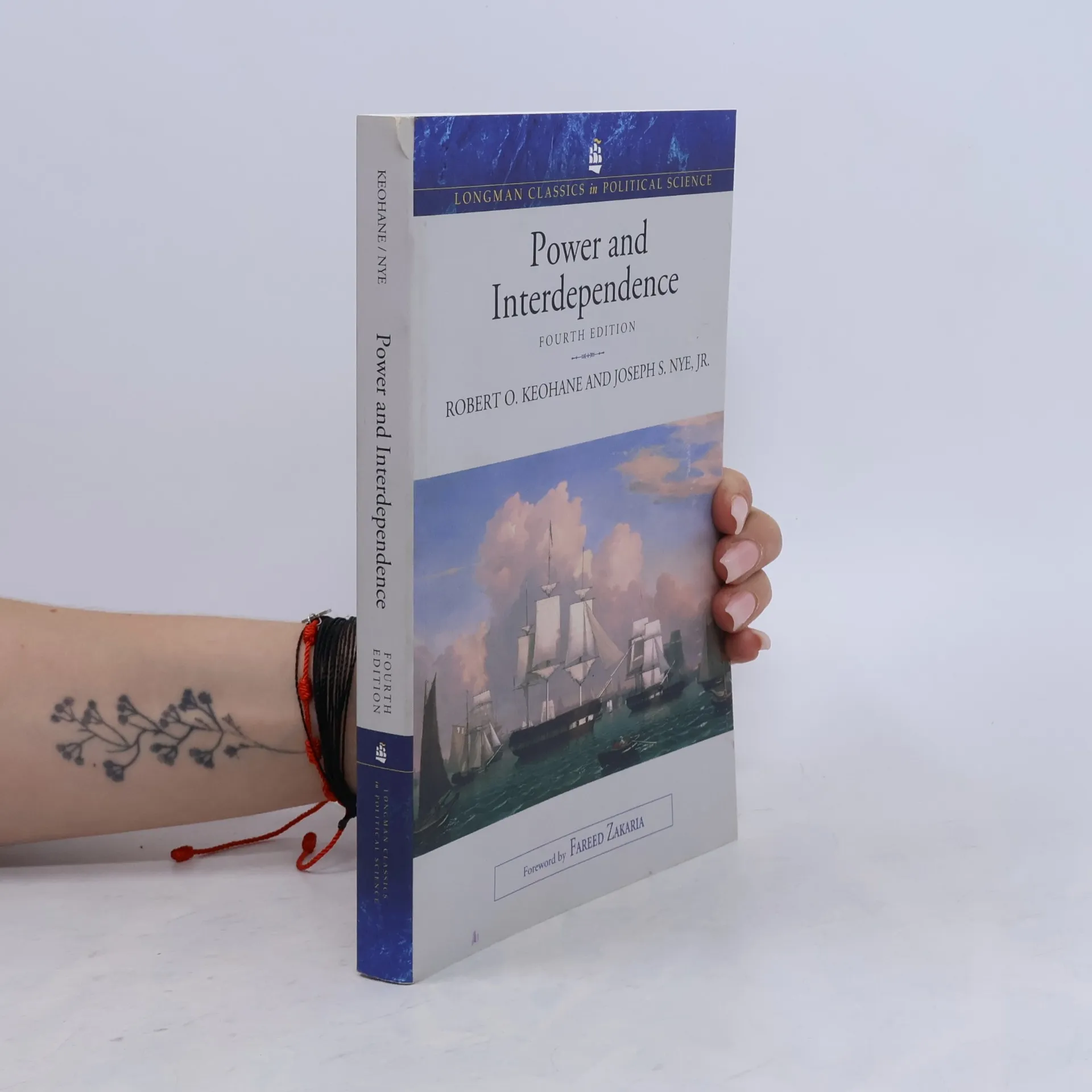
A landmark work of international relations theory, Power and Interdependence first published in 1977 and posited a radically comprehensive explanation of the mechanics driving world affairs--"power politics" on one hand and "complex interdependence" on the other hand. This widely influential book reexamined the military and economic interests of state and non-state actors, and in an argument made before the end of the Cold War, the authors broadened the prevailing realist worldview of the time and anticipated many of the developments in our modern era of globalization. With a new preface by the authors and a foreword by Fareed Zakaria that looks at world affairs after the Cold War, the terrorist attacks of September 11, and the global financial crisis, Power and Interdependence is required reading for all students of international relations.
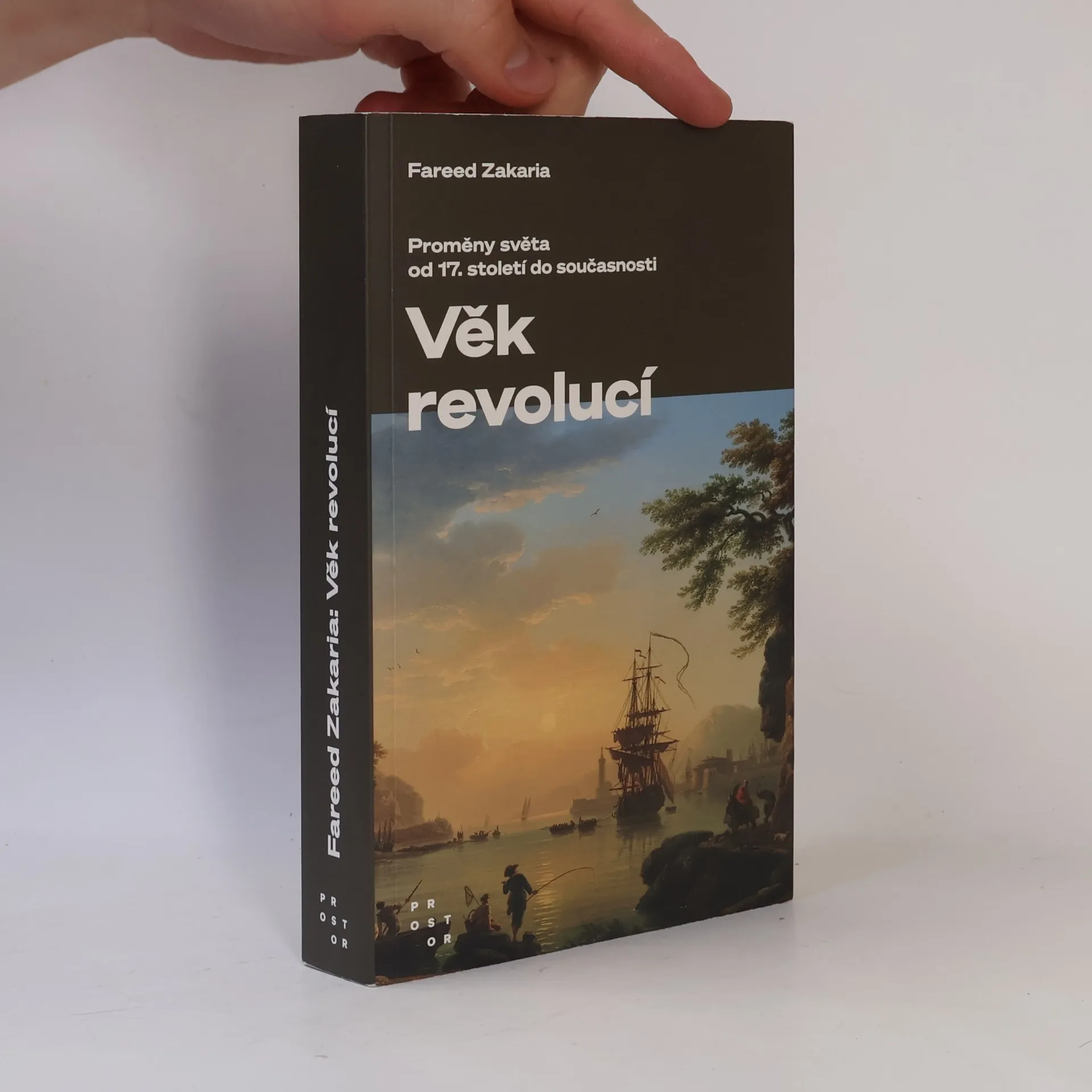
Které revoluce skutečně mění svět? První desetiletí 21. století je možná nejrevolučnějším obdobím moderních dějin. Jaké revoluce hýbou dějinami a jak nám pomáhají porozumět našemu neklidnému světu? Autor mistrně zkoumá epochy a hnutí, které otřásly normami a formovaly naši dobu: fascinující zbohatnutí Nizozemska v 17. století, Francouzskou revoluci s jejím krvavým dědictvím a průmyslovou revoluci, která katapultovala Velkou Británii a USA ke globální dominanci. Kromě těchto historických událostí se zaměřuje na čtyři současné revoluce, které skutečně mění naši společnost: globalizaci, technologii, otázky identity a geopolitiku. Globalizace a technologie přinesly nejen výhody, ale i hluboké narušení a úzkost. Identita se stává bitevním polem polarizované politiky 21. století, zatímco geopolitické změny nabírají na intenzitě. Nacházíme se na rozhraní čtyř revolucí, které predikují temnou budoucnost. Autor však ukazuje, že pesimismus je předčasný. Pokud budeme jednat moudře, liberální mezinárodní řád může být oživen a populismus odsunut na smetiště dějin. Přichází s novým revolučním pohledem na éru, v níž žijeme.