Si la preuve d'une descendance de Jésus était faite, quelles seraient les conséquences pour les religions, le monde, l'Europe en particulier. Après avoir levé le voile sur un secret jalousement gardé depuis deux mille ans - mais connu de plusieurs communautés et de hauts dirigeants religieux et politiques -, les auteurs vont encore plus loin. S'appuyant sur les plus récentes études bibliques et sur de nombreux documents inédits, ils apportent de nouvelles lumières sur l'évolution du christianisme, la survie de la descendance de Jésus, l'action souterraine du Prieuré de Sion et ses liens avec l'ordre de Malte, le Vatican, la CIA, les franc-maçons... Une passionnante enquête à travers les siècles, qui lie l'histoire de la France et de l'Europe au destin du monde.
Richard Leigh Livres
Richard Leigh était un auteur britannique célèbre pour ses romans qui explorent les mystères historiques et les vérités cachées. Ses œuvres se caractérisent par des recherches approfondies et des récits captivants qui plongent le lecteur dans des énigmes complexes. Leigh mêle habilement des événements historiques à des éléments fictifs, explorant des thèmes intemporels tels que la croyance, l'histoire et la nature humaine. Son style distinctif et sa fascination pour la découverte des aspects cachés du passé font de ses livres une lecture captivante pour les amateurs de mystère et d'histoire.

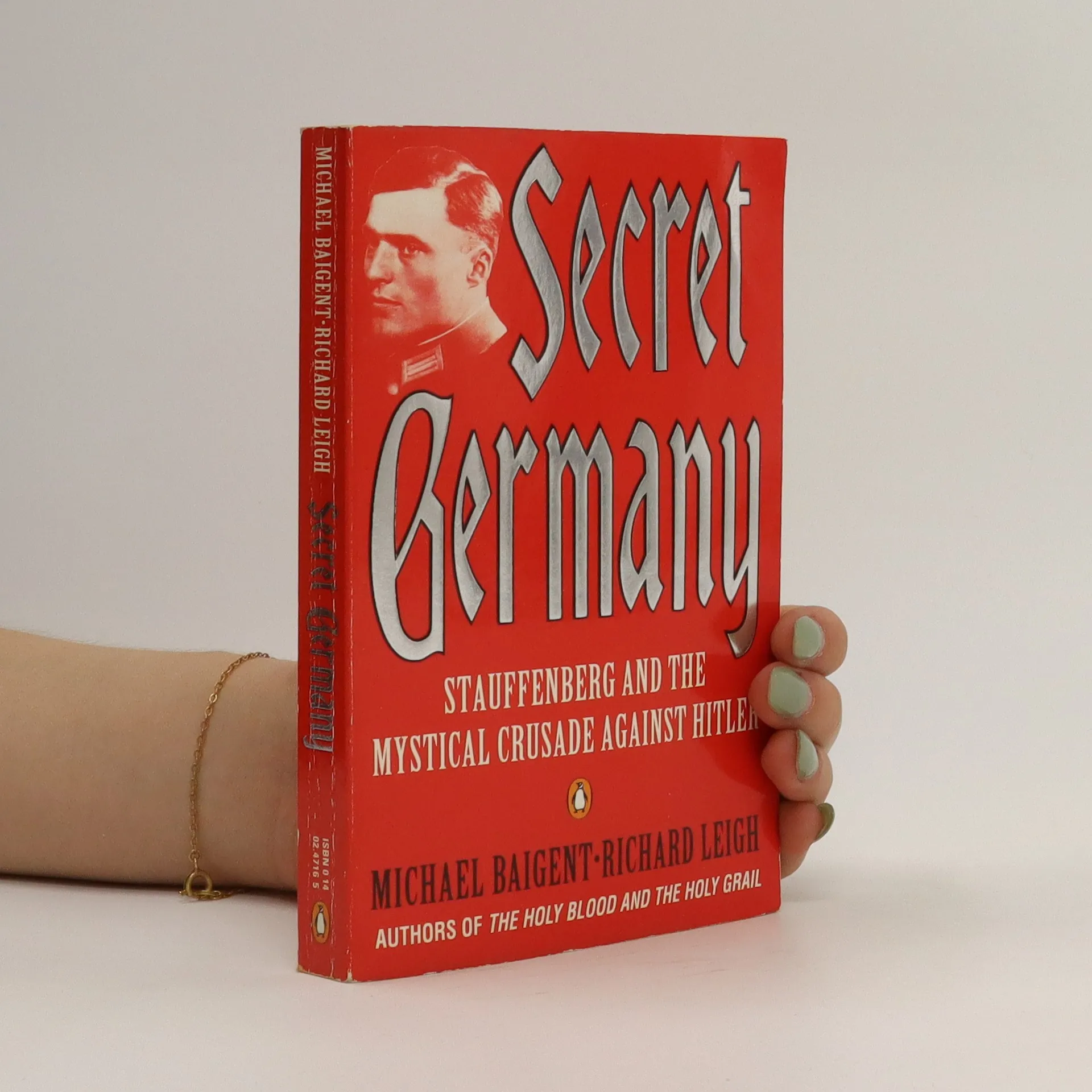
Secret Germany
- 352pages
- 13 heures de lecture
By July of 1944, the Third Reich's days were numbered. Colonel Claus von Stauffenberg, a general staff insider with open eyes (and access to the F?hrer), was convinced that assassinating Hitler was the only way to prevent the destruction of the Fatherland and the deaths of millions. On July 20, he hid a bomb-stuffed briefcase at a high-level meeting. The explosion tore through the room, but a table leg spared Hitler from the blast. The result was a witch hunt, a wave of executions, and a further pointless year of war. Michael Baigent and Richard Leigh deliver ... [a] definitive portrait of the anti-Nazi movement (called "Secret Germany") that almost killed Hitler
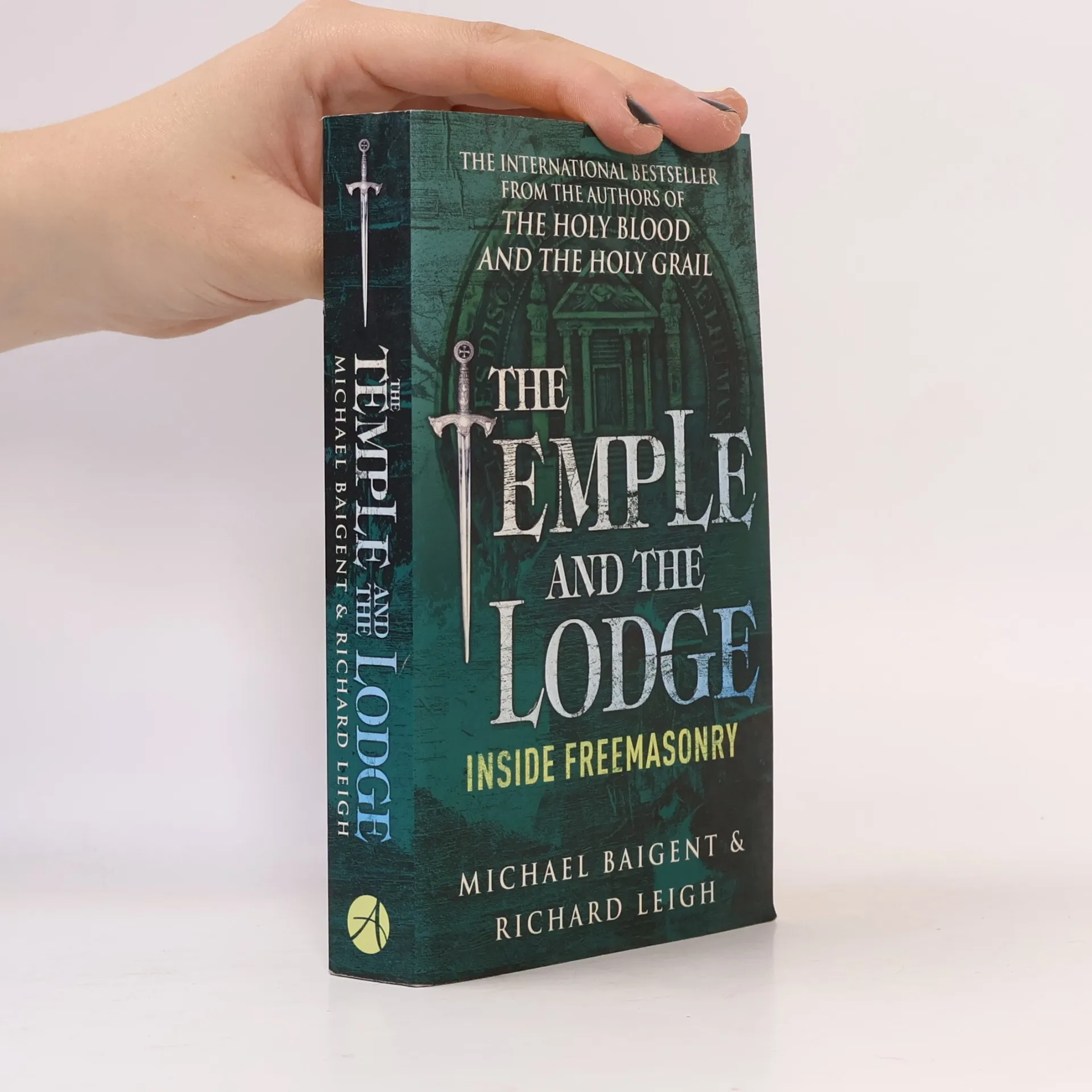
The Temple and The Lodge
- 416pages
- 15 heures de lecture
Charts the birth of Freemasonry through the survival of Templar traditions, currents of European thought, the mystery surrounding Rosslyn chapel, and an elite cadre of aristocrats attached as personal bodyguards to the French king. This book reveals its contribution to the fostering of tolerance, progressive values and cohesion in English society.
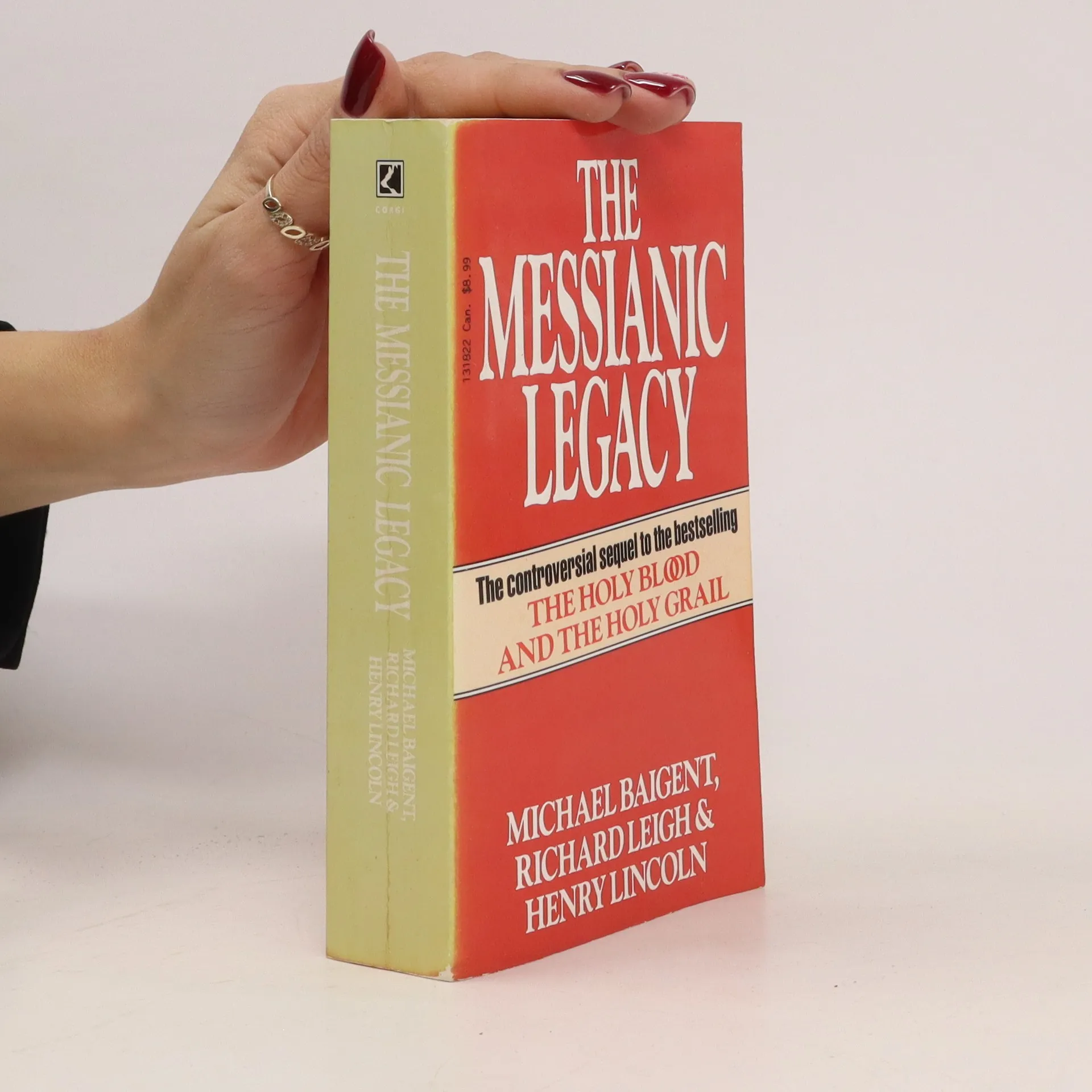
Hailed as "one of the more controversial books of the 20th century," (UPI) Holy Blood, Holy Grail rocked the very foundation of Christianity. Now four more years of research have uncovered shocking material -- and its earthshaking consequences... Here is the book that reveals the answers to these intriguing, potentially explosive questions. Utilizing the same meticulous research that catapulted their first book onto the bestseller lists, the authors again bring an enlightening message of truth -- and urgent importance -- to Christians and non-Christians the world over. Book jacket.
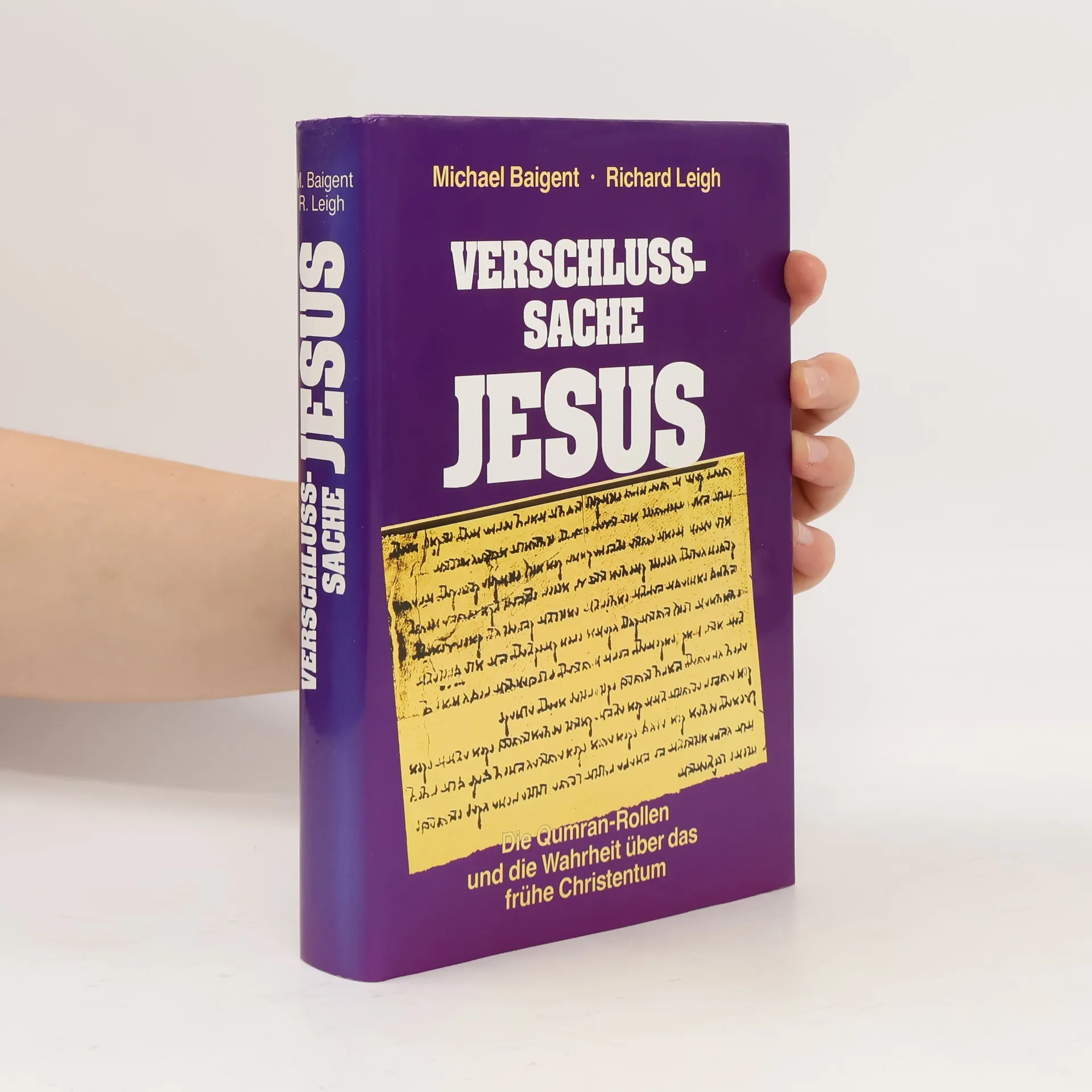
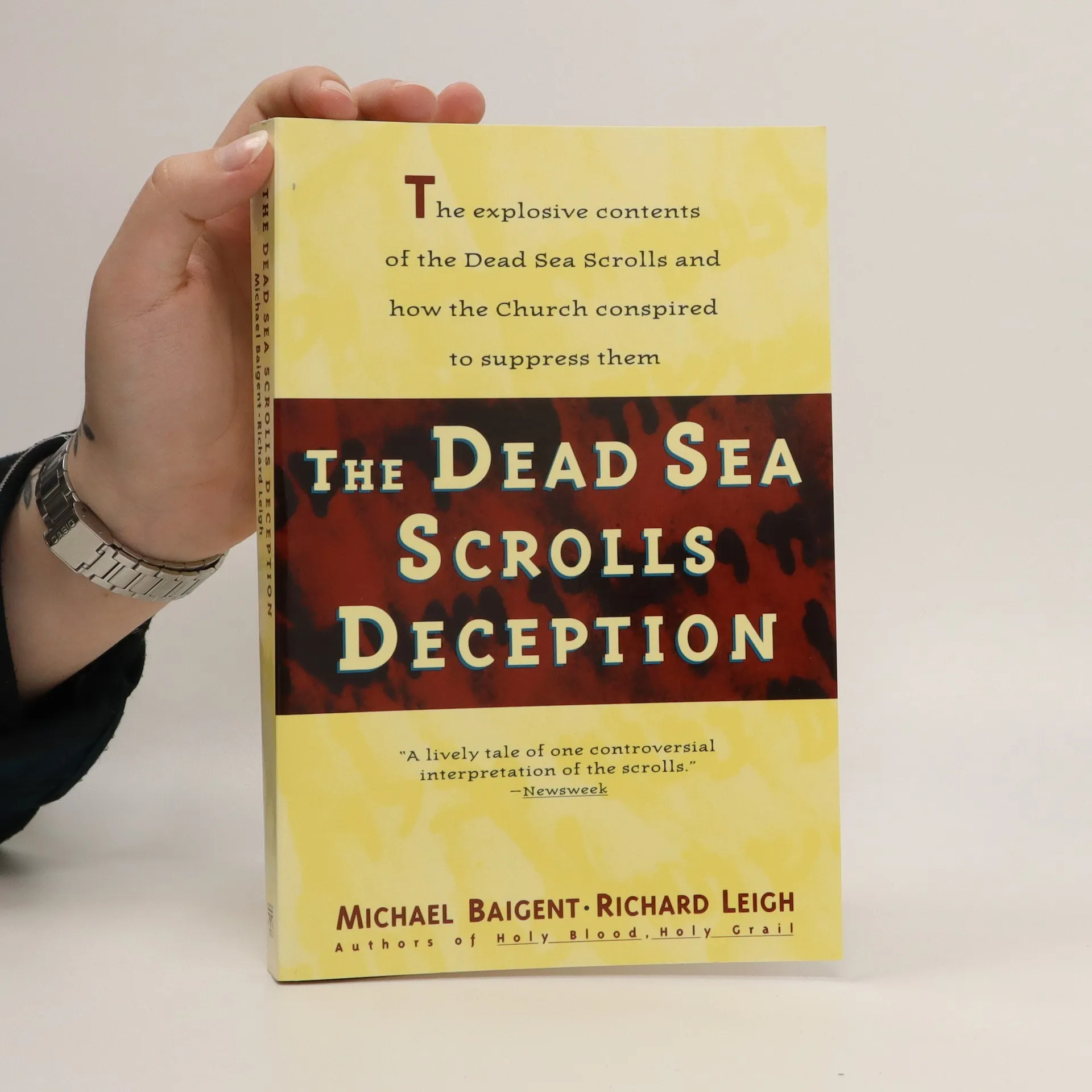
Dead Sea Scrolls Deception
- 288pages
- 11 heures de lecture
"Why a handful of Biblical scholars conspired to suppress the revolutionary contents of the Dead Sea Scrolls"--Jacket subtitle.
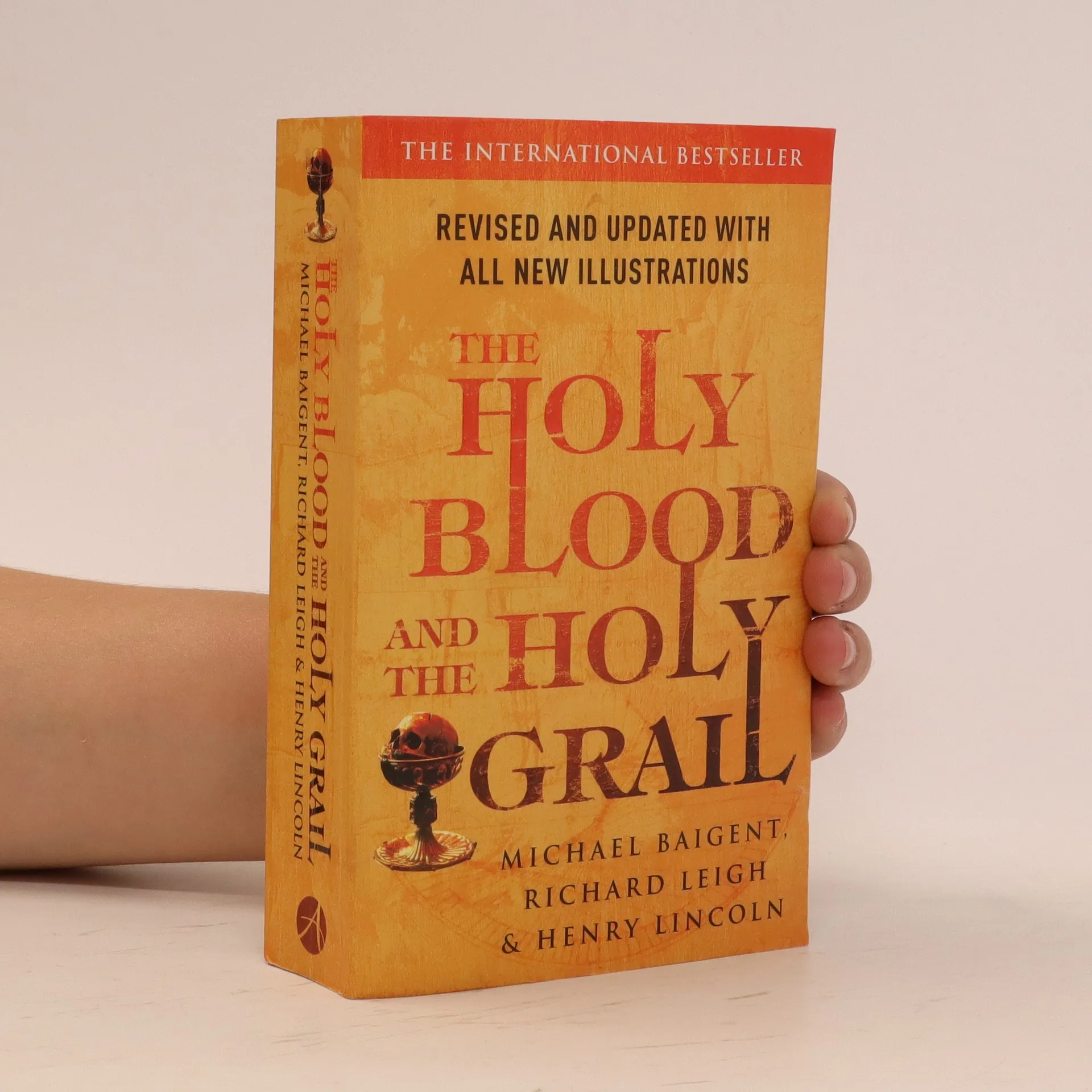
The Holy Blood and the Holy Grail
- 614pages
- 22 heures de lecture
A nineteenth century French priest discovers something in his mountain village which enables him to amass a fortune of. This tale begins with buried treasure and turns into a historical detective story - a modern Grail quest leading back through cryptically coded parchments, secret societies, and the Knights Templar.
El enigma sagrado
- 538pages
- 19 heures de lecture
Jesús no murió en la cruz. Se casó con Magdalena y su descendencia perdua hasta nuestros días.Estas sorprendentes revelaciones y muchas otras relacionadas con temas como el Evangelio, los templarios y el Grial son algunas de las revolucionarias conclusiones de esta polémica obra. En sus páginas, los investigadores Lincoln, Baigent y Leigh plasman los resultados de años de ardua labor de investigación. Pergaminos cifrados, sociedades secretas, caballeros templarios e historias sobre herejes cátaros y un antiguo linaje real francés, dibujan una nueva versión del origen del cristianismo y la identidad tanto del propio Jesucristo como de sus descendientes.El enigma sagrado es un destacado bestseller internacional y, como bien dice el investigador Juan G. Atienza en el prólogo a esta edición, abre la puerta para que pisemos sin miedo las losas de un secreto de siglos, el Secreto por excelencia de esa que llamamos la civilización occidental
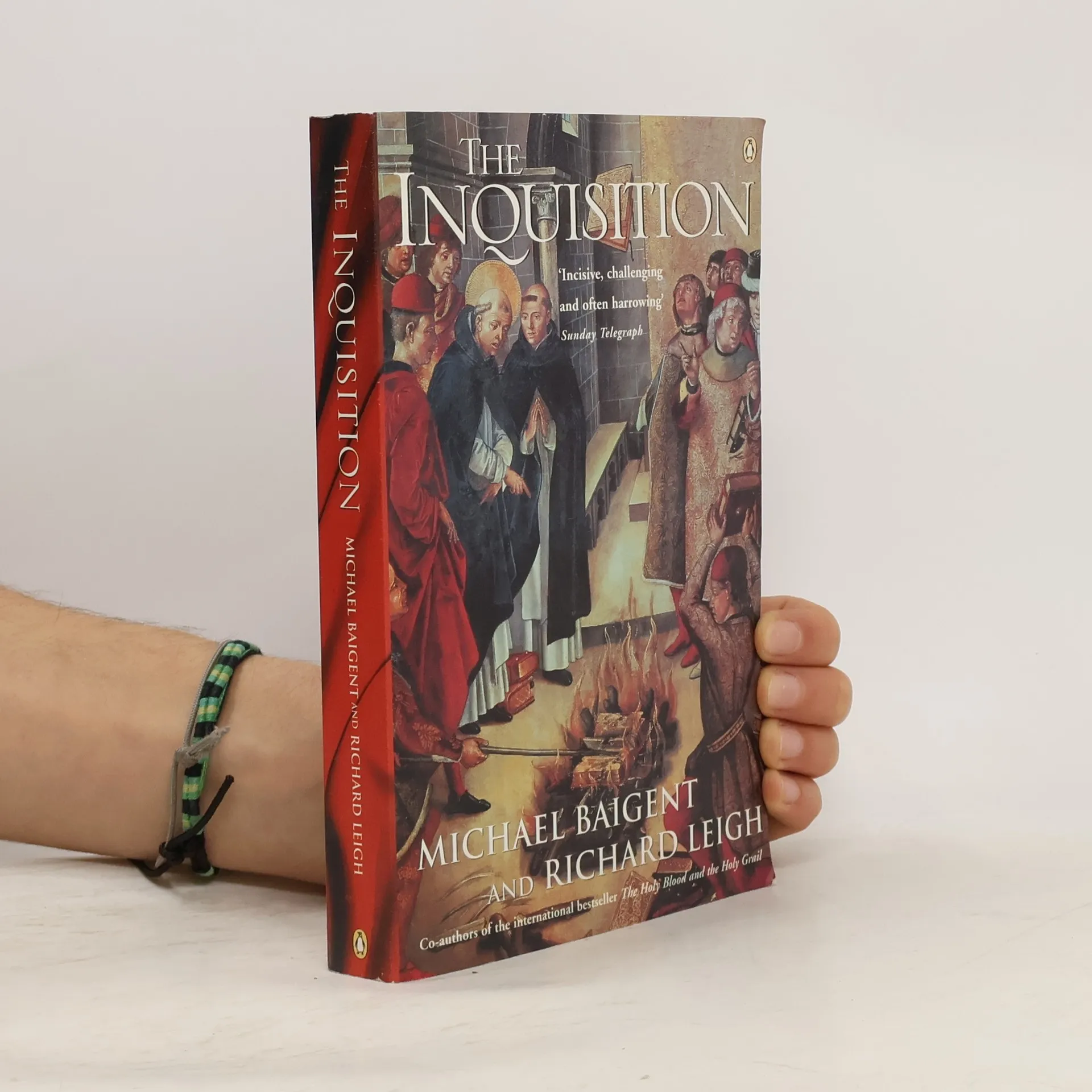
The Inquisition
- 336pages
- 12 heures de lecture
After the Albigensian Crusade against the Cathars of south-west France in 1208, a Spanish monk took up the cudgels by establishing a kind of secret police to ferret out heresy. Thus began the infamous Inquisition. This title tells the story, taking it on into the 19th century and showing how the Vatican attempted to establish new authorities. schovat popis
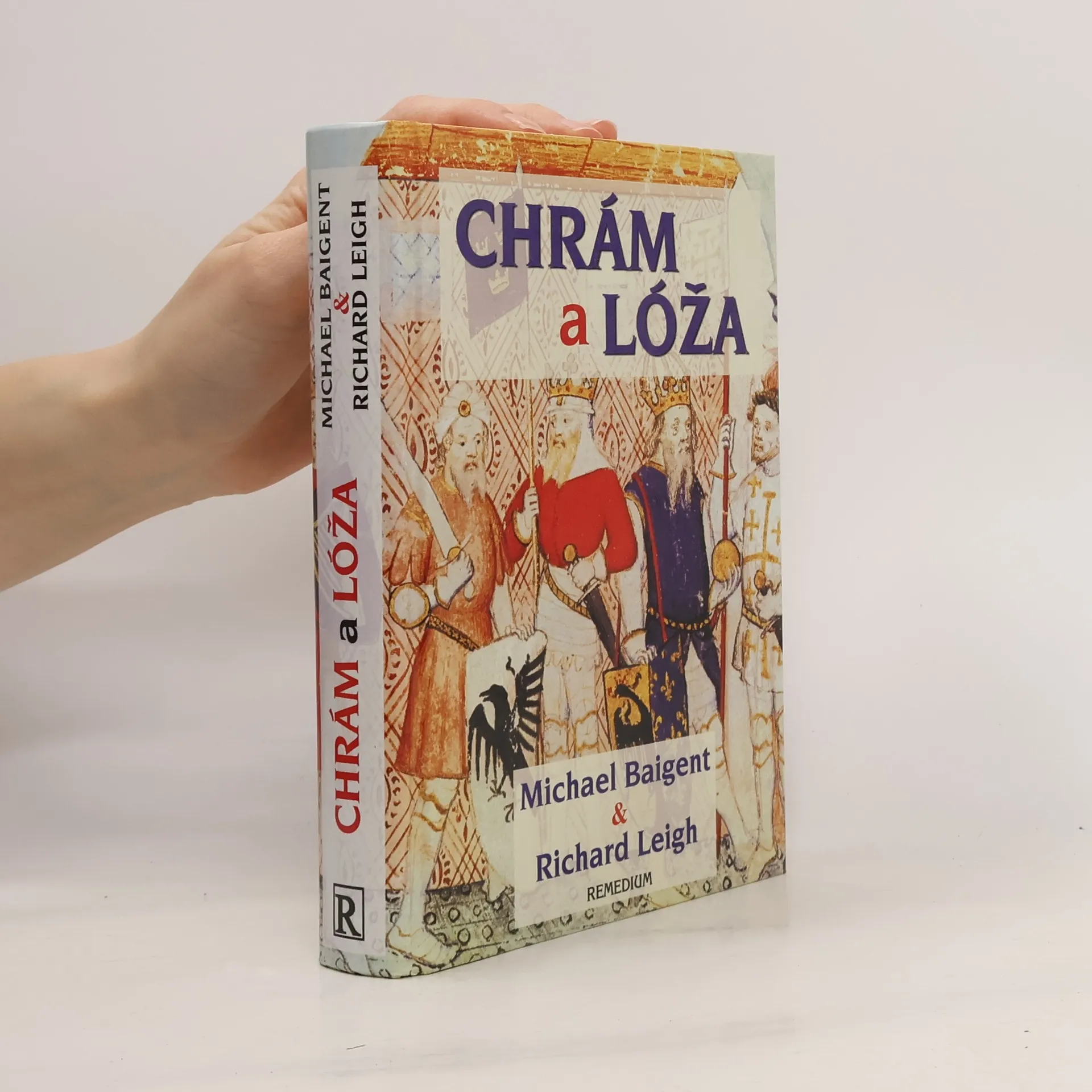
Chrám a lóža
- 381pages
- 14 heures de lecture
Kniha Chrám a lóža Michaela Baigenta a Richarda Leigha, autorov Svätej krve a Svätého grálu a Podvodu so Zvitkami od Mŕtveho mora, prináša najviac objasňujúcich poznatkov, ktoré sa doteraz publikovali o vývoji slobodomurárstva. V tejto fascinujúcej historickej detektívke sledujú autori okolnosťami vynútené presuny templárov po roku 1309 z Európy do Škótska, kde sa zakorení templárske dedičstvo a zveční sa v sieti šľachtických rodín. Slobodomurárstvo, ktoré z tohto dedičstva vzniklo, pokračovalo v úsilí Stuartovcov a obohatilo ho o vlastné hodnoty. Chrám a lóža mapuje vznik slobodomurárstva od prežitia templárskych tradícií, cez prúdenie myšlienok v Európe, tajomstvo obklopujúce Rosslynskú kaplnku a elitný káder aristokratov zaviazaných francúzskemu kráľovi ako osobní strážcovia.
The Elixir And The Stone
- 454pages
- 16 heures de lecture
The authors trace the history of this intriguing and all-encompassing philosophy - which has much in common with contemporary holistic thought - charting its origin in the Egyptian mysteries, and demonstrating how it continued to exercise enormous influence through the magicians and magi of the Middle Ages and the Renaissance.
Храм и ложа: история ордена от 1307 года до наших дней: от тамплиеров до масонов
- 351pages
- 13 heures de lecture
Teorier om at frimureriet har rod i den århundredgamle Tempelherreorden og at sporene efter Tempelherrerne leder til de frimurerkredse, som stod bag den amerikanske frihedskrig og uafhængighedserklæringen
De Tempel en de Loge
Van Tempelridders tot Vrijmetselarij
Świątynia i loża
- 266pages
- 10 heures de lecture
L'elisir e la pietra
- 466pages
- 17 heures de lecture
Fin dall'antichità le dottrine magiche ed ermetiche hanno dato origine a una delle tradizioni culturali più feconde e durature. Dagli autori del "Mistero del Mar Morto", ecco un libro che ripercorre l'affascinante storia dell'esoterismo e dell'alchimia, dalle origini ad Alessandria d'Egitto con Ermete Trismegisto, attraverso gli scritti di Marsilio Ficino, Paracelso e Giordano Bruno, fino alle società segrete del XVII secolo e alla più recente rinascita del pensiero ermetico. Una trattazione intrigante è riservata alla riscoperta dell'occultismo nella letteratura, nell'arte, nella musica e nel cinema del XX secolo.
Verslag van een zoektocht naar elementen uit de Duitse geschiedenis die voor Claus von Stauffenberg drijfveer waren bij zijn deelname aan de aanslag tegen Hitler op 20 juli 1944.
Una investigación sobre la historia de la masonería que analiza la desaparición de los templarios. ¿Existió realmente algún vínculo entre las ceremonias de iniciación de templarios y masones? ¿Es mera casualidad que ambas organizaciones hayan sido duramente perseguidas por la Iglesia de Roma? Michael Baigent y Richard Leigh, muestran por primera vez en Masones y templarios , los estrechos lazos que emparentan a ambas instituciones. La masonería moderna, pilar clave en la fundación de los Estados Unidos de América, ha preservado hasta nuestros días pistas fundamentales para entender qué hizo tan poderosos a los caballeros del Temple en la Edad Media y por qué el rey de Francia y el papa pusieron tanto empeño en borrarlos de las páginas de la Historia. Una profunda investigación sobre la masonería que analiza la desaparición de los templarios.