Quel est ce dernier et célèbre roman de Dostoïevski ? C'est un roman criminel, socio-philosophique, religieux-mystique, familial, polémique, accusateur, ou quelque chose comme un traité ecclésiastique ? Les débats à ce sujet se poursuivent, et tous ces attributs peuvent recevoir une réponse affirmative. Mais il serait encore plus juste de dire que c'est tout cela à la fois, et de plus, c'est un livre terrible, cruel, presque effroyable, dont les problèmes et les questions, surtout à l'époque de sa création, ont tourmenté la vie et continuent d'émaner dans la littérature moderne. On y trouve tout un monde de types russes, un large tableau de la vie russe, un roman sur le destin de l'homme, de la Russie, de l'humanité, mais aussi l'ensemble de la pensée et de la quête de Dostoïevski, son conflit avec le matérialisme philosophique et le socialisme, ainsi que toutes ses propres doutes, son protest contre l'injustice et la cruauté du monde et son ordre divin et humain. L'intrigue du roman reflète les pensées torturées, les passions ardentes et les doutes cruels de Dostoïevski, avançant avec une tension et un drame irrésistibles, pleins de rebondissements ; les personnages des frères Karamazov et de leur père resteront à jamais gravés dans la mémoire du lecteur.
Zora Jesenská Livres
- Neznáma čitateľka
- E. Letričková



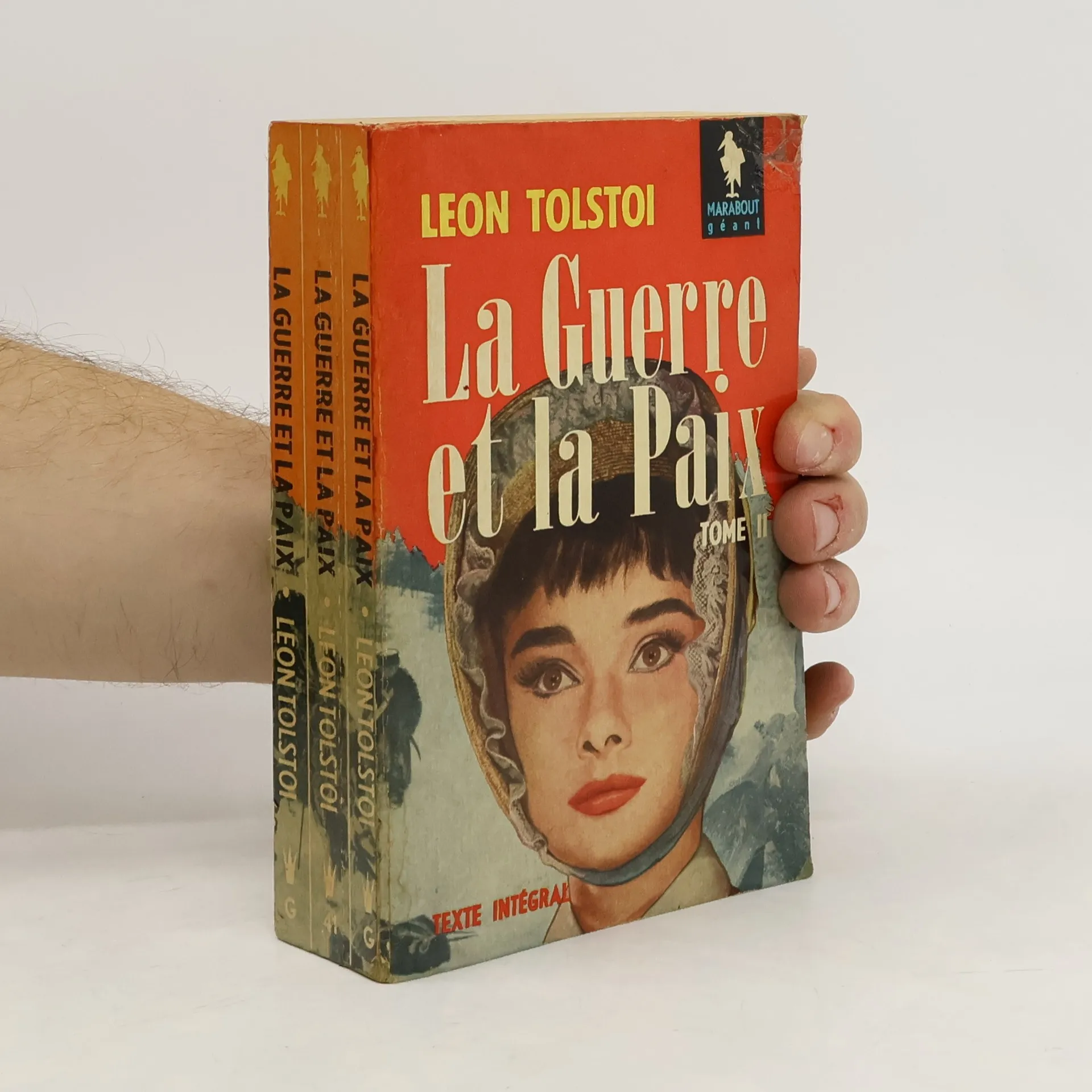
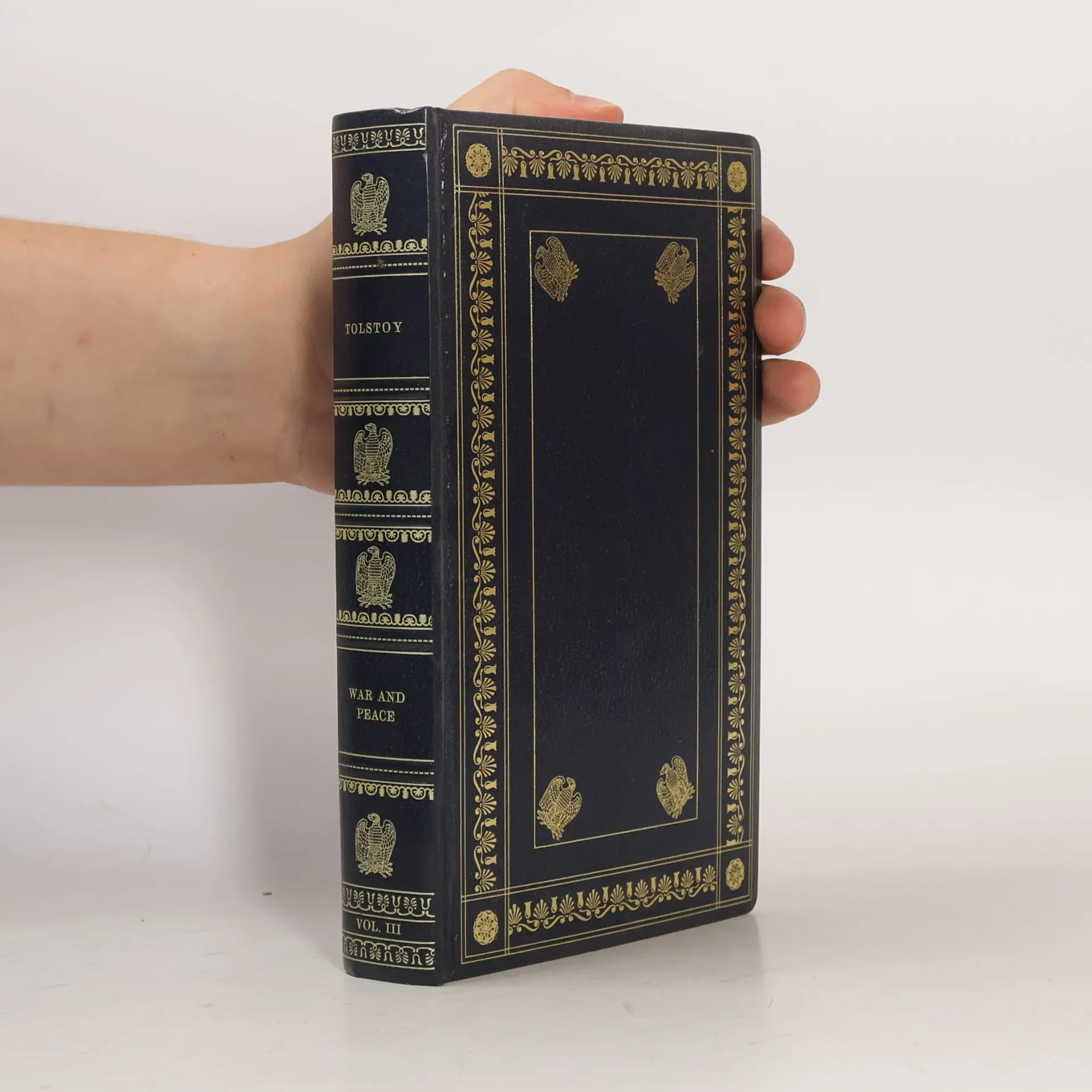

The novel "War and Peace," written between 1863 and 1869, is a four-part epic and one of the greatest works of world literature. It features over 250 characters, including historical figures such as Tsar Alexander I, Emperor Napoleon, and General Kutuzov. The extensive and vivid depictions of battles, such as those at Austerlitz and Borodino, as well as the desolate, burning Moscow, are unparalleled in literature. Intimate scenes from the lives of the upper class, along with romantic entanglements and adventures, alternate with portrayals of historical events and the struggle of the Russian people against Napoleon. Tolstoy drew inspiration not only from global historical events but also from his own family's experiences. For instance, the character Natasha Rostova and her life struggles were inspired by his sister-in-law T. A. Kuzminskaya. The third part of the epic takes place in 1812 and recounts events such as the Battle of Borodino and Napoleon's presence in Moscow.
L. N. Tolstoï a écrit "Guerre et Paix" entre 1863 et 1869. Ce grand roman classique dépeint la vie de la société russe au début du XIXe siècle. À travers une multitude de personnages réalistes intégrés dans des événements historiques, il illustre de manière vivante les figures du général Koutouzov et de Napoléon. Le récit couvre les guerres russo-françaises de Napoléon entre 1805 et 1812, avec des descriptions détaillées de la bataille d'Austerlitz en 1805, de la bataille de Borodino et de l'occupation de Moscou par les Français. Les protagonistes principaux sont deux nobles, Andreï Bolkonski et Pierre Bezoukhov, ainsi que les membres de la famille Rostov. Pierre Bezoukhov incarne les idées de Tolstoï, évaluant souvent de manière pertinente les événements politiques et sociaux qui l'entourent, ainsi que des figures historiques marquantes. Ce roman a été adapté avec succès à plusieurs reprises au cinéma.
War and Peace Book 4
- 80pages
- 3 heures de lecture
Set against the backdrop of the 1812 French invasion of Russia, the narrative intricately weaves the lives of various Russian families, highlighting the impact of the Napoleonic era on society. Beyond its historical framework, the book delves into philosophical discussions and character explorations, showcasing individuals from diverse backgrounds as they navigate the complexities of their time. It employs innovative narrative techniques reminiscent of early 19th-century literature, ultimately presenting a profound analysis of humanity's emotional and psychological evolution.
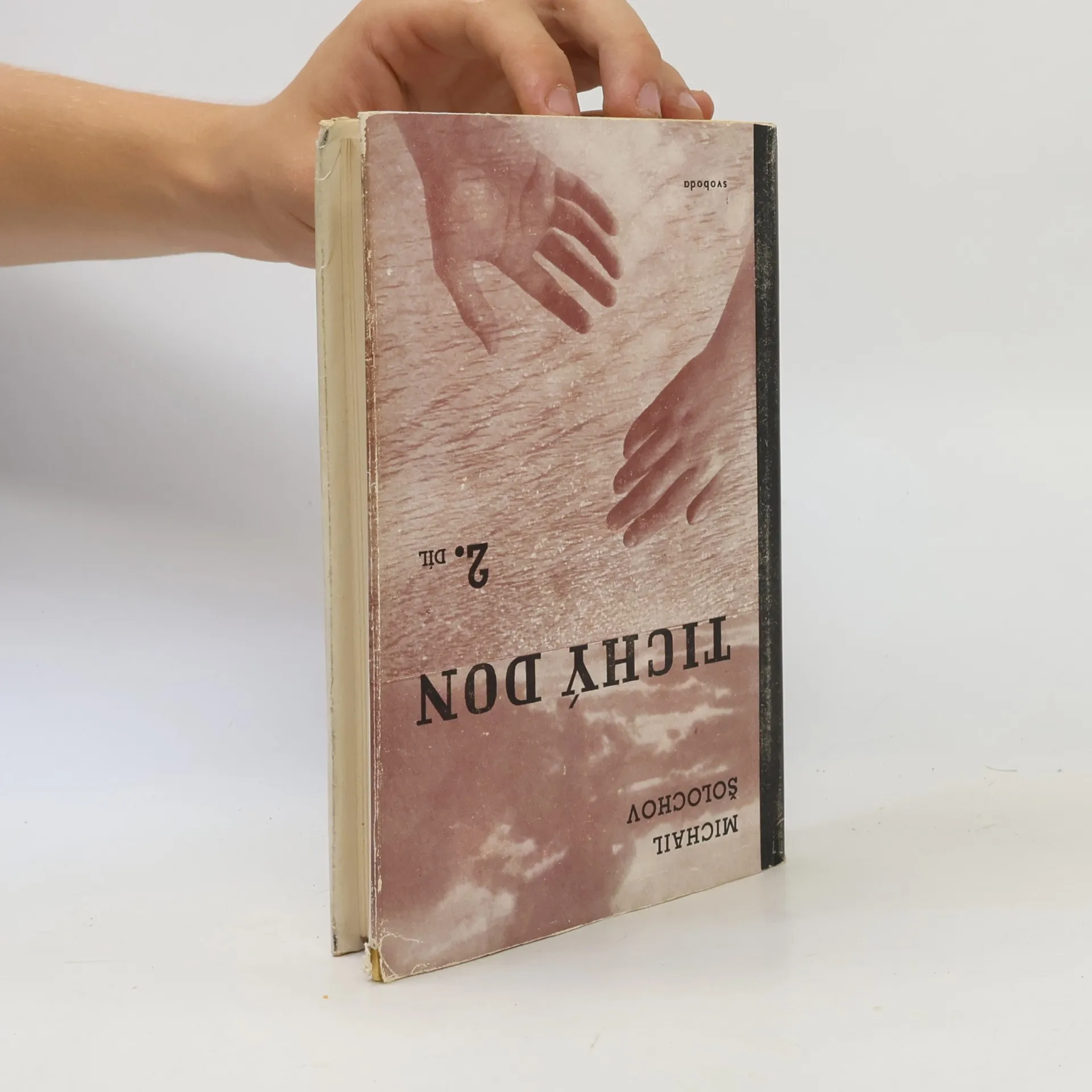
"Quiet Don" is a monumental novel that brought its author, Russian writer Mikhail Sholokhov, worldwide recognition and the Nobel Prize in Literature. This sweeping epic narrates the tragic events in Russian history, focusing on human destinies shattered by fratricidal war and love that endures through all trials. It is challenging to find a work in Russian literature that matches "Quiet Don" in its profound understanding of reality and narrative freedom.
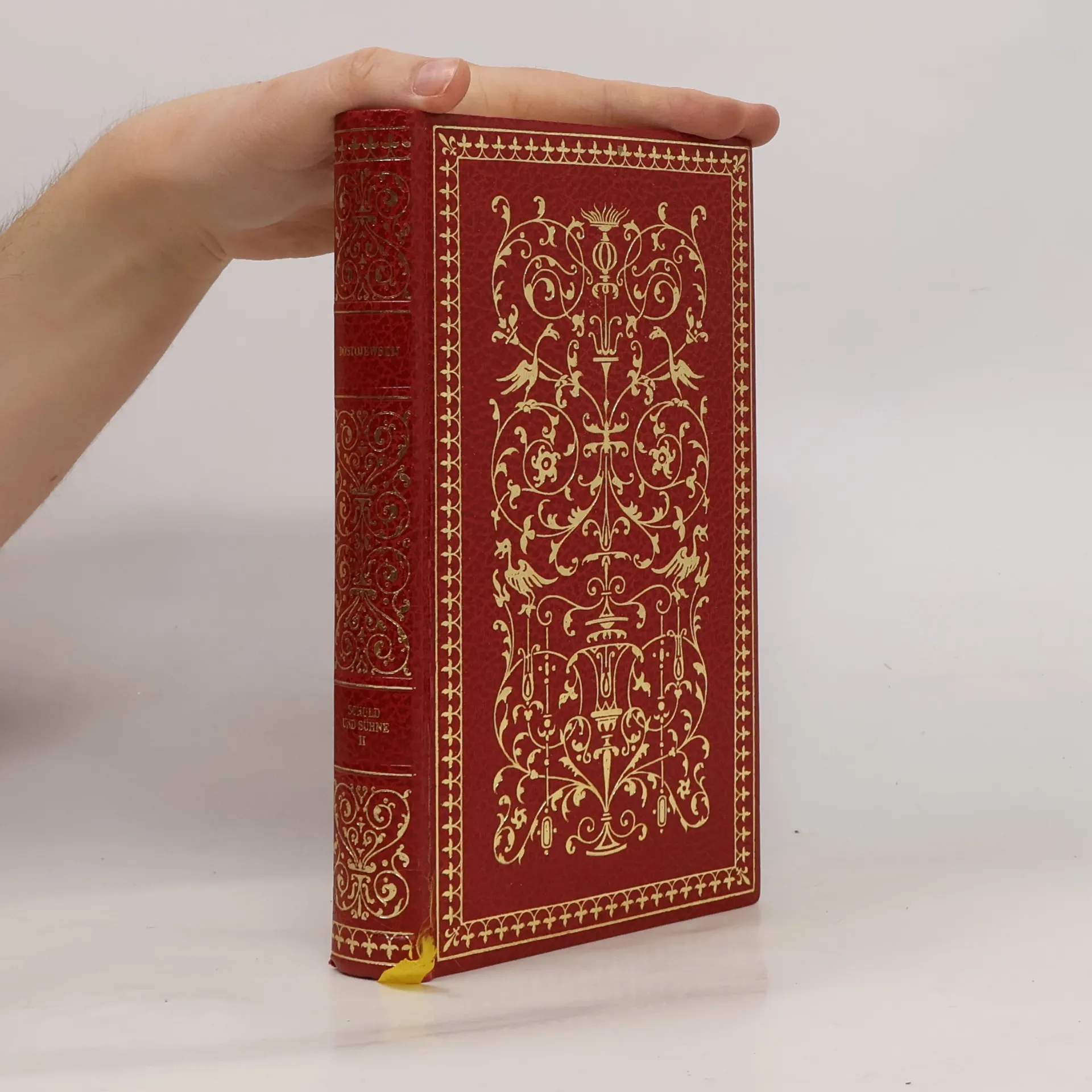
Der Roman »Schuld und Sühne« spielt im Sankt Petersburg der 1860er Jahre und folgt dem Jurastudenten Rodion Raskolnikow, der einen »erlaubten Mord« plant. Nach dem Verbrechen findet er keine Ruhe und wird schließlich verurteilt. Im Epilog zeigt sich seine Haft als Befreiung, und er entdeckt seine Liebe zu Sofja.
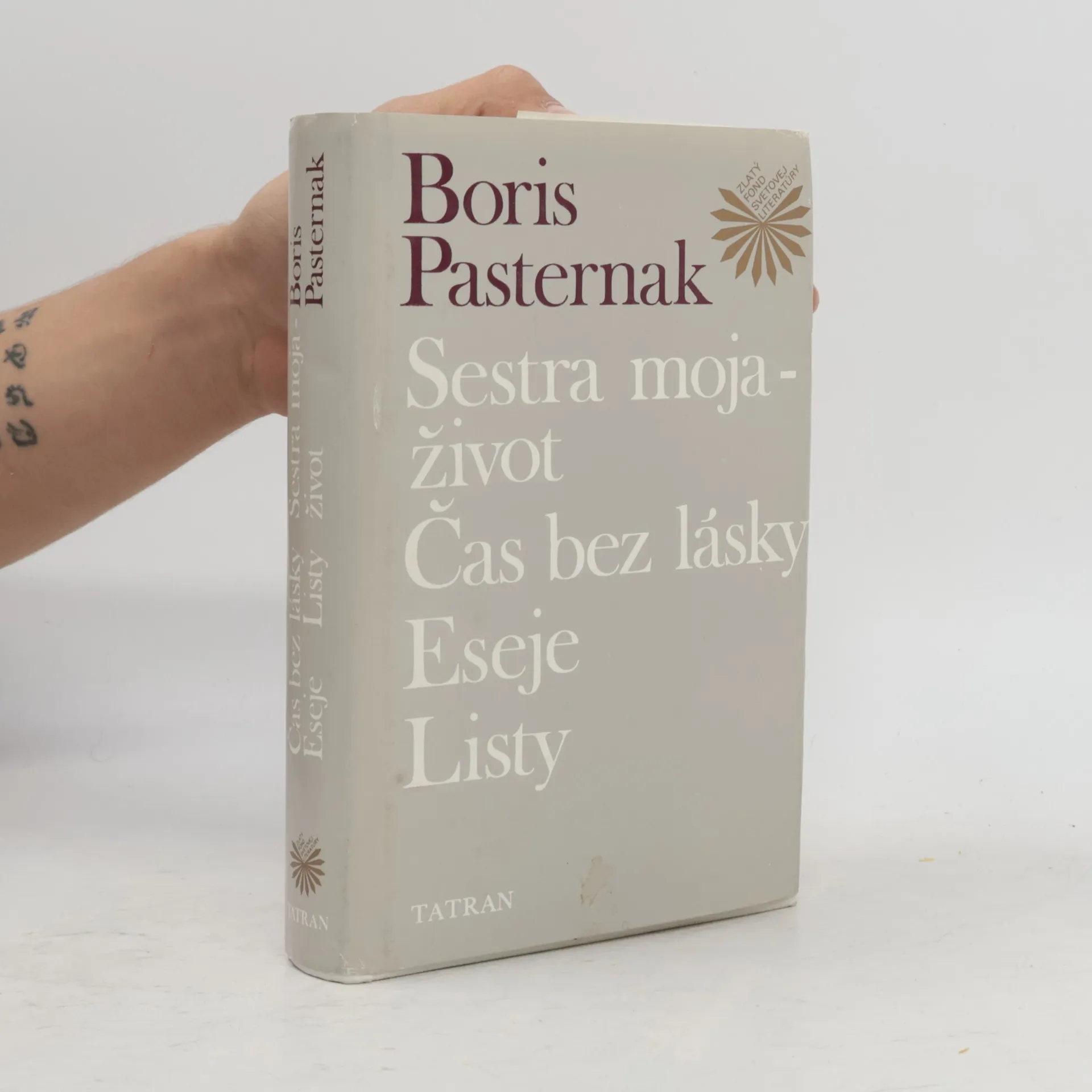
Sestra moja - život je najoriginálnejšia z Pasternakových básnických zbierok. Bezprostredne za ňou nasleduje prvá próza, oslobodená od novelisticko-romantických klišé.
Hudobné centrum prináša slovenským čitateľom po šesťdesiatich rokoch nové revidované vydanie kľúčového diela 20. storočia o klavírnom umení v pôvodnom preklade Zory Jesenskej. Poetika klavíra Genricha Nejgauza – vynikajúceho interpreta a učiteľa viacerých klaviristov svetového kalibru – je pútavým čítaním pre všetkých, ktorí chcú hlbšie vniknúť do tajov interpretačného umenia ako takého. Publikáciu obohacuje obsažný poznámkový aparát a dopĺňajú ju eseje odchovancov Nejgauzovej klavírnej triedy.