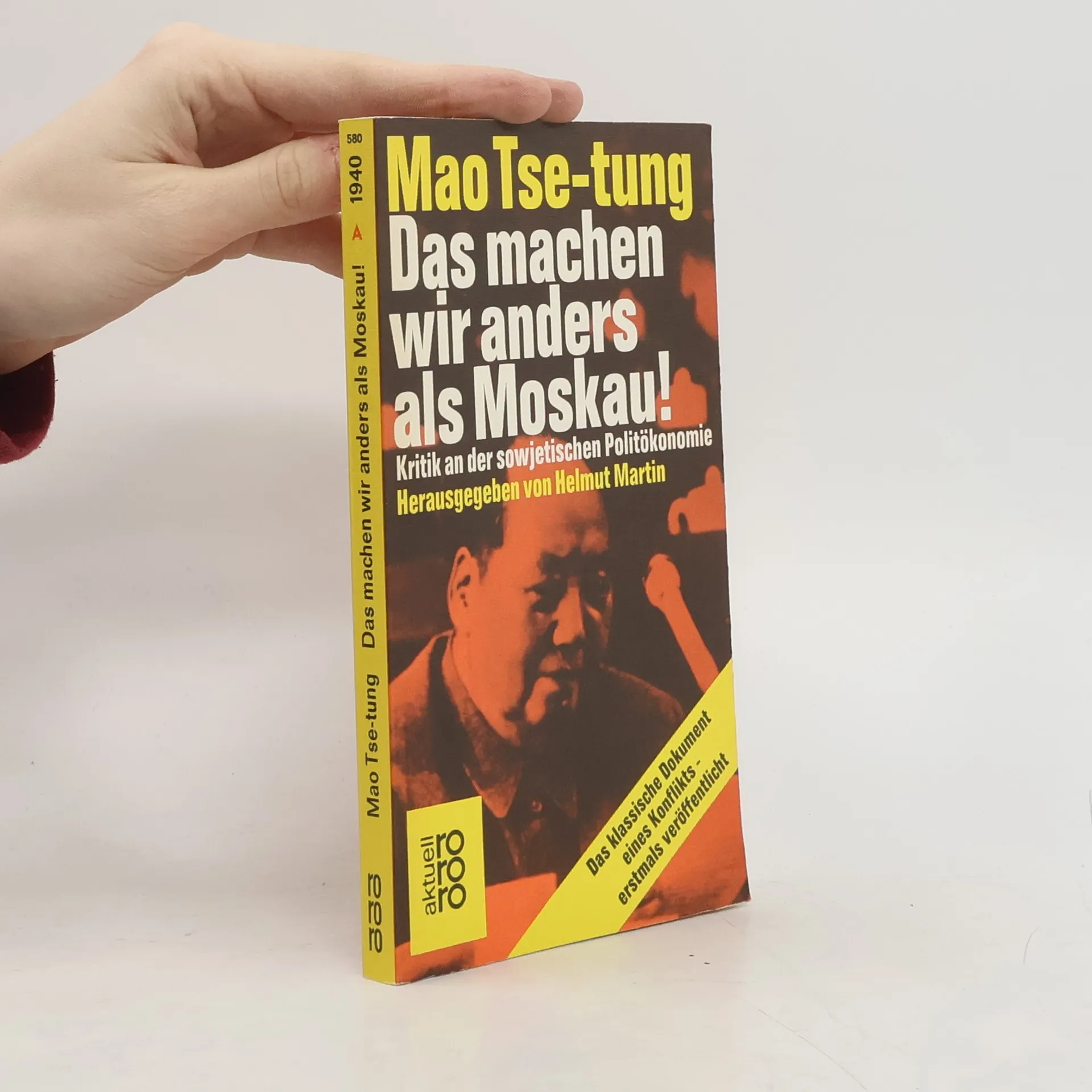
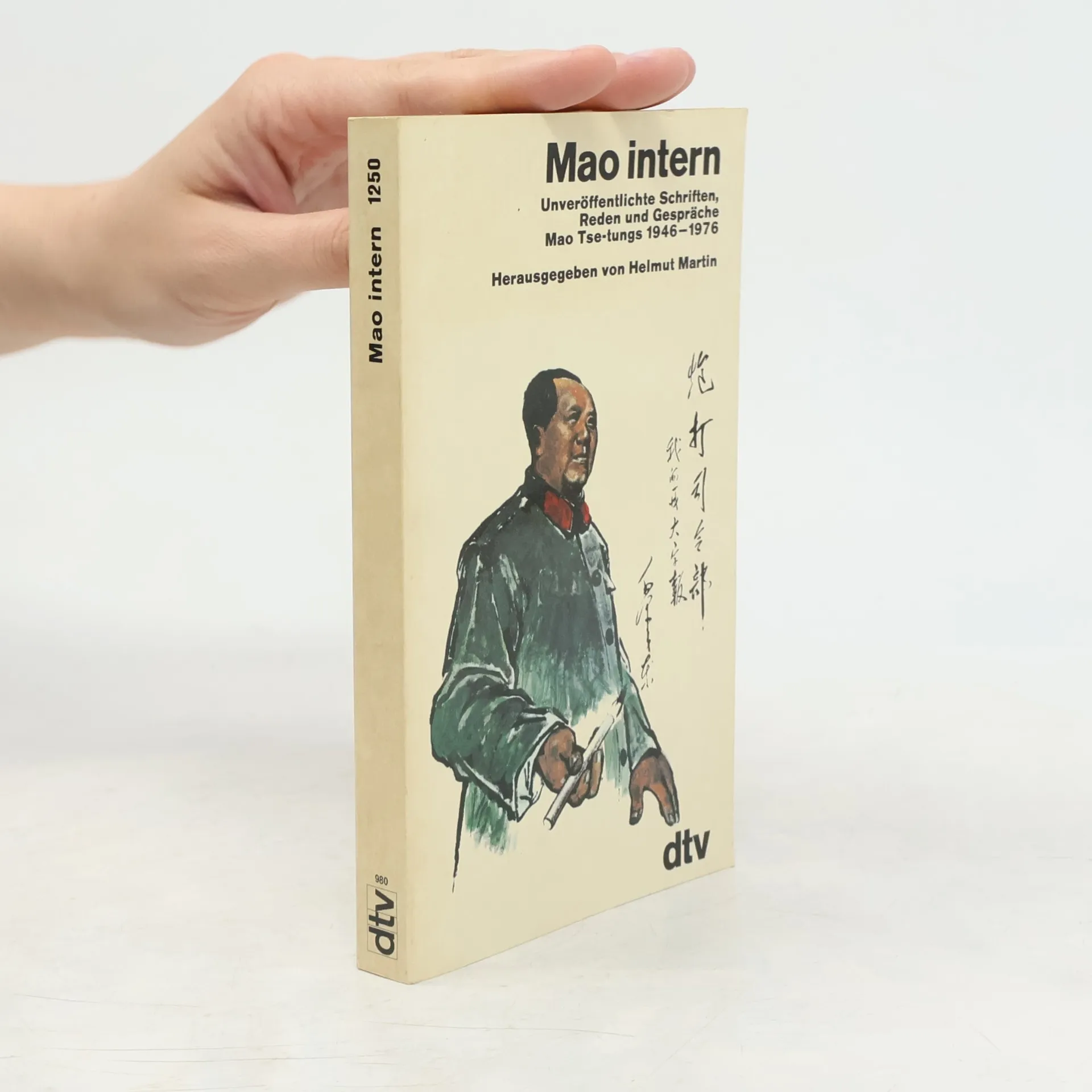
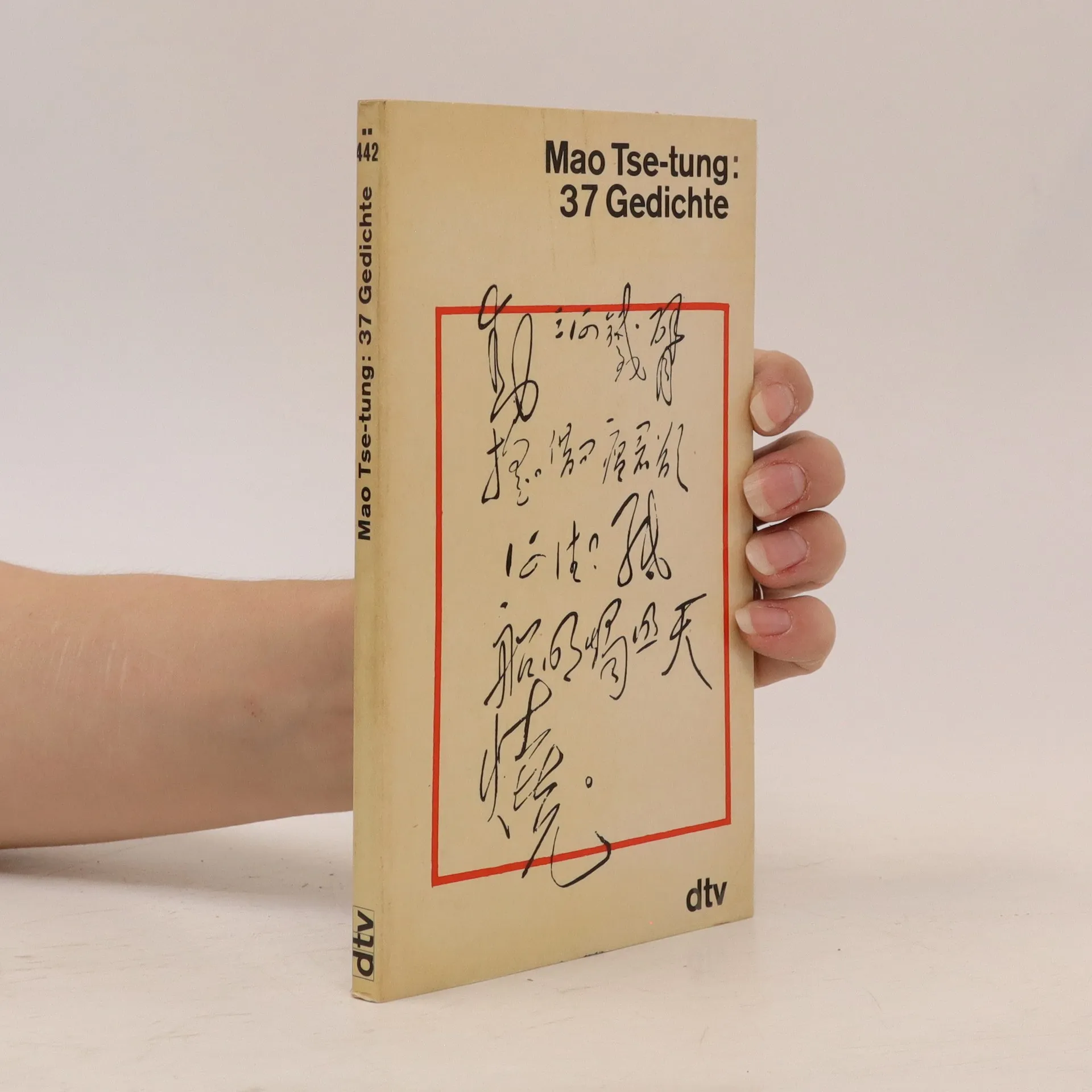
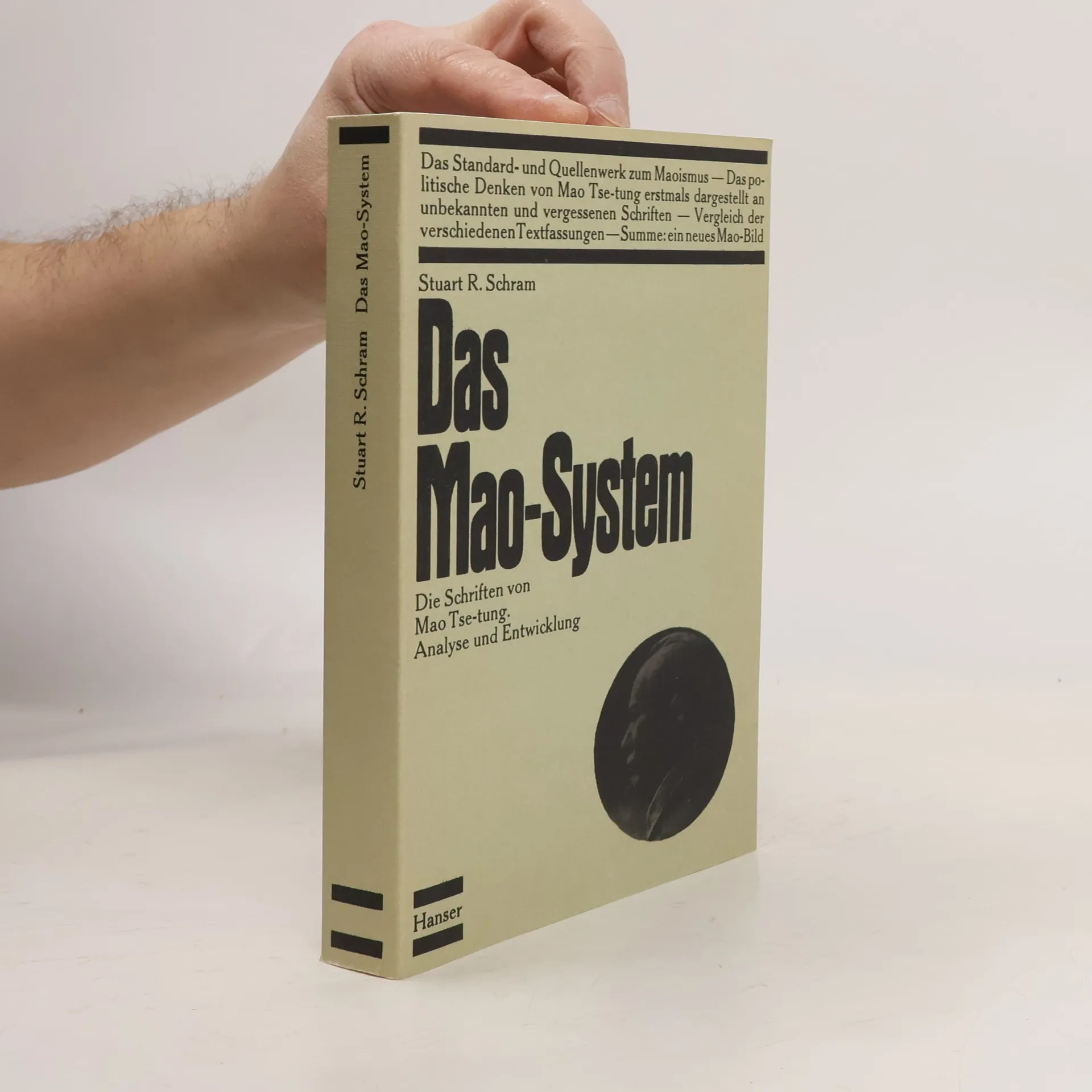
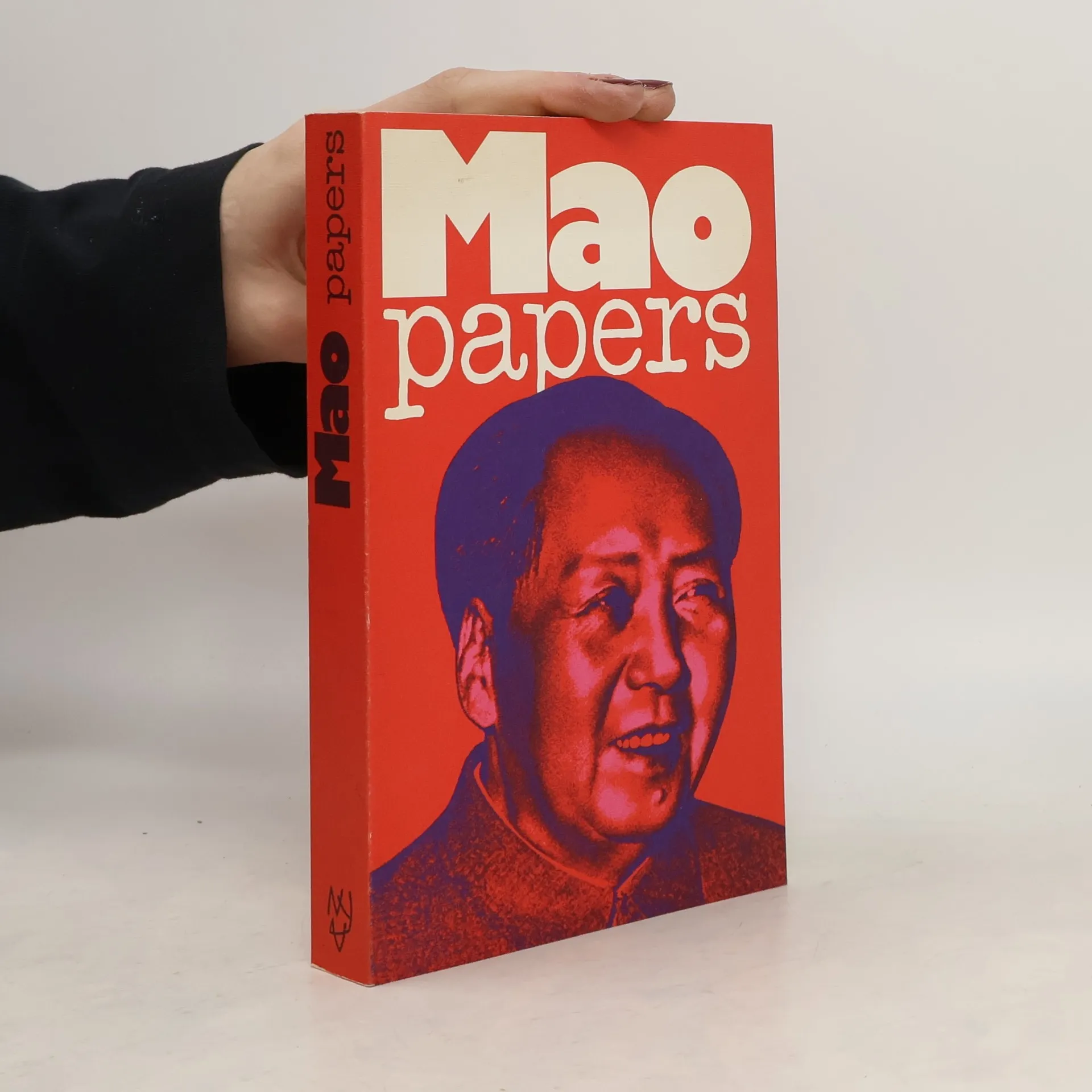
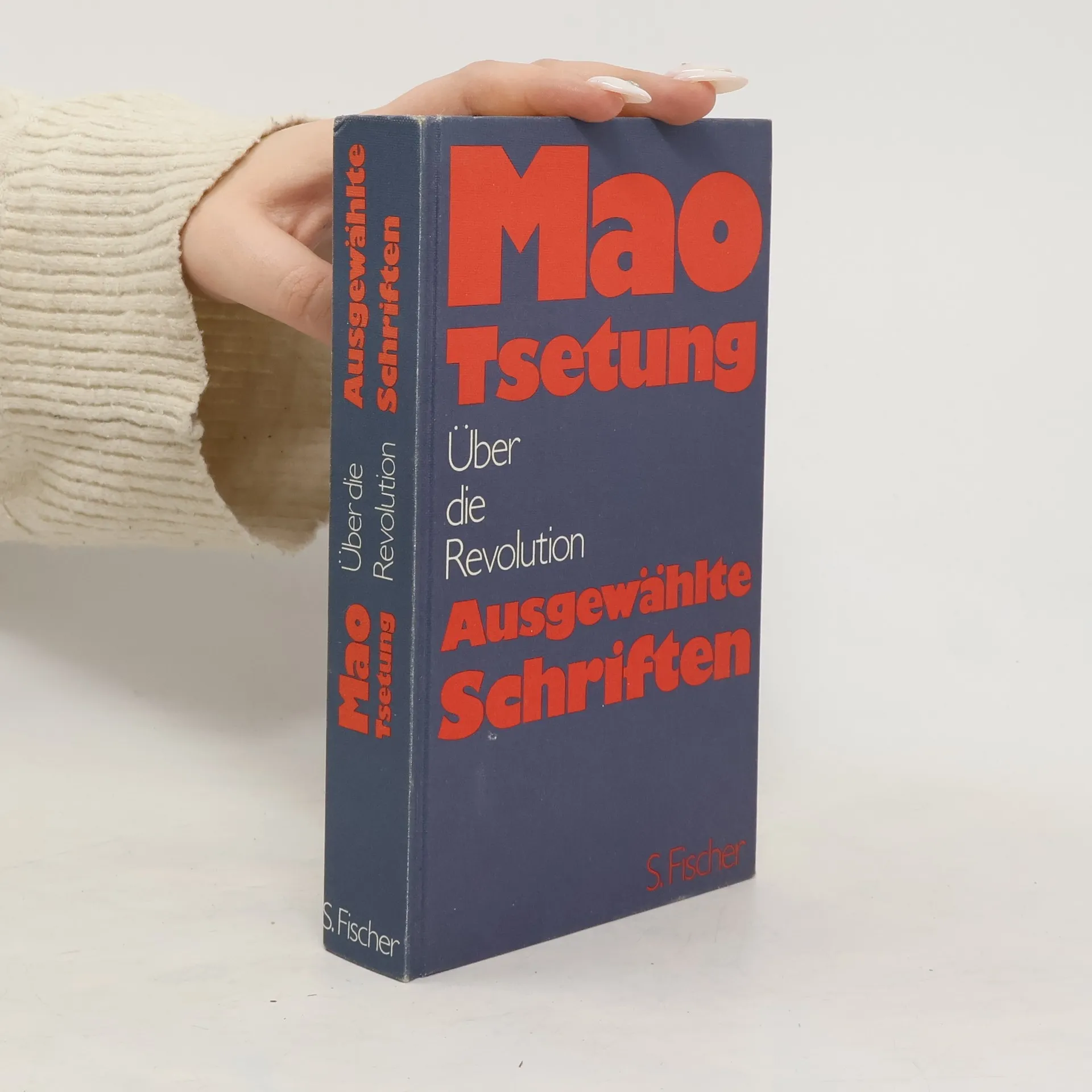
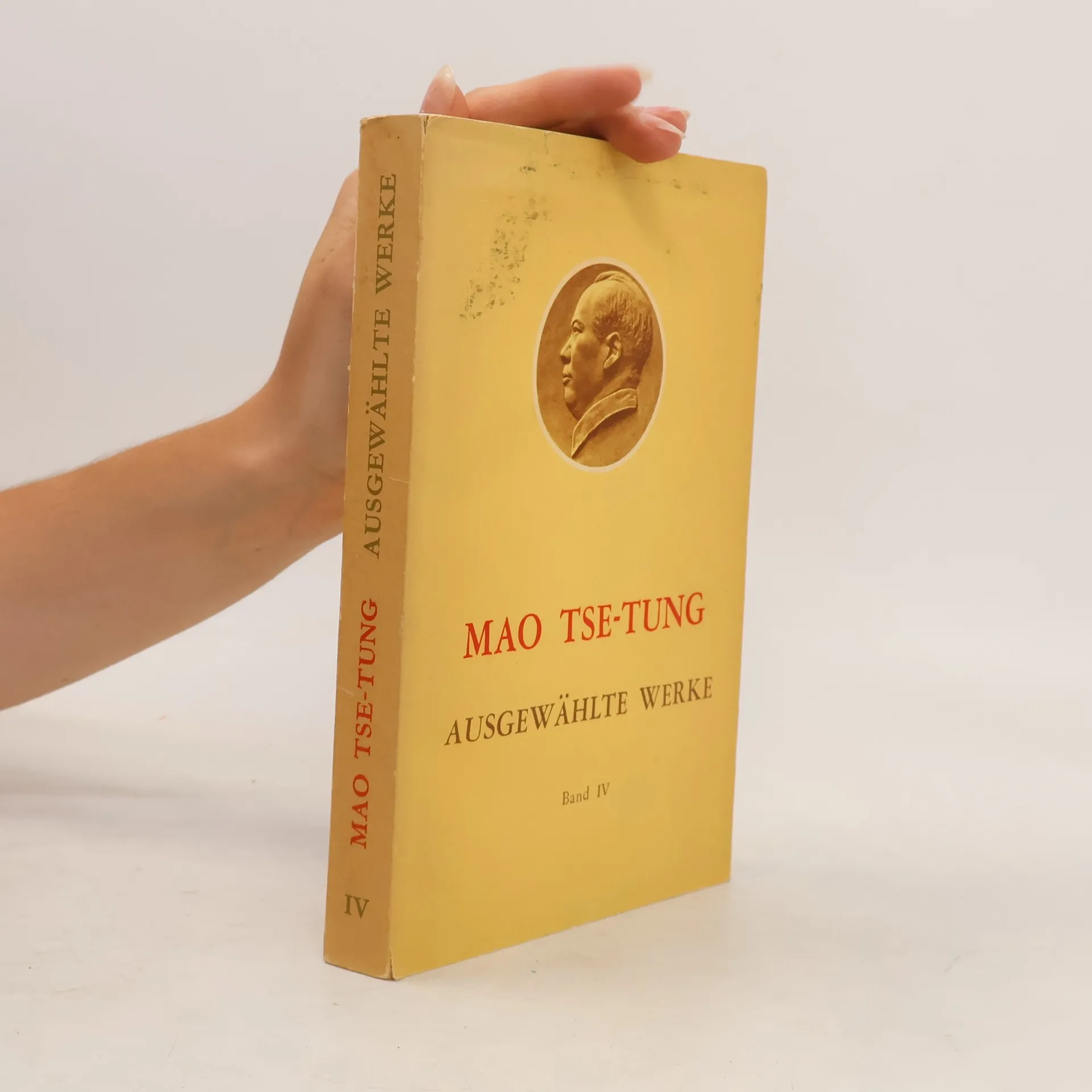
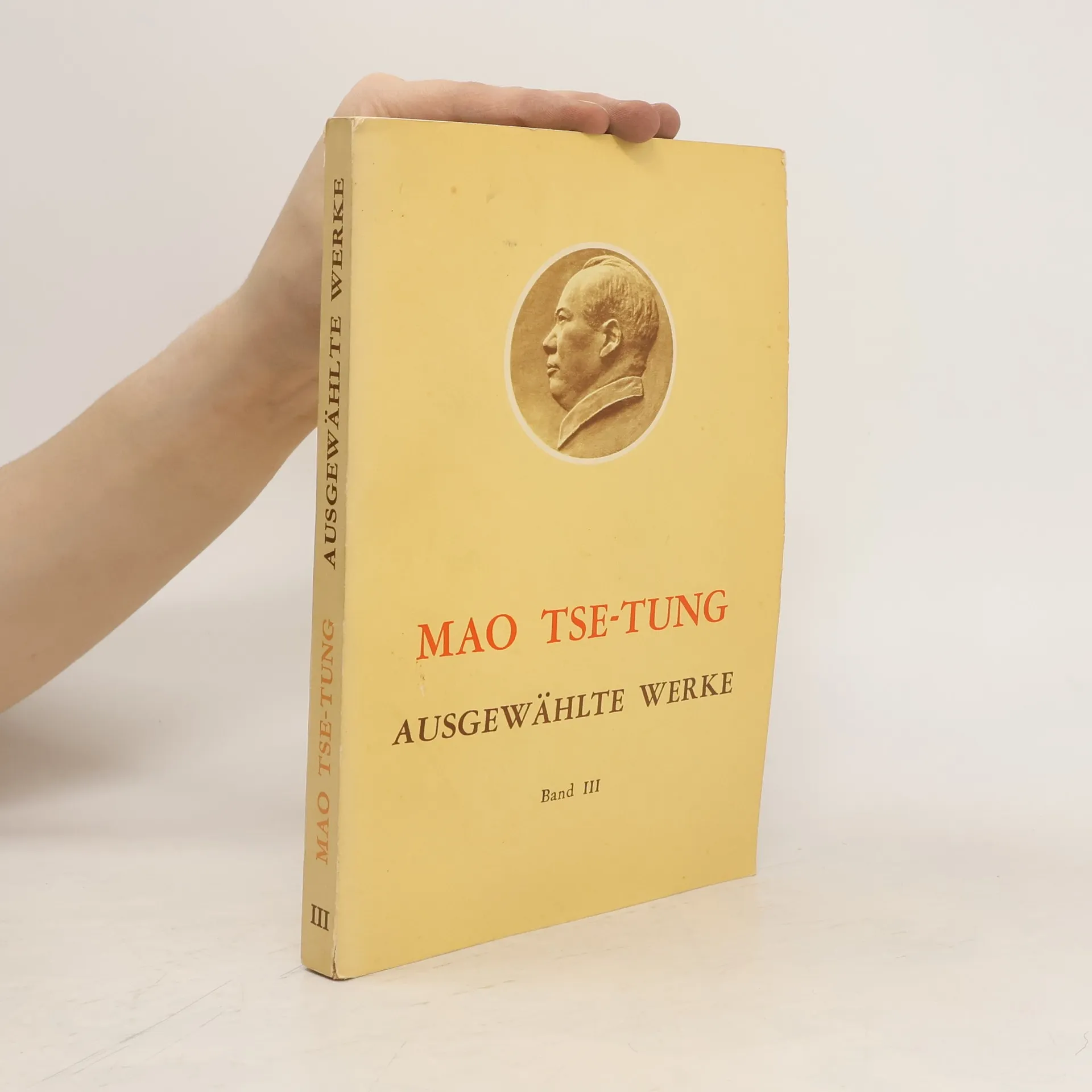
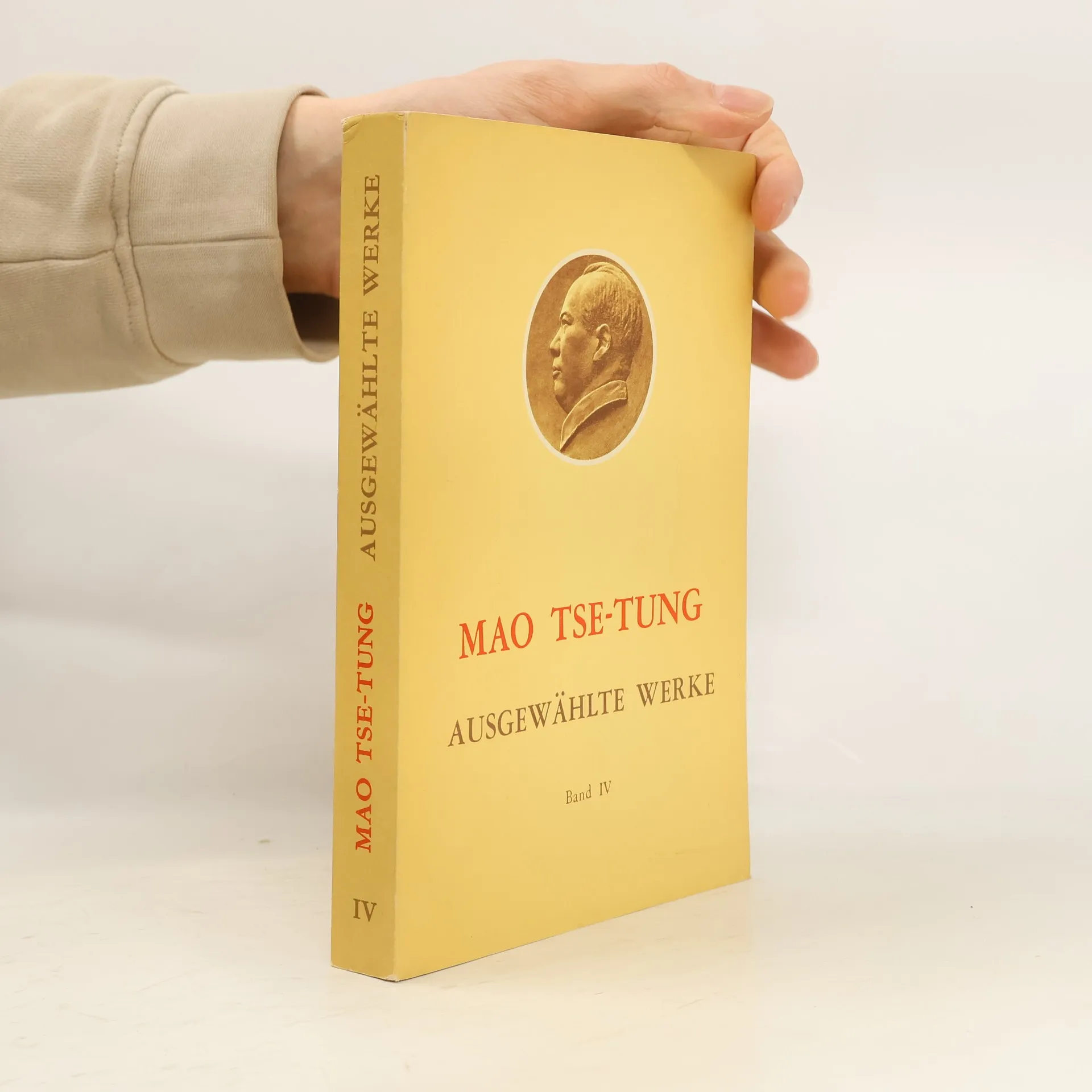
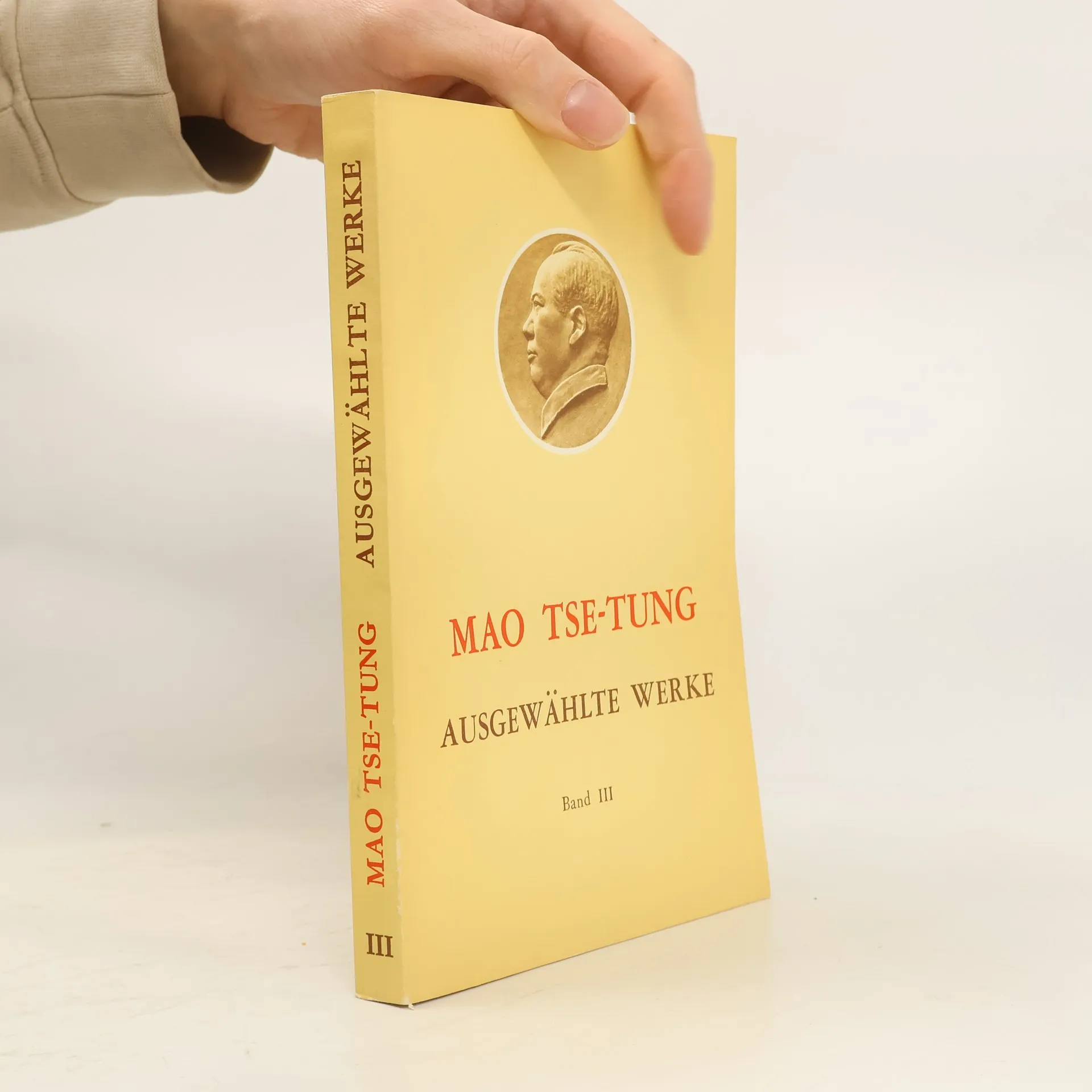
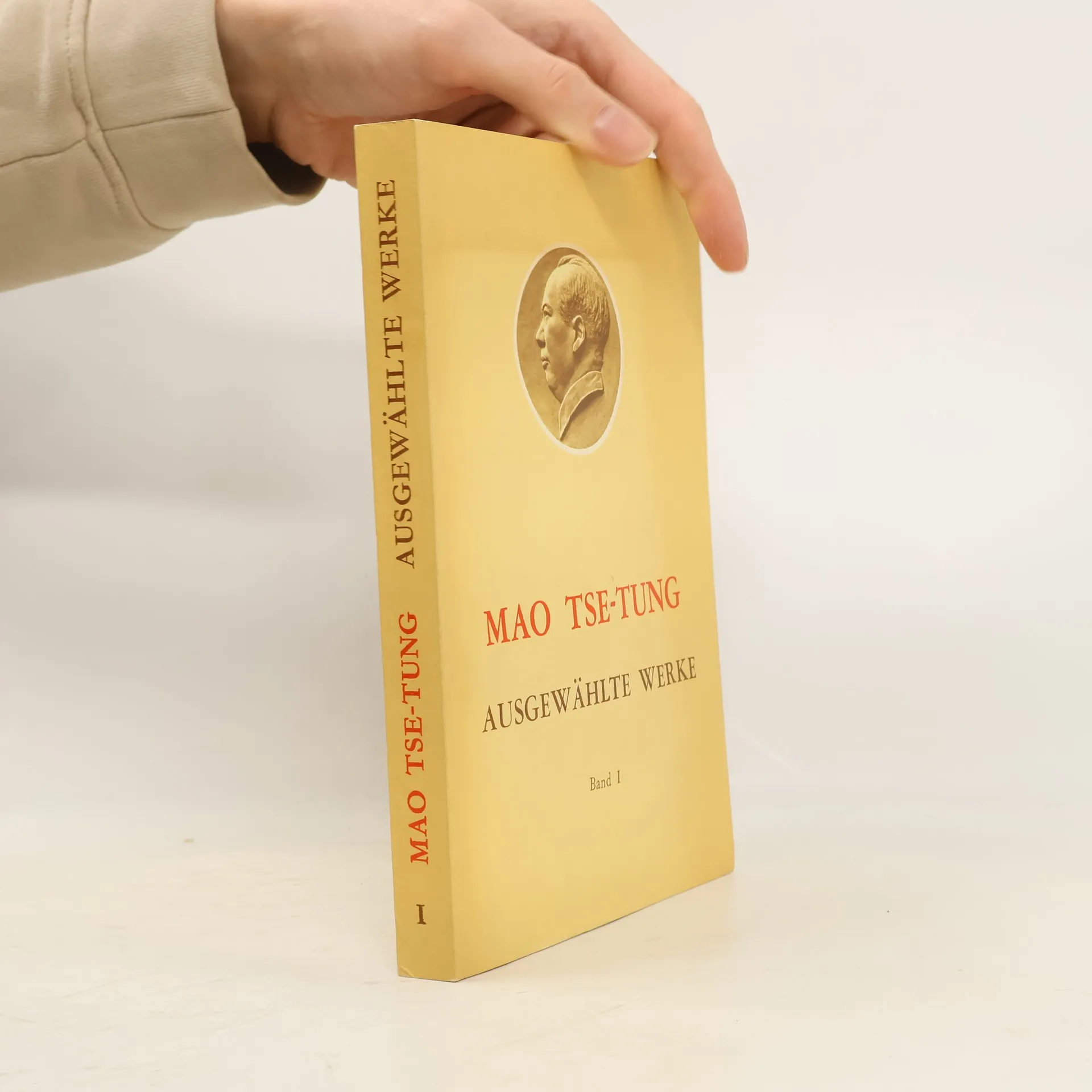
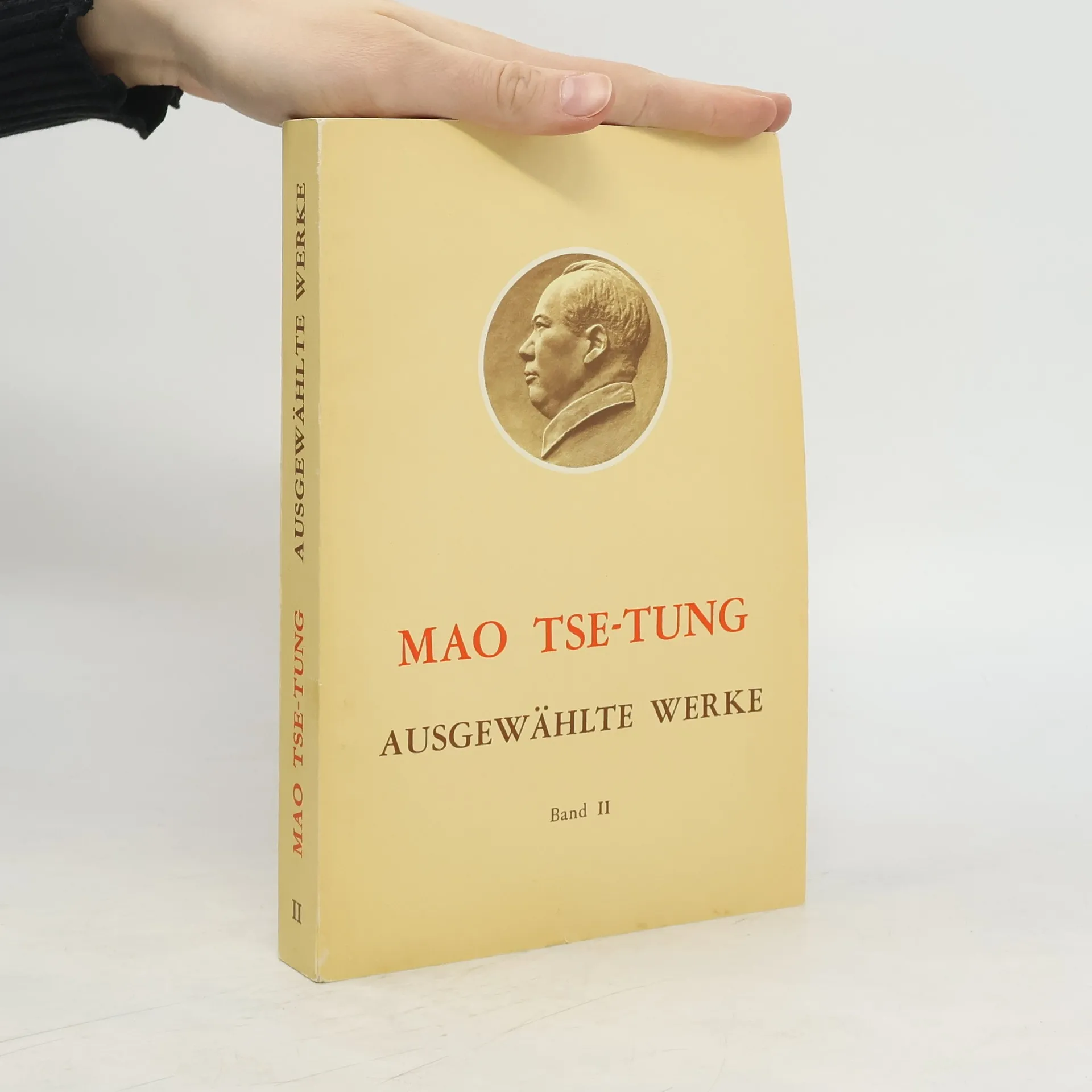
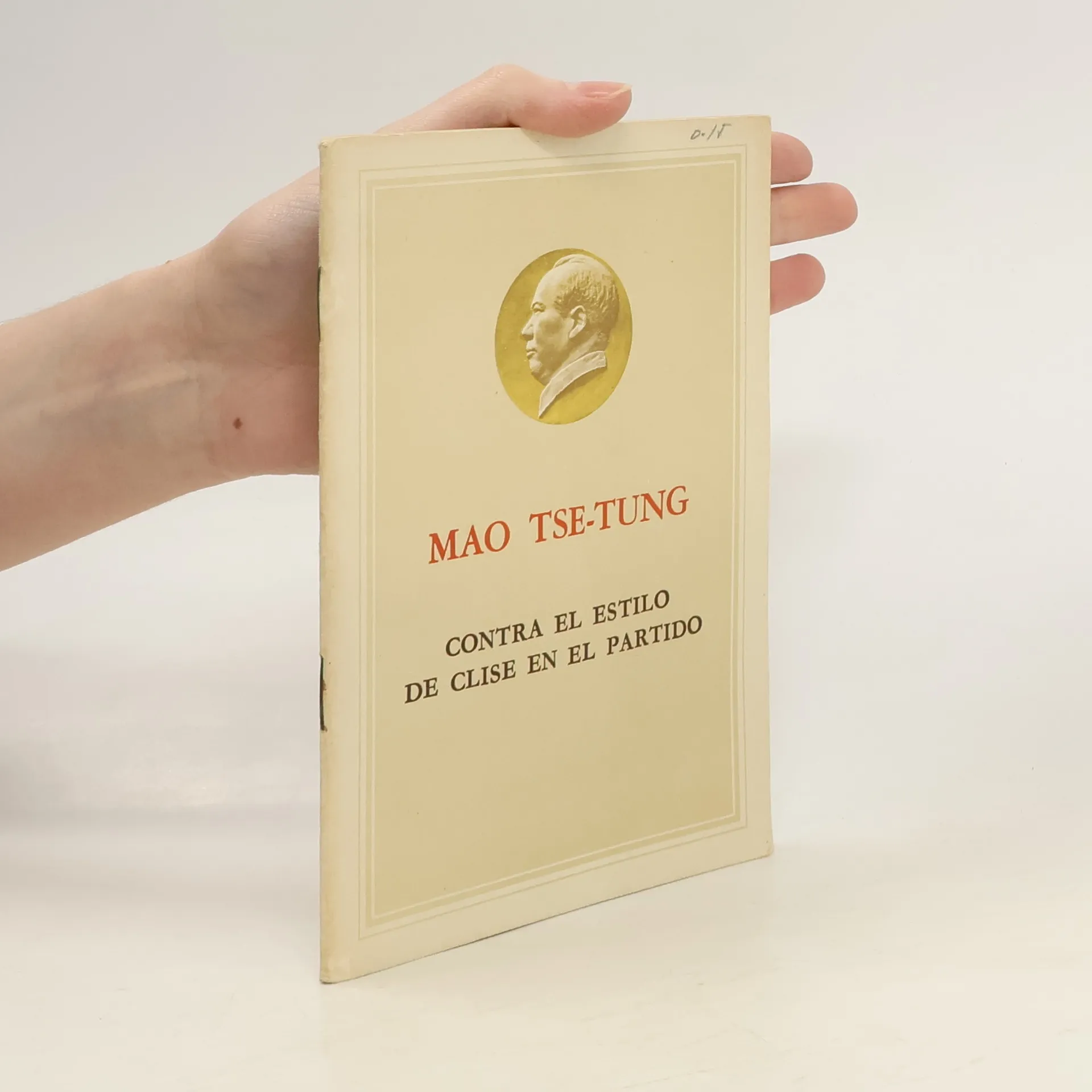
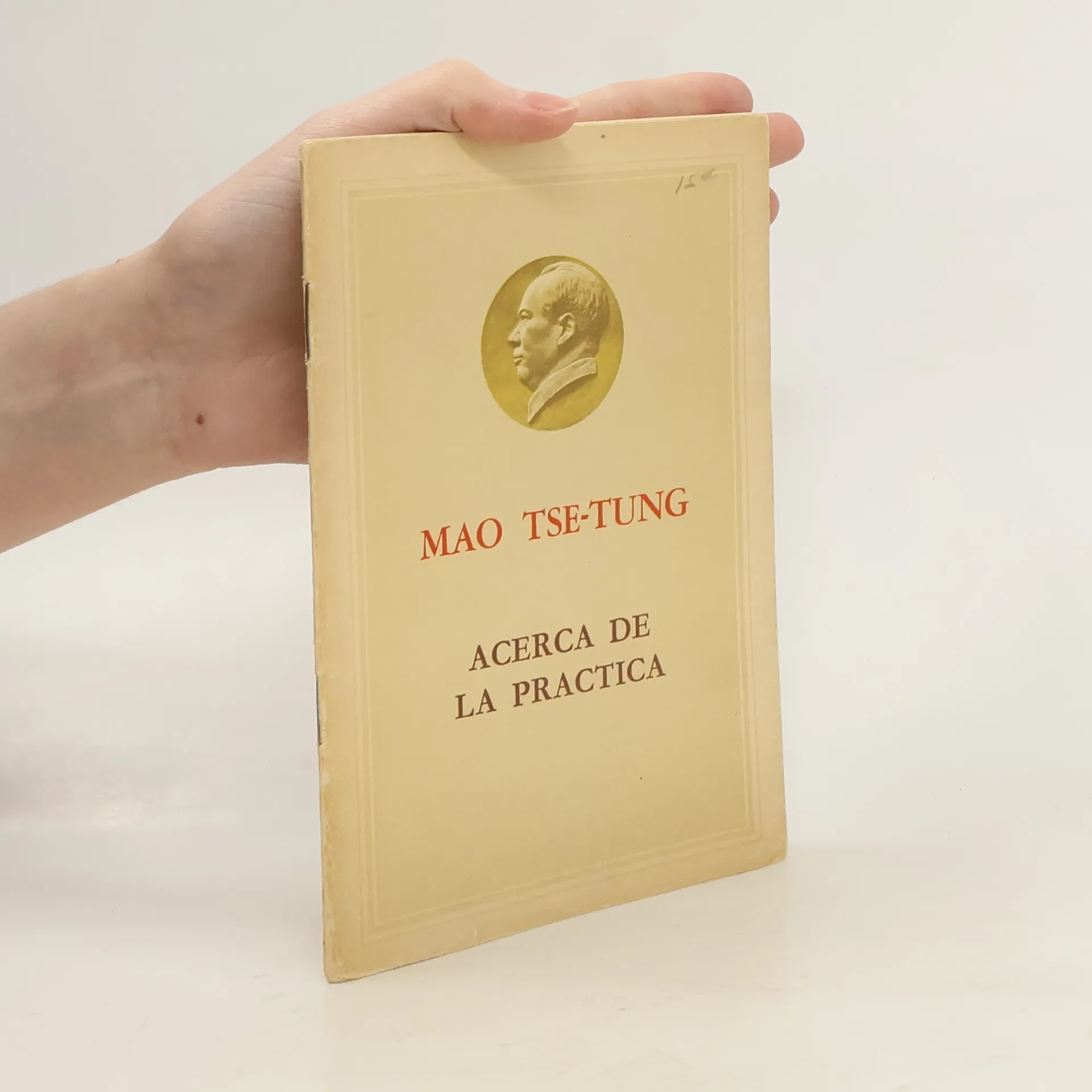
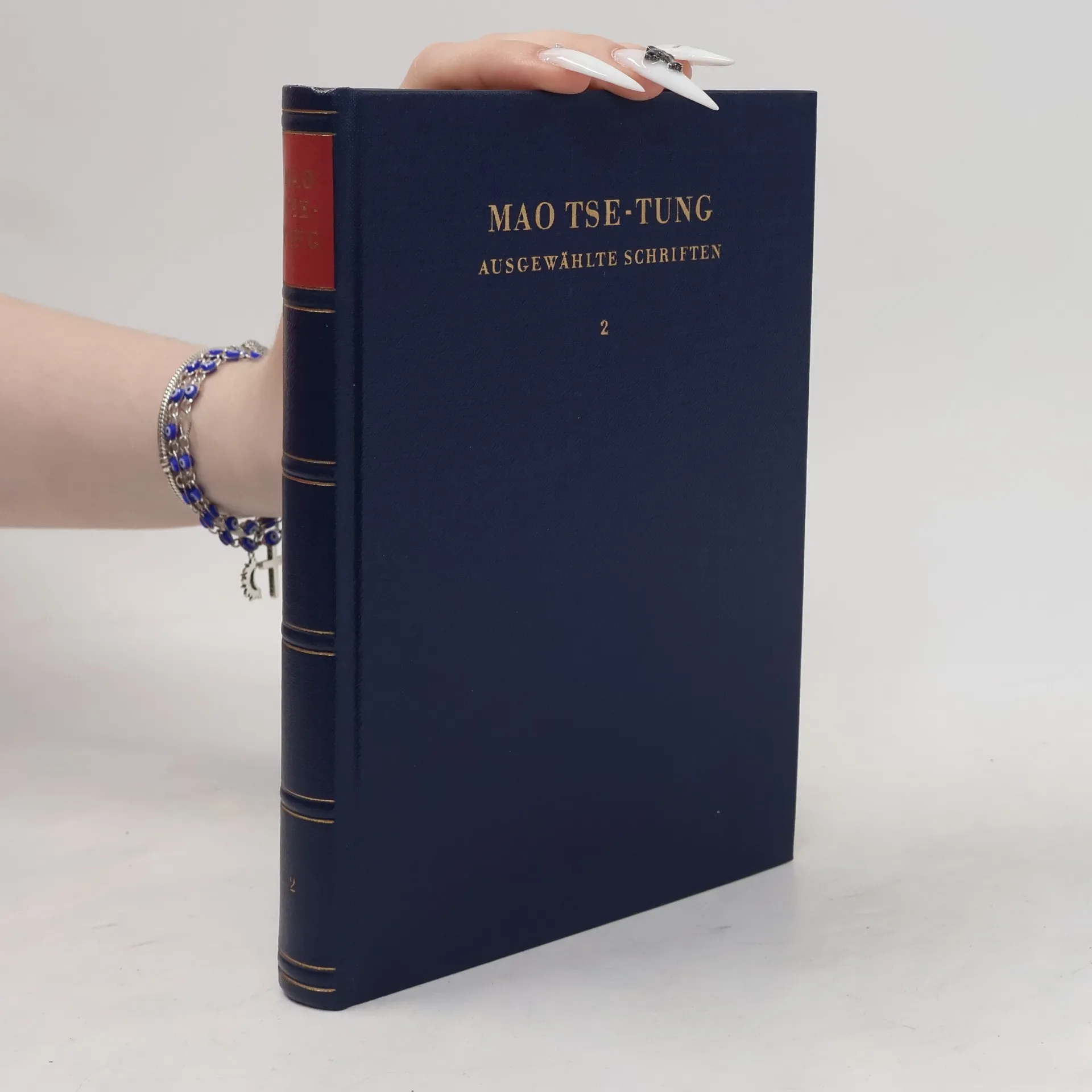
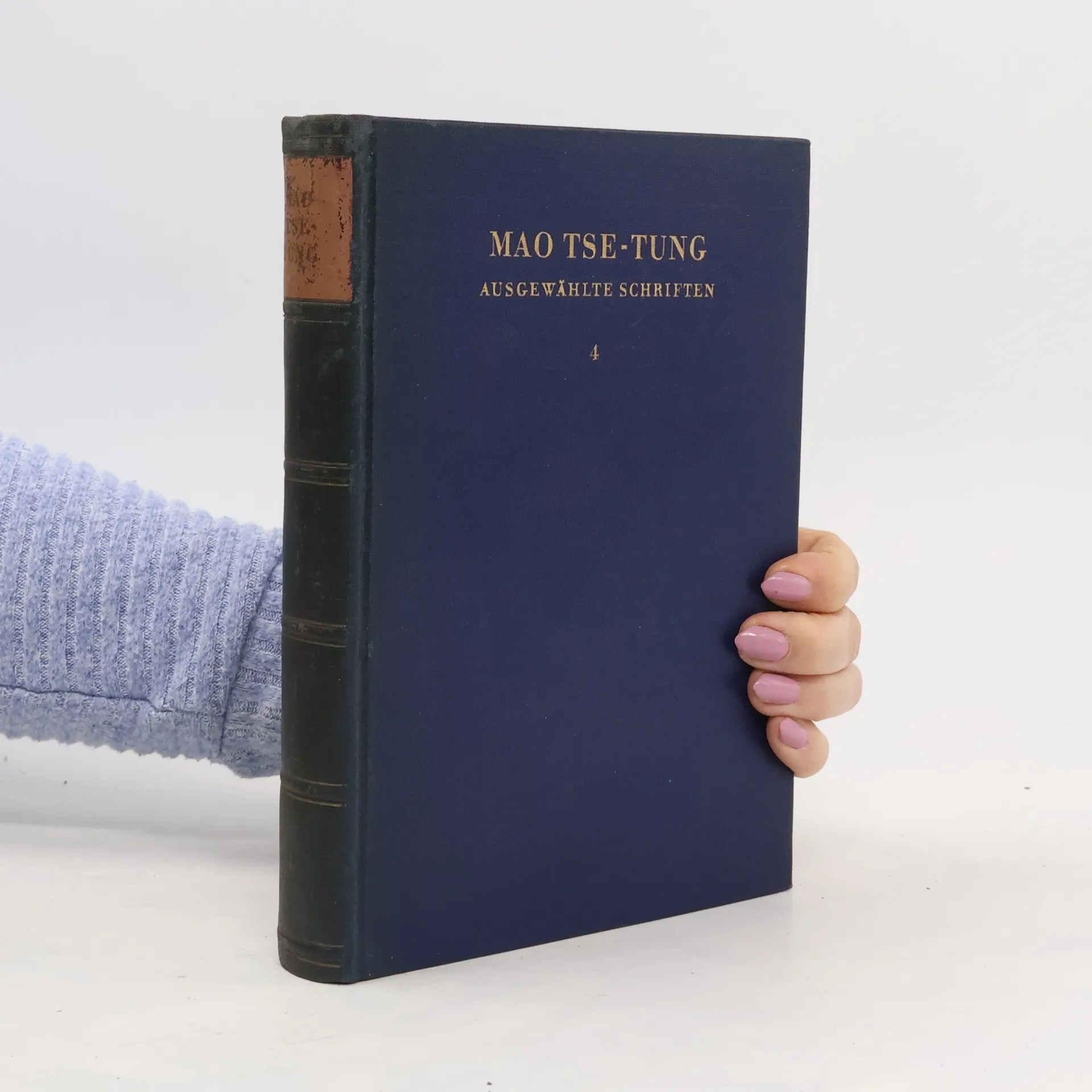
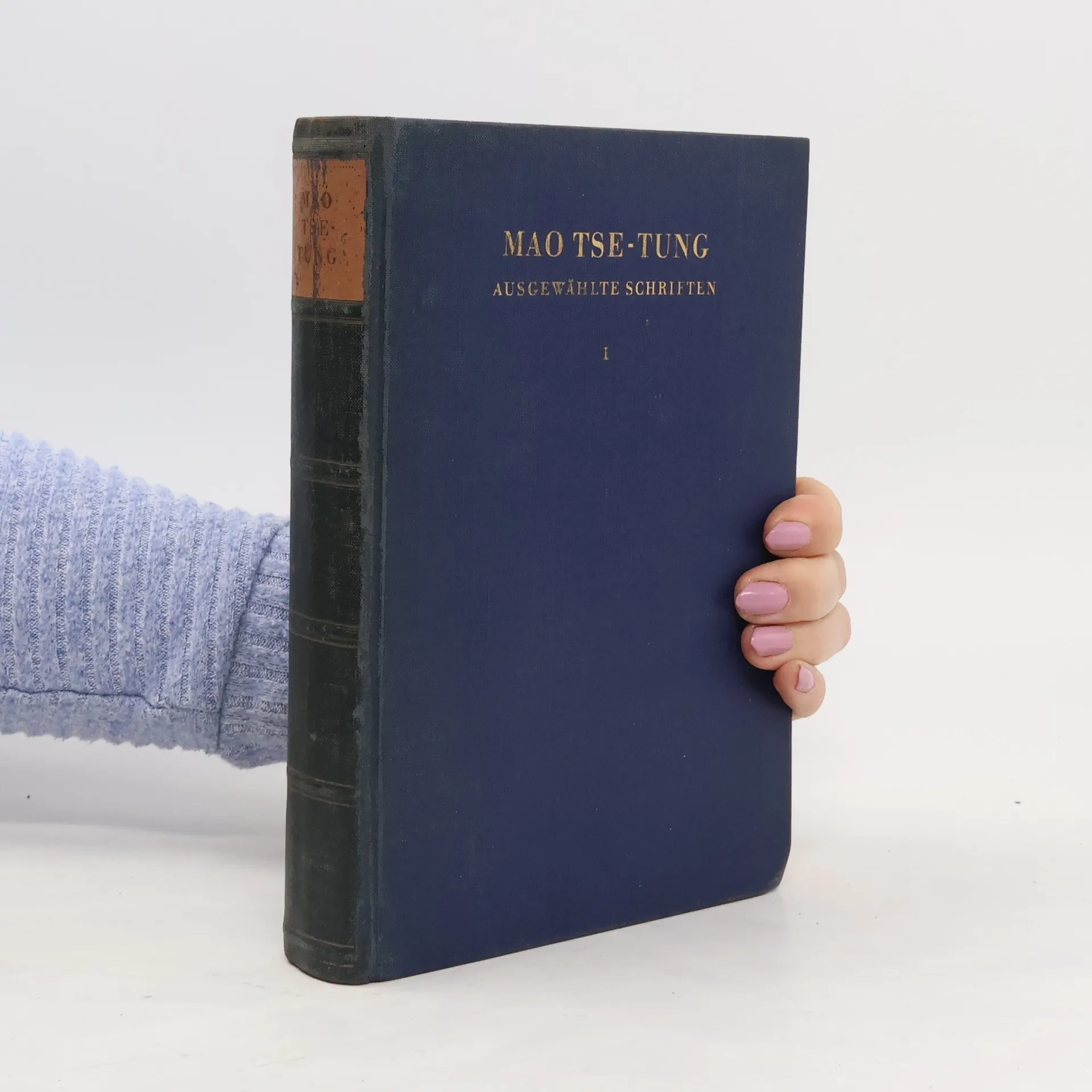
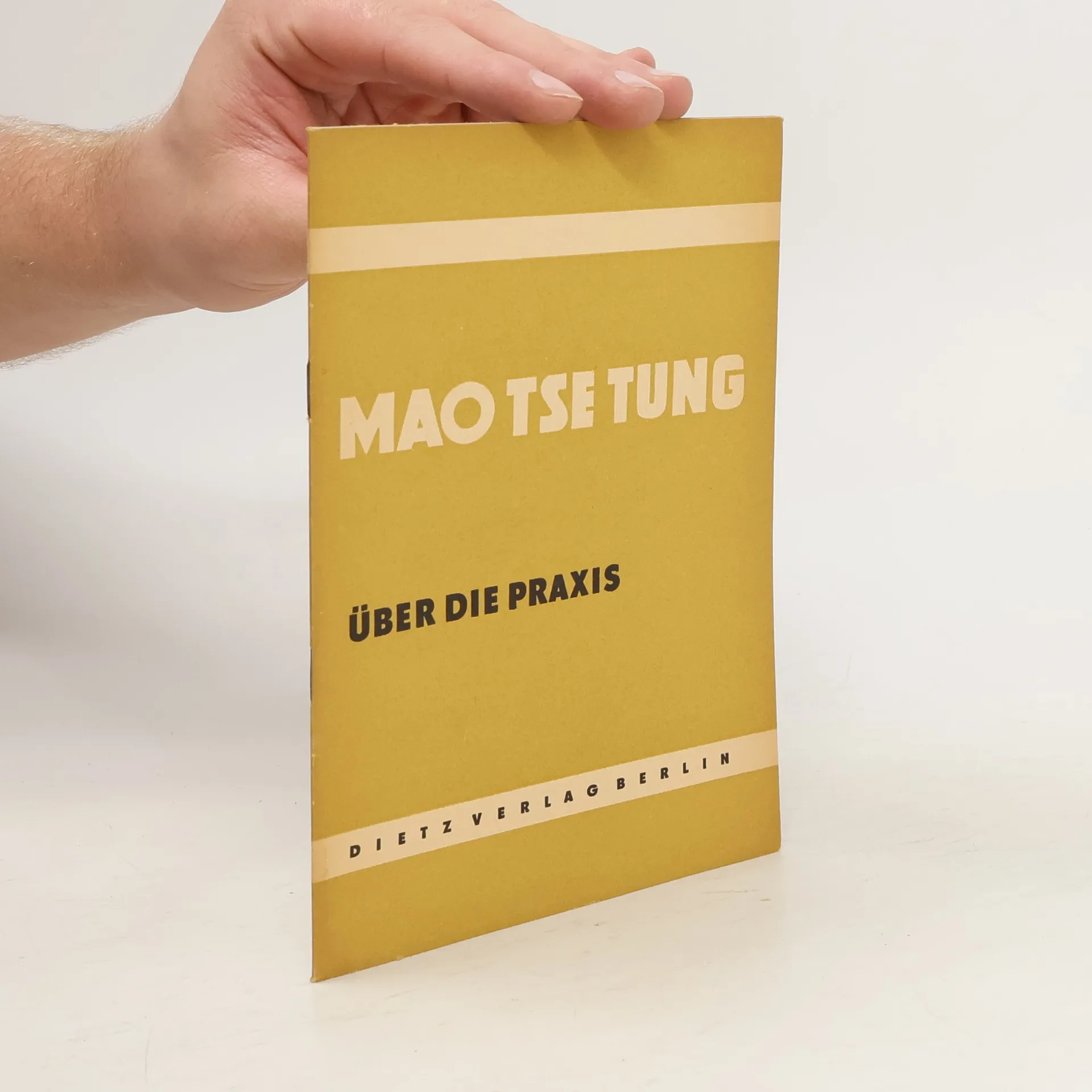
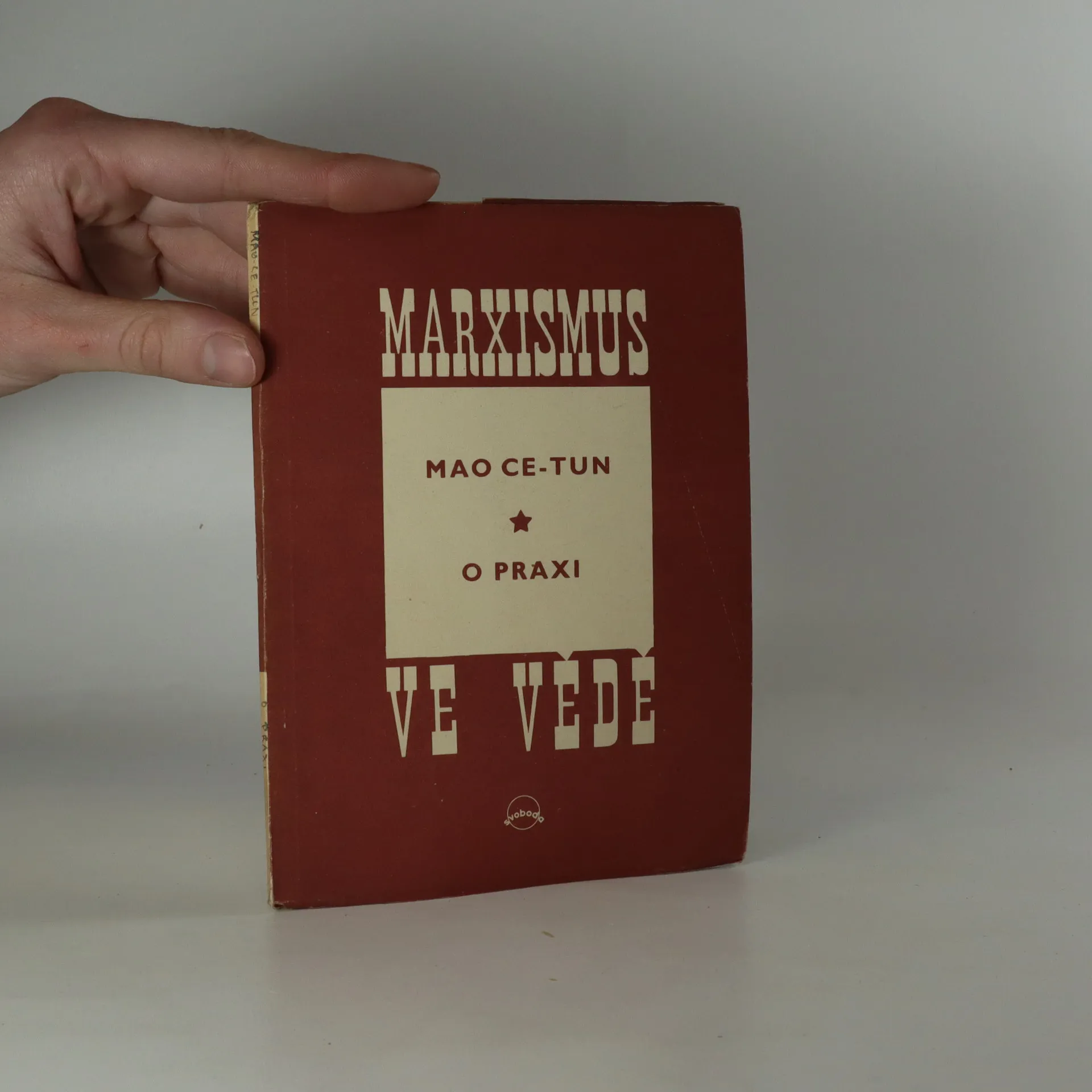
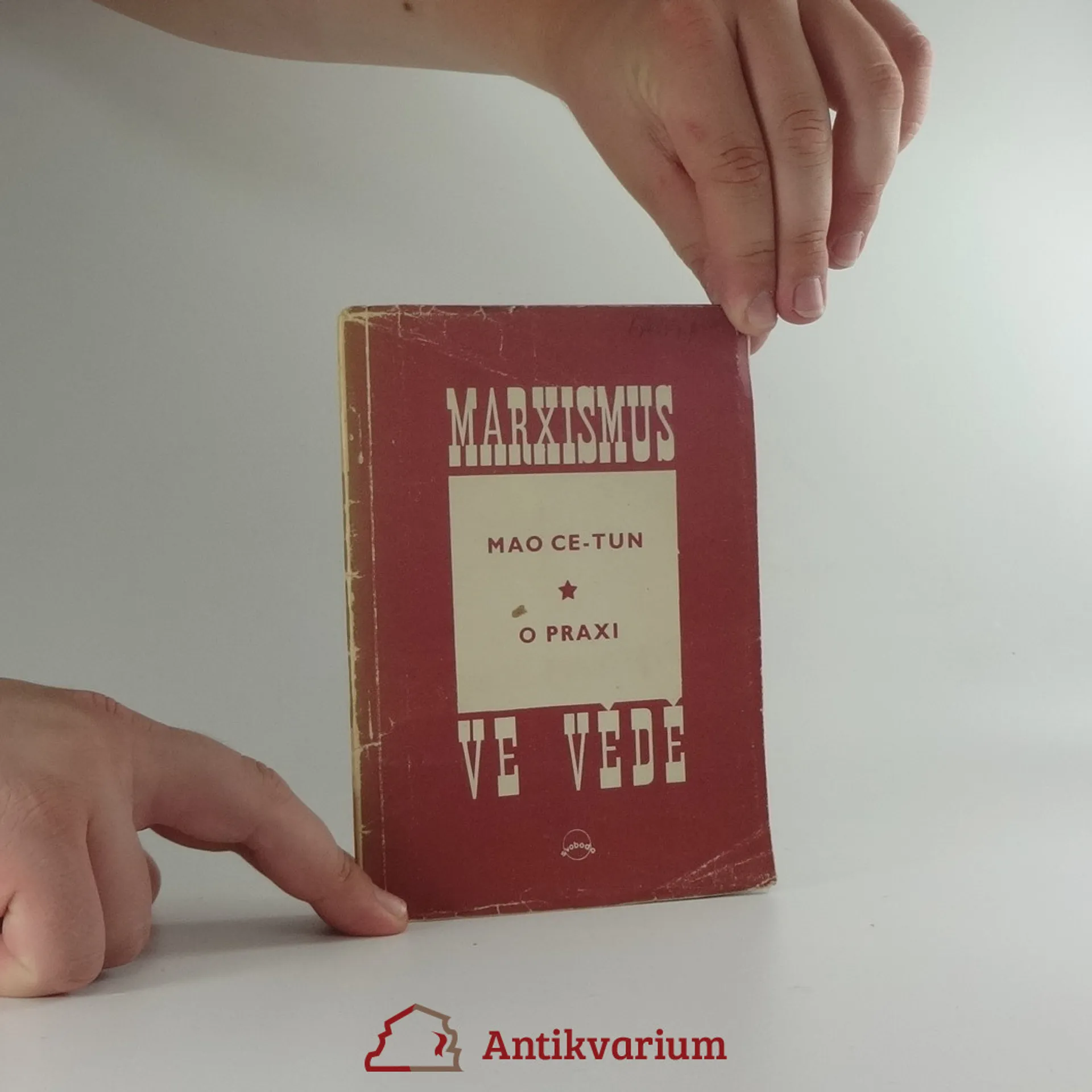
Mao Zedong fut une figure centrale de la Révolution chinoise et le père fondateur de la République populaire de Chine. Ses stratégies politiques et militaires, collectivement connues sous le nom de maoïsme, ont profondément marqué l'histoire moderne de la Chine. Bien que reconnu pour sa perspicacité stratégique et ses contributions théoriques, ses campagnes restent controversées et ont entraîné d'immenses bouleversements sociaux et un coût humain considérable. Son héritage continue d'être un sujet de débat intense et de réinterprétation.
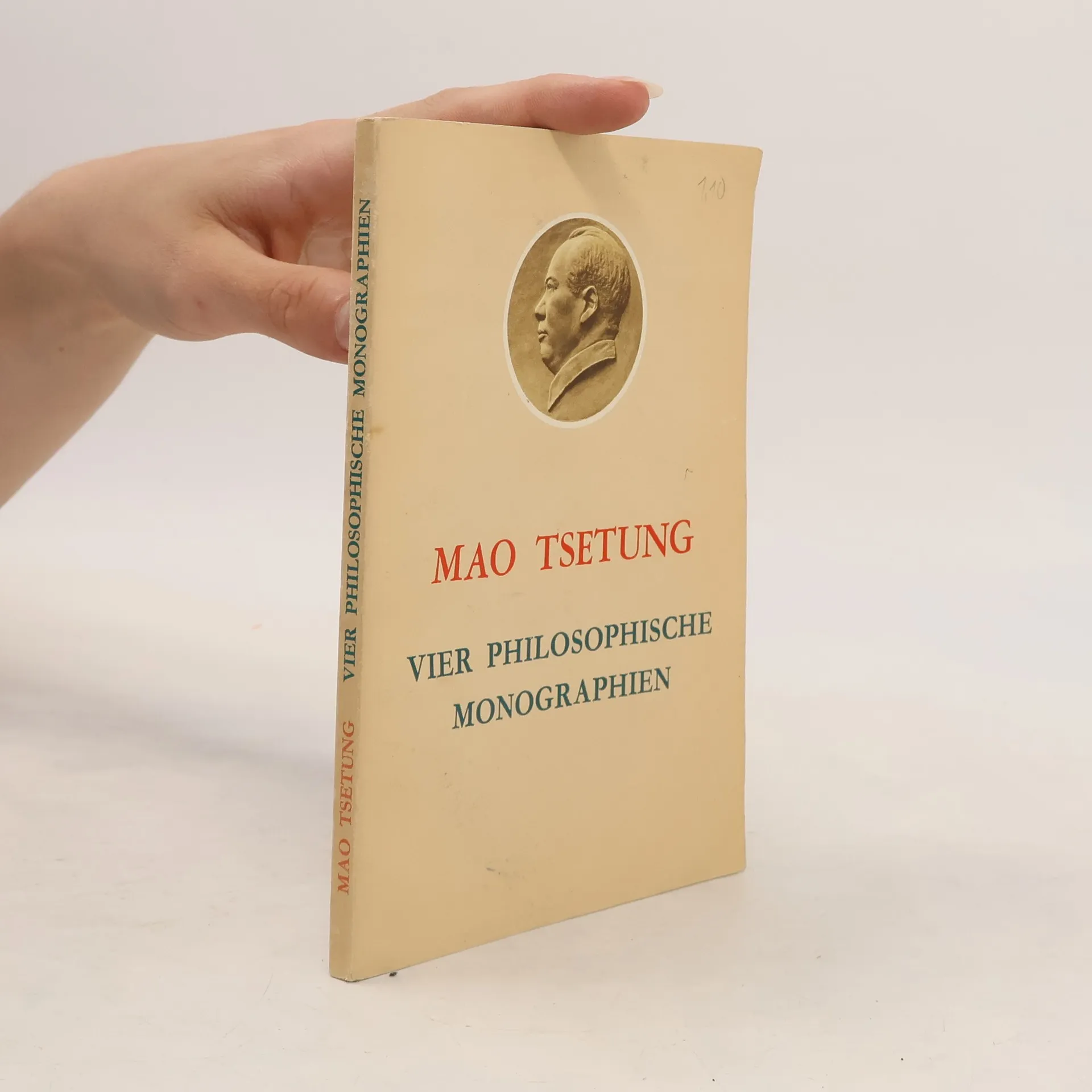
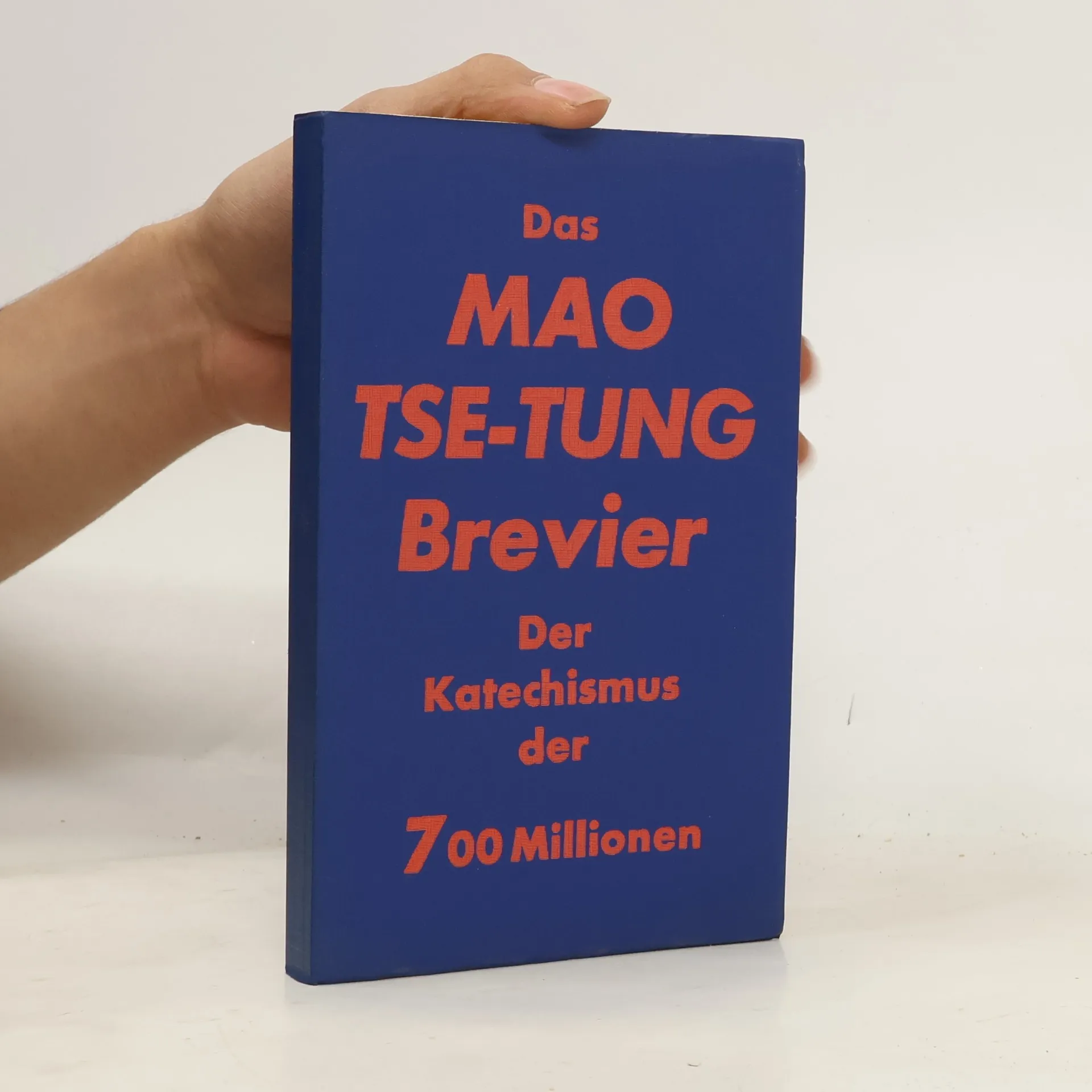
Diese Broschüre im Format A6 vereint grundlegende Texte des Maoismus: „Dem Volke dienen“, „Yü Gung versetzt Berge“ und „Dem Gedenken Bethunes“ sind auch unter dem Namen „Die drei ständig zu lesenden Schriften“ bekannt. Mit den Texten „Gegen den Liberalismus“ und „Woher kommen die richtigen Ideen der Menschen?“ haben wir zwei weitere Texte hinzugefügt. Kompromisslose Parteinahme für die Massen, Selbstkritik und revolutionäre Disziplin. Ein Muss für politisch Interessierte und jeden, der sich näher mit dem Maoismus beschäftigen möchte.
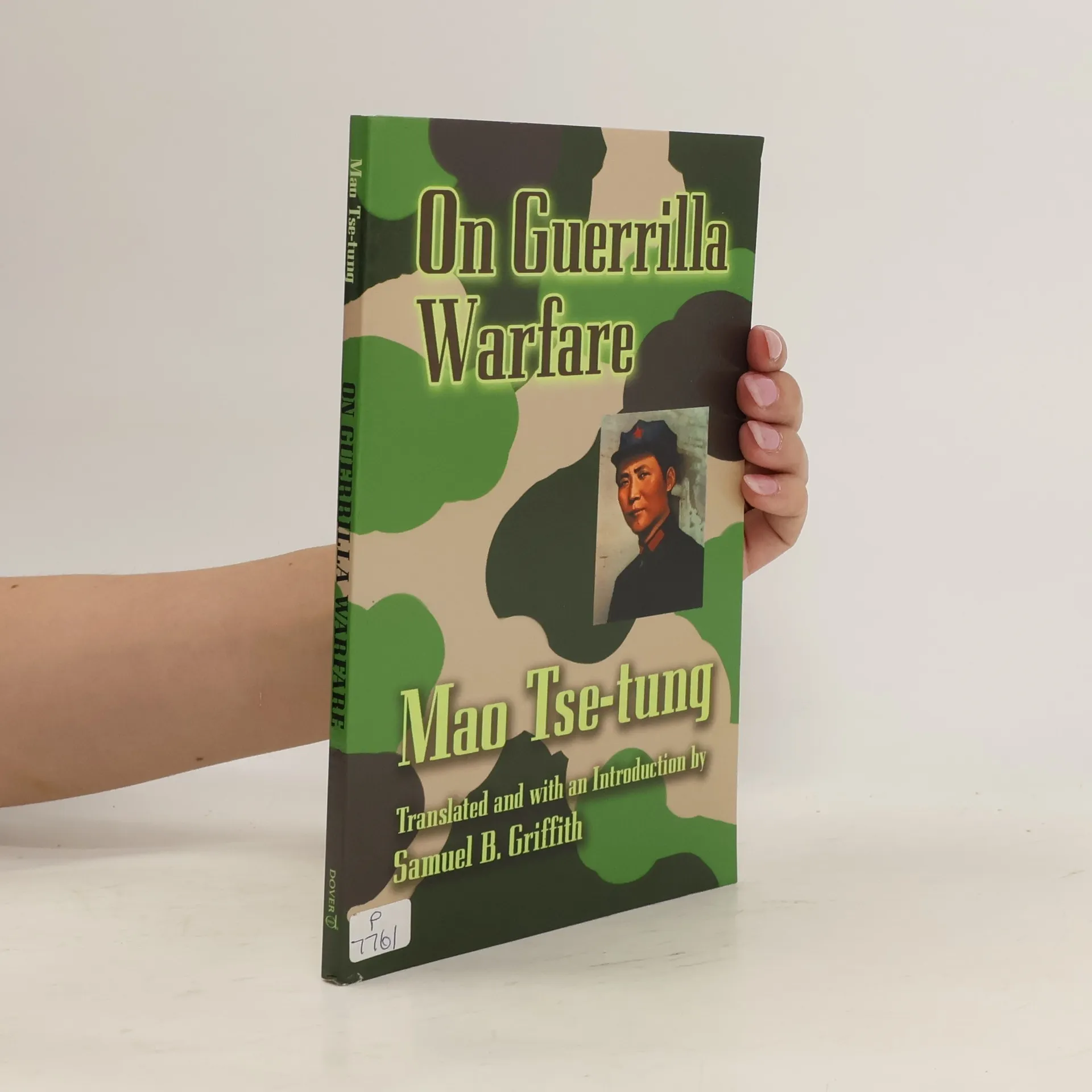
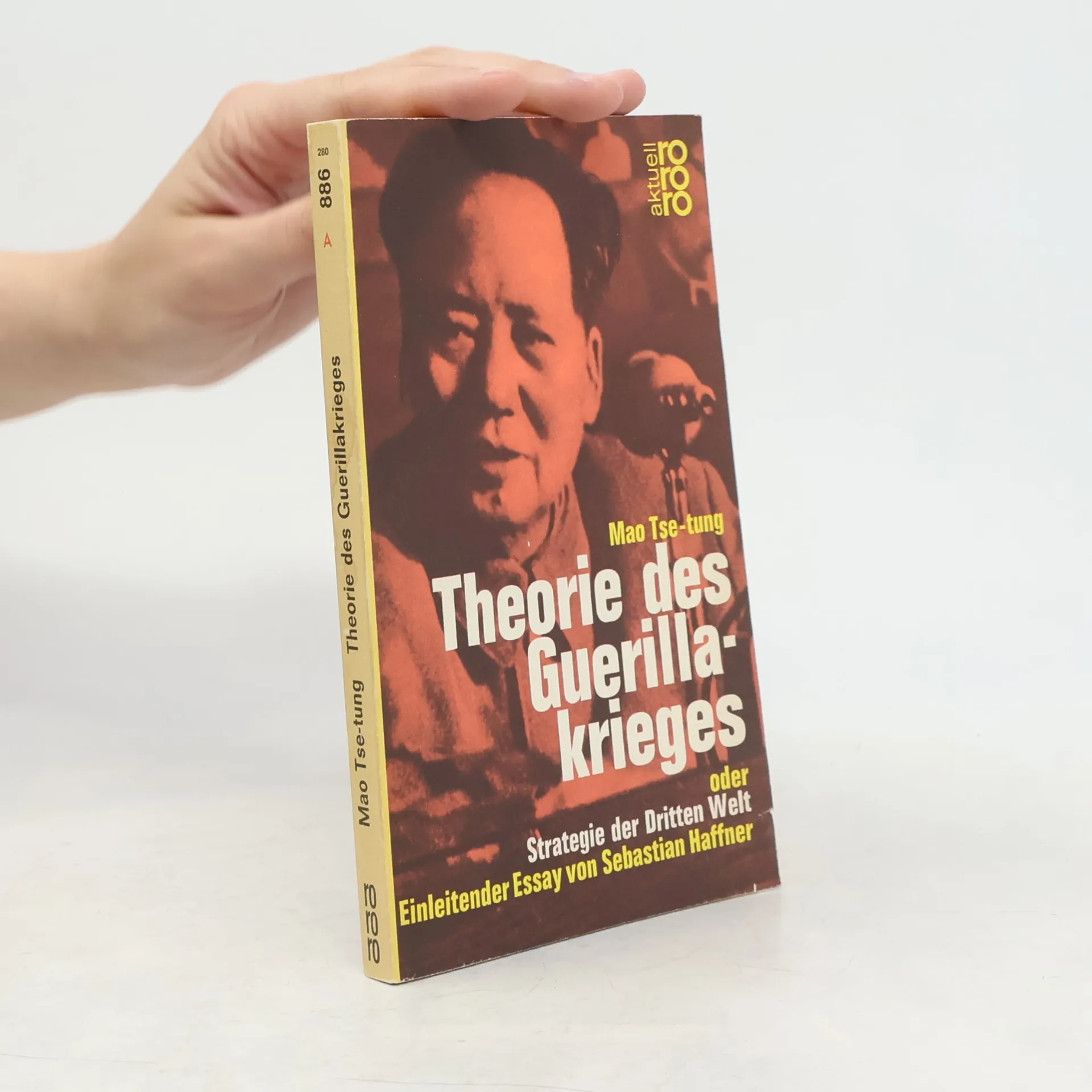
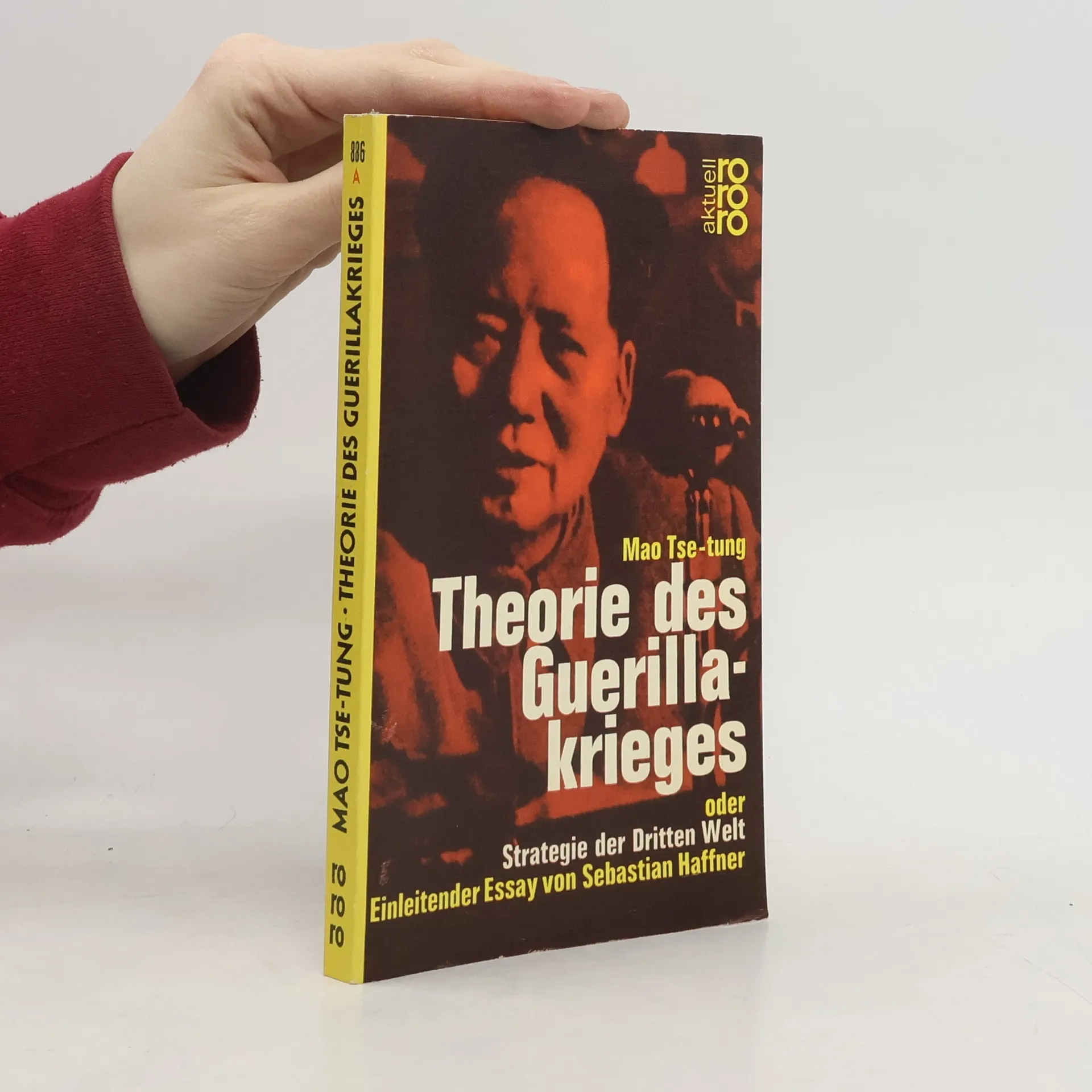
The first documented, systematic study of guerrilla warfare, Mao Tsetung's 1937 text remains the definitive guide to orchestrating revolution in developing countries. Based on Mao's own experiences in fighting Chiang Kai-shek's Nationalists and his interpretations of the classic strategies of Sun-tzu, On Guerrilla Warfare outlines the tactics that have proven effective around the world, from Vietnamese jungles to Middle Eastern deserts.Prescient in his thinking and concise in his expression, Mao conceived of guerrilla operations as a complement to traditional warfare. He explains why guerrilla activities should be integrated into conventional military procedures and discusses the organization and operation of guerrilla units. His unorthodox strategies transform disadvantages into benefits: using retreat as an offensive maneuver; indoctrinating locals for employment as spies; and compensating for lack of firepower with speed, surprise, and initiative.Translator Samuel B. Griffith provides a comprehensive introduction in which he profiles Mao, examines the nature and conduct of guerrilla warfare, and considers the implications of such warfare for American policy.
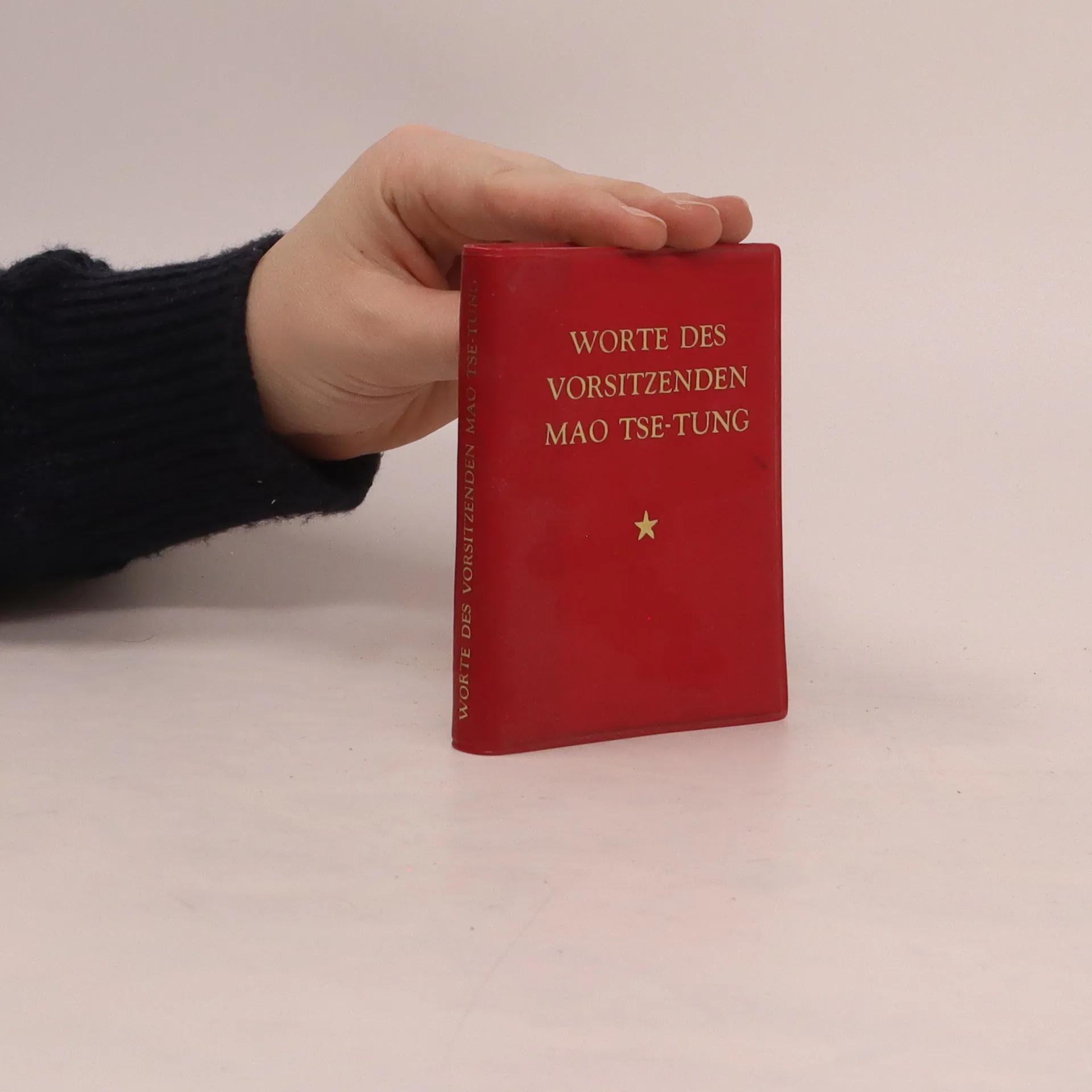
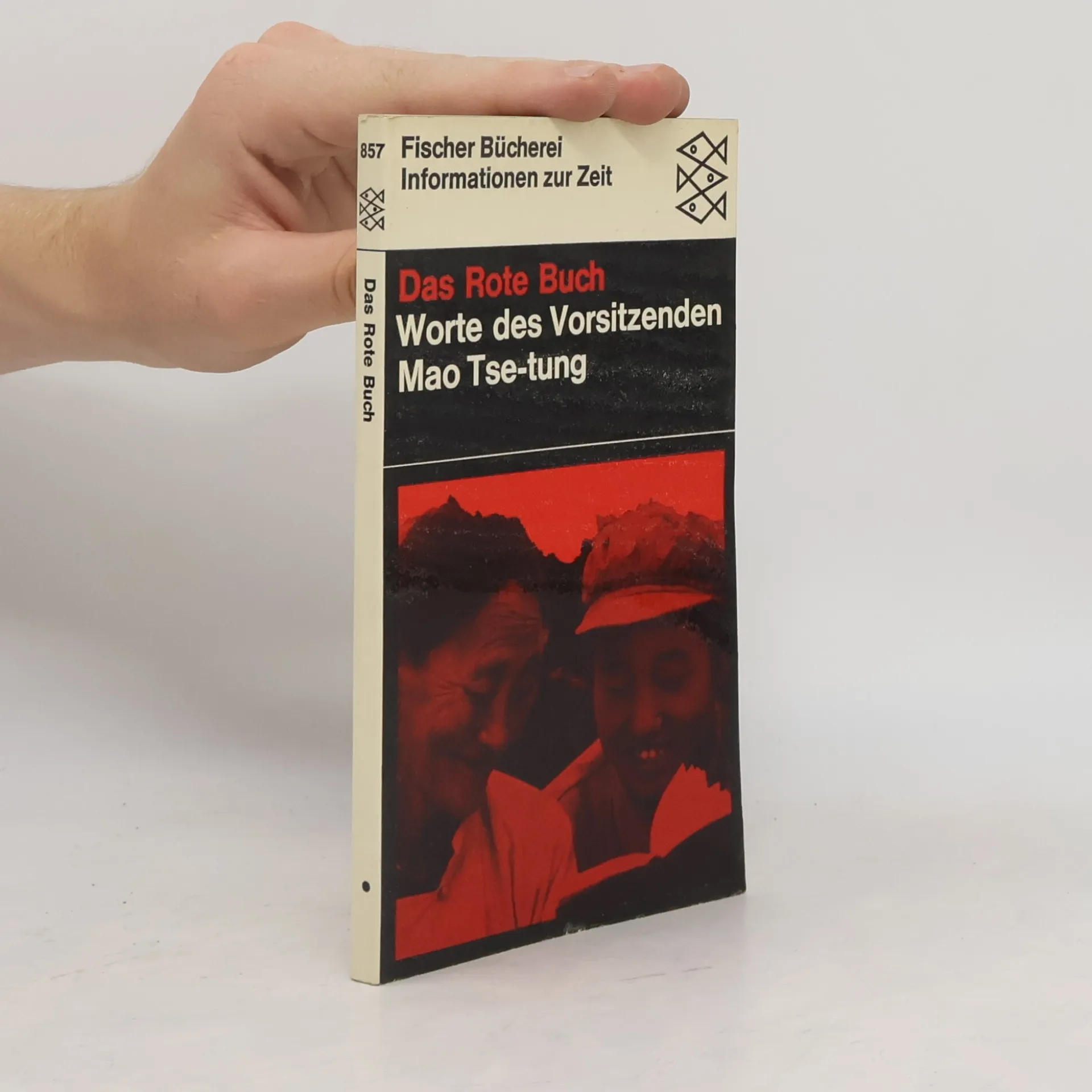
One of the most famous books of all time, these quotations from the writings and speeches of the father of Chinese Communism constitute a rare and penetrating insight into the philosophic thought of one of the most hated and revered men ever to have lived. Note: Publication of this document does not constitute an endorsement by the publisher of any or all of its contents. It is presented here in the interest of historical and intellectual inquiry.
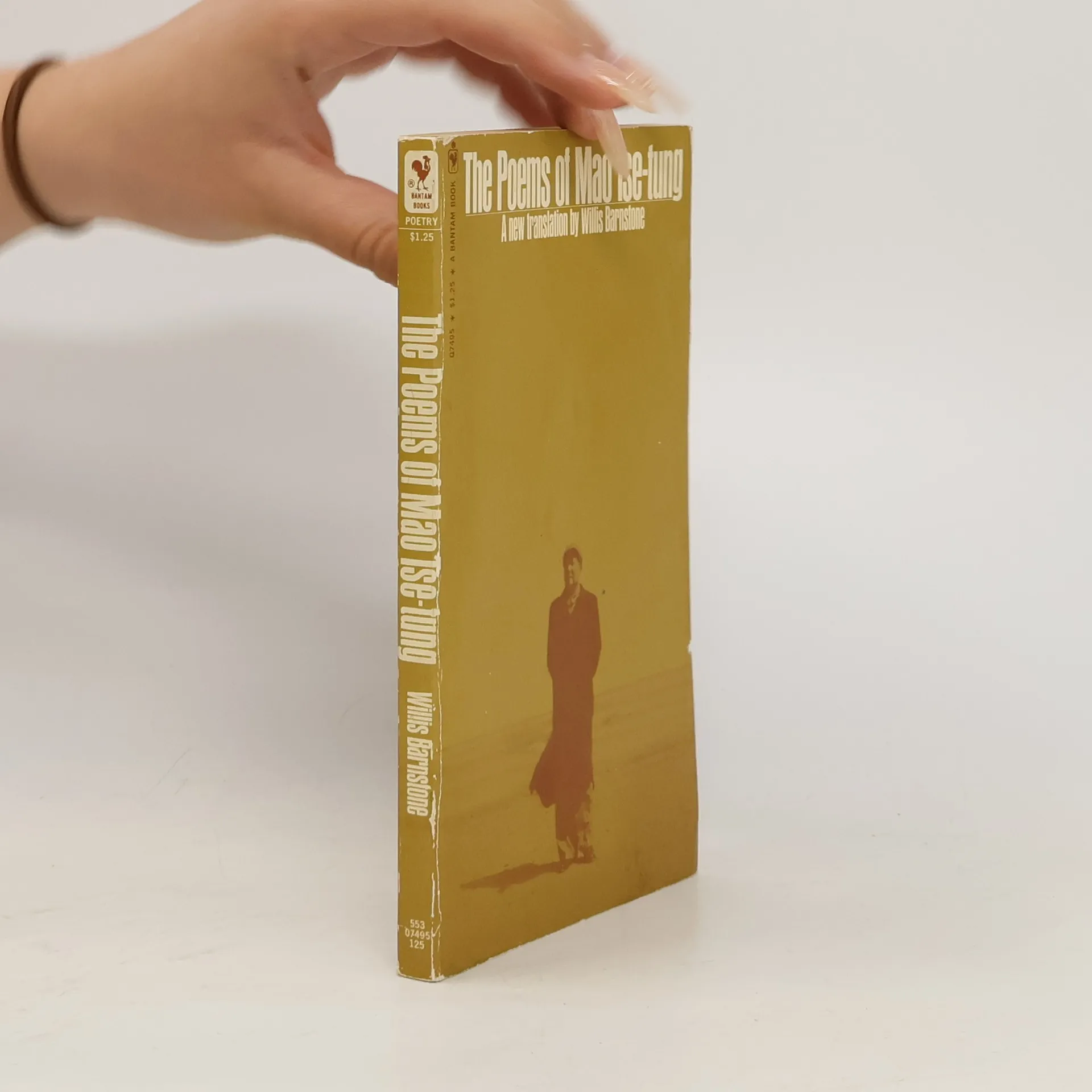
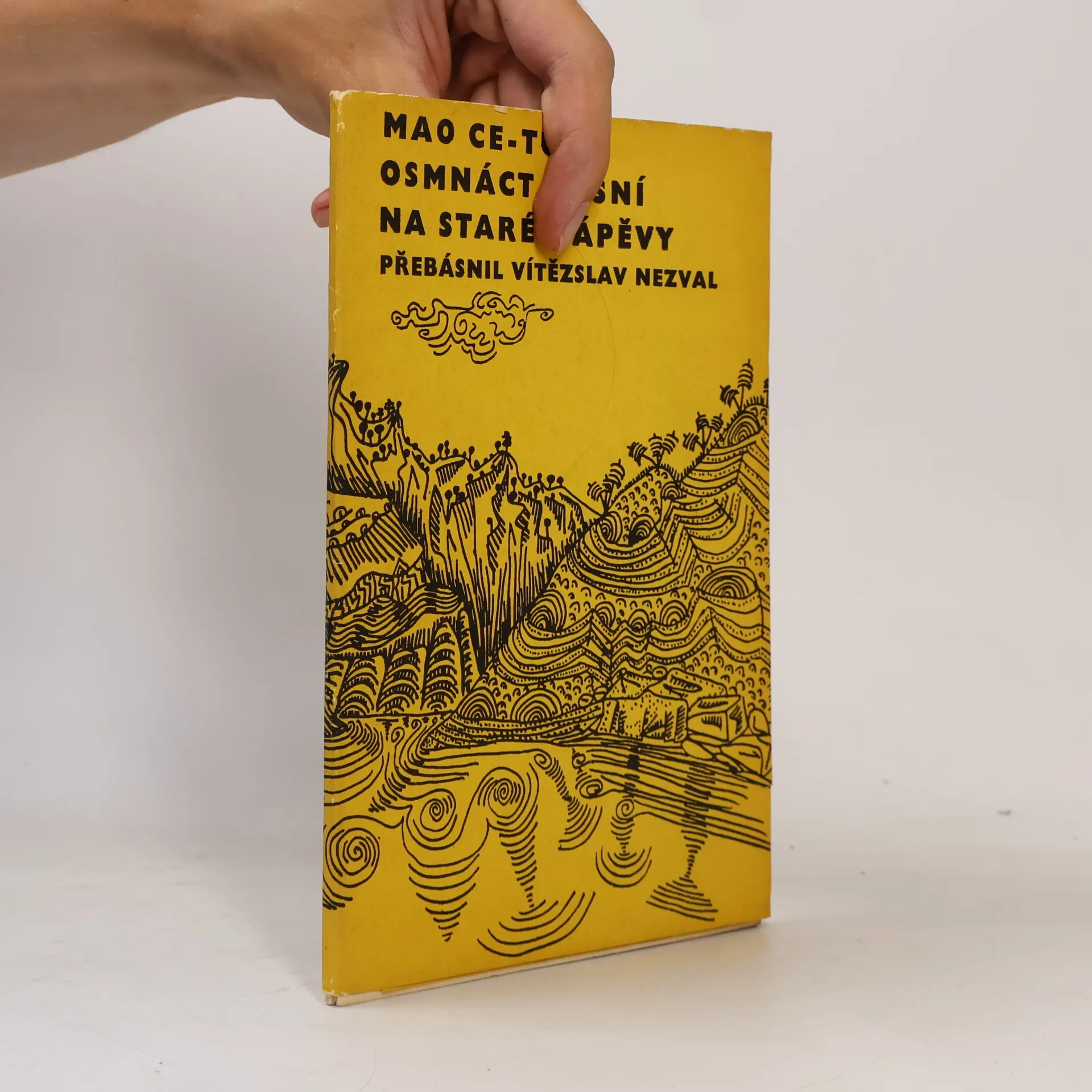
Český překlad osmnácti básní předsedy ČLR je jednou z posledních prací národního umělce V. Nezvala. Osmnáct písní na staré nápěvy je však přesvědčivým dokladem, že ani nejobtížnější forma nemohla spoutat velkého ducha básníka, který v sobě spojuje hlubokou moudrost a velkorysost čínského národa. Básně, v nichž se tak jedinečně obráží hrdinná epopej čínské revoluce, budou mít trvalé místo v literatuře nové Číny.