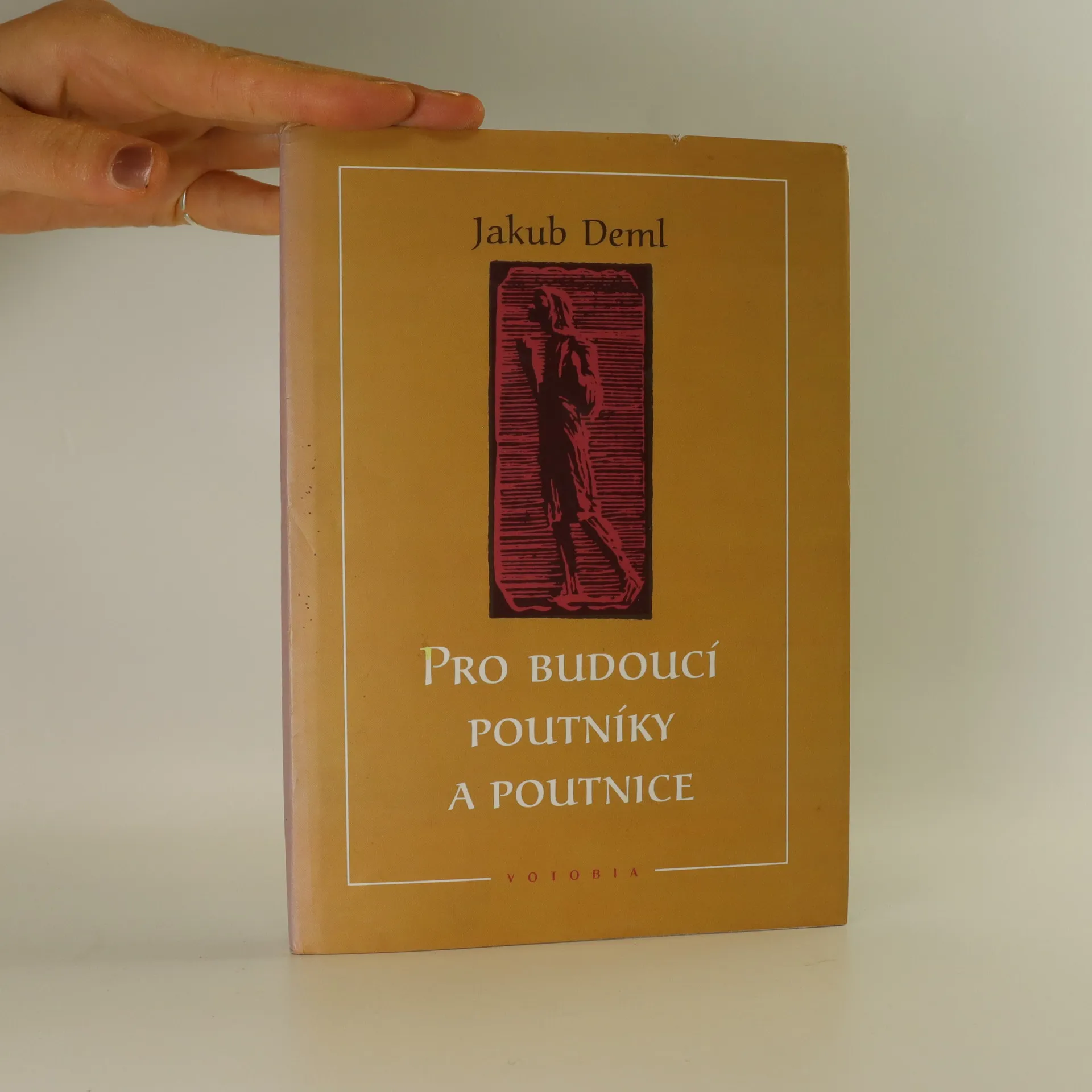
Reprint Demlova významného deníku, který zahrnuje též dobové recenze autorových knih a ukázky z vlastní prozaické a básnické tvorby.
Petr Pustoryj Livres

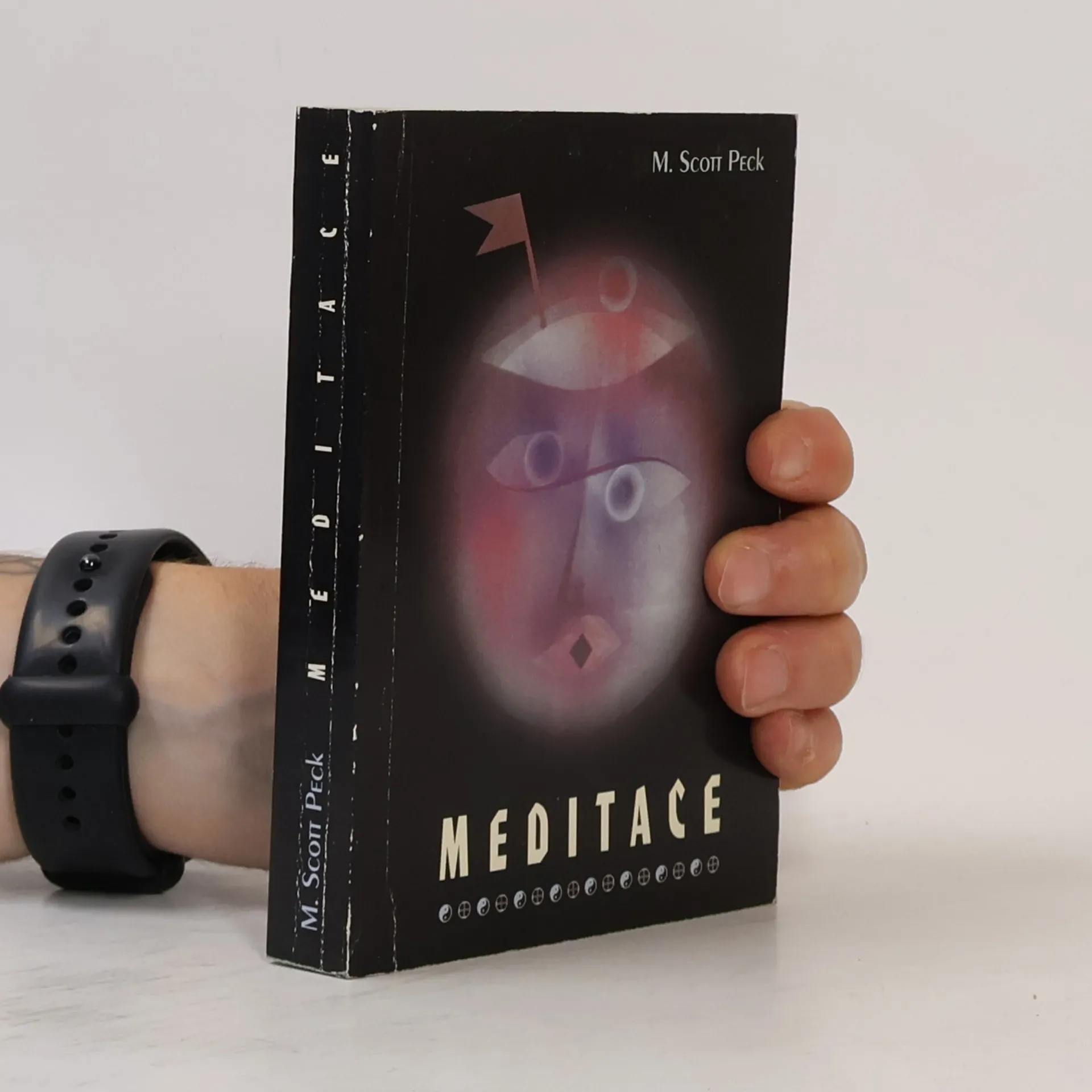
Meditace
- 374pages
- 14 heures de lecture
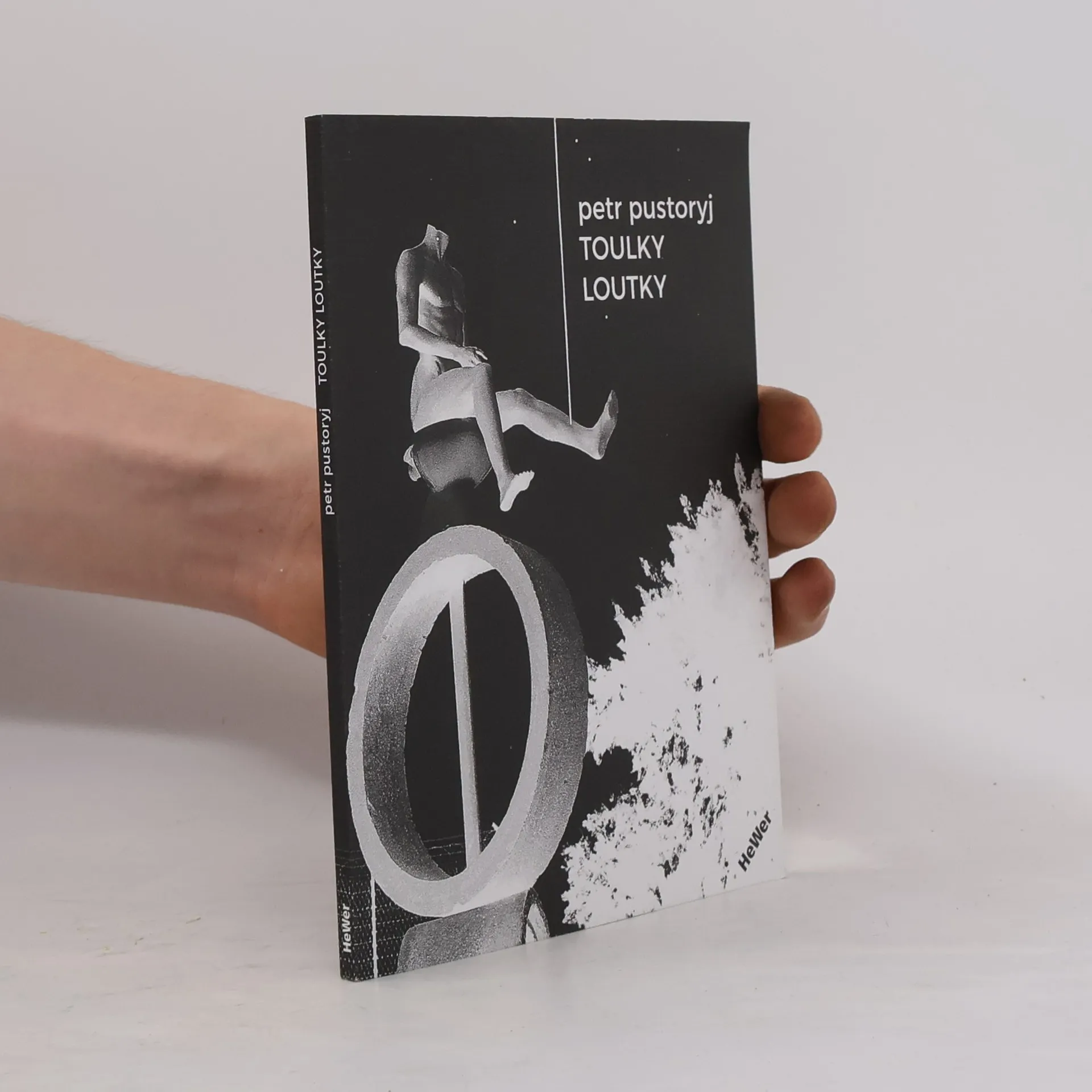
Toulky loutky
- 63pages
- 3 heures de lecture
Jedna z těch starých a častým používáním už notně umolousaných definic praví, že přítel je člověk, který o nás všechno ví a přesto nás má rád. Je-li to pravda, pak by se básník Petr Pustoryj dal označit za přítele světa. Je dostatečně poučen o jeho absurditě a krutosti, o tom, jak si nás život vodívá na špagátku a že cíle našich cest je někdy lepší neznat – zůstává však okouzleným poutníkem po olomouckých ulicích i daleké cizině a sběratelem rázovitých hovorů lidí či fotografických momentek. Intelektuální ironie jeho textů se nezvrhává v cynické rozumářství, neboť autor dobře ví, že je sám v tomto panoptiku jedním z aktérů.
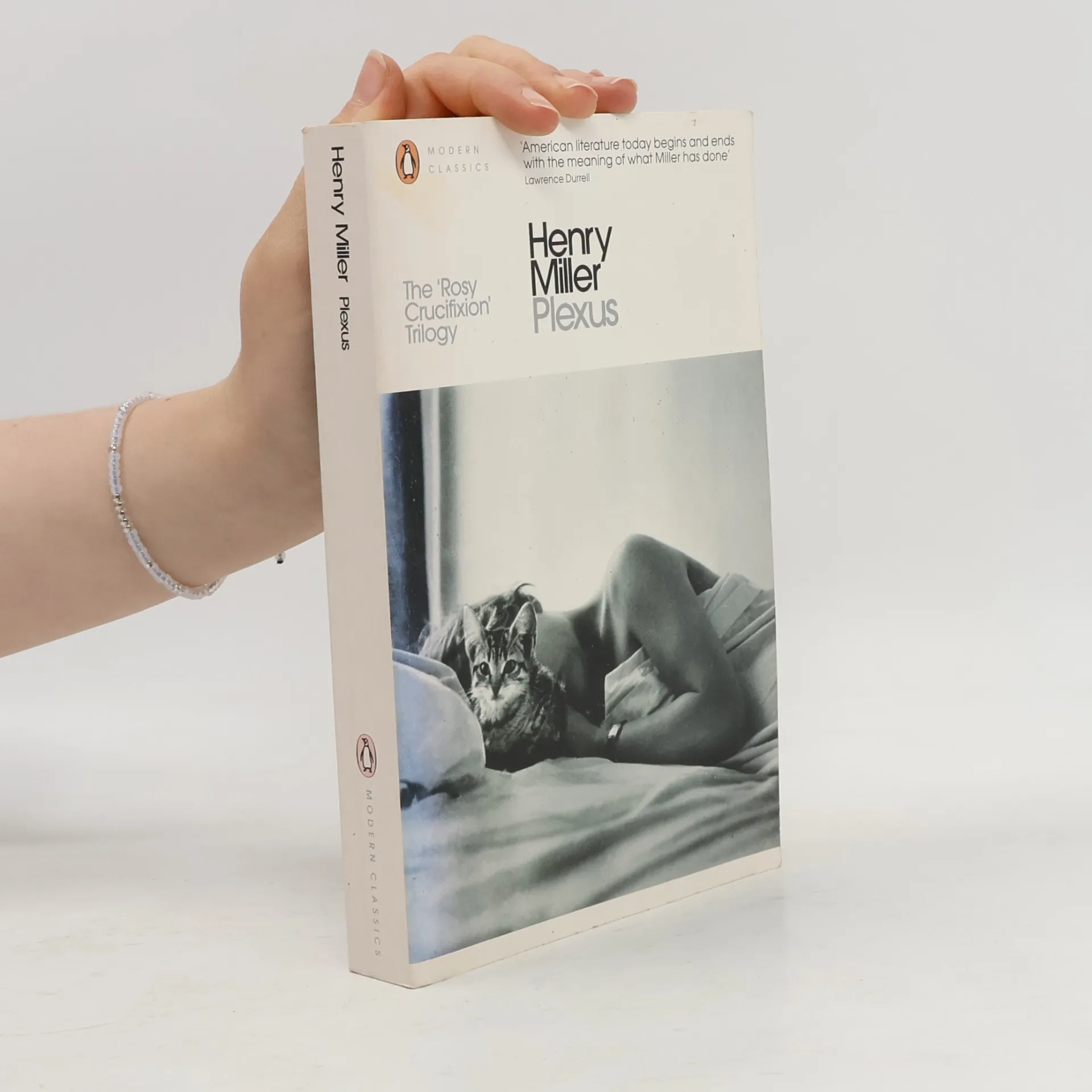
Plexus
- 528pages
- 19 heures de lecture
Plexus is the second volume of the scandalous trilogy The Rosy Crucifixion, Henry Miller's major life work Exploring one man's desperate desire for freedom, Plexus is the central volume of Henry Miller's scandalous semi-autobiographical trilogy The Rosy Crucifixion. It finds him in the midst of his stormy marriage to the volatile, duplicitous Mona, and joyfully quitting his dreary job for a hand-to-mouth existence in Brooklyn, as he takes his first steps towards becoming a writer.
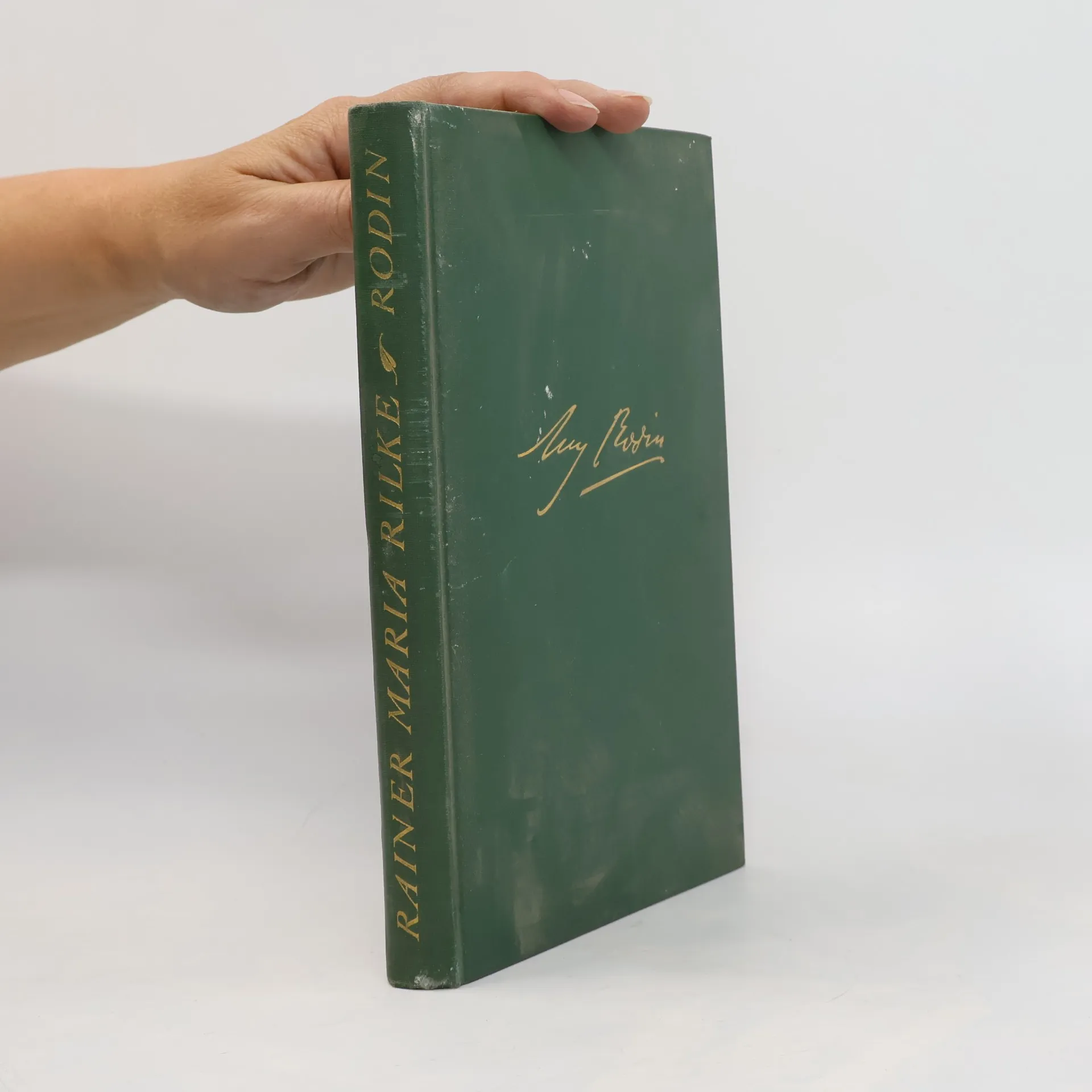
Das zweiteilige Werk, 1902 und 1907 entstanden, ist keine kunstgeschichtliche Studie, sondern das Bekenntnis eines Dichters, der vom Erlebnis des Künstlers spricht und den Leser an diesem Erlebnis teilhaben läßt. Rilkes Betrachtungen, die aus der persönlichen Verbindung mit Rodin erwachsen sind, gehen immer wieder über den Einzelfall hinaus in das Wesen künstlerischen Schaffens überhaupt.
Ghost of chance
- 150pages
- 6 heures de lecture
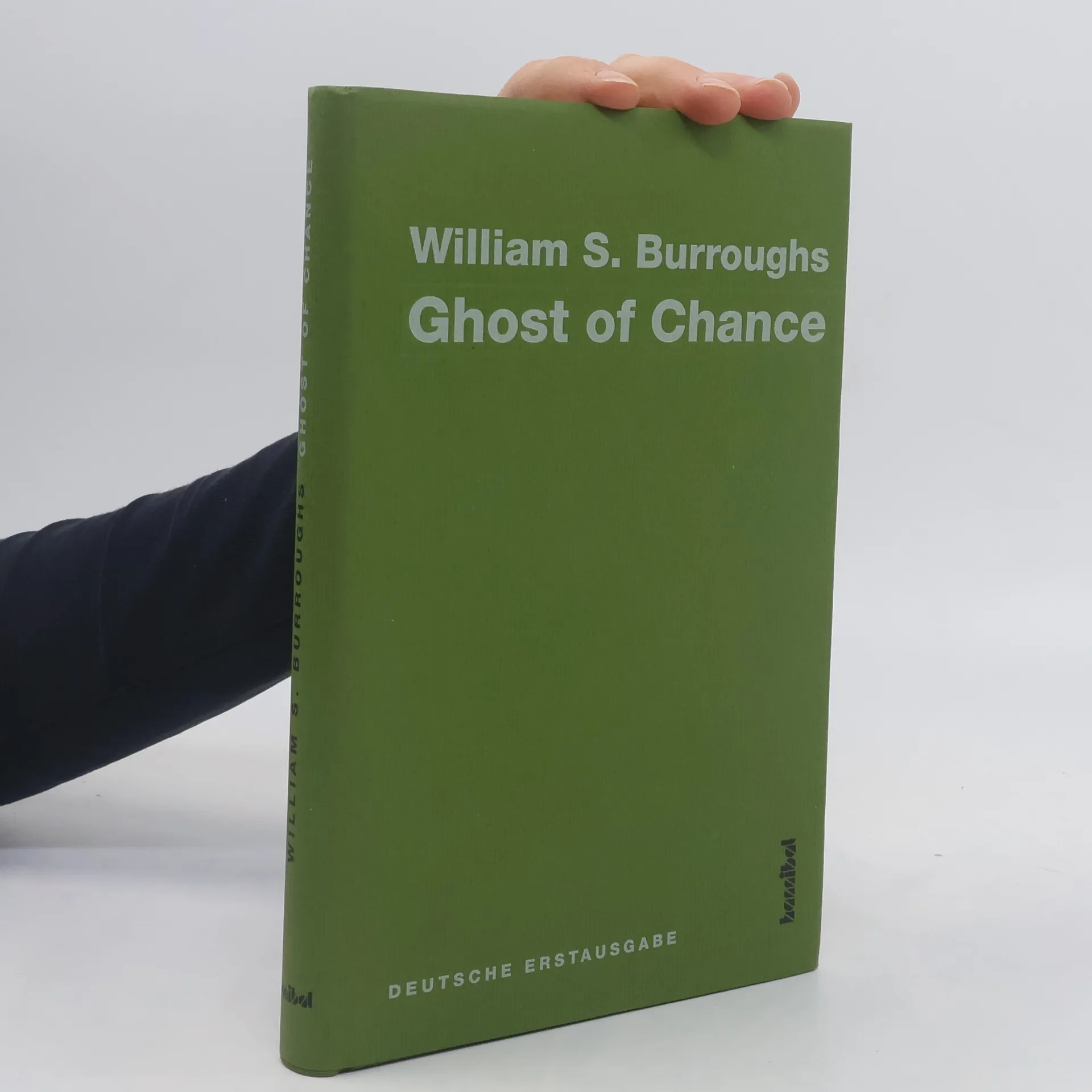
Das Buch handelt von einer Piratencommunity, Madagaskar und seinen Lemuren, von biologischen Arten und Krankheiten, die darauf warten, die Menschheit zu dezimieren. Die Tore des Museums öffneten sich und entließen ihre Bewohner: extrem tödliche Krankheiten wie die Krankheit Christi, Haare, Schwänze und das Rote Spinnenfieber. Alle hatten die Form von Pandemien und forderten die meisten Menschenleben. Die Geschichte des Kapitäns Mission dient nur als Rahmen, in dem Burroughs den „hässlichen Geist“ offenbart und angreift, der niemand anderes ist als der „Homo sapík“.
On the aesthetic education of man in a series of letters
- 152pages
- 6 heures de lecture
In this, one of his chief philosophical writings, Schiller attempts to develop Kant's theory of art to the conclusion that 'Beauty' and 'Play' together constitute the ethical ideal. In a series of letters Schiller wrote to his benefactor Friedrich Christian, Duke of Scbleswig Holstein-Augustenburg, he expresses his convictions and concerns on matters both aesthetic and ethical. This is a particularly: acclaimed translation of Schiller's prose, which successfully captures his characteristically poetic style.
In this groundbreaking biography, the author seeks to understand Nietzsche's philosophy through a reconstruction of his inner life. "Briskly written . . . almost a philosophical detective story."--"Volksblatt." 43 illustrations.
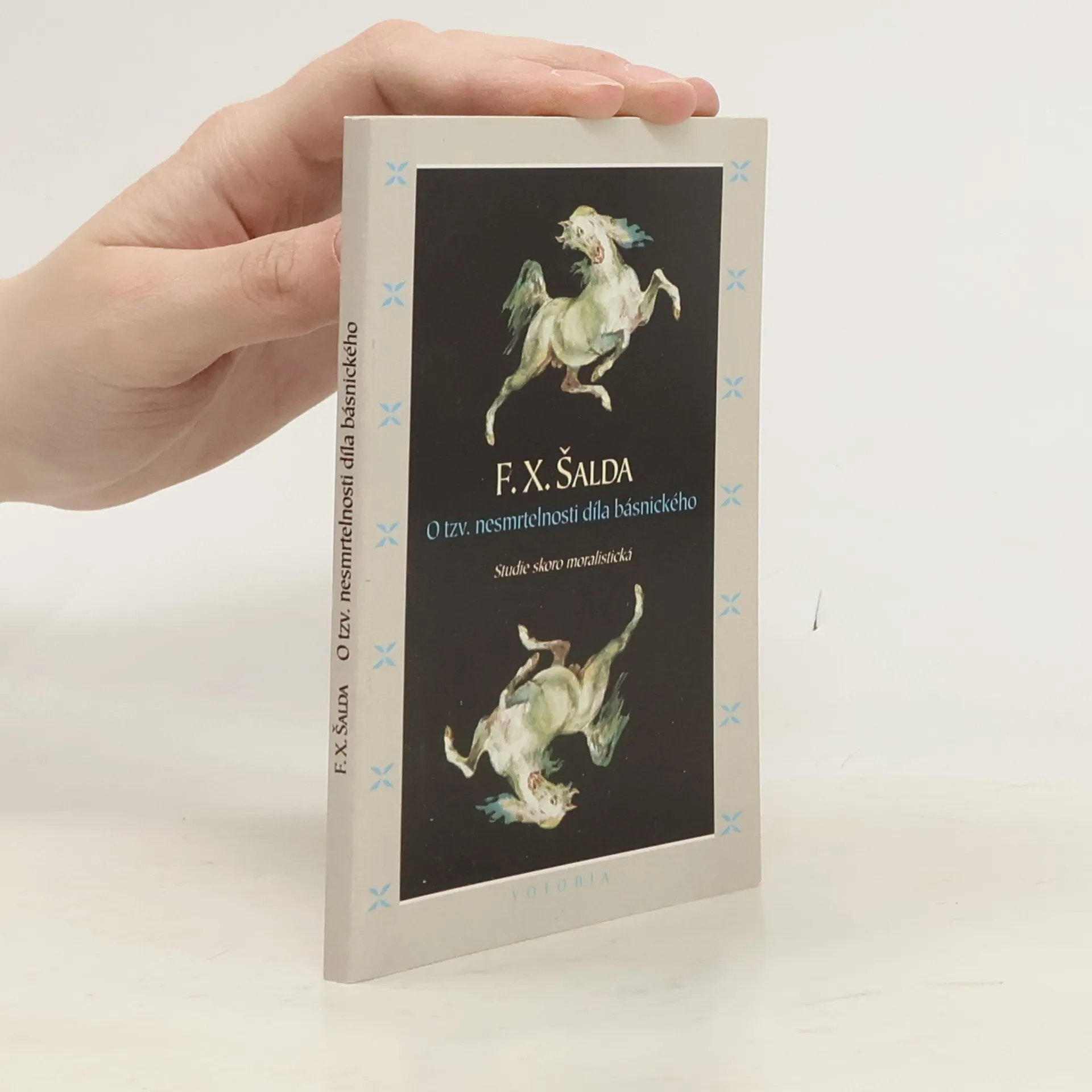
O tzv. nesmrtelnosti díla básnického. Studie skoro moralistická
- 76pages
- 3 heures de lecture
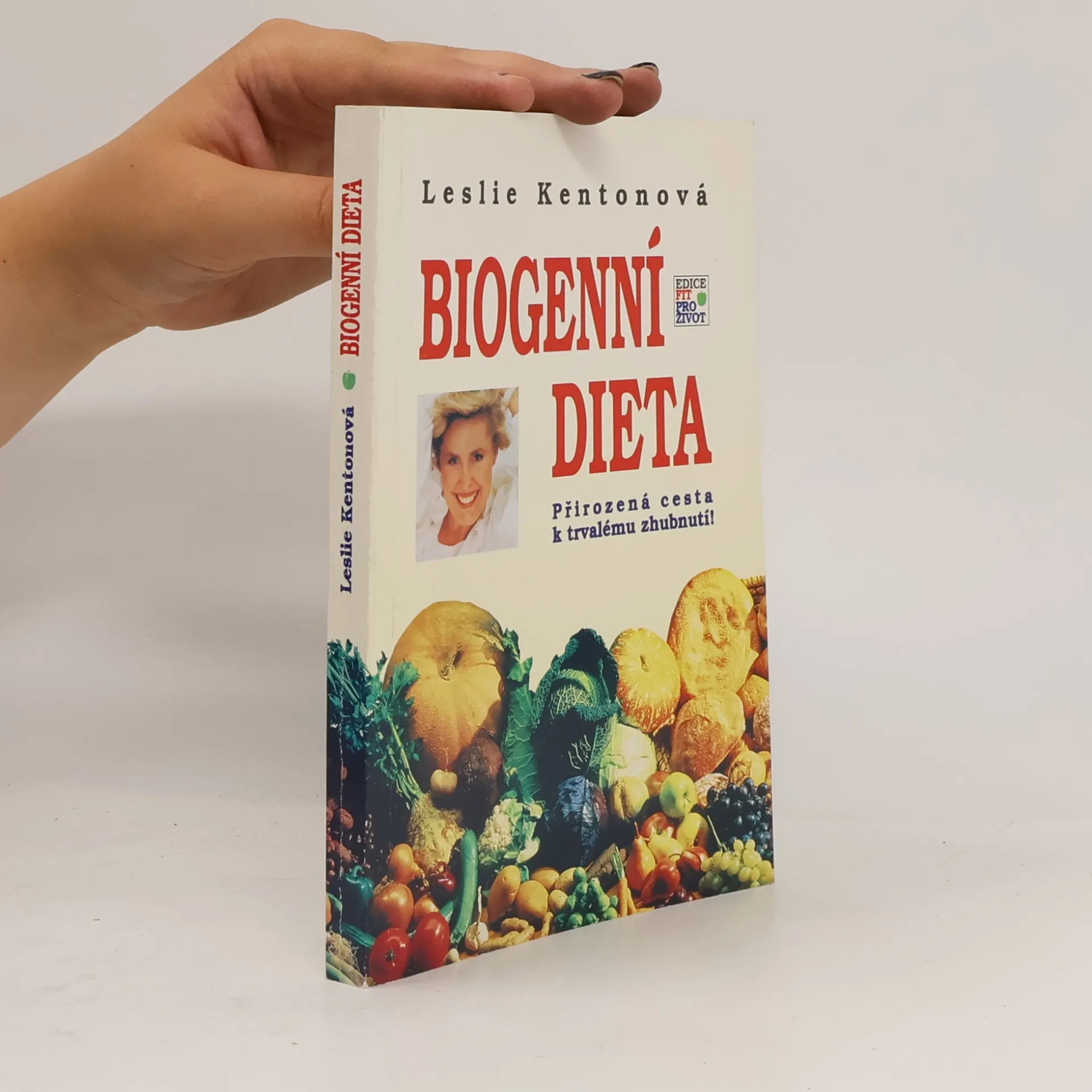
Leslie Kentonová je autorkou několika bestsellerů, televizní hlasatelkou, redaktorkou edice Zdraví a krása nakladatelství Harpes & Queen. Stala se zosobněním zdraví, krásy a dobré tělesné kondice. Její knihy jsou dokonalými reportážemi a nabízejí čtenáři široké spektrum informací, námětů, rad, diet a receptů, jejichž cílem je zvýšit možnosti pozitivního zdraví.