
Many scholars perceive ethnic politics in China as an untouchable topic due to
lack of data and contentious, even prohibitive, politics. This book reveals
rare knowledge and findings, offering a historical-political perspective on
China's contemporary ethnic conflict to reveal its roots in its incomplete
transition from empire to nation state.
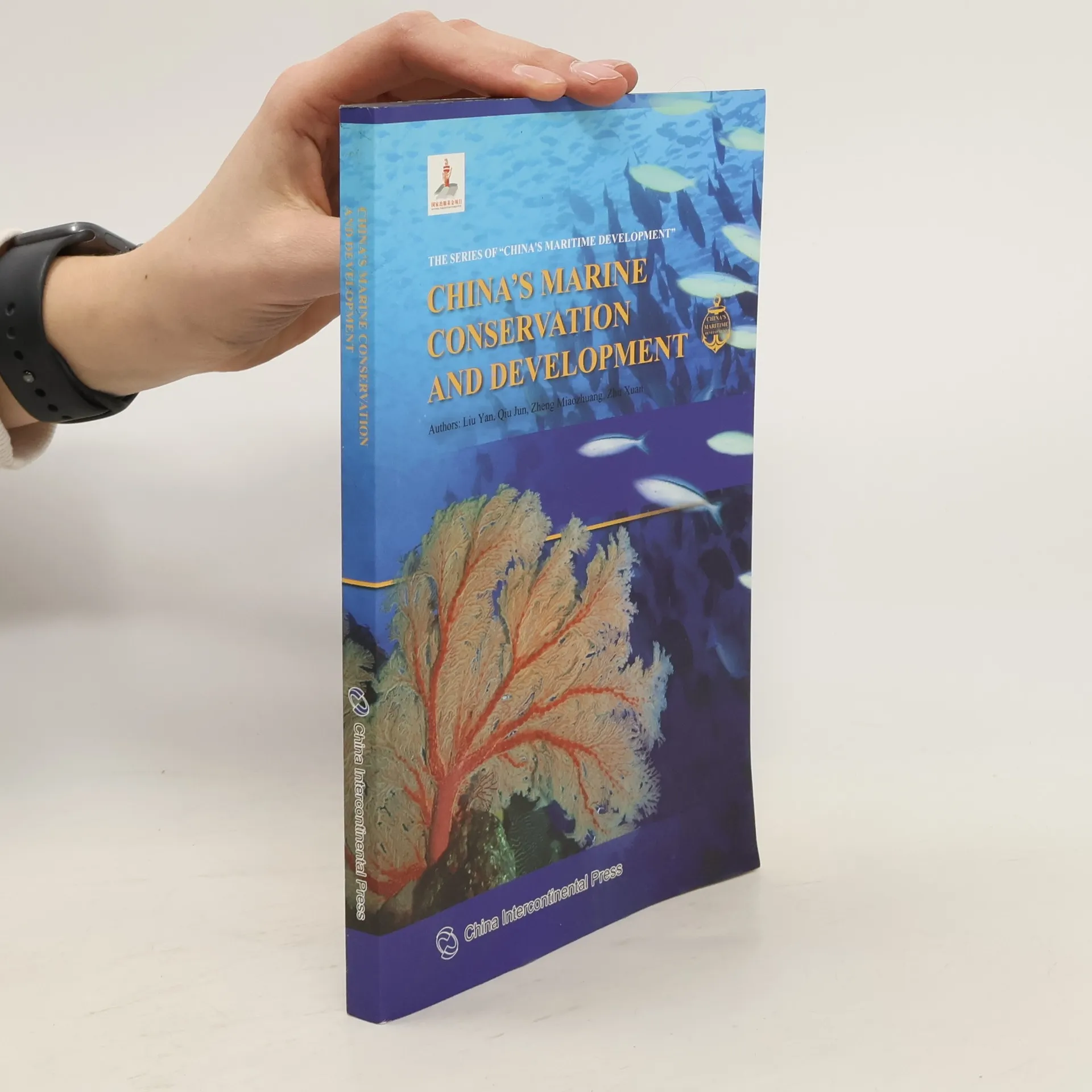
210.China's Marine Conservation and Development was compiled and revised by the Marine Development Strategy Institute of State Oceanic Administration. It is a volume in the serial China's Maritime Development which is a publishing program sponsored by the National Publishing Fund as well as the Twelfth Five-year Guideline of National Important Books.This book introduces China's contribution to constructing a beautiful ocean and protecting sound marine environment in a comprehensive way. It consists of the following six parts: China's maritime ecology and resources, China's utilization of marin.
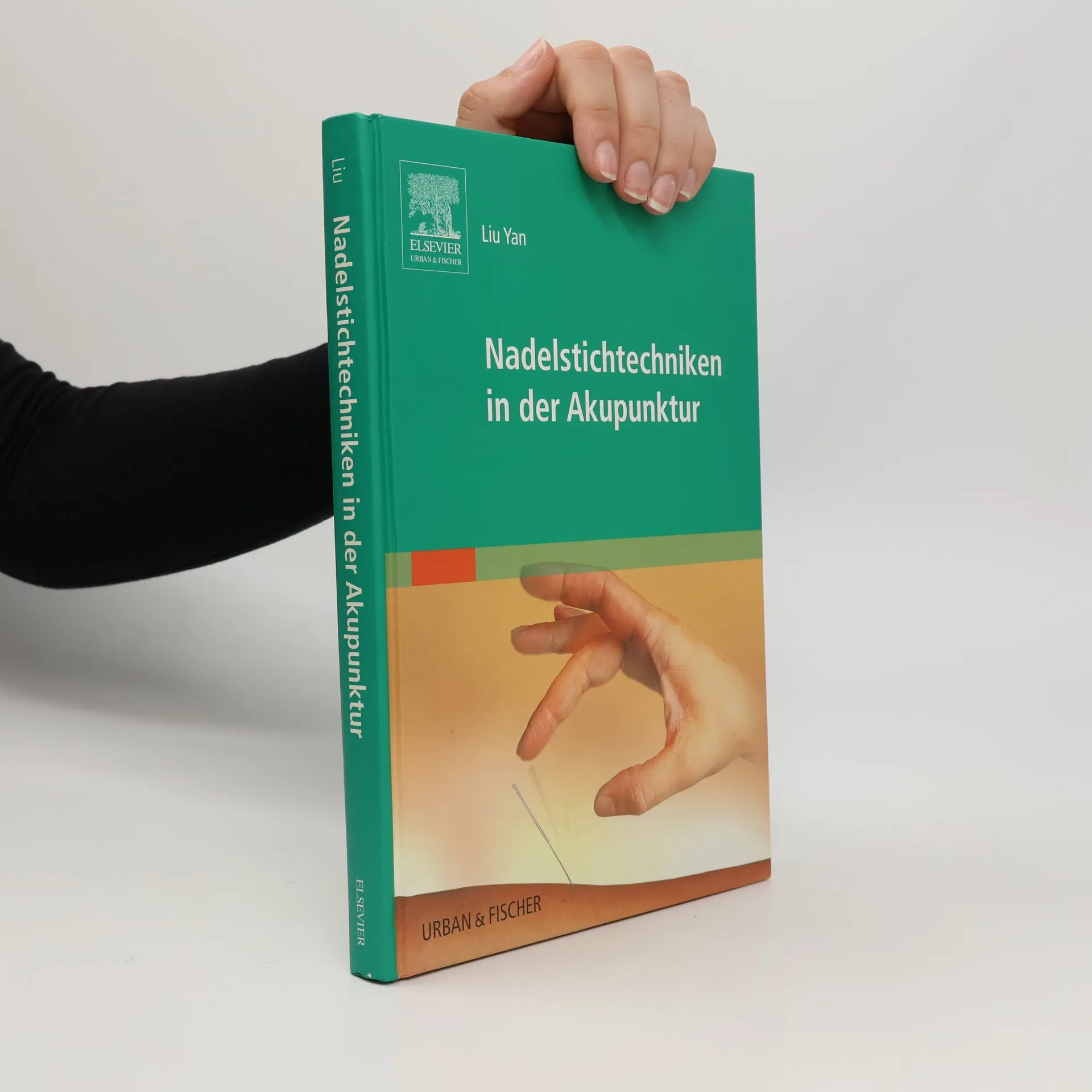
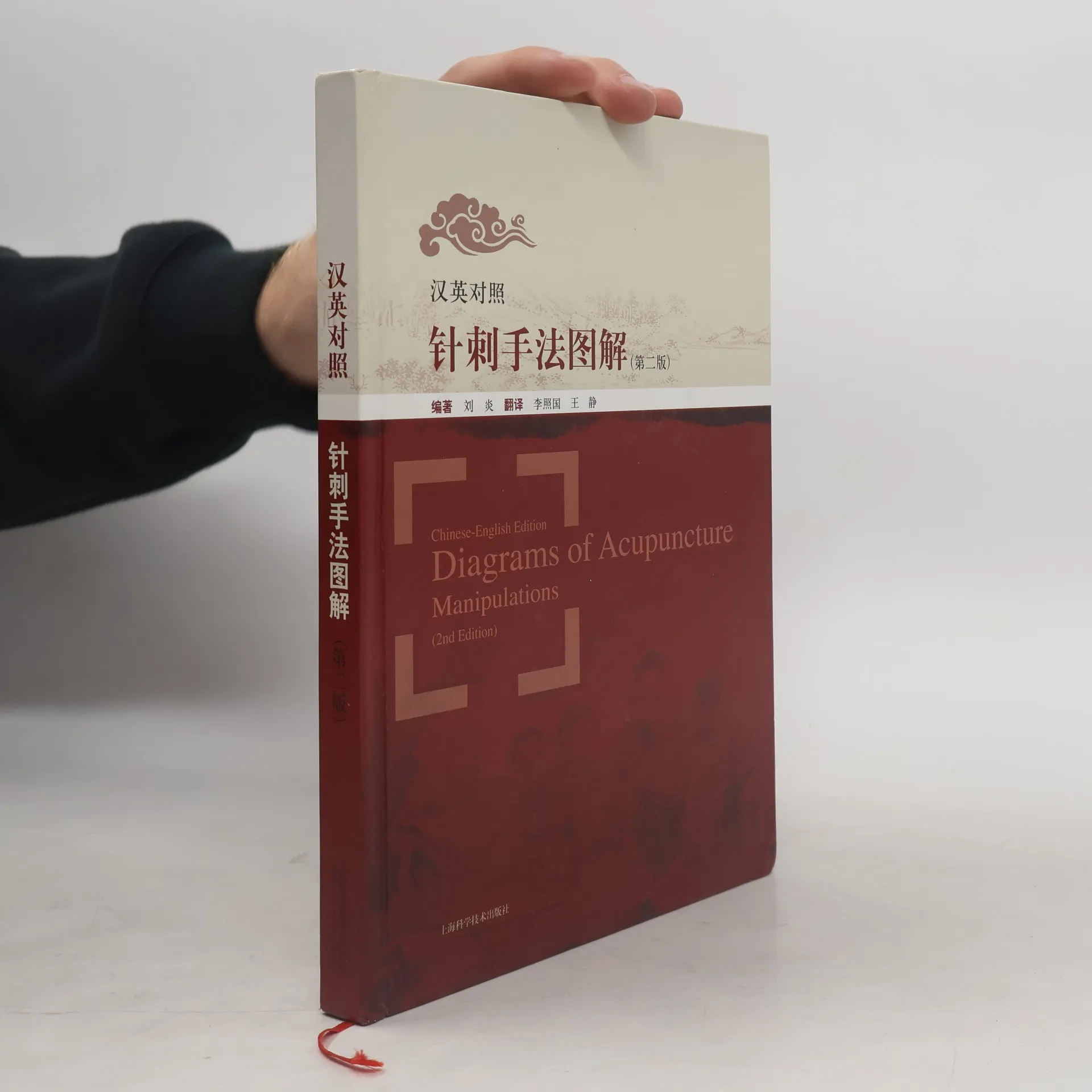
This book is divided into six chapters. Chapter 1, Essentials of Acupuncture, introduces the general knowledge of holding the needle, obtaining acuesthesia, and withdrawing the needle. Chapter 2, Needling Techniques of the Filiform Needle, the core of the book, introduces over 10 kinds of supplementary techniques used before and after needling, over 20 kinds of supplementary needling techniques, 8 kinds of general strengthening and reducing techniques, and 20 kinds of complex needling techniques. Chapter 3, Needling Techniques in the Neijing, introduces Nine Needle, Twelve Needle, Five Needle, and Three Needle Techniques, and Qi Directing. Chapter 4, Penetrating Needling, introduces 30 kinds of special penetrating needling techniques. Chapter 5, Artistic Needling, introduces 23 kinds of artistic needling techniques effective in clinical use. Chapter 6, Special Needling Techniques, introduces 11 kinds of special needling techniques.