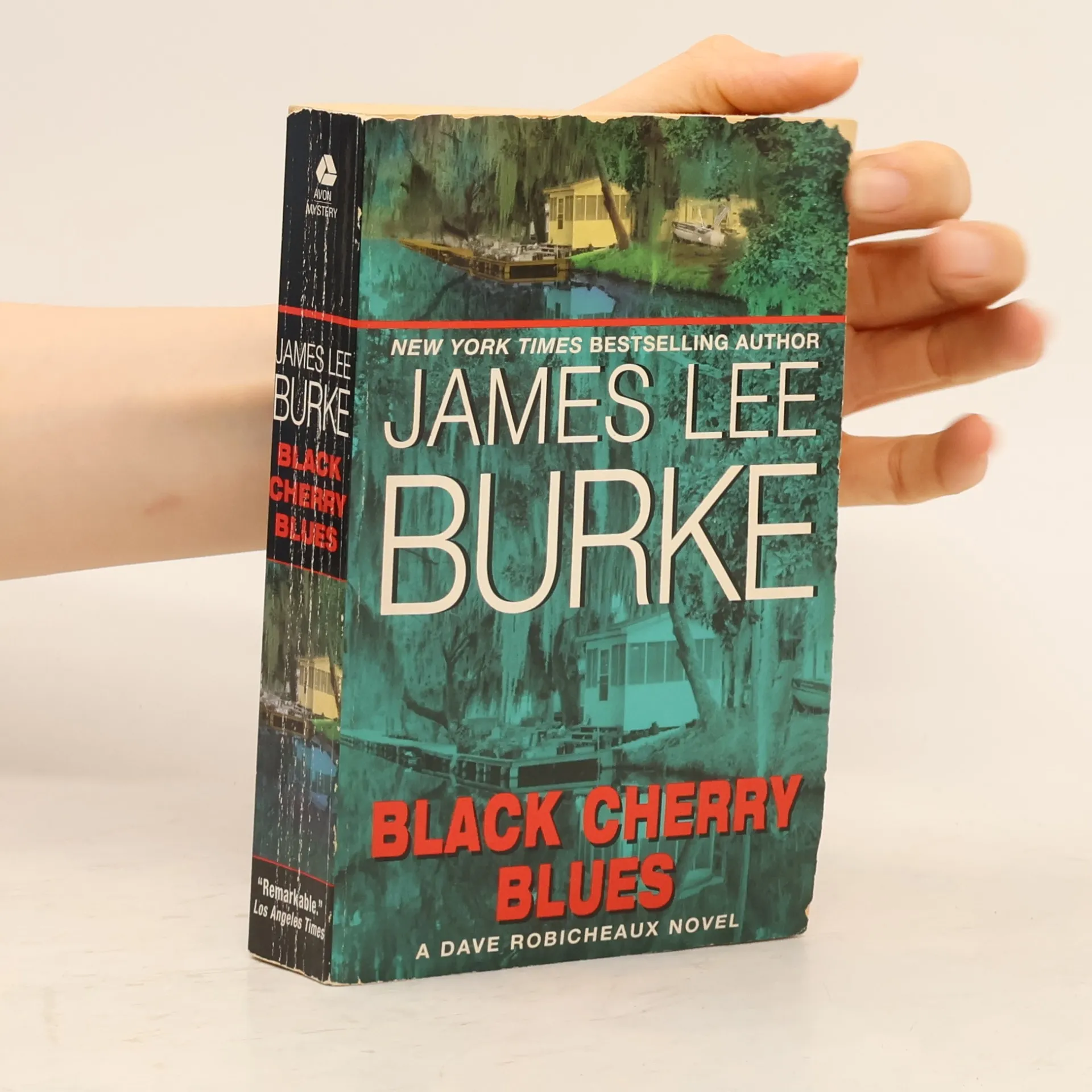
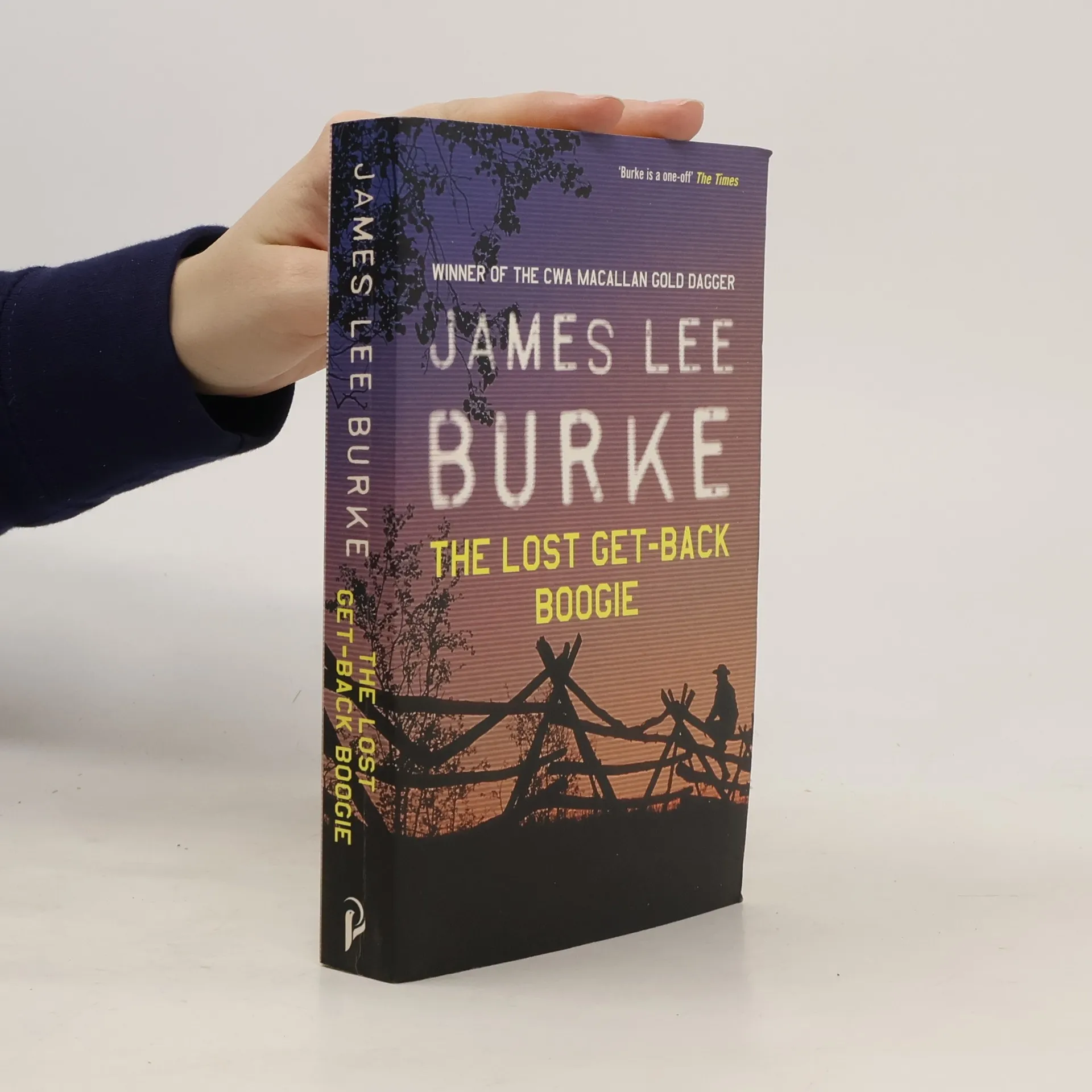
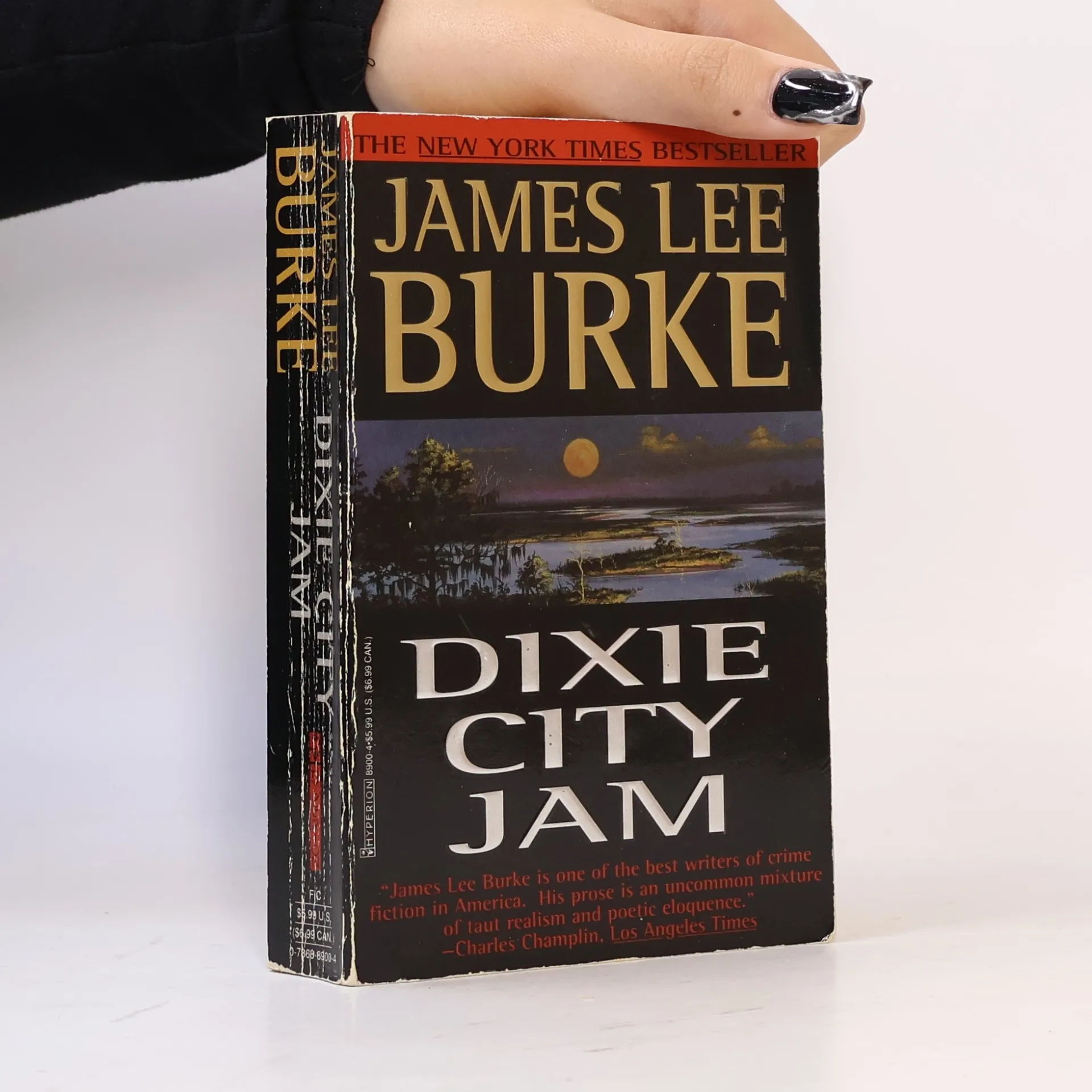
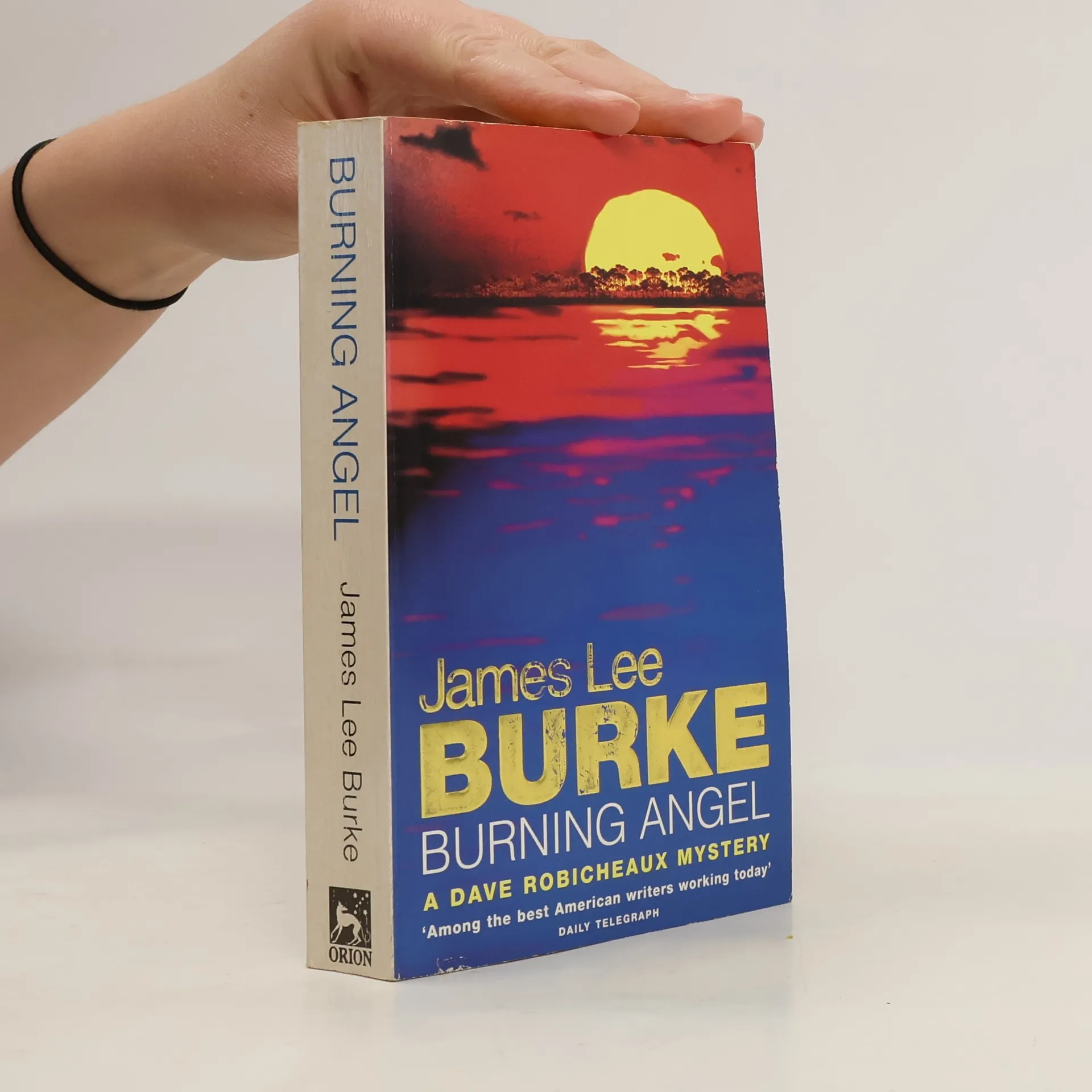
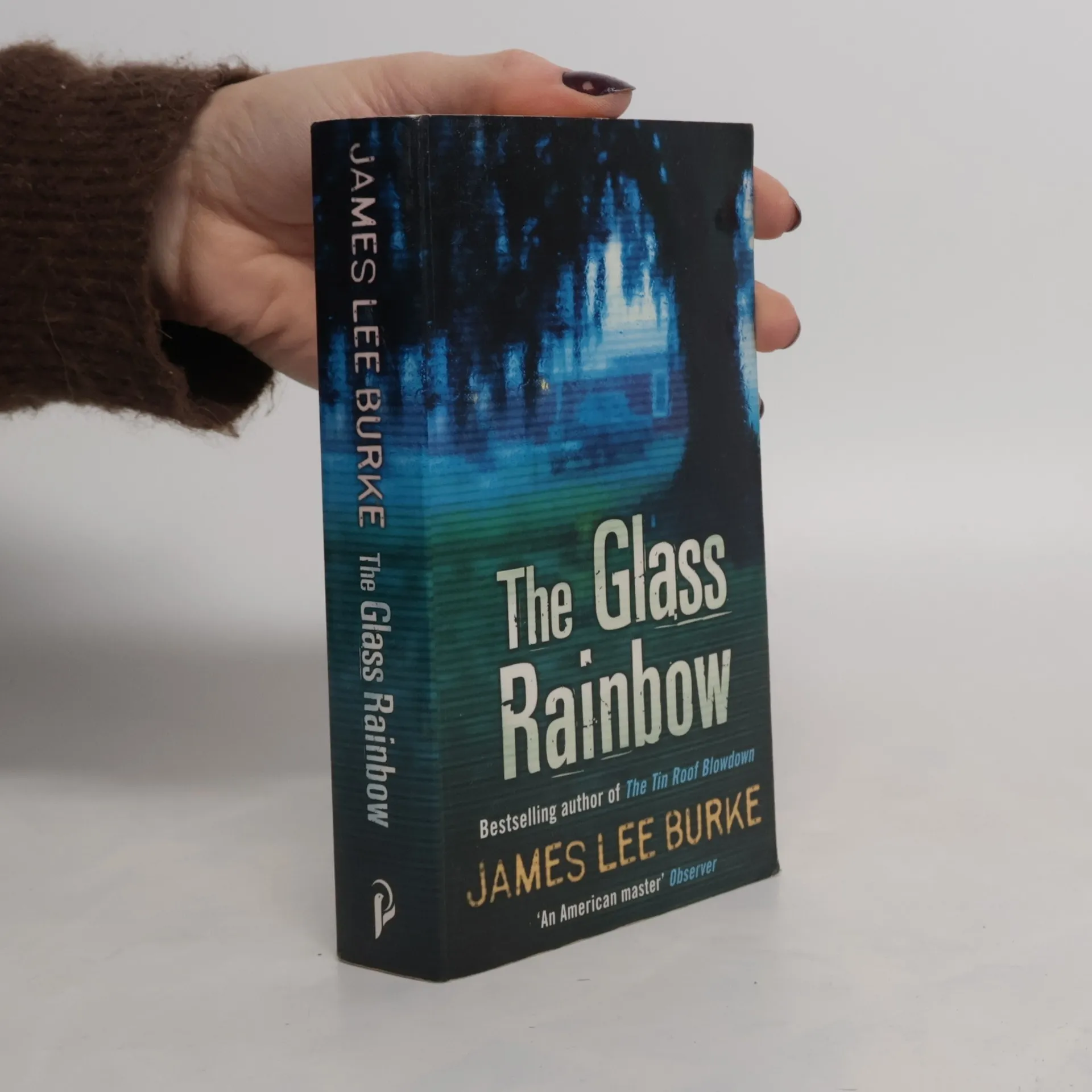
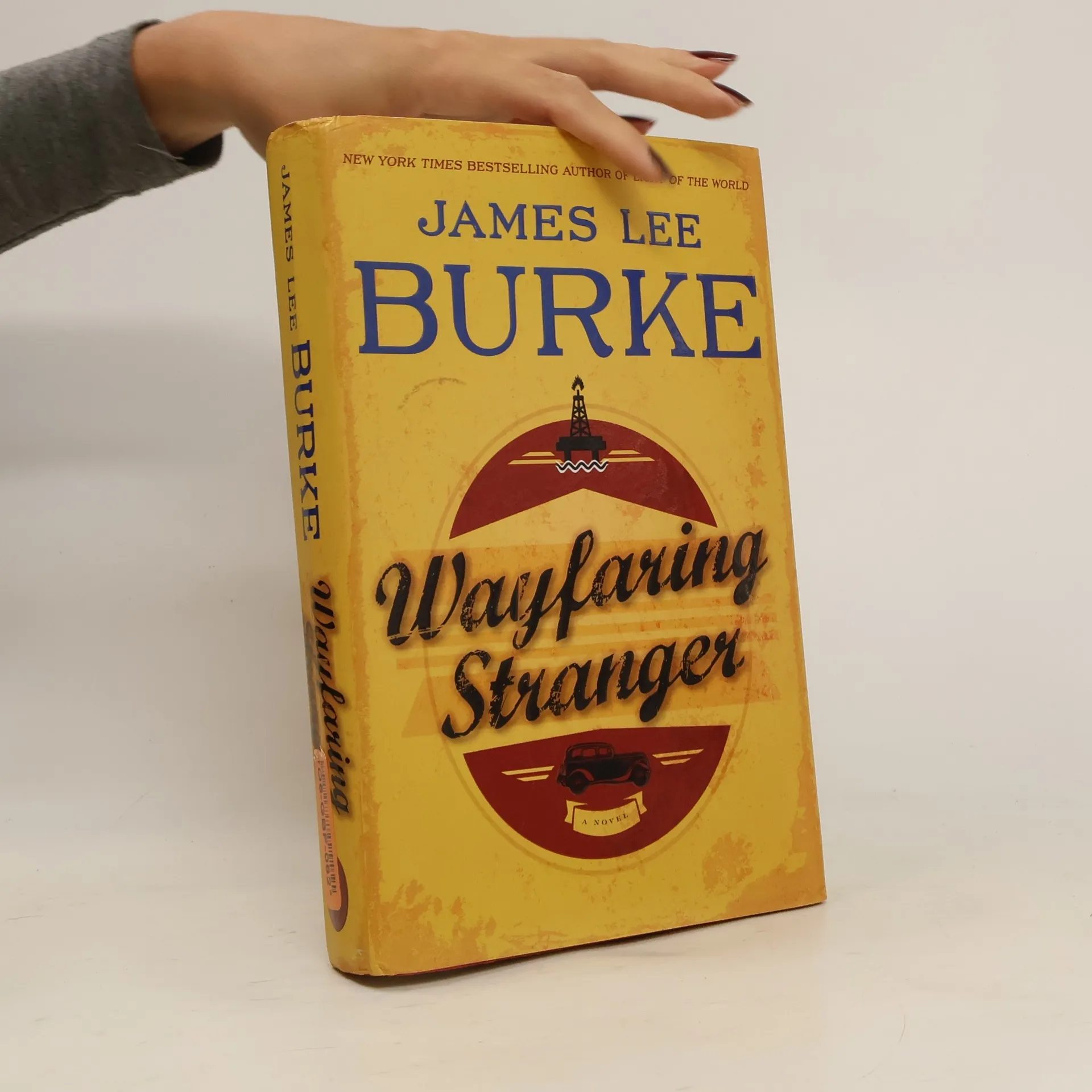
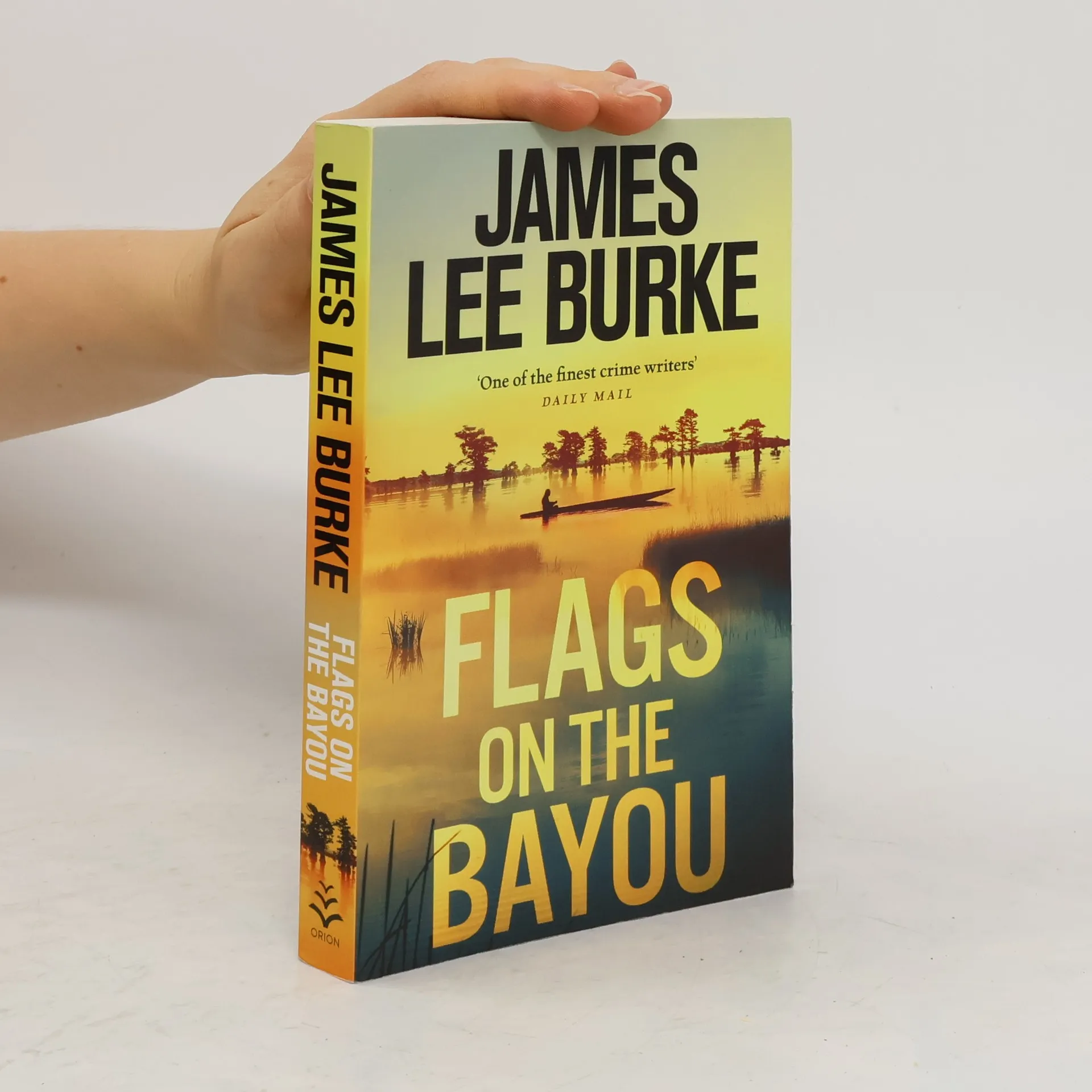
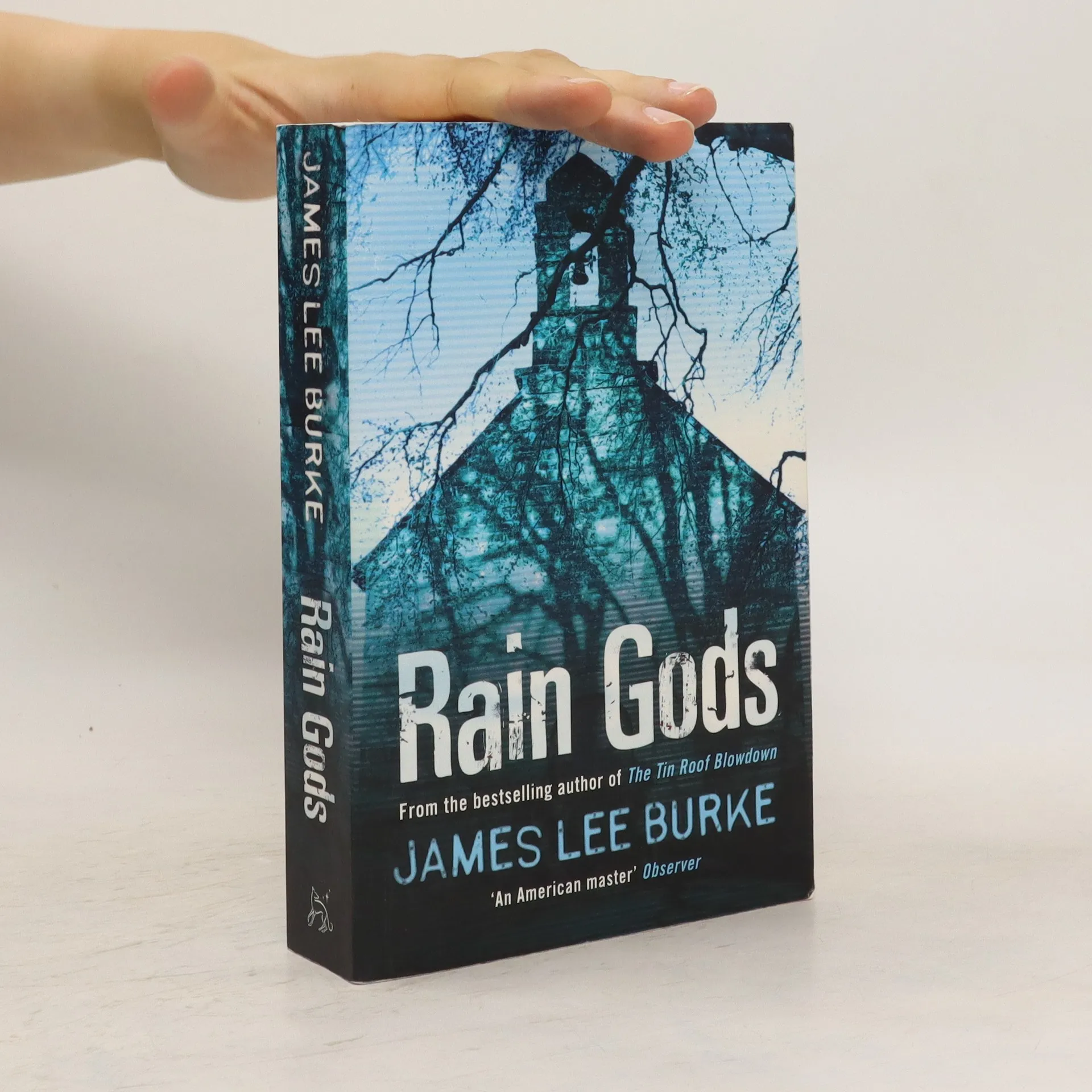
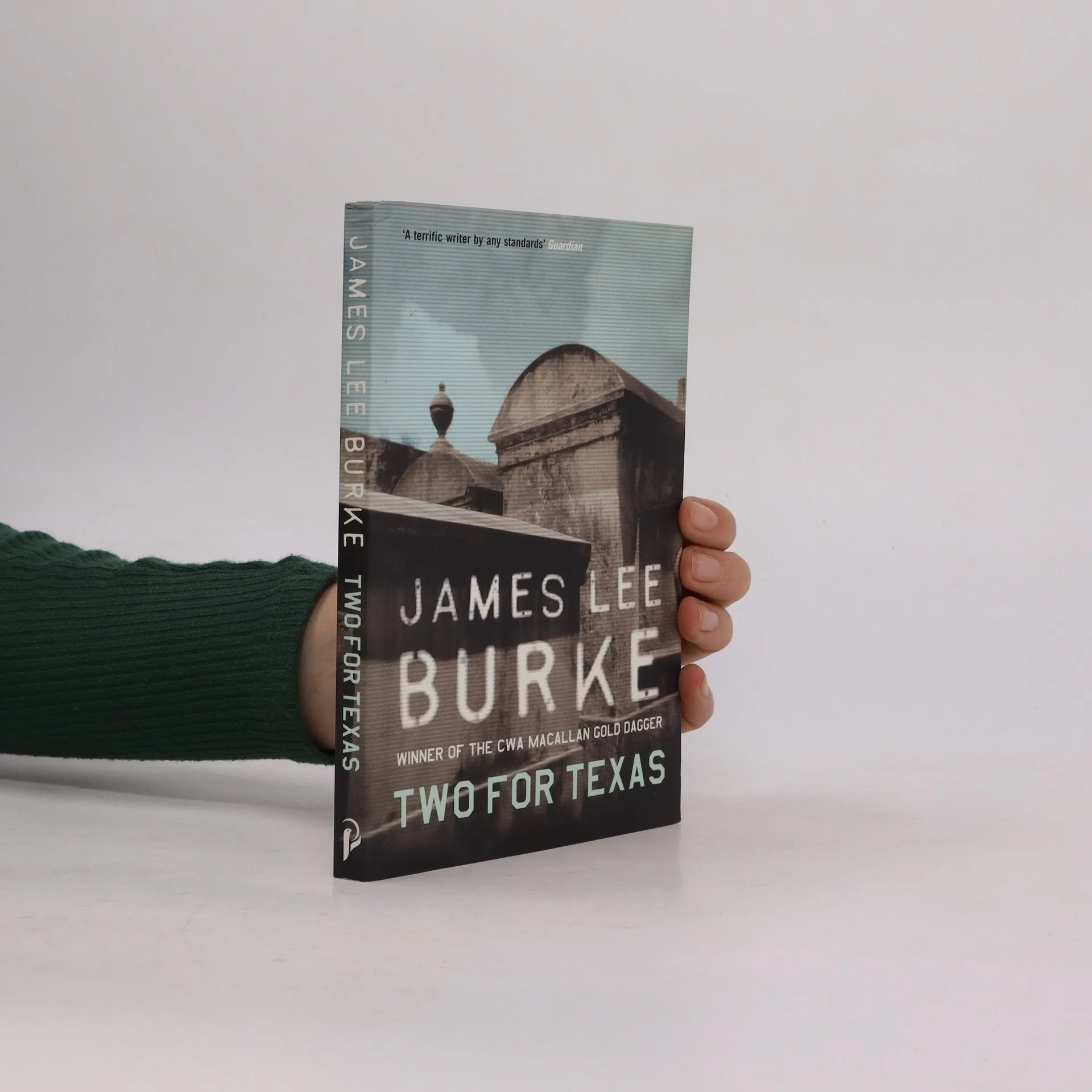
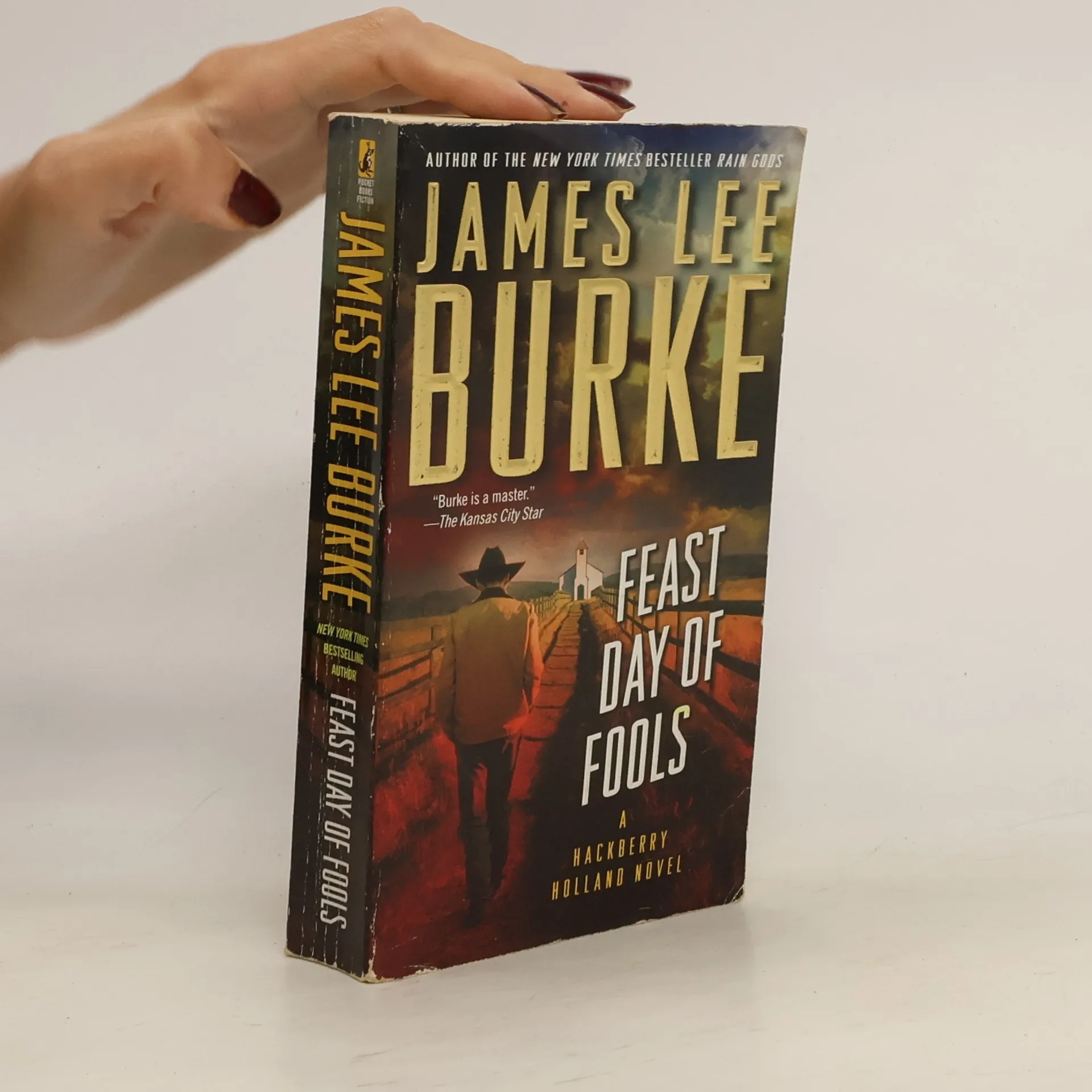
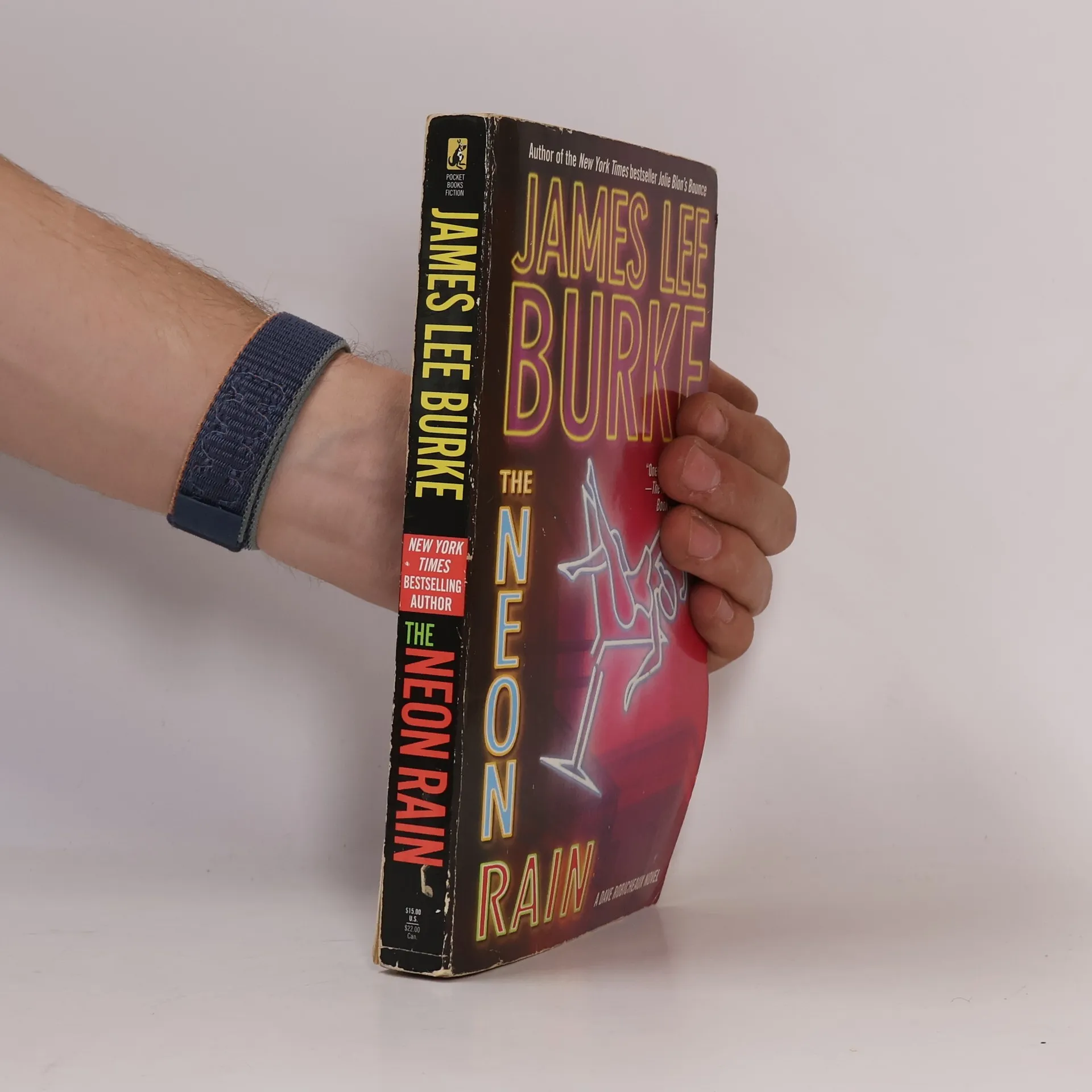
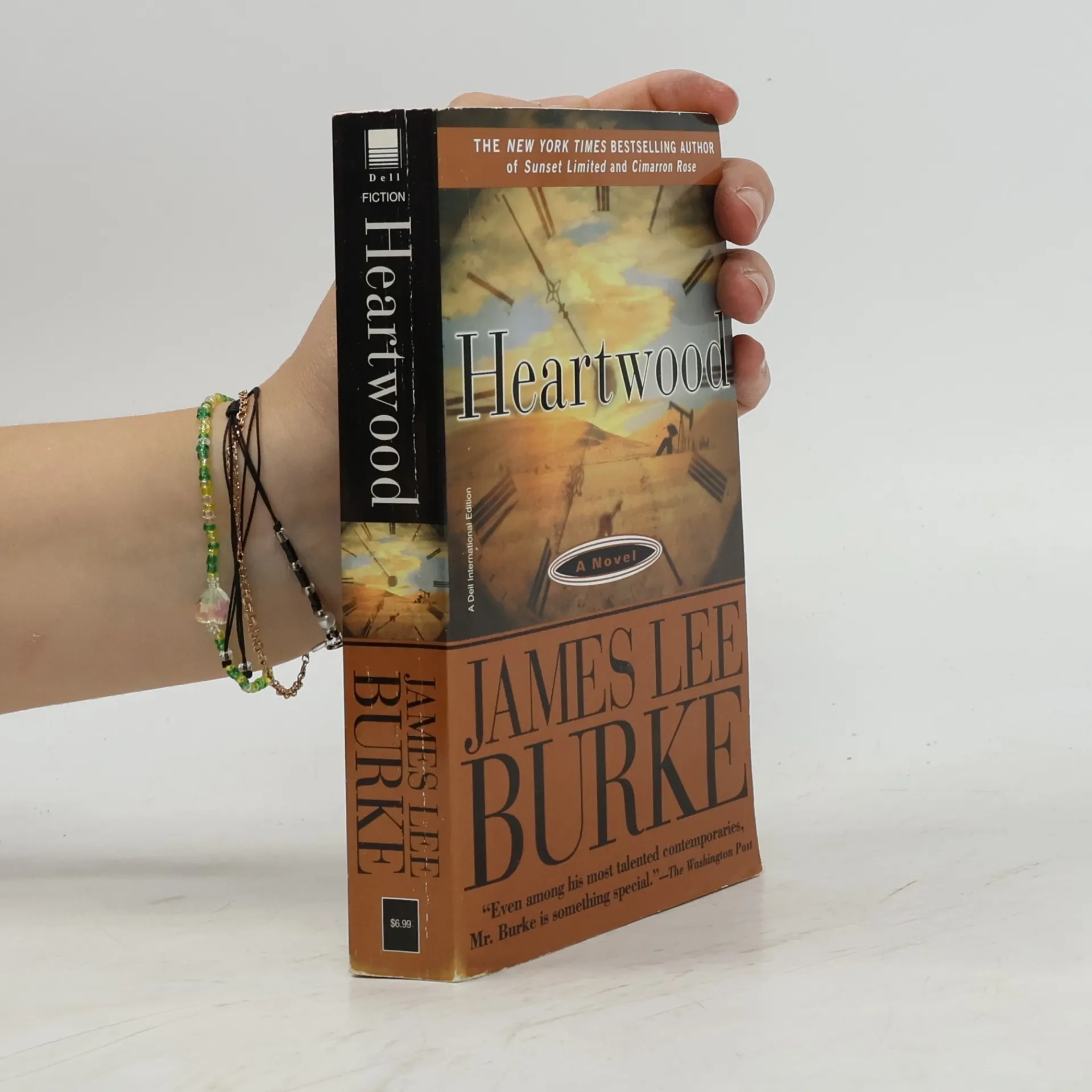
James Lee Burke est un auteur américain réputé pour ses personnages profondément psychologiques et ses cadres atmosphériques. Ses romans policiers explorent des thèmes tels que la culpabilité, la rédemption et l'ambiguïté morale, tandis que ses protagonistes sont aux prises avec des démons personnels et les dures réalités de leur monde. Le style distinctif de Burke se caractérise par une prose lyrique et des observations pertinentes sur la nature humaine, offrant aux lecteurs une expérience riche et captivante. Son œuvre, profondément influencée par des géants de la littérature tels que Faulkner, explore les complexités de la vie en des temps troublés.
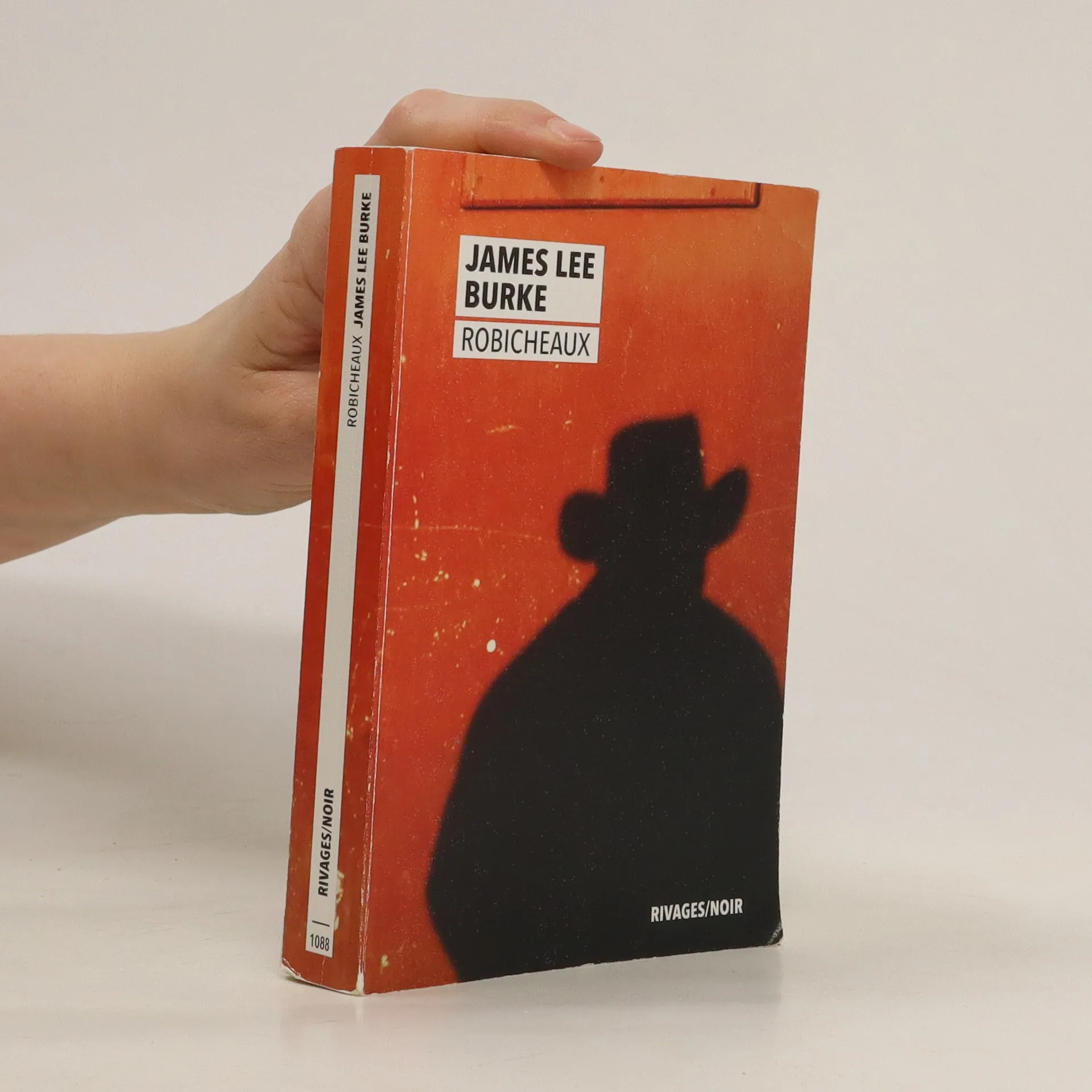
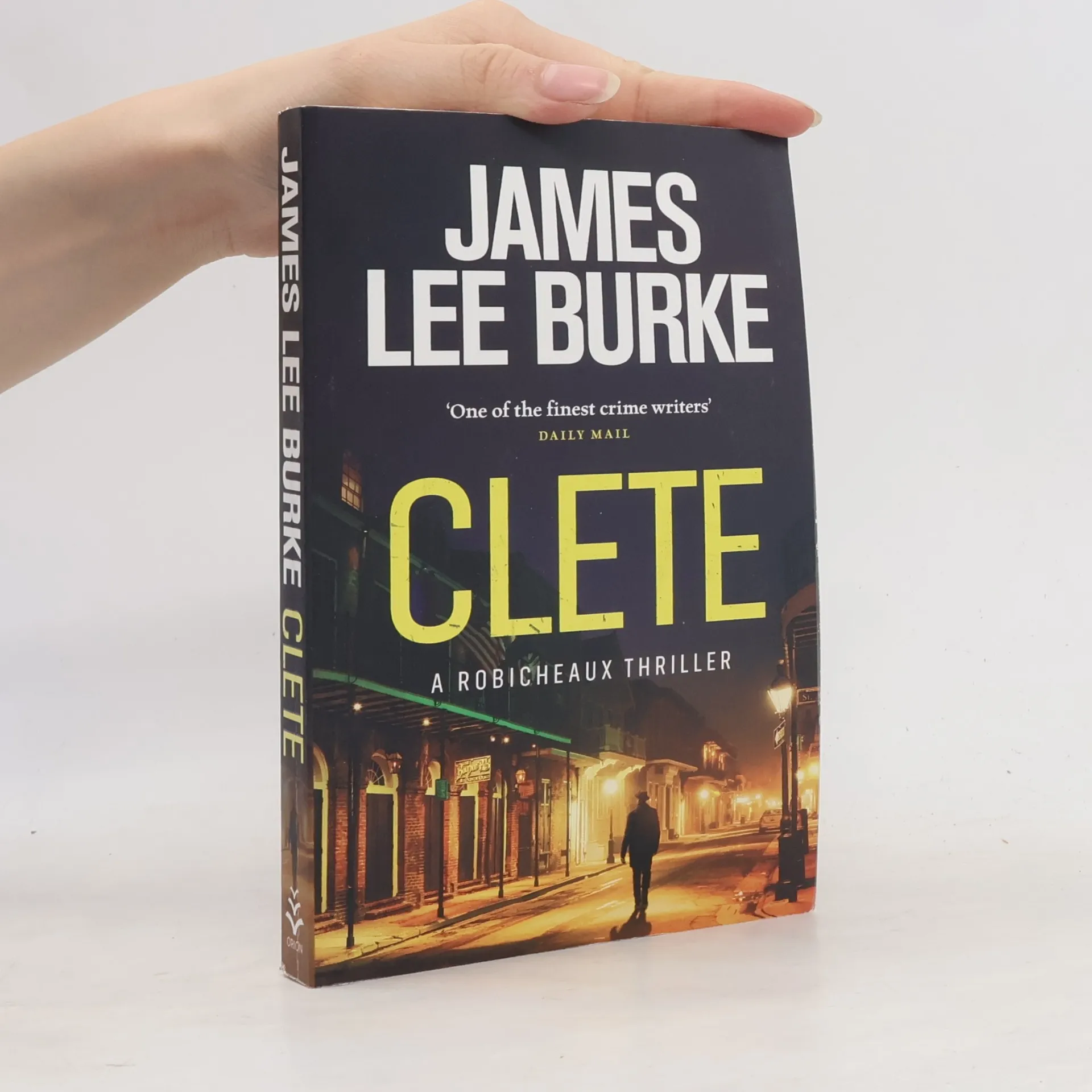
Entraîné dans une enquête déchirante sur le meurtre de sept jeunes femmes, Dave Robicheaux croit traquer un serial killer lorsque la mort d'une étudiante, bien différente des précédentes victimes, le désoriente. Alors que Clete commet une bavure, Alafair, sa fille, commence à fréquenter le rejeton d'un clan malfaisant.
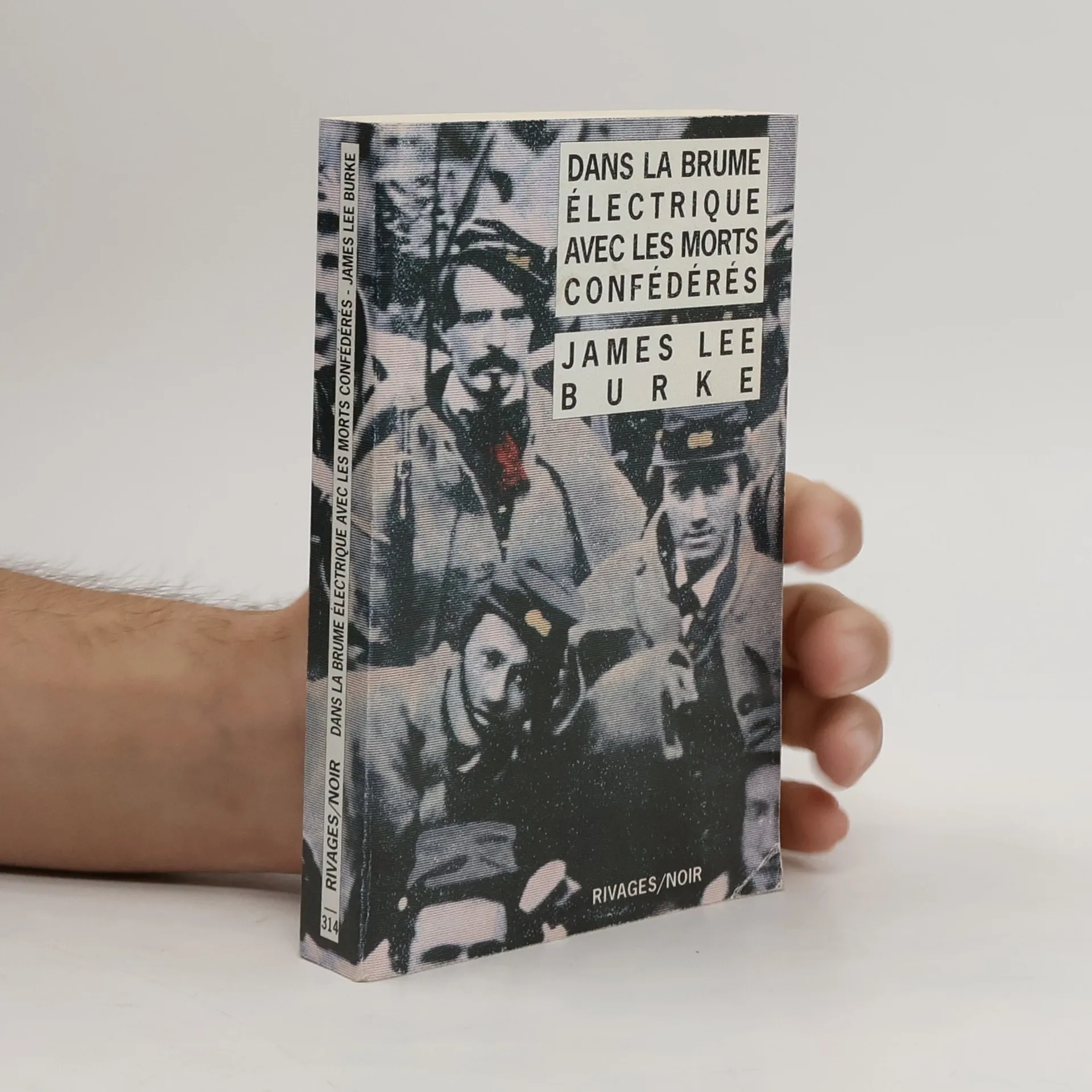
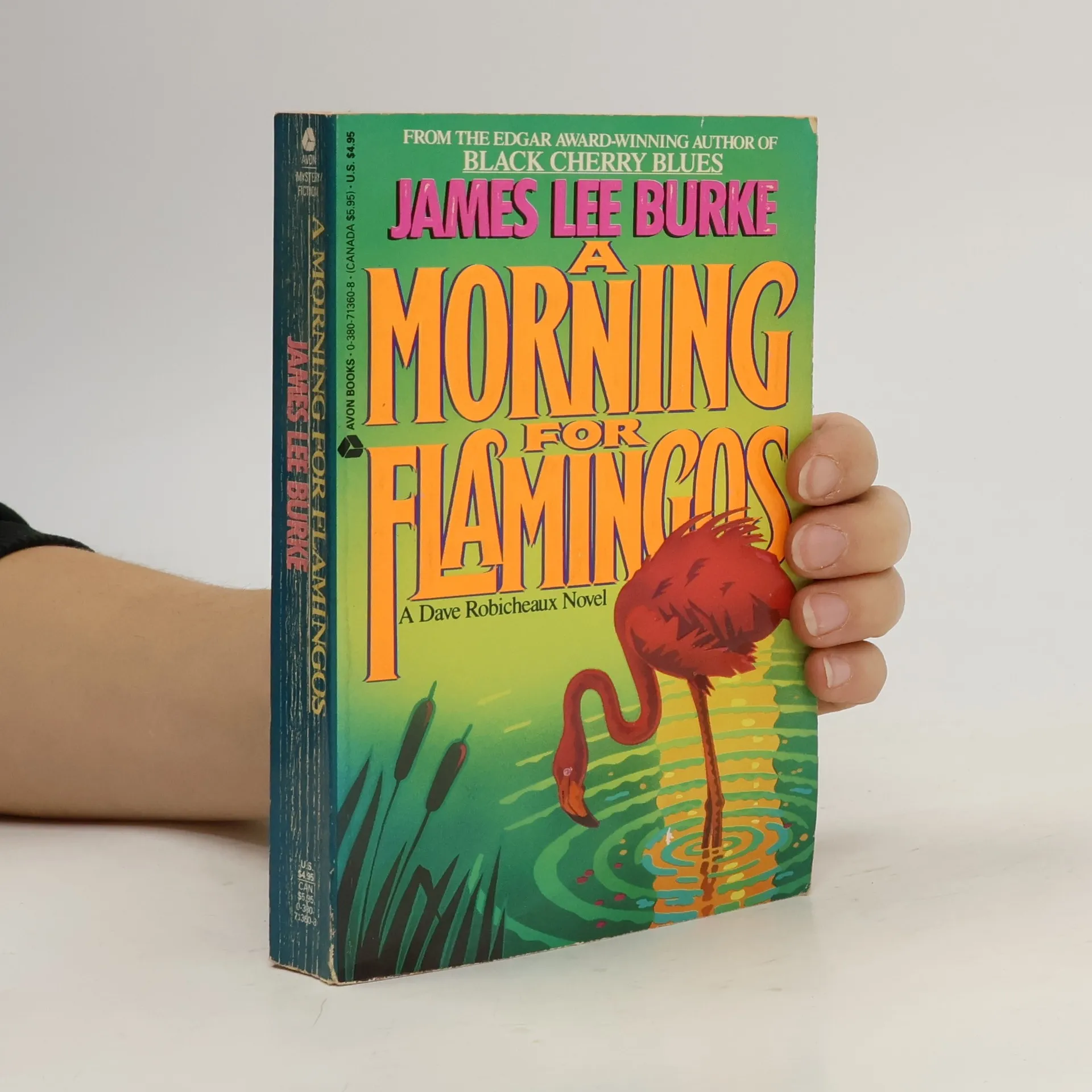
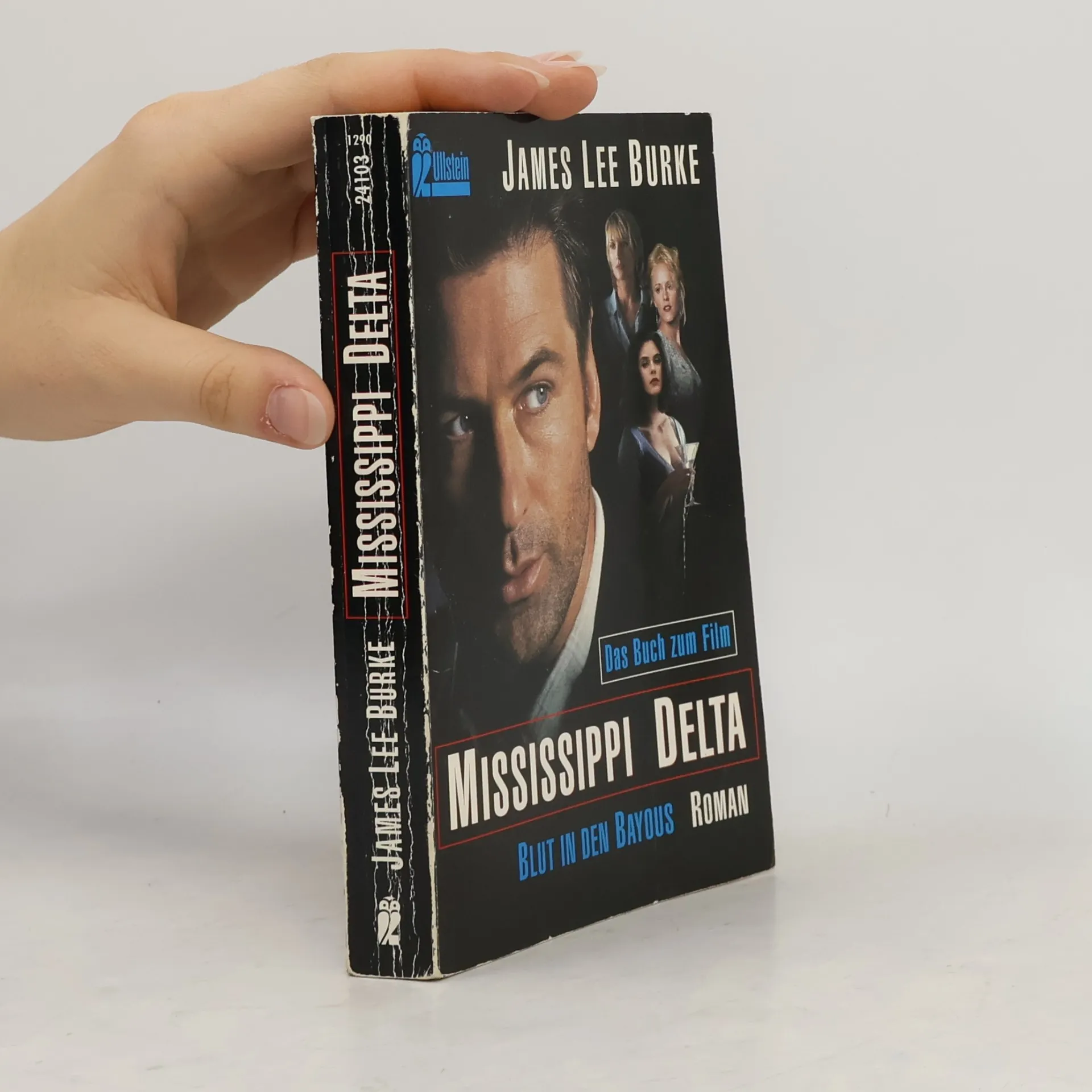
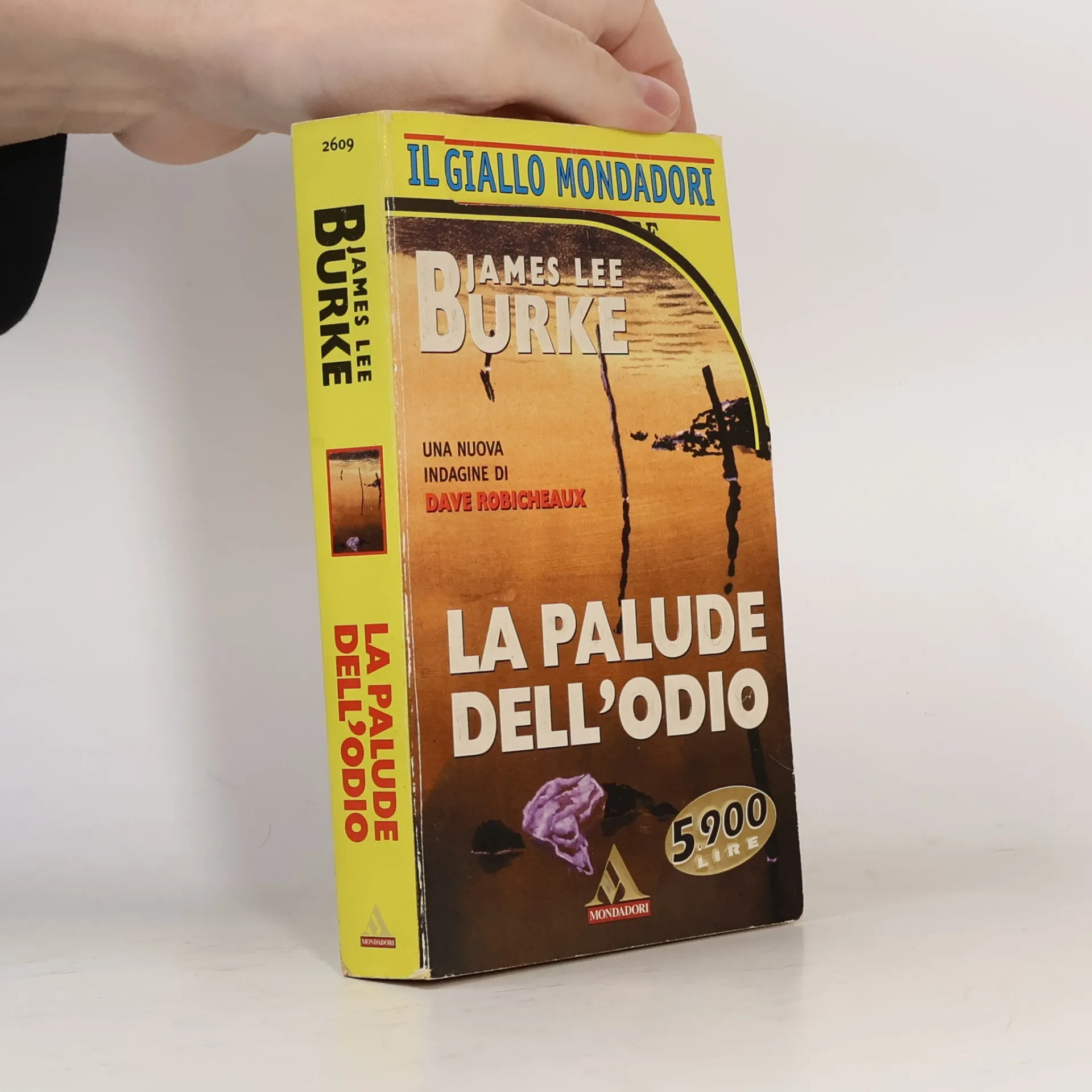
Quelque part dans le sud profond des États-Unis, le policier Dave Robicheaux arrête Elrod Sykes, un acteur d'Hollywood, pour conduite en état d'ivresse. En tournage dans la région, celui-ci prétend avoir trouvé dans le bayou le cadavre momifié d'un Noir, enchaîné à un arbre. Plus troublant encore, à cet endroit, trente-cinq ans auparavant, Robicheaux fut lui-même témoin d'un lynchage qui n'a cessé de le hanter. Malgré les réticences de son supérieur, il décide de relâcher l'acteur et de découvrir l'identité du cadavre. Son enquête va réveiller de vieilles rancunes et susciter d'autres crimes. La guerre de Sécession n'est pas réellement terminée dans le New Iberia, région meurtrie par la violence et alourdie par le poids de la culpabilité. Dans ce sixième volume consacré au policier cajun, James Lee Burke démêle, en grand virtuose, les fils de trois enquêtes et approfondit la personnalité de Dave Robicheaux en évoquant des bribes de son enfance. --Lisa B.
" J'effaçai presque Ida Durbin de ma mémoire. Mais souvent le péché d'oubli, si c'est bien de cela qu'il s'agissait, est comme le fer rouillé d'une hache enfouie dans le coeur d'un arbre... il se retrouve un jour ou l'autre, lorsque les dents de la tronçonneuse finissent par mordre dedans. " La confession d'un ancien condisciple d'université, sur son lit de mort, ravive chez Robicheaux le souvenir d'une jeune femme qui a marqué sa jeunesse. Dans les années cinquante, époque d'une innocence à jamais enfuie, Dave Robicheaux et son frère Jimmie avaient rencontré Ida Durbin sur une plage de Galveston au Texas. Elle était ravissante et Jimmie, ignorant qu'elle travaillait dans un bordel lié à la mafia, en était tombé follement amoureux. Puis elle avait brusquement disparu, sans laisser de traces. Des décennies ont passé et Robicheaux se met à enquêter sur Ida Durbin, ayant la conviction qu'elle a été assassinée. Mais deux policiers au comportement menaçant lui font comprendre qu'il est dangereux de poser des questions sur cette affaire. Entre la série de meurtres horribles qui frappent La Nouvelle-Orléans et l'irruption du puissant Val Chalons et de sa soeur Honoria, Robicheaux doit, une fois encore, mener un combat contre des forces qui le dépassent, les forces du mal incarnées par les grandes familles de Louisiane depuis des générations.
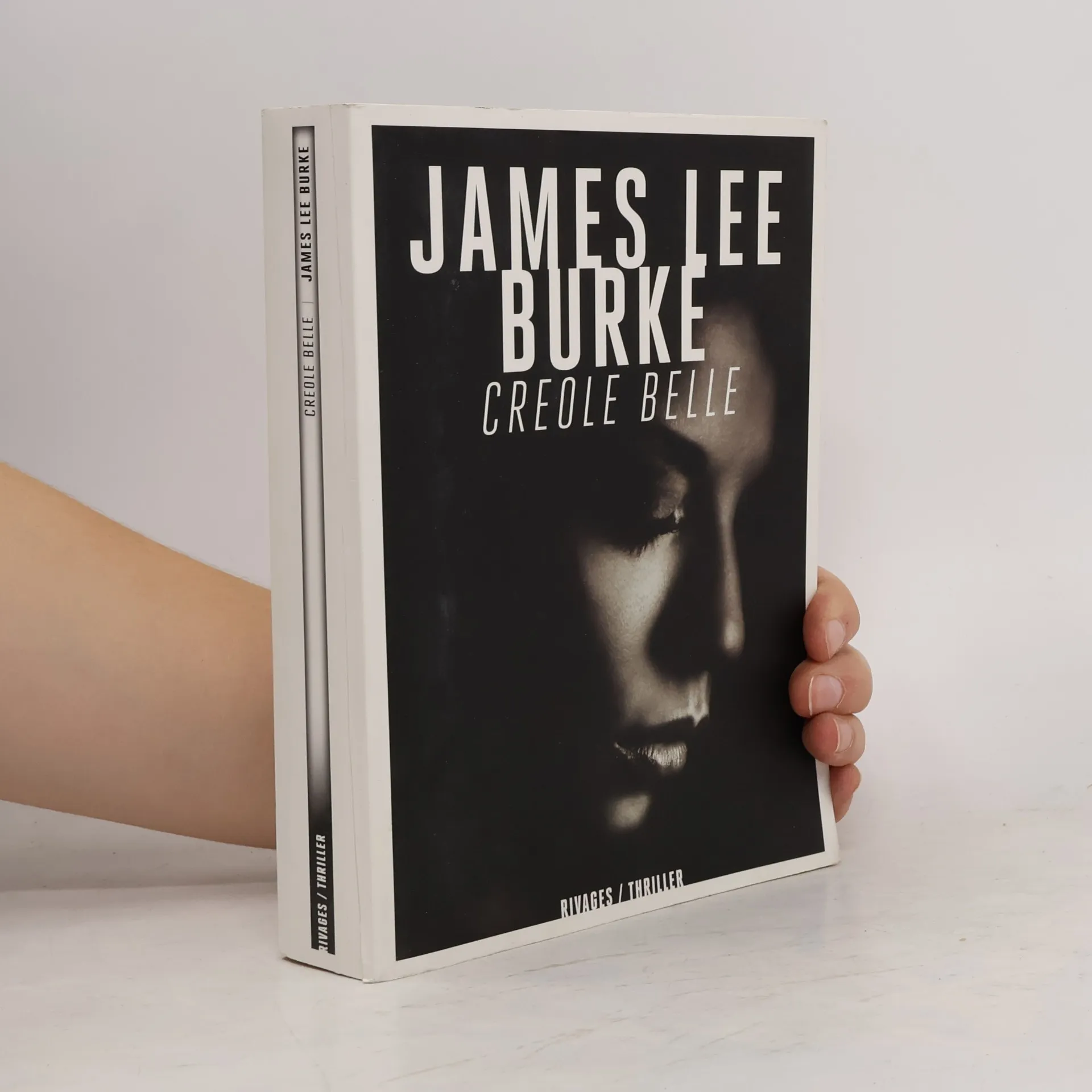
Dave Robicheaux se remet de ses blessures dans une unité de soins de La Nouvelle-Orléans, où il reçoit la visite d'une jeune femme, Tee Jolie Melton. Cette dernière lui laisse, sur un iPod, le blues "My Creole Belle". Une chanson qui finit par l'obséder. Mais dans cette atmosphère languissante baignée de morphine, et avec tous les démons qui plus que jamais l'accompagnent, Dave nourrit des doutes : sa rencontre avec Tee Jolie est-elle bien réelle ou l'a-t-il rêvée ? Car Dave découvre que la jeune femme est censée avoir disparu depuis des mois. Aussi, lorsque la soeur de Tee Jolie, Blue, est retrouvée morte, Dave décide de partir à sa recherche. Une enquête éprouvante, au point que son vieil ami Clete Purcel, lui-même à la limite de la rupture, se met à craindre pour sa santé mentale.
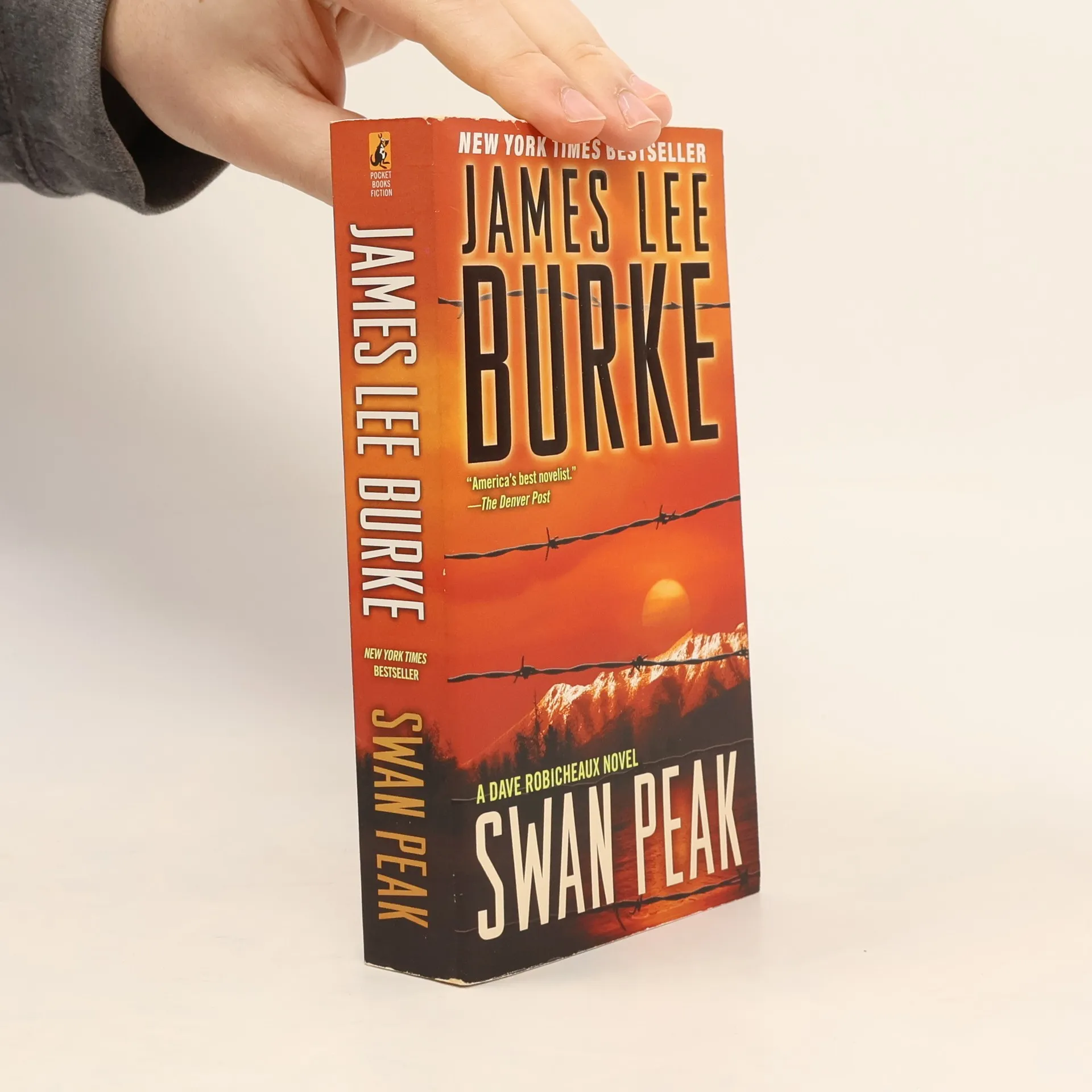
Dave Robicheaux est un homme hanté, aux prises avec des souvenirs du Vietnam, des luttes contre l'alcoolisme et la perte de sa femme, Molly. Son seul réconfort vient de son rôle de détective à New Iberia, en Louisiane. Dans ce cadre, il croise le chemin du parrain de la mafia Tony Nemo, qui possède une épée de la guerre de Sécession destinée à l'auteur local Levon Broussard. Bien que Tony prétende que l'épée appartient aux ancêtres de Levon, son véritable objectif est de tirer profit des adaptations cinématographiques lucratives de Levon. La situation se complique avec Jimmy Nightengale, un jeune homme de l'élite de la Nouvelle-Orléans, qui admire le travail de Levon et est épris de la femme de Levon, Rowena. Alors que les tensions montent entre ces trois hommes, une agression brutale se produit, incitant Robicheaux à enquêter. La situation s'intensifie avec la mort mystérieuse de T.J. Dartez, liée au décès de Molly, amenant le collègue de Robicheaux, Spade Labiche, à le soupçonner. Déterminé à prouver son innocence, Robicheaux est aidé par sa fille, Alafair, et son ami, Clete Purcel, alors qu'ils plongent plus profondément dans l'affaire, découvrant des vérités choquantes en cours de route.
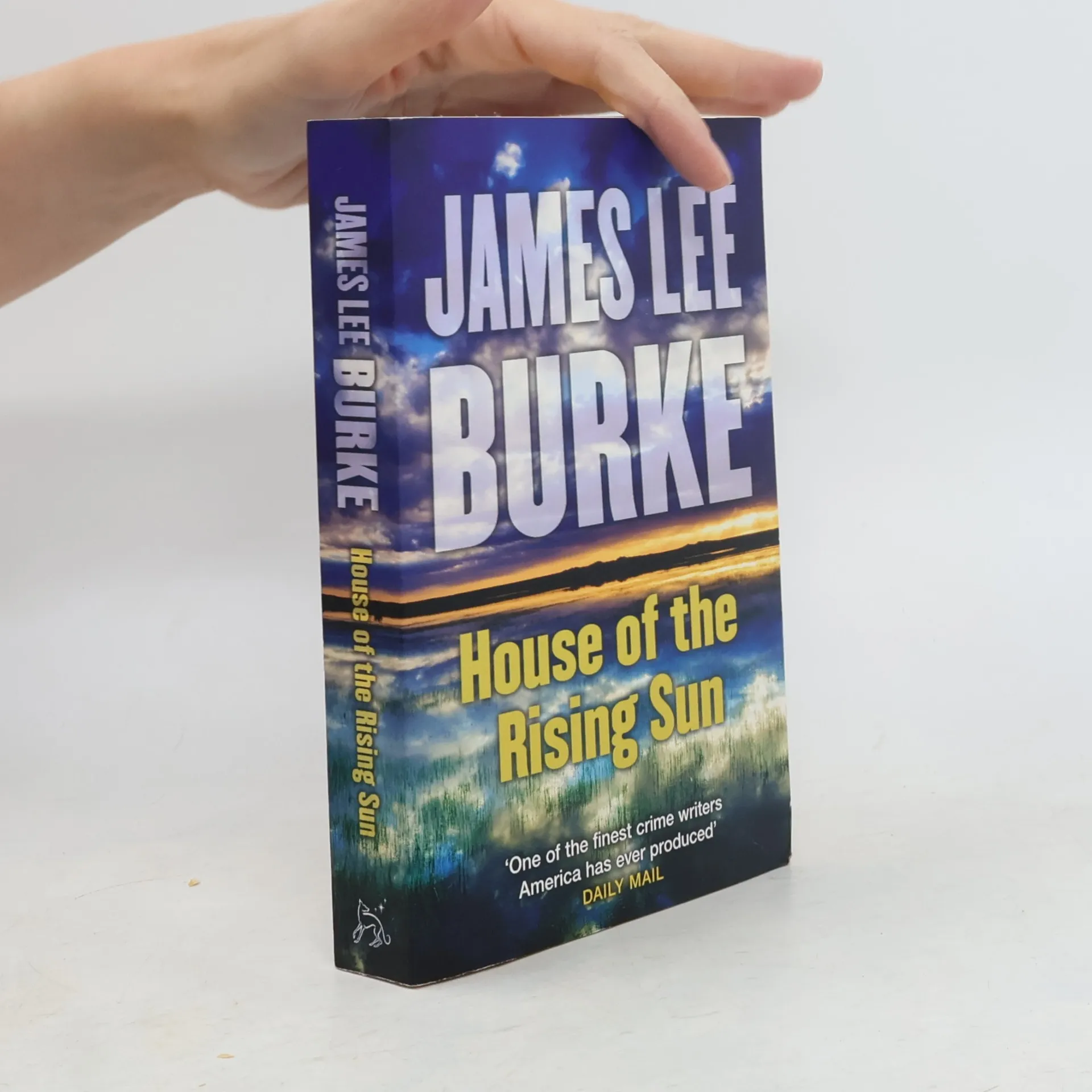
DIXIE CITY JAM When a Nazi submarine is discovered lying in sixty feet of water off the Louisiana coast, some troubled ghosts are ready to be released. A local businessman is offering Detective Dave Robicheaux big money to bring the wreck to the surface, but he is not the only one after the submarine and its cargo. A new spirit of hatred is abroad, and its embodiment is stalking Robicheaux's wife...BURNING ANGEL When Sonny Marsallas entrusts a mysterious notebook to Dave Robicheaux, a series of violent events is set in train. What did Sonny's girlfriend know that resulted in her murder? What are Sonny's connections with the Mob that finally lead them to send a hitman after Dave? BURNING ANGEL outstrips its crime thriller label to produce a rich, sardonic and terrifying portrayal of contemporary America. PURPLE CANE ROAD Detective Dave Robicheaux embarks on a painful journey to a murky past, when he his told that his mother, Mae, was a hooker and ended her life drowned in a puddle by two cops working for the Mob. Dave learns to confront and accept his mistakes as he tries to track down his mother's killers and bring them to justice.
New York Times bestseller and 'one of the finest crime writer's America has ever produced' James Lee Burke returns with his latest masterpiece, the story of a father and son separated by war.
In the waning days of summer, 2005, a storm with greater impact than the bomb that struck Hiroshima peels the face off southern Louisiana. This is the gruesome reality Iberia Parish Sheriff's Detective Dave Robicheaux discovers as he is deployed to New Orleans. As James Lee Burke's new novel, The Tin Roof Blowdown , begins, Hurricane Katrina has left the commercial district and residential neighborhoods awash with looters and predators of every stripe. The power grid of the city has been destroyed, New Orleans reduced to the level of a medieval society. There is no law, no order, no sanctuary for the infirm, the helpless, and the innocent. Bodies float in the streets and lie impaled on the branches of flooded trees. In the midst of an apocalyptical nightmare, Robicheaux must find two serial rapists, a morphine-addicted priest, and a vigilante who may be more dangerous than the criminals looting the city. In a singular style that defies genre, James Lee Burke has created a hauntingly bleak picture of life in New Orleans after Katrina. Filled with complex characters and depictions of people at both their best and worst, The Tin Roof Blowdown is not only an action-packed crime thriller, but a poignant story of courage and sacrifice that critics are already calling Burke's best work.
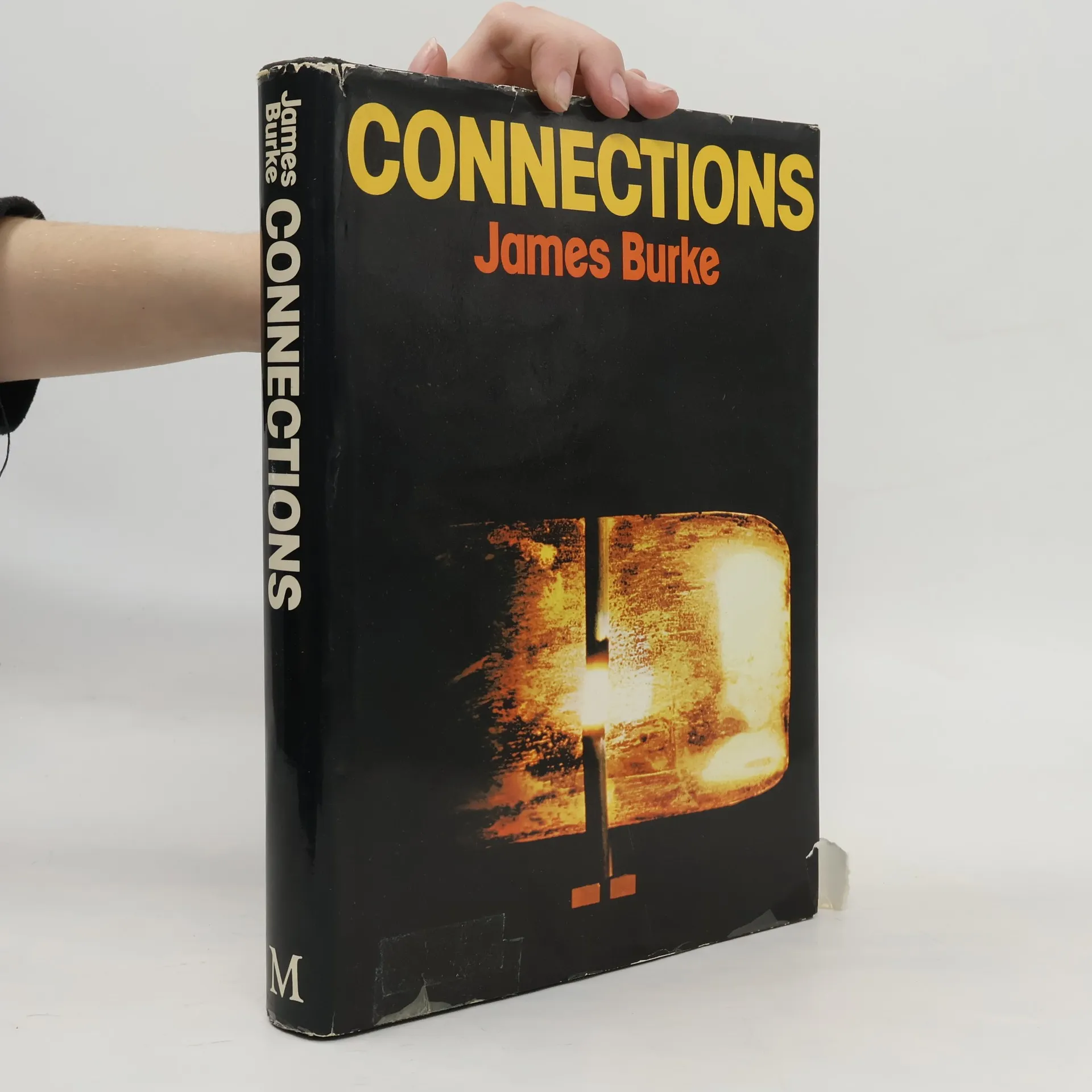
How did the popularity of underwear in the twelfth century lead to the invention of the printing press? How did the waterwheel evolve into the computer? How did the arrival of the cannon lead eventually to the development of movies? In this highly acclaimed and bestselling book, James Burke brilliantly examines the ideas, inventions, and coincidences that have culminated in the major technological advances of today. With dazzling insight, he untangles the pattern of interconnecting events: the accidents of time, circumstance, and place that gave rise to the major inventions of the world. Says Burke, "My purpose is to acquaint the reader with some of the forces that have caused change in the past, looking in particular at eight innovations -- the computer, the production line, telecommunications, the airplane, the atomic bomb, plastics, the guided rocket, and television -- which may be most influential in structuring our own futures....Each one of these is part of a family of similar devices, and is the result of a sequence of closely connected events extending from the ancient world until the present day. Each has enormous potential for humankind's benefit -- or destruction." Based on a popular TV documentary series, Connections is a fascinating scientific detective story of the inventions that changed history -- and the surprising links that connect them.
America's most acclaimed crime writer and winner of the 1998 CWA/Macallan Gold
Dagger returns to Louisiana with his great detective, Dave Robicheaux schovat
popis
Clutching the shards, of his shattered life, Cajun detective Dave Robicheaux has rejoined the New lberia police force. His partner is dead -- slain during a condemned prisoner's bloodyflight to freedom that left Robicheaux critically wounded...and reawakened the ghost of his haunted, violent past. Now he's trailing a killer into the sordid head of die Big Easy-caught up in the lethal undercurrents of a mob double-cross...confronting his most dangerous enemy: himself
Book #3 from the series: Dave RobicheauxBACK IN THE UNDERWORLD HE TRIED TO LEAVE BEHIND Haunted by the memory of his wife's murder and his father's untimely death, ex-New Orleans cop Dave Robicheaux spends his days in a fish-and-tackle business. But when an old friend makes a surprise appearance, Robicheaux finds himself thrust back into the violent world of Mafia goons and wily federal agents. From the Louisiana bayou to Montana's tribal lands, Robicheaux is running from the bottle, a homicide rap, a professional killer and the demons of his past. Rich with fascinating characters and dramatic plot twists, James Lee Burke and his Cajun detective Dave Robicheaux recall the best of Raymond Chandler's Philip Marlowe -- tough, complex and thoroughly entertaining.
As a child he was frightened by the stories...It's out there, under the salt of the Gulf of Mexico, off the Louisiana coast--a buried Nazi submarine. Detective Dave Robicheaux of the New Ibera Sheriff's office has known if its existence since childhood, when he was terrified by nightmares of the evil Nazi sailors just offshore. Then, as a teenager, he stumbled upon the sunken sub while scuba diving--but for years he kept the secret of its watery grave.... And now he must face the terrible reality.But decades later, when a powerful Jewish activist wants the sub raised, Robicheaux's knowledge puts him at the center of a terrifying struggle of conflicting desires. A neo-Nazi psychopath named Will Buchalter, who insists that the Holocaust was a hoax, wants to find the submarine first--and he'll stop at nothing to get Robicheaux to talk.James Lee Burke looks long and hard into the human heart of darkness in his most electrifying novel yet, a story of terror and courage in a Southern Louisiana where the horrific and the beautiful rise from the same fertile soil.
In this moving collection of short stories, James Lee Burke elegantly marries his flair for gripping storytelling with his lyrical writing style and complex, fascinating character portraits. The backdrop of the hurricane-ravaged Gulf Coast is a versatile setting for Burke's stories, which cover the scope of the human experience -- from love and sex to domestic abuse to war, death, and friendship.
When a man imprisoned for killing a black civil rights leader protests his innocence before Dave Robicheaux, the Louisiana detective finds himself pressured by the state's new governor and his seductive wife to stay away from the case. Reprint."
Defending an African-American farm family from local mobsters who want their land, Cajun detective Dave Robicheaux travels from his native New Orleans to Central America in pursuit of a notorious gambler and hit man.
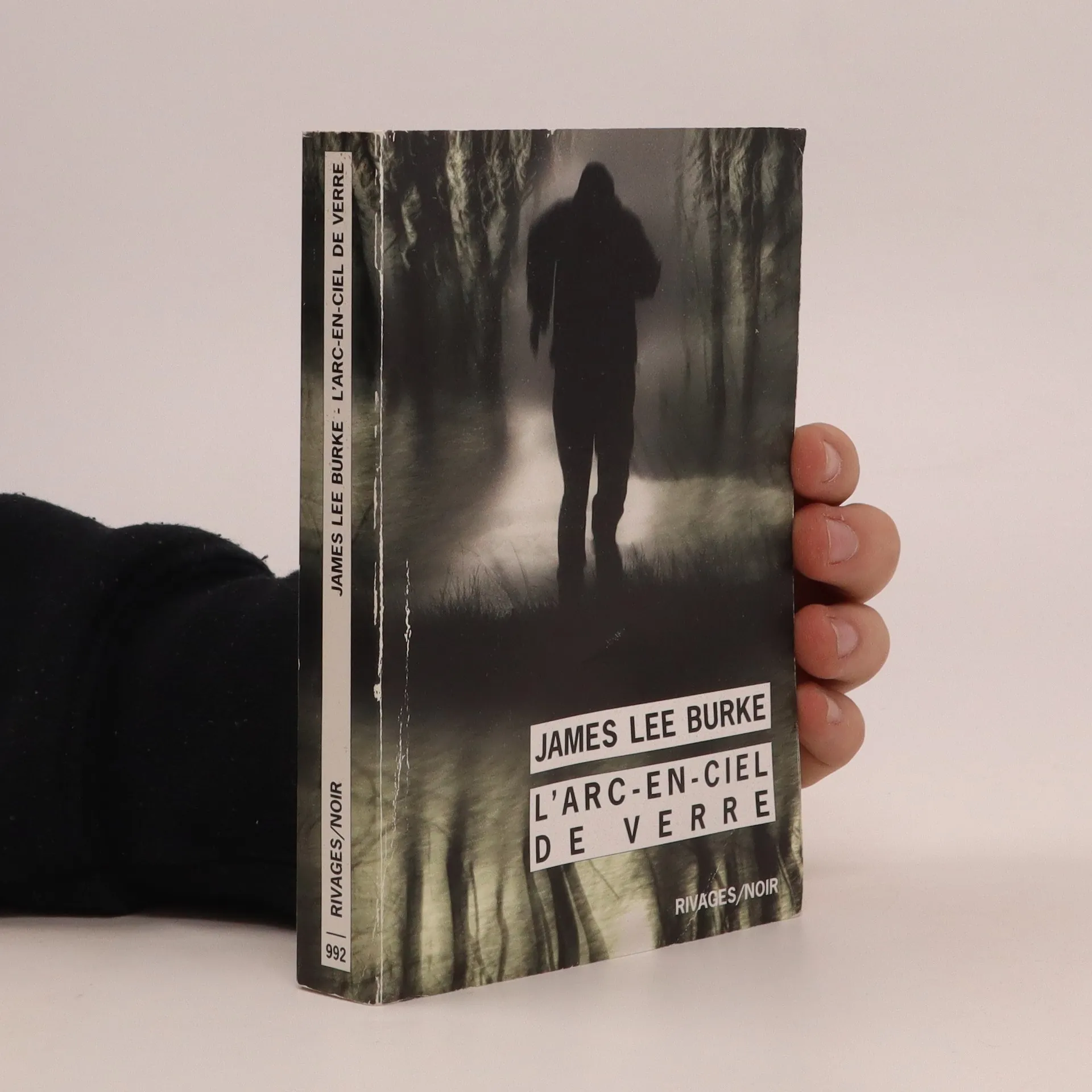
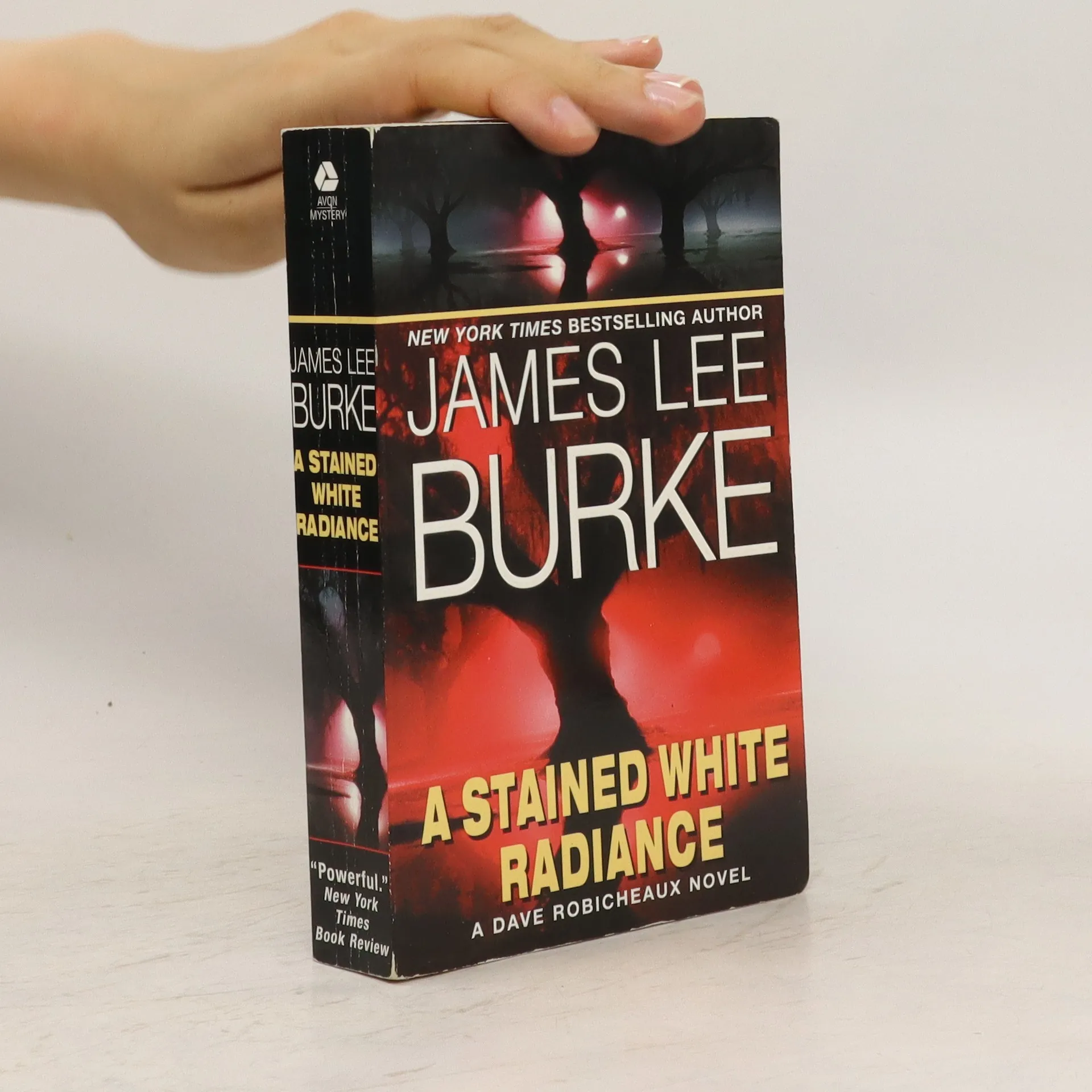
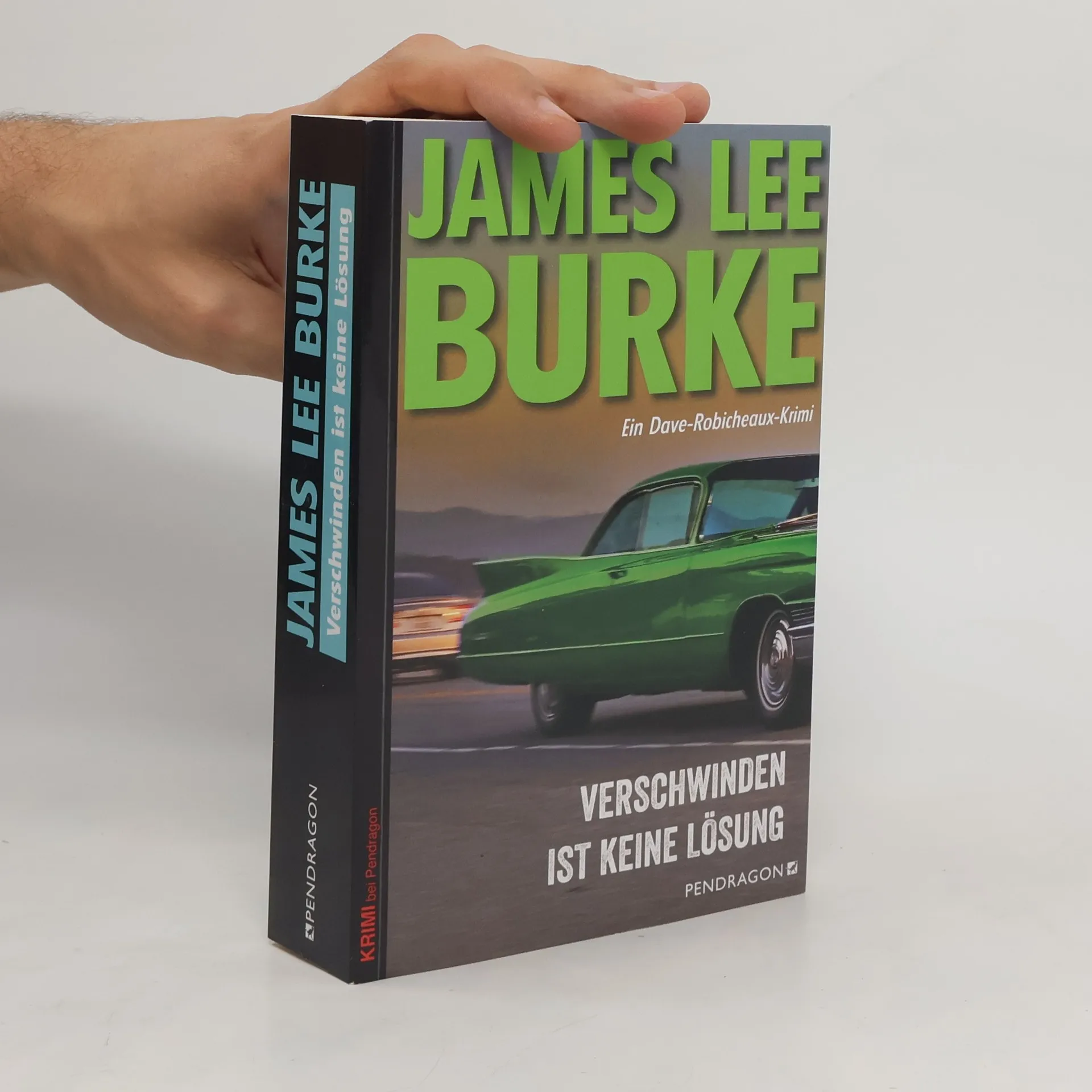
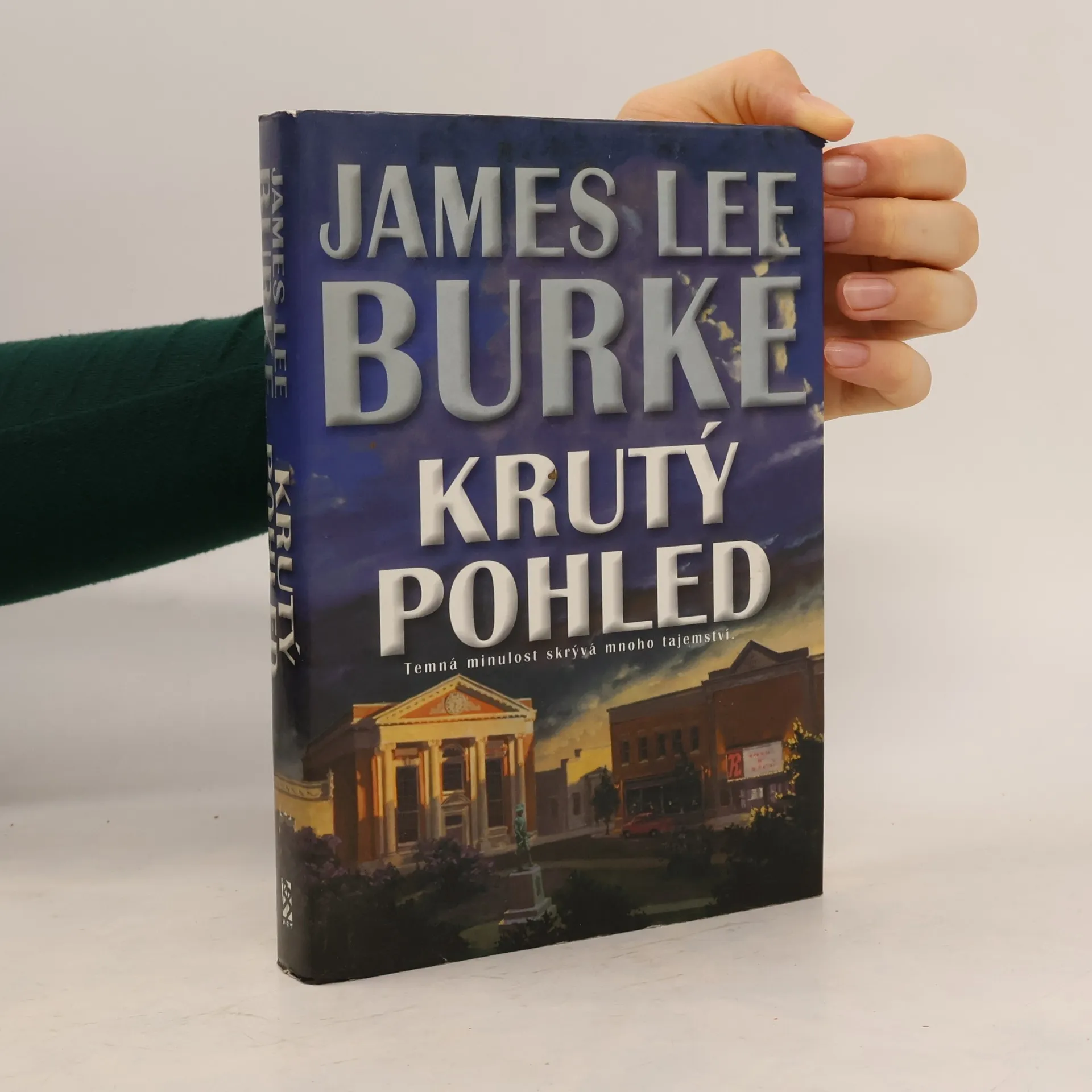
In this gripping new novel, Detective Dave Robicheaux returns to New Iberia, Louisiana, facing the most harrowing case of his career as seven young women are brutally murdered in neighboring Jefferson Davis Parish. While the killings suggest a serial killer, the death of high school honor student Bernadette Latiolais stands out, as she doesn't fit the profile of typical victims. Robicheaux and his friend Clete Purcel confront Herman Stanga, a despised pimp and crack dealer, but when Stanga is found dead after a violent encounter with Purcel, the investigation spirals into chaos, jeopardizing Clete's life and career. Compounding Robicheaux's troubles is his daughter Alafair, who is on leave from Stanford Law to finish her novel. Her relationship with Kermit Abelard, a celebrated novelist from a declining Louisiana family, raises alarms for Robicheaux, especially given Abelard's ties to Robert Weingart, a manipulative ex-convict author. As Alafair seems to drift away, Robicheaux grapples with his own paranoia, only to discover that his instincts about the dangers surrounding her are all too accurate. Set against a backdrop of beauty threatened by dark forces, this novel promises to be a standout in the Robicheaux series.
A sprawling thriller drenched with atmosphere and intrigue that takes a young boy from a chance encounter with Bonnie and Clyde to the trenches of World War II and the oil fields along the Texas-Louisiana coast.
New York Times bestselling author and “the reigning champ of nostalgia noir” (The New York Times Book Review) James Lee Burke returns with a powerful novel in the Holland Family series set in 1950s Texas, as the specter of the Korean War looms. On its surface, life in 1950s Houston is as you’d expect: stoic fathers, restless teens, drive-in movies, and souped-up Cadillacs. But underneath that surface lies a world shifting under high school junior Aaron Holland Broussard’s feet. The underlying class war between the haves and have nots is growing steadily, along with the menace of conflict overseas in Korea, providing a harrowing backdrop to his growth to manhood. But when Aaron spots the beautiful Valerie Epstein at a drive-in, he steps in when he sees her fighting with her boyfriend, Grady Harrelson. Aaron’s newfound confidence helps catch Valerie’s eye, and the two begin dating. Grady is a live wire though, and presents a looming problem for Aaron. You will recall the feelings and inspirational power of your first love, and empathize with Aaron’s extraordinary challenges to protect himself and the ones he loves in “this dark, atmospheric story” (Publishers Weekly). The Jealous Kind illustrates how first loves, friendship, violence, and power can alter what traditional America means for the people trying to find their way in a changing world.
The shocking death of a young woman leads Detective Dave Robicheaux into the
dark corners of Hollywood, the mafia, and the backwoods of Louisiana in this
gripping mystery from modern master (Publishers Weekly) James Lee Burke.
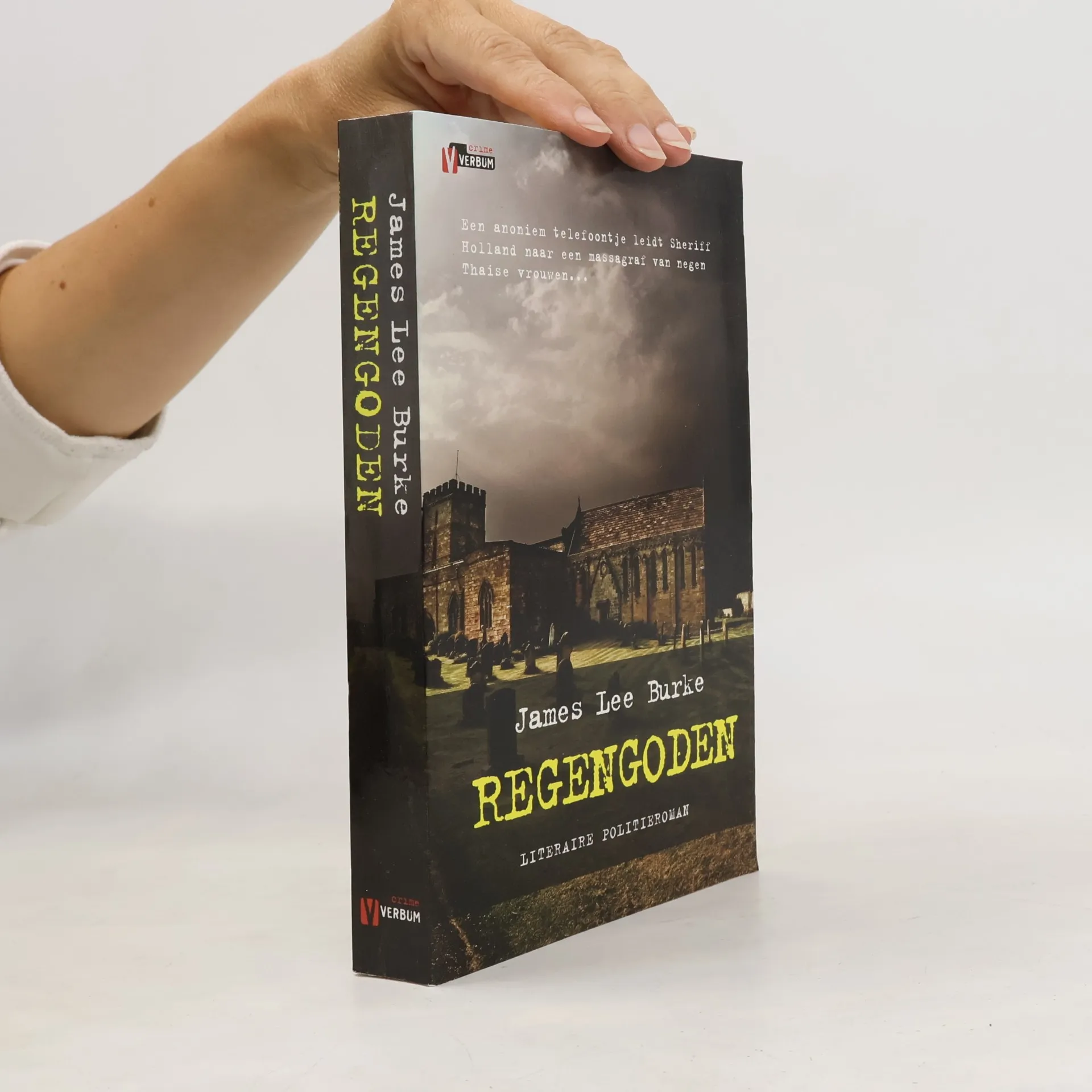
Hackberry Holland is a man haunted by a chequered and traumatic past. A former POW from the Korean War, he has left everything behind to become sheriff of a dried-out, broken-down border town in south Texas. But Hack soon finds himself dealing with more than just his own demons when nine dead prostitutes are dug up behind a run-down church. The search for justice - and revenge - pits Hack against hired guns, drug dealers who operate on both sides of the border and a psychotic killer known as The Preacher. As Holland frantically tries to end the cycle of killings and bring justice to the dead girls, he discovers just how dark the deepest corners of the human heart can get and how redemption can come in the form of a woman's love...
How Renaissance Water Gardens Made Carburetor Possible - And Other Journeys
340pages
12 heures de lecture
Exploring the unexpected consequences of knowledge, this book intertwines historical events and discoveries, revealing how seemingly minor occurrences can lead to significant advancements. James Burke, drawing from extensive research, presents a narrative filled with intrigue, akin to a detective story, highlighting the interconnectedness of ideas and innovations. Designed for interactive reading, it features cross-chapter references that mimic hypertext, allowing readers to navigate the text dynamically. The journey uncovers the profound implications of how ideas converge and evolve over time.
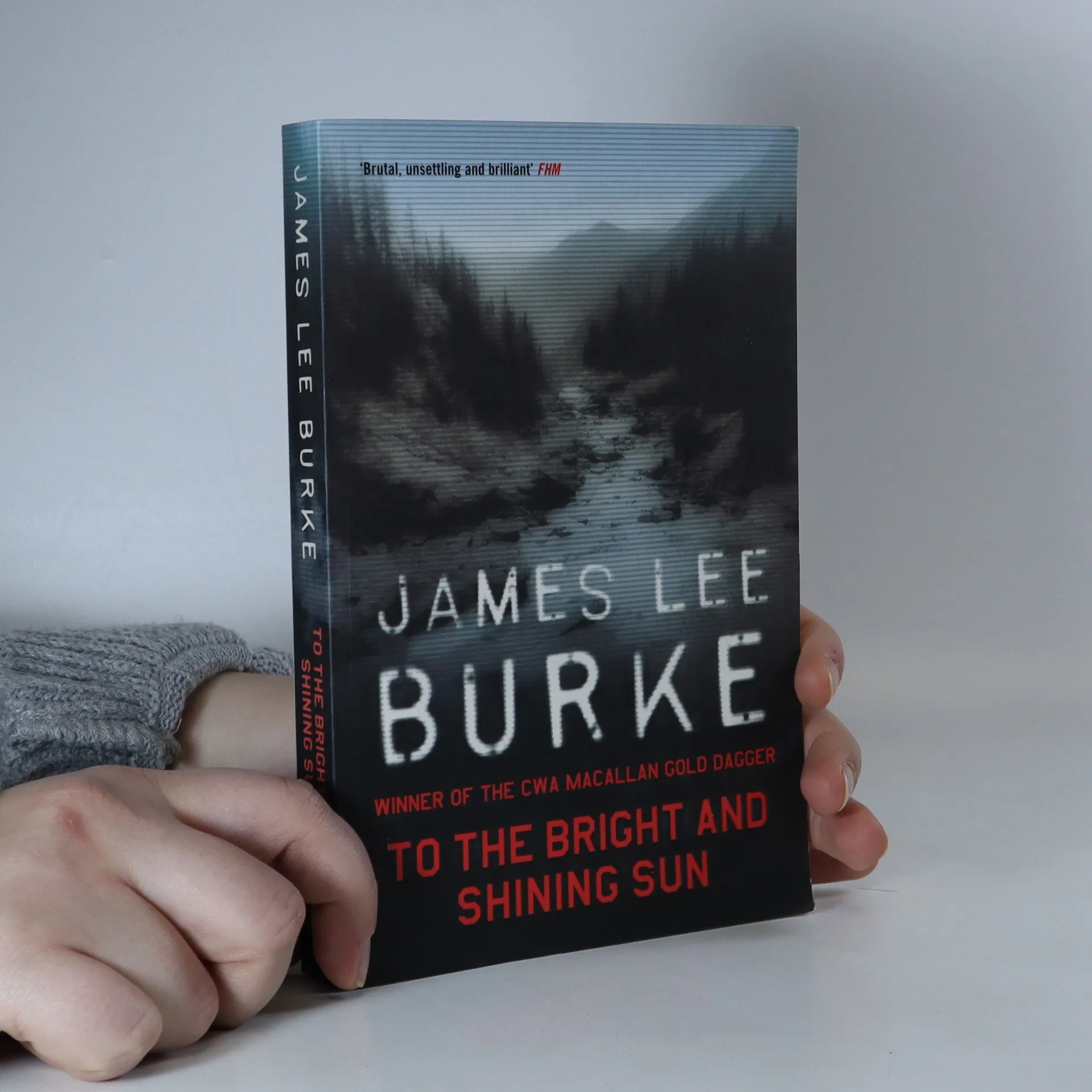
'A twisted spar whistled through the air like a cannon ball, cutting through the tops of two maple trees. The air became black with coal dust. As the last echo of the explosion began to thin in the distance, the boy could hear the leaves from the trees settling to the ground around him...' In TO THE BRIGHT AND SHINING SUN James Lee Burke brings his brilliant feel for time and place to a stunning story of Appalachia in the early 1960s. Here Perry Woodson Hatfield James, torn between family honour and the lure of seedy "watering holes" must somehow survive the tempestuous journey from boyhood to manhood and escape the dark heritage of the Cumberland Mountains in this 'surging, bitter novel as authentic as moonshine' (New York Times)
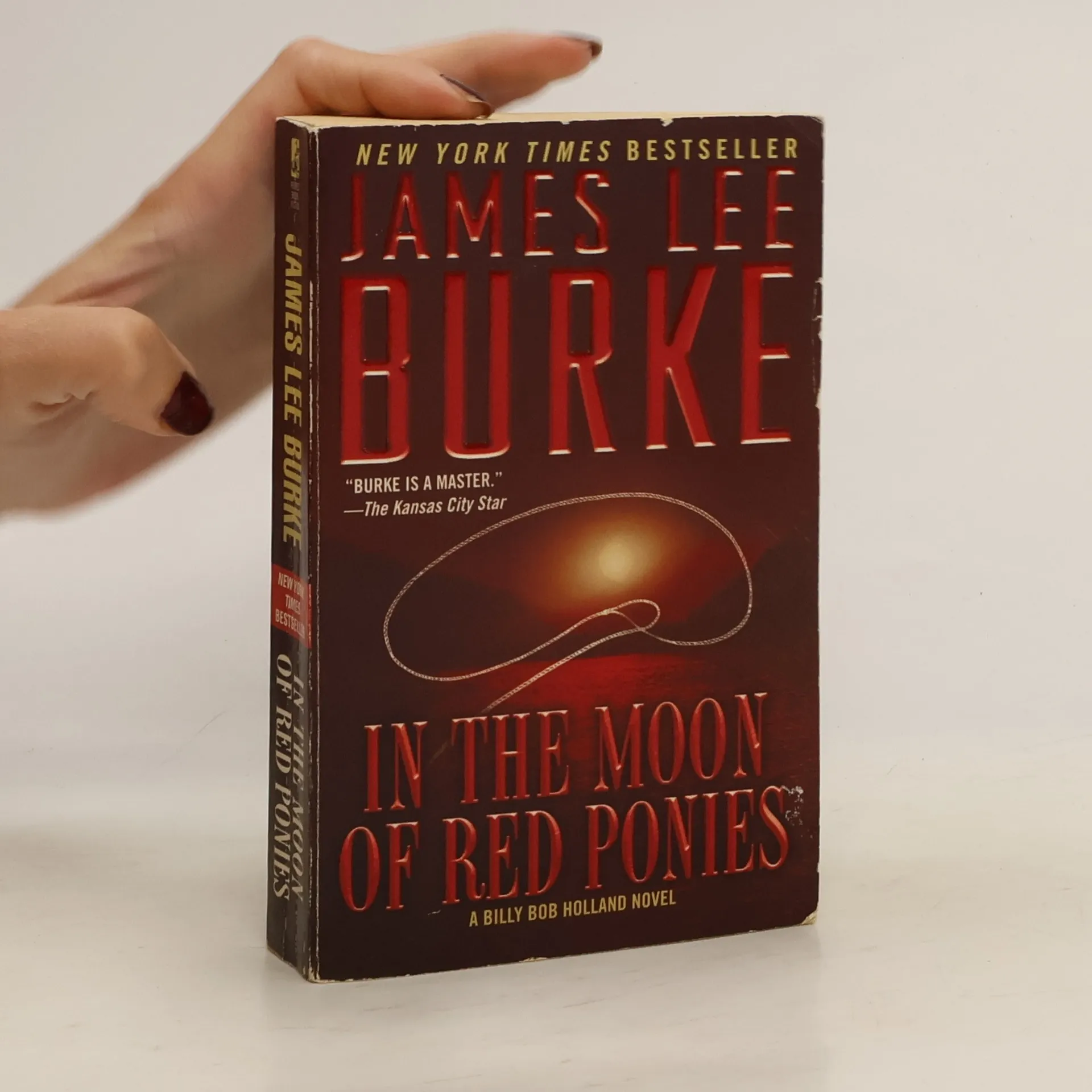
Billy Bob Holland's visit to his old friend Doc Voss in Montana turns into a nightmare when Doc's daughter is brutally attacked, the suspect is burned alive, and Doc is arrested. Meanwhile, Wyatt Dixon, a member of a dangerous gang, is after Billy's life.
When Dixon, a criminal who Billy Bob Holland helped send to prison, is released on a technicality, Holland finds his loved ones endangered by the vengeful killer.
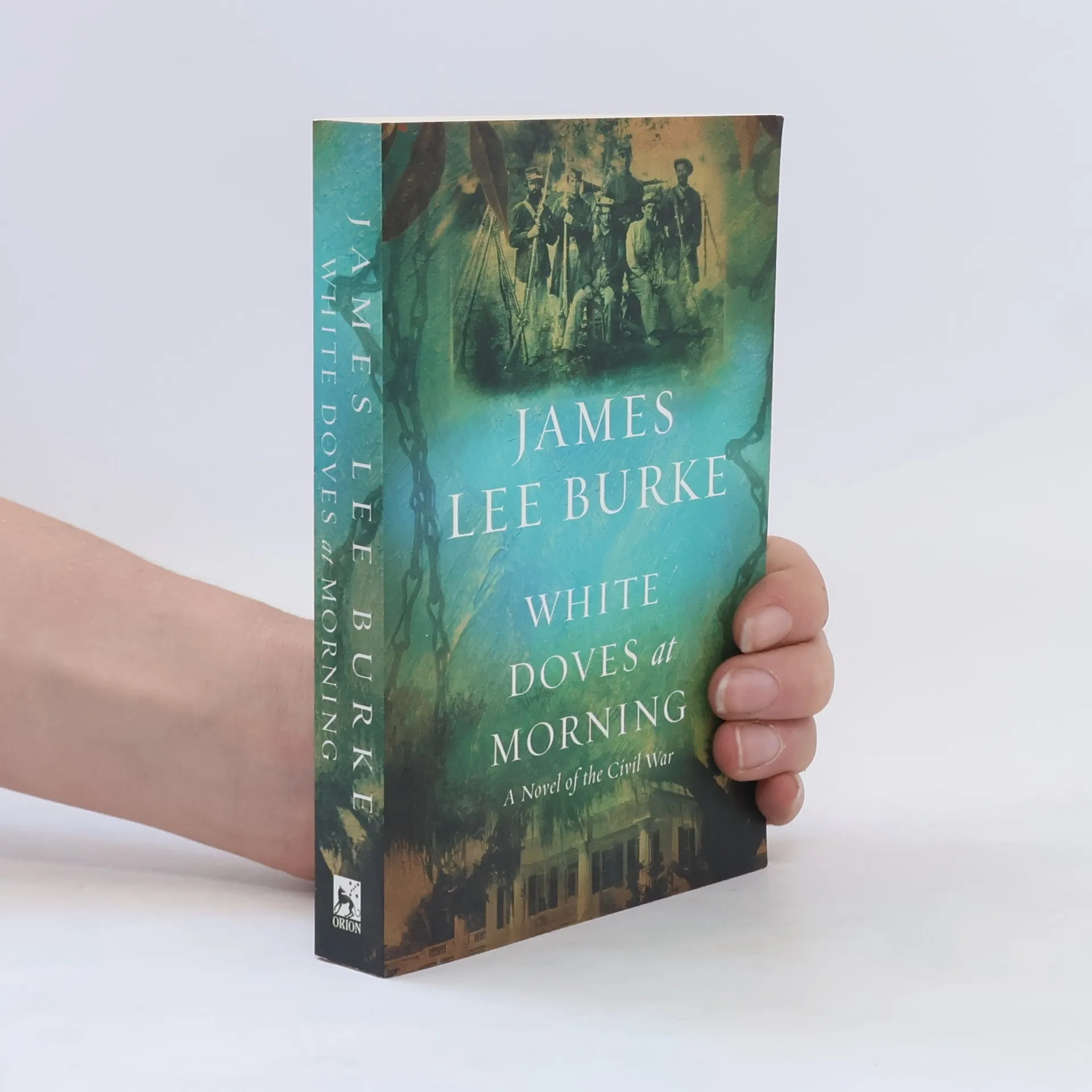
Set mainly in Louisiana during the years 1861-1868, this passionate novel of men, women and war tells the story of the author's ancestor, Confederate soldier Willie Burke, during the American Civil War. A classic Burke hero, Willie is soon in conflict with his superiors. The characters who people these pages, many of them based on real historical figures, are as memorable as any Burke has created. Mulatto, Flower Jamison, victim of terrible abuse who is determined to better herself; Abigail Dowling, whose Unionist sympathies put her in constant danger; Colonel Ira Jamison, rotten to his core yet who would rise from a cesspit smelling of roses... White Doves At Morning is an epic novel of the American Civil War.
For Dave Robicheaux, returning to New Orleans means confronting old ghosts and familiar dangers. Now a police officer in New Iberia, he learns that his friend, Father Jimmie Dolan, has been brutally assaulted, prompting him to investigate unofficially in the city that haunts him. Unbeknownst to Robicheaux, this decision invites an ancestral evil that threatens his life and those around him. Assisted by his friend, P.I. Clete Purcel, Robicheaux confronts Gunner Ardoin, the suspected assailant, but the situation escalates, leading to Clete's arrest and a warning for Robicheaux to stay away from New Orleans.
Back in New Iberia, tragedy strikes as three teenage girls die in a drunk-driving accident involving the daughter of a prominent physician. Robicheaux traces the alcohol's source to a local daiquiri window, but when its owner is murdered, he suspects the grieving father. His theory is challenged when the murder weapon is linked to someone else. Meanwhile, Father Dolan asks for help investigating a toxic landfill in New Orleans, which leads to the mystery of a missing blues musician. Tying these threads together is Max Coll, a relentless hitman targeting Father Dolan. As violence escalates, Robicheaux finds himself drawn deeper into a web of secrets, forcing him to confront his unresolved past. This tale masterfully explores the darker sides of human nature, filled with unforgettable characters and the atmospheric tension tha
"Lucas Smothers, nineteen and from the wrong end of town, has been arrested for the rape and murder of a local girl. His lawyer, former Texas Ranger Billy Bob Holland, is convinced of Lucas's innocence--but proving it means unearthing the truth from the seething mass of deceit and corruption that spreads like wildfire in a gossipy small town where everybody knows everybody else's business"--Amazon.com.
Son Holland arrived in the Louisiana penal camp determined not to spend the rest of his days suffering in a chain gang - but he didn't imagine for one minute that in order to escape he would need to kill a man. Terrified for his life, he flees the state across the river to Texas, taking with him a beautiful Indian squaw and a fellow prisoner. And as they make their way towards General Houston's infamous Texas Rangers they find themselves in the midst of the final tragic battle for the Alamo.
Interviewing an alcoholic Native American who witnessed a murder along the Texas-Mexico border, Sheriff Hack Holland and his deputy, Sam Tibbs, recognize the work of serial killer Preacher Jack Collins in an investigation that is assisted by the enigmatic Anton Ling.
Detective Dave Robicheaux has fought too many battles: in Vietnam, with killers and hustlers, with police brass, and the bottle. Lost without his wife's love, Robicheaux's haunted soul mirrors the intensity and dusky mystery of New Orleans' French Quarter -- the place he calls home, and the place that nearly destroys him when he becomes involved in the case of a young prostitute whose body is found in a bayou. Thrust into the world of drug lords and arms smugglers, Robicheaux must face down a subterranean criminal world and come to terms with his own bruised heart in order to survive
A brilliantly layered novel of crime, character, and place from a two-time Edgar Award winner and New York Times bestselling author. Few writers in America today match the lush prose, gripping storylines, and profound sense of history and landscape found in this work. Longtime fans of the Dave Robicheaux series witness the struggles of Texas defense attorney Billy Bob Holland, showcasing the author's exploration of classic American themes: the often violent divides between the haves and have-nots, the clash of past and present, and the inequities within the criminal justice system. The concept of "heartwood," representing growth in layers, is central to the narrative. Billy Bob's grandfather advised him to keep his roots in clear water, free from taint. However, in his dusty hometown of Deaf Smith, local kingpin Earl Deitrich has built his fortune by crushing anyone who opposes him. While Billy Bob grapples with Deitrich's ruthless nature, he is also haunted by his unfulfilled passion for Deitrich's beautiful wife, Peggy Jean. Taking on the defense of Wilbur Pickett, accused of stealing from Deitrich, Billy Bob confronts both Earl's formidable influence and his own troubled past. This novel, rich in Texas atmosphere and lore, offers a dazzling portrait of the deadly consequences of self-delusion, showcasing the author's mastery of storytelling.
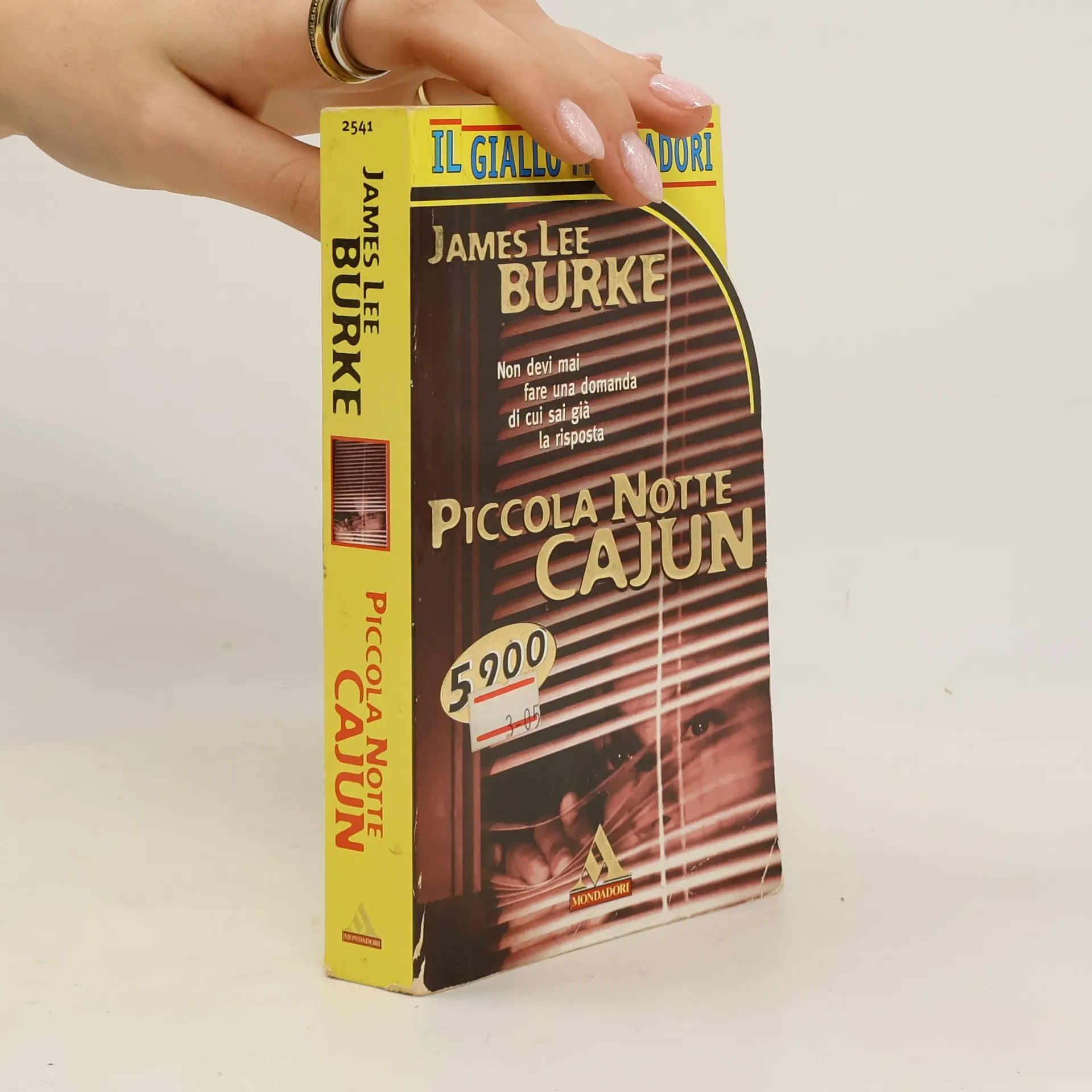
WHEN A NICE YOUNG WOMAN named Trish Klein blows into Louisiana passing hundred-dollar bills in local casinos, Detective Dave Robicheaux senses a storm bearing down on his new life of contentment. Twenty-five years ago, lost in a drunken haze in Florida, Robicheaux was too far gone to save his friend and fellow ’Nam vet Dallas Klein, murdered in cold blood for gambling debts. Now, the arrival of Dallas’s daughter opens a door locked long ago, and extracting her motives points Robicheaux to the suicide of a local "good girl" pulled into a vortex of power, sex, and death. It’s Robicheaux’s most personally painful case—a roller coaster of passion, surprise, and regret—and it may be his deadliest.
The latest tale featuring the popular and flawed detective Dave Robicheaux takes him from the bayous of Louisiana's New Iberia Parish to the wild mountains of Montana.
In his most autobiographical novel to date, James Lee Burke continues the epic
Holland family saga with a writer grieving the death of his daughter while
battling earthly and supernatural outlaws.
Focusing on Clete Purcel, Dave Robicheaux's partner, this gripping narrative follows their efforts to combat ruthless drug smugglers dealing in a perilous new substance. As they navigate the treacherous underworld, themes of loyalty and morality are explored, highlighting the complexities of friendship and the fight against crime. The story promises intense action and deep character development, showcasing Burke's signature storytelling style.
“One of the best novels of the year from one of the very best writers at work today.”—Rocky Mountain News The townspeople of New Iberia, Louisiana, didn’t crucify Megan Flynn’s father. They just didn’t catch whoever pinned him to a barn wall with sixteen-penny nails. Decades later, Megan, now a world-famous photojournalist, has come back to the bayou, looking for cop Dave Robicheaux. It was Dave who found the body of labor leader Jack Flynn. The sight changed the boy, shaped him as a man. And after forty years, Robicheaux is still haunted by the bizarre unsolved slaying. Now Megan’s return has stirred up the ghosts of the long-buried past, igniting a storm of violence that will rip apart lives of blacks and whites in this bayou country. And for a good cop with bad memories, hard desire, and chilling nightmares, the time has come to uncover the truth.
Set against diverse backdrops from the Gulf of Mexico to Colorado's plains, this anthology features eight stories that explore themes of love, friendship, violence, survival, and revenge. James Lee Burke showcases his talent for creating nuanced characters and employing lyrical prose, delivering shocking moments of violence within evocative environments. As unexpected heroes emerge, the narratives resonate with intensity, making each tale a compelling reflection on the human experience.
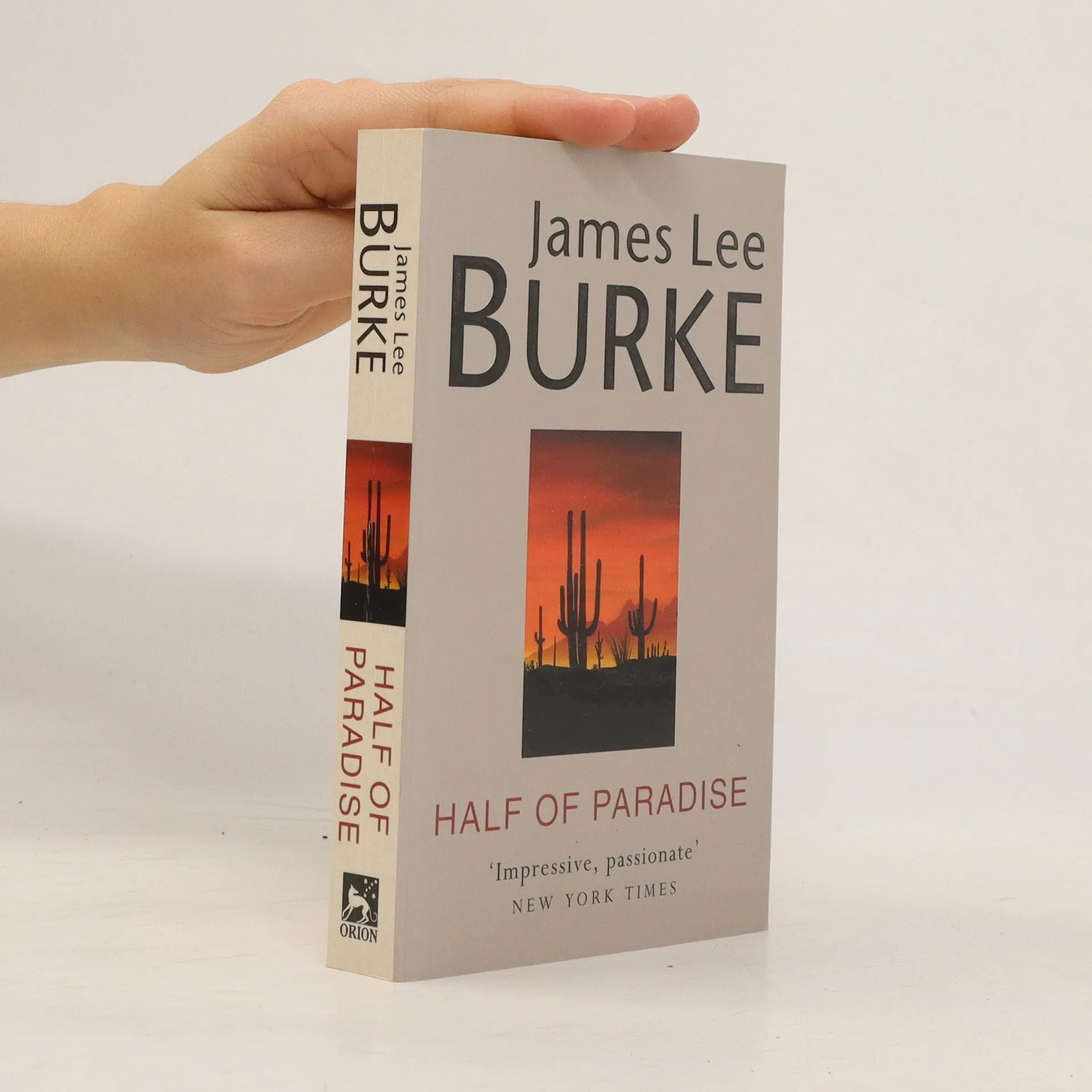
Toussaint Boudreaux, a docker – hardworking and looking for a break – earns extra cash as a prize fighter. But the only break he gets lands him in gaol and then on a chain gang. Avery Broussard, wayward son of an old plantation family, loses his freedom for a cartload of Prohibition moonshine and finds himself attached to the same work camp as Boudreaux. Neither would have chosen the life – blood, sweat and tears come with the territory – but each is determined to make the best of it or find a way out. HALF OF PARADISE is a powerful novel of people from very different backgrounds who find their destinies tragically intertwined.
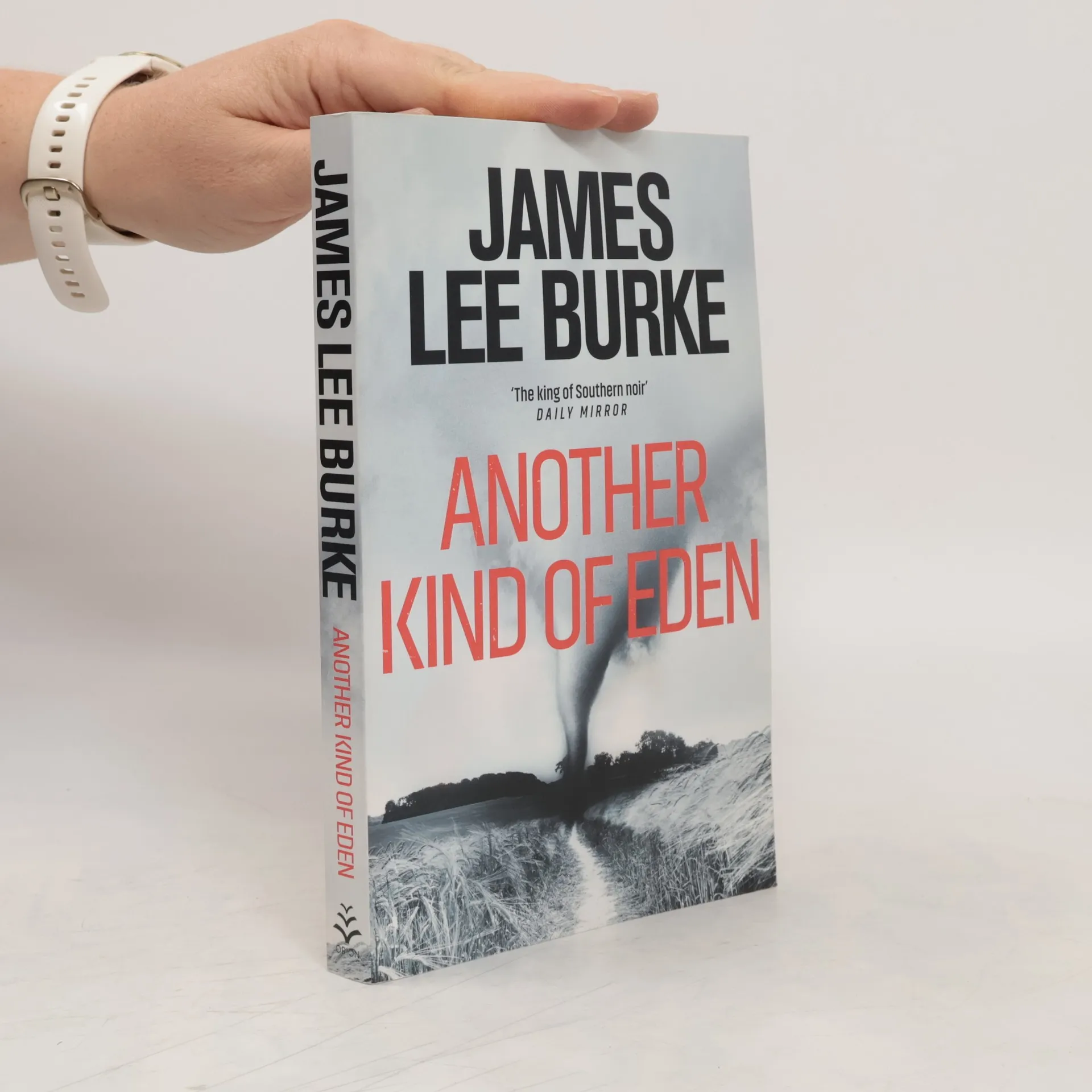
The American West in the early 1960s appears to be a pastoral paradise: golden wheat fields, mist-filled canyons, frolicking animals. Aspiring novelist Aaron Holland Broussard has observed it from the open door of a boxcar, riding the rails for both inspiration and odd jobs. Jumping off in Denver, he finds work on a farm and meets Joanne McDuffy, an articulate and fierce college student and gifted painter. Their soul connection is immediate, but their romance is complicated by Joanne's involvement with a shady professor who is mixed up with a drug-addled cult. When a sinister businessman and his son who wield their influence through vicious cruelty set their sights on Aaron, drawing him into an investigation of grotesque murders, it is clear that this idyllic landscape harbors tremendous power-and evil. Followed by a mysterious shrouded figure who might not be human, Aaron will have to face down all these foes to save the life of the woman he loves and his own
Ein gut erhaltenes Buch von James Lee Burke, Lizenzausgabe der Verlagsgruppe Weltbild von 1999, fest gebunden mit 414 Seiten. Leichte Innenverfärbung und ein kleiner Kratzer auf dem hinteren Deckel, ansonsten in sehr schönem Zustand.
Efekt Tivoli je účinek, který má na své okolí koule vržená do prostoru, odrážející se od okolních překážek, které tím sama uvádí do pohybu. Obdobně je upravena i struktura této knihy. Výsledkem je fascinující výlet po cestách nejdůležitějších objevů v historii.
Goodbye, Detective! Dave Robicheaux’ letzter Fall - Ein Meisterwerk von Bestseller-Autor James Lee Burke Dave Robicheaux gerät zwischen die Fronten eines unerbittlichen Krieges zweier rivalisierender Mafia-Familien. Als er mit der Suche nach den Mafia-Sprösslingen Johnny und Isolde beauftragt wird, die sich ineineinder verliebt haben und untergetaucht sind, ahnt er noch nicht, dass nicht nur er selbst, sondern auch sein bester Kumpel Clete sich bald auf der Abschussliste beider Familien befinden. Jedochist die Mafia nicht ihr einziges Problem, denn Dave wird mit den Schatten seiner Vergangenheit in Form eines beinahe übernatürlichen Gegners konfrontiert. James Lee Burke wurde mehrfach ausgezeichnet: Edgar Allan Poe Award, Hammett Prize & Deutscher Krimi Preis „Die schönsten Melodien spielt Gott gern auf dem letzten Loch: Dave Robicheaux, Ermittler zwischen Herz und Finsternis, bringt ein letztes Mal Licht ins Dunkel moralischer Abgründe und krimineller Verwicklungen und ist zugleich auch ein Teil davon. Der würdige Abschluss einer epischen Heldenreise durch die Untiefen der menschlichen Seele Die Leser freuen sich!“ Jörg Stübing | Büchers Best, Dresden
Detektivní thriller jehož děj se odehrává v americké Montaně.
Hlavní hrdina Billy Bob Holland, bývalý texaský ranger a nynější právník, odjíždí ke svému příteli na sever Spojených států do Montany. Jeho přítel doktor Voss, vietnamský veterán, nesmiřitelný odpůrce těžby zlata v panenské přírodě Montany, se dostává díky svým drsným metodám do konfliktu nejen s místním podsvětím, ale také s ochránci zákona. Poté co je jeho dcera brutálně znásilněna a on obviněn z vraždy, Billy Bob začíná pátrat, kdo za celou situací stojí - motorkářský gang, mexická drogová mafie, lidé z těžební společnosti? Nebo se jedná o pomstu právě propuštěného trestance Wayatta Dixona?
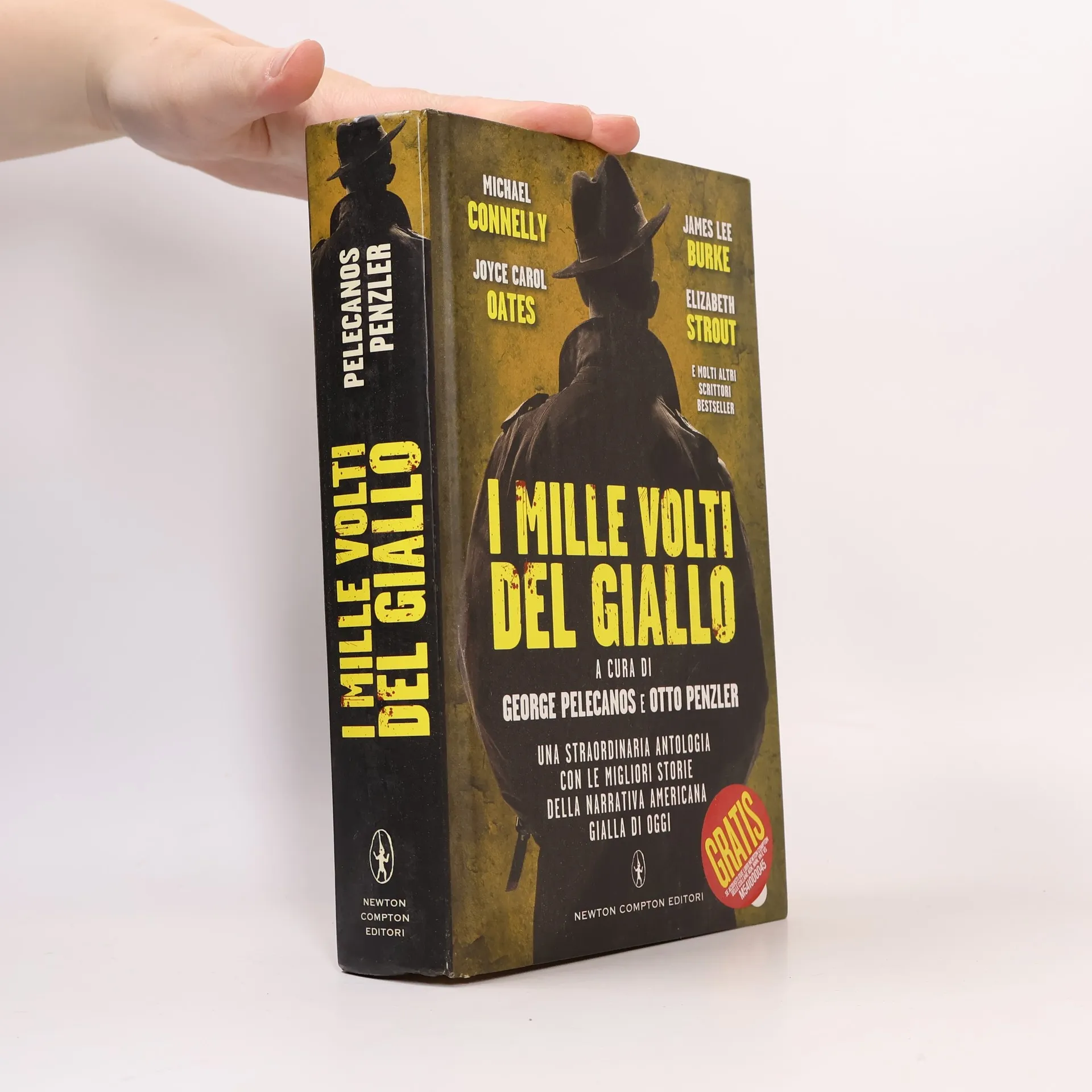
Una straordinaria antologia con le migliori storie della narrativa americana gialla di oggi
570pages
20 heures de lecture
Il giallo è una vera e propria sfumatura dell'animo umano, un imprevisto dietro l'angolo che in un istante ci catapulta in una dimensione inattesa. E in questa raccolta, a indagare sulle ombre della realtà quotidiana sono le migliori firme della letteratura americana contemporanea: da Michael Connelly, che ci racconta cosa si nasconde dietro l'ennesimo incidente successo nel buio di Mulholland Drive, a Alice Munro, che disvela l'indicibile e crudele segreto risalente all'infanzia di due donne ormai adulte; da James Lee Burke, che ci proietta nei bassifondi della provincia intorno a una New Orleans distrutta dall'uragano Katrina, a Joyce Carol Oates, che illumina la tensione che cova in una casa in una piccola cittadina dello Stato di New York tra un padre cieco e due figlie separate dagli eventi della vita, fino poi a Elizabeth Strout, Holly Goddard Jones e molti altri. Venti storie diverse unite da una grande scrittura e da una capacità magnetica di sorprendere il lettore.
»Du. Bist. Tot.« Das sind die Worte, die Wanderarbeiter und Nachwuchsautor Aaron Holland Broussard zu hören bekommt, nachdem er die Stimme gegen einen skrupellosen und einflussreichen Geschäftsmann erhoben hat, der in den frühen Sechzigerjahren im amerikanischen Westen seine Interessen notfalls mit Gewalt verfolgt. Als Aaron die Morde an sechs Frauen und Mädchen angelastet werden, zieht sich die Schlinge immer enger.
James Lee Burkes zweiter Robicheaux-Roman führt den Detektiv aus New Orleans in die Sümpfe, während er ein ruhigeres Leben sucht. Vietnam-Veteran Dave Robicheaux hat seinen Detektivausweis abgegeben, kämpft gegen den Alkohol und hat New Orleans mit seiner Frau für die ruhige Schönheit der Sümpfe von Louisiana verlassen. Doch ein Flugzeugabsturz im Golf bringt ein junges Mädchen in sein Leben – und mit ihr eine Unterwelt voller Mord, Täuschung und einheimischer Kriminalität. Plötzlich sieht sich Robicheaux Bubba Rocque gegenüber, einem brutalen Gangster, den er seit seiner Kindheit kennt; Rocques gieriger Cajun-Frau; und einem Bundesagenten mit mehr Mut als Verstand. In einer abgelegenen Welt, in der Selbstbewusstsein und eine Waffe mehr zählen als das Gesetz, sind Robicheaux und die, die er liebt, von einer Welle der Gewalt erfasst, die sie alle übersteigt...
Billy Bob Holland žije v malém texaském městě, které se na televizních obrazovkách zobrazuje jako optimistické a idylické, avšak on sám tuto realitu nepoznává. Televize ignoruje zášť, malicherné spory a korupci mocných, což ho odrazuje od sledování. Jako právník se setkává s temnou stránkou života – s neštěstím, arogancí a zločinem, který se vyhýbá spravedlnosti, zatímco mocní se vykrucují z vlastních činů. Holland se snaží žít podle morálních zásad, ale jeho minulost ho pronásleduje. Když je Lucas Smothers obviněn ze znásilnění a vraždy, Holland se ujme jeho obhajoby. Snaží se přesvědčit sám sebe o Lucasově nevině, ale jeho pochybnosti jsou hluboké, neboť Lucasův příběh se podobá příběhu jeho předka, a Holland je navíc Lucasovým biologickým otcem. Tímto způsobem se Holland snaží bránit nejen Lucasovi před zákonem a veřejností, ale i sám sobě. James Lee Burke, známý autor kriminálních románů, tentokrát opustil svého tradičního hrdinu a prostředí Louisiany, avšak zůstal věrný svému stylu. Jeho díla jsou často považována za ostré analýzy americké společnosti, ačkoli se Burke potýká s nedoceněním v širším literárním kontextu.
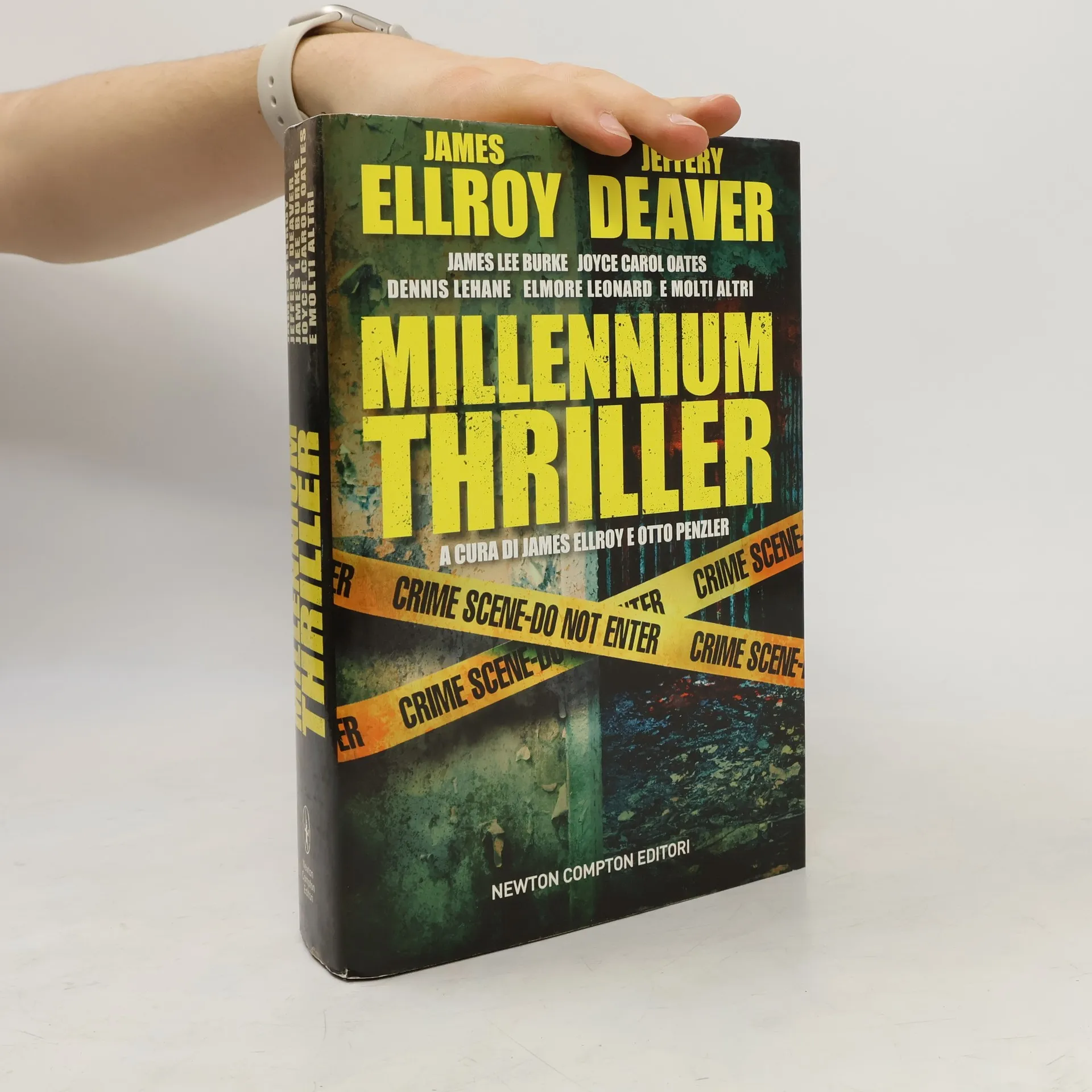
Jeffery Deaver, Joyce Carol Oates, Jim Thompson, Dennis Lehane, Elmore Léonard e lo stesso Ellroy: sono solo alcuni dei trentacinque autori presenti in questa antologia. Quelli qui raccolti sono storie uniche, spesso inedite in Italia, che ci conducono nelle strade di campagna della provincia o nei vicoli bui delle grandi metropoli americane. Racconti che spaziano dalle atmosfere fumose degli anni Venti fino alle tinte horror delle vicende ambientate ai giorni nostri. Storie cupe e morbose, violente e avvincenti, ricche di colpi di scena e suspense, che in molti casi sono state portate sul grande schermo.
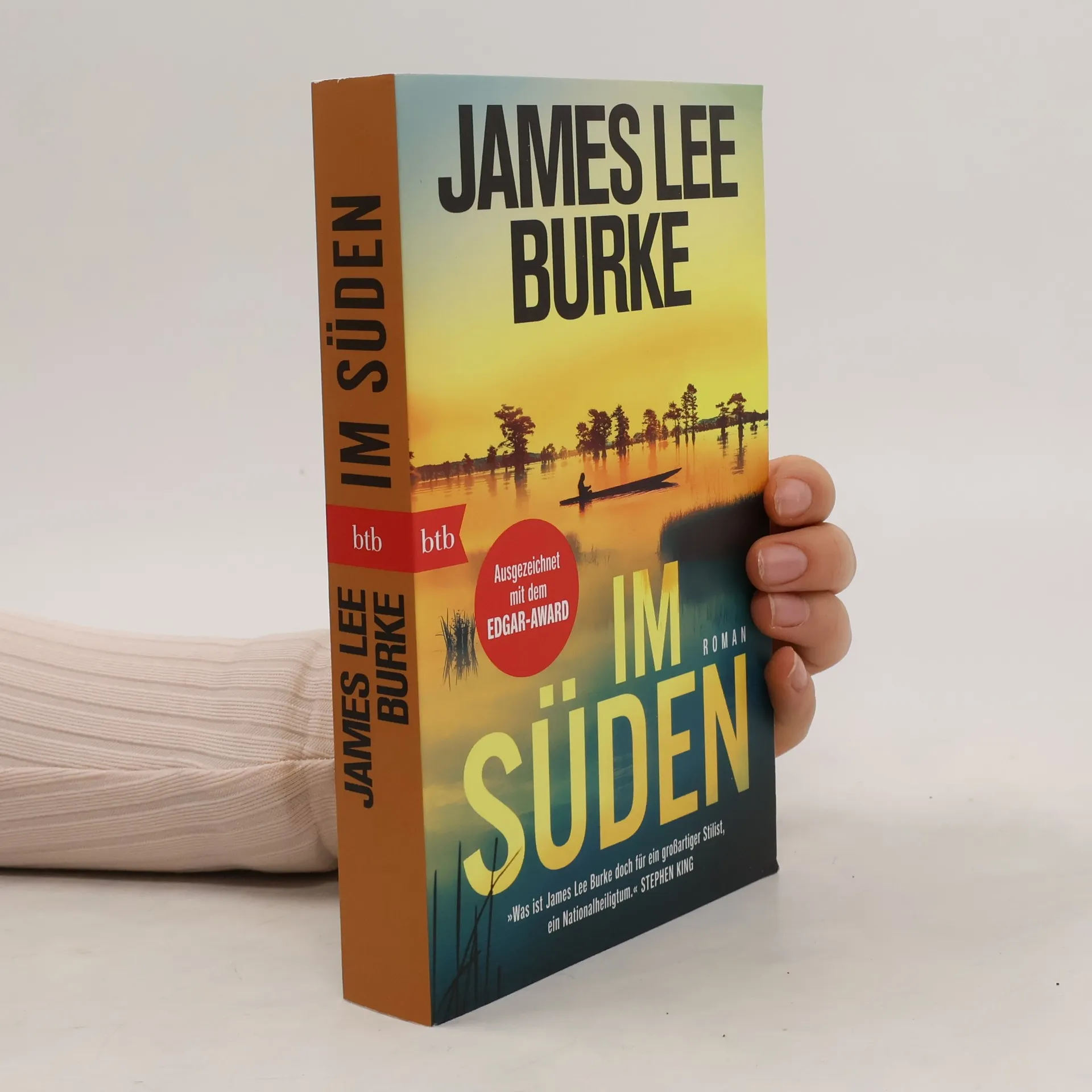
Ausgezeichnet mit dem Edgar-Award - der neue Roman vom König der amerikanischen Spannungsliteratur »Im Süden« ist ein fesselndes, actiongeladenes Historiendrama vor dem Hintergrund des amerikanischen Bürgerkriegs und der Zeit der Sklaverei, in dem Gut und Böse um die Vorherrschaft kämpfen. Als Hannah Laveau, eine der versklavten Frauen, die auf einer Plantage arbeitet, des Mordes beschuldigt wird, begibt sie sich zusammen mit einer abolitionistischen Lehrerin auf die Flucht vor dem örtlichen Constable und den Sklavenfängern, die in den Bayous ihr Unwesen treiben. Der Roman behandelt einen Teil der historischen Vergangenheit Amerikas, der unsere Gegenwart in einem scharfen Licht erscheinen lässt.