
Bookbot

Benda Julien

    26 décembre 1867 – 7 juin 1956

    Julien Benda fut un philosophe et romancier français dont l'œuvre se concentre sur la tradition intellectuelle et la critique de la pensée moderne. Il est particulièrement réputé pour un ouvrage concis qui examine le déclin des intellectuels et leur responsabilité envers la société. L'écriture de Benda explore la nature de la moralité et de l'intégrité intellectuelle, en soulignant souvent un retour à des principes intemporels. Sa prose se caractérise par sa clarté et son analyse pénétrante des enjeux contemporains.

    Benda Julien
    Treason of the Intellectuals
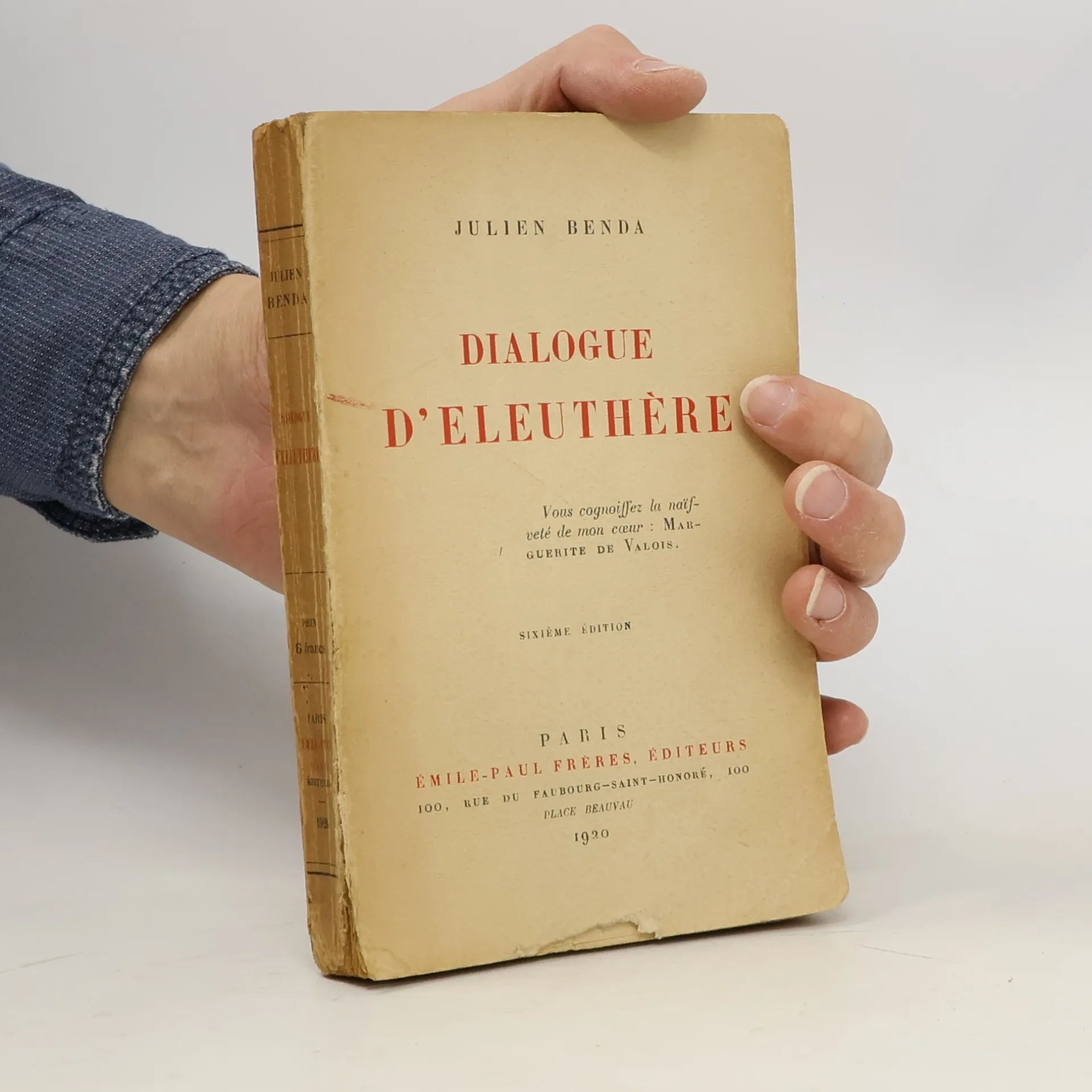
    Dialogue d'Eleuthère
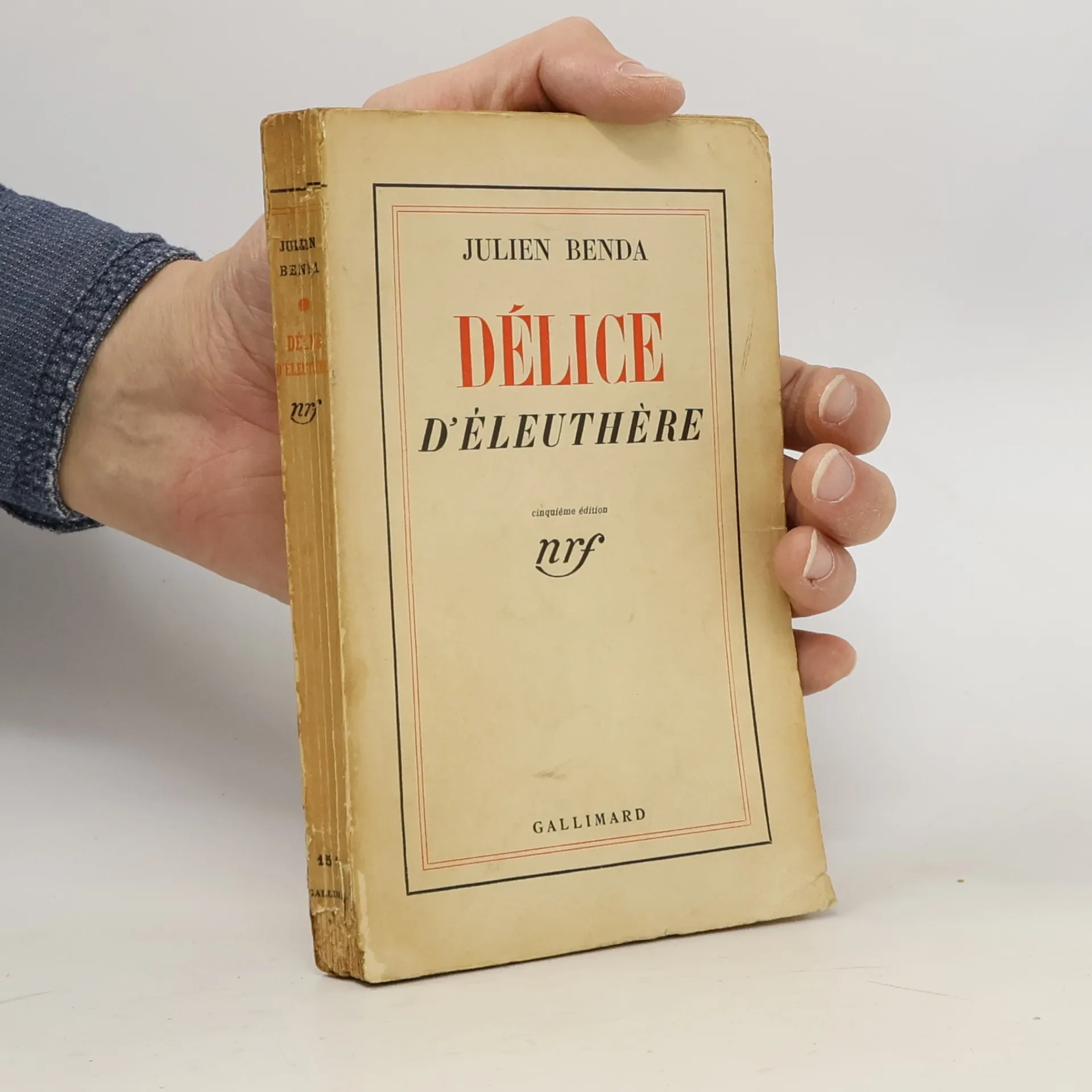
    Délice d'Éleuthère
    La france byzantine
    Les Cahiers Rouges - 127: La Trahison des clercs
    La trahison des clercs
    • " Les hommes dont la fonction est de défendre les valeurs éternelles et désintéressées, comme la justice et la raison, et que j'appelle les clercs, ont trahi cette fonction au profit d'intérêts pratiques. " Les mises en garde de Benda pouvaient, en 1927, au nom du réalisme, passer pour peu fondées. Aujourd'hui l'ouvrage apparaît comme étrangement prophétique. Les thèses de Benda, parce qu'elles se réfèrent à l'universel, ont triomphé de la double épreuve du temps et de l'histoire. A sa mort, en 1956, Jean Daniel résuma le sentiment général en lui appliquant avec plus de justesse même, le mot de Sartre à la mort de Gide : " Sa vigilance va manquer. "

      Les Cahiers Rouges - 127: La Trahison des clercs1975
    • In an era when intellectual and artistic life is increasingly being distorted by political dogmatism, Julien Benda’s Treason of the Intellectuals is a classic that speaks with a new and extraordinary urgency. Benda’s essay (published by ERIS in a new translation by David Broder, with an introduction by Mark Lilla) offers an incisive account of interwar Europe that ranges from the influence of Friedrich Nietzsche and Georges Sorel to the activities of Charles Maurras and Benito Mussolini. It also serves, however, as a remarkably timely warning against the seduction of modern intellectuals by tribal loyalties and antipathies. Rather than detaching themselves from communal ties as their forebears had done, Benda argues that twentieth-century European intellectuals willingly subordinated the disinterested pursuit of truth to the servicing of group interests (particularly the interests of their own nations and social classes). Partisan agendas had a corrosive effect not only on moral and political philosophy, but also on the writing of history and fiction. With its penetrating analyses of nationalism and of the tensions between group identity and intellectual freedom, Treason of the Intellectuals is as necessary a book in the twenty-first century as it was in the twentieth.

      Treason of the Intellectuals1929
      3,9