

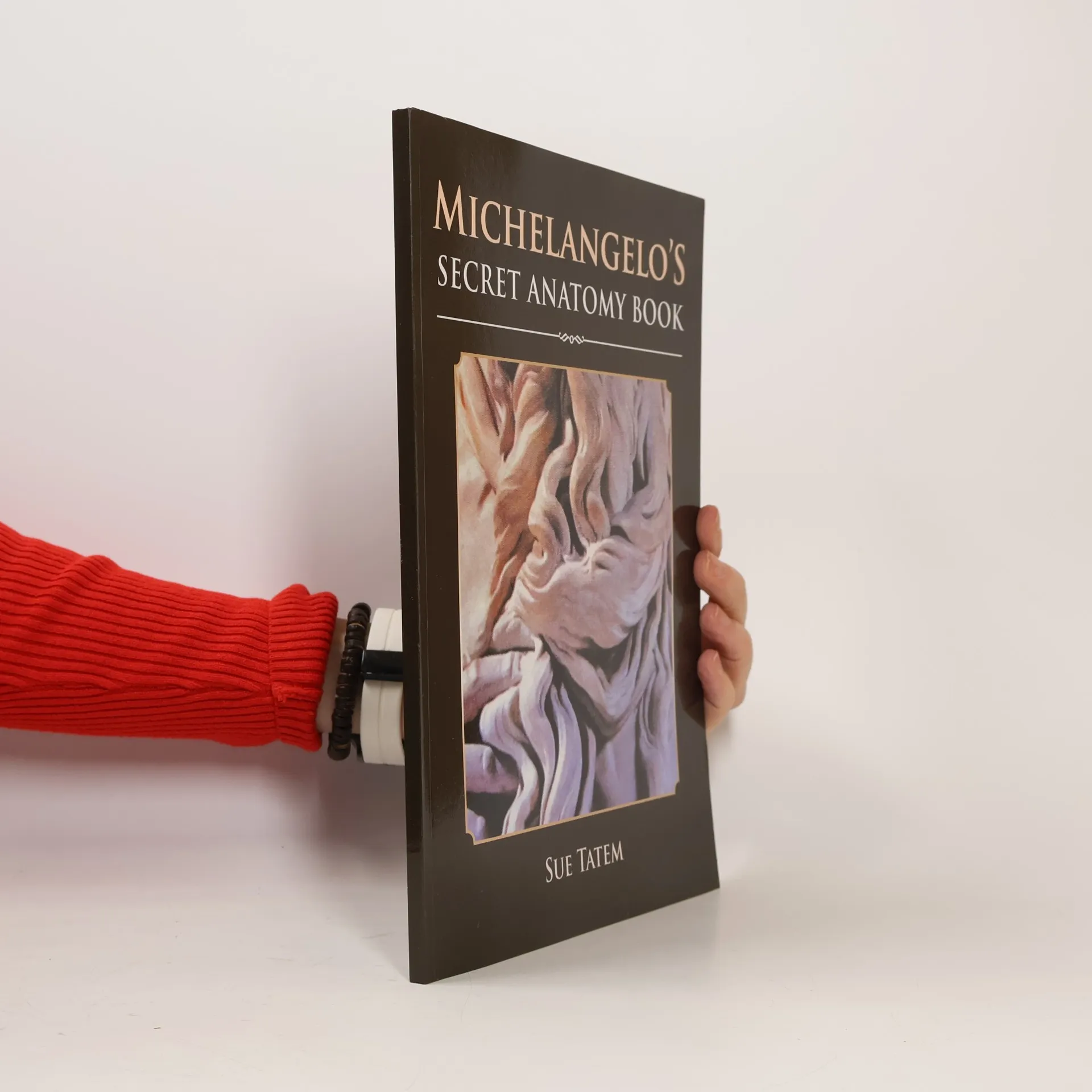
Michelangelo's Secret Anatomy Book
Auteurs
En savoir plus sur le livre
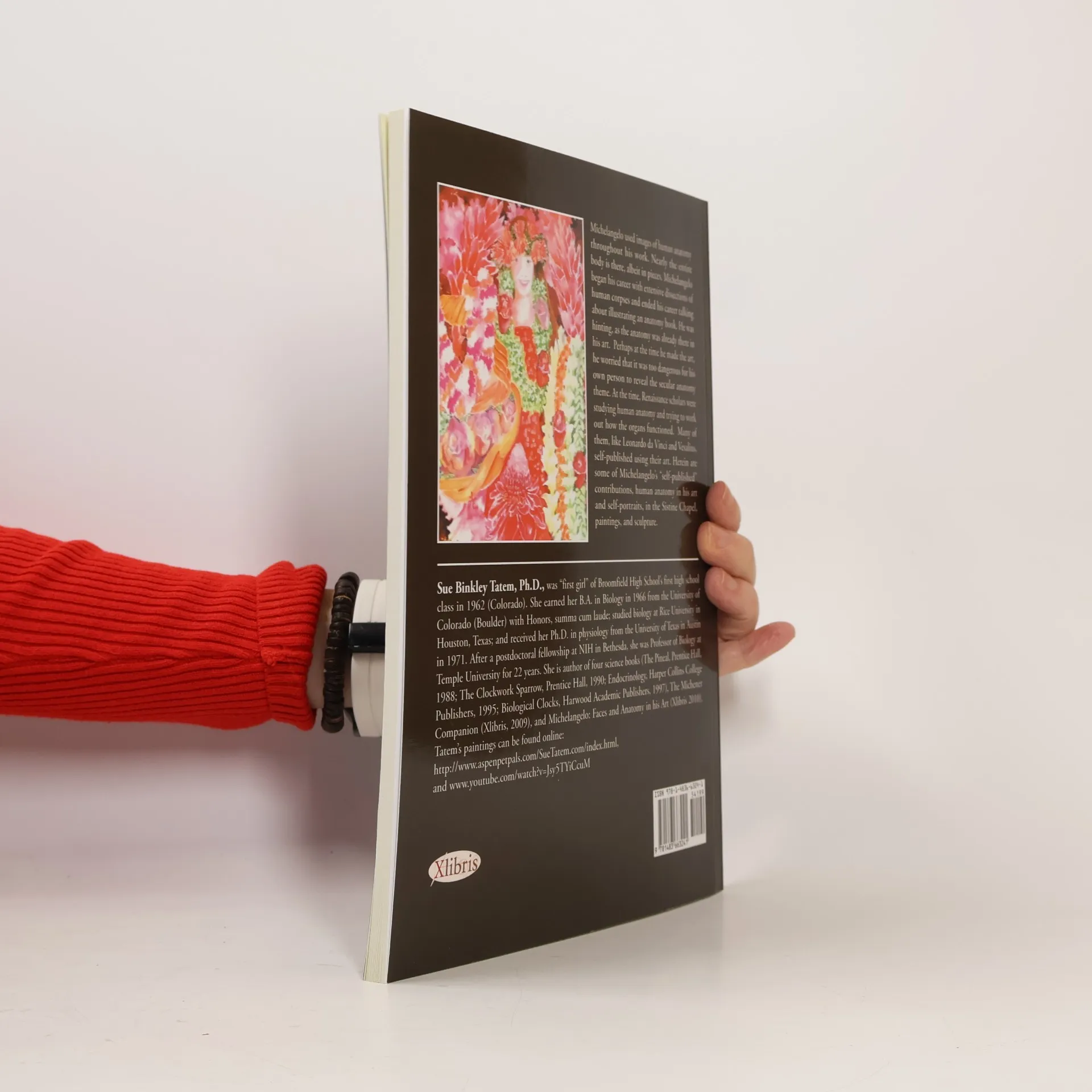
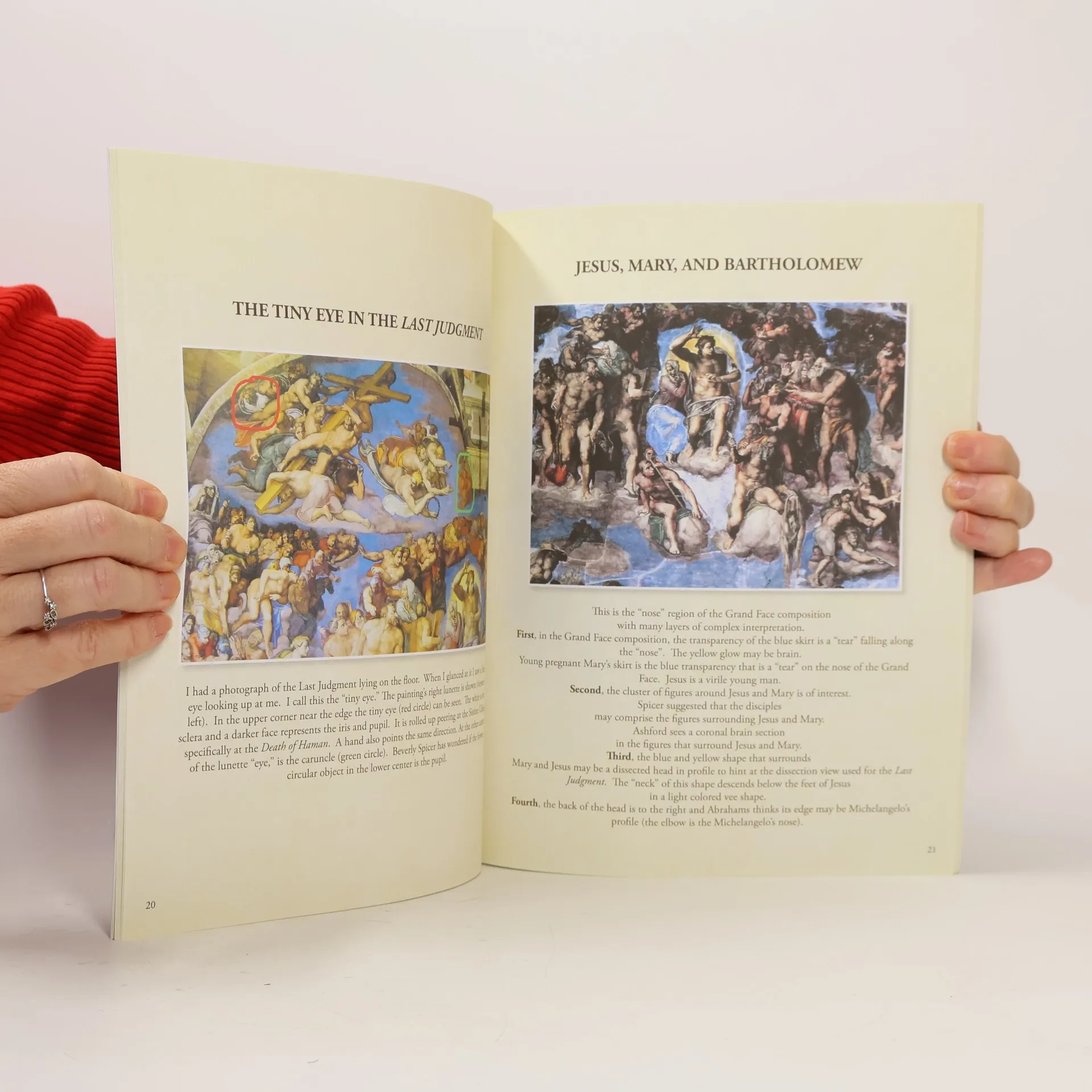
Michelangelo used images of human anatomy throughout his work. Nearly the entire body is there, albeit in pieces. Michelangelo began his career with extensive dissections of human corpses and ended his career talking about illustrating an anatomy book. He was hinting, as the anatomy was already there in his art. Perhaps at the time he made the art, he worried that it was too dangerous for his own person to reveal the secular anatomy theme. At the time, Renaissance scholars were studying human anatomy and trying to work out how the organs functioned. Many of them, like Leonardo da Vinci and Vesalius, self-published using their art. Herein are some of Michelangelo's "self-published" contributions, human anatomy in his art and self-portraits, in the Sistine Chapel, paintings, and sculpture.
Achat du livre
Michelangelo's Secret Anatomy Book, Sue Tatem
- Langue

- Année de publication
- 2013
- Reliure
- (souple),
- État du livre
- Très bon
- Prix
- 31,39 €
Modes de paiement
Personne n'a encore évalué .
- Titre
- Michelangelo's Secret Anatomy Book
- Langue
- Anglais
- Auteurs
- Sue Tatem
- Éditeur
- Xlibris
- Publié
- 2013
- Format
- souple
- Pages
- 76
- ISBN10
- 1483663248
- ISBN13
- 9781483663241
- Séries
- Mots clés
- Art
- Description
- Michelangelo used images of human anatomy throughout his work. Nearly the entire body is there, albeit in pieces. Michelangelo began his career with extensive dissections of human corpses and ended his career talking about illustrating an anatomy book. He was hinting, as the anatomy was already there in his art. Perhaps at the time he made the art, he worried that it was too dangerous for his own person to reveal the secular anatomy theme. At the time, Renaissance scholars were studying human anatomy and trying to work out how the organs functioned. Many of them, like Leonardo da Vinci and Vesalius, self-published using their art. Herein are some of Michelangelo's "self-published" contributions, human anatomy in his art and self-portraits, in the Sistine Chapel, paintings, and sculpture.