

Paramètres
- 440pages
- 16 heures de lecture
En savoir plus sur le livre
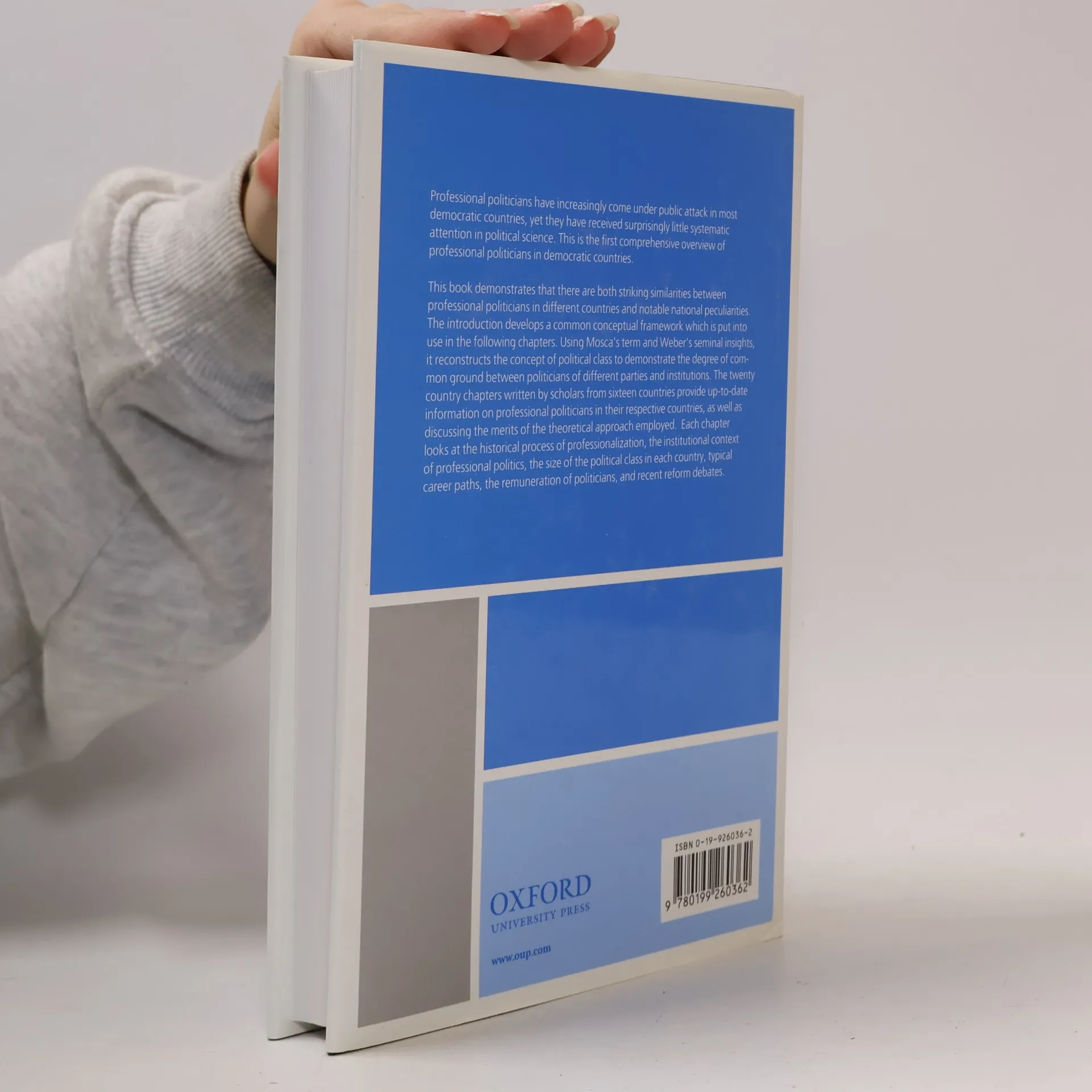
Professional politicians have increasingly come under public attack in most democratic countries. Yet they have received surprisingly little systematic attention in political science. This book demonstrates that there are both striking similarities between professional politicians in different countries and notable national peculiarities. The introduction develops a common conceptual framework for the chapters to follow. Using Mosca's term and Weber's seminal insights it reconstructs the concept of political class to grasp the degree of common interests shared by politicians of different parties and in different institutions. Thereby, it presents an innovative perspective on politicians. The twenty country chapters written by scholars from sixteen countries both provide up-to-date information on professional politics in their countries and discuss the merits of the theoretical approach. In doing so, they follow a common format thus facilitating a comparative reading of particular aspects. Each chapter looks at the historical process of professionalization, the institutional context of professional politics, the size of the political class in each country, typical career paths, the renumeration of politicians, and recent reform debates.
Achat du livre
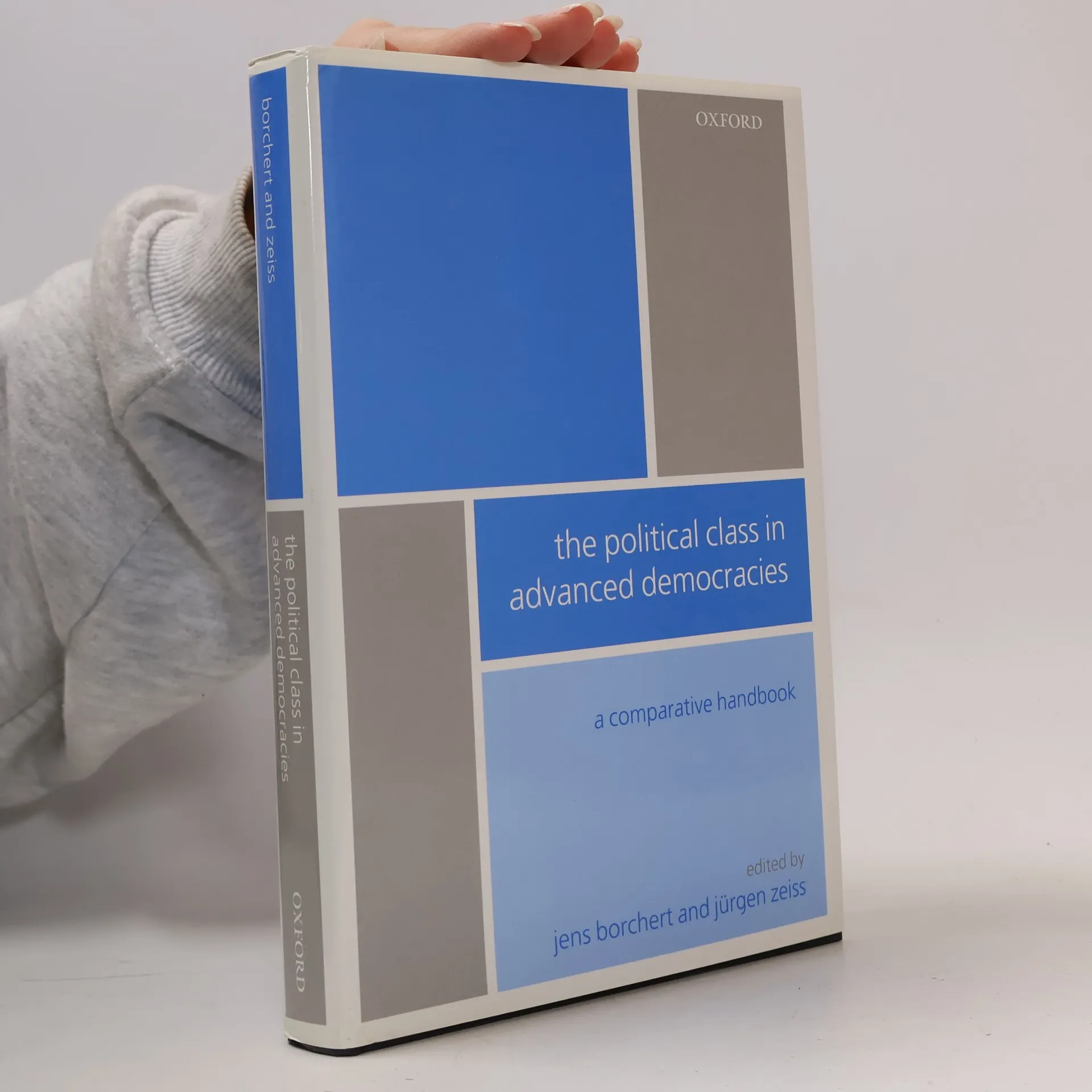
The Political Class in Advanced Democracies, Jens Borchert, Jürgen Zeiss
- Langue

- Année de publication
- 2003
- Reliure
- (rigide),
- État du livre
- Très bon
- Prix
- 41,39 €
Modes de paiement
Personne n'a encore évalué .
- Titre
- The Political Class in Advanced Democracies
- Sous-titre
- A Comparative Handbook
- Langue
- Anglais
- Auteurs
- Jens Borchert, Jürgen Zeiss
- Éditeur
- Oxford University Press
- Publié
- 2003
- Format
- rigide
- Pages
- 440
- ISBN10
- 0199260362
- ISBN13
- 9780199260362
- Séries
- Mots clés
- Politique, Littérature spécialisée, 21e siècle, Théories scientifiques, Relations internationales, Démocratie
- Description
- Professional politicians have increasingly come under public attack in most democratic countries. Yet they have received surprisingly little systematic attention in political science. This book demonstrates that there are both striking similarities between professional politicians in different countries and notable national peculiarities. The introduction develops a common conceptual framework for the chapters to follow. Using Mosca's term and Weber's seminal insights it reconstructs the concept of political class to grasp the degree of common interests shared by politicians of different parties and in different institutions. Thereby, it presents an innovative perspective on politicians. The twenty country chapters written by scholars from sixteen countries both provide up-to-date information on professional politics in their countries and discuss the merits of the theoretical approach. In doing so, they follow a common format thus facilitating a comparative reading of particular aspects. Each chapter looks at the historical process of professionalization, the institutional context of professional politics, the size of the political class in each country, typical career paths, the renumeration of politicians, and recent reform debates.