

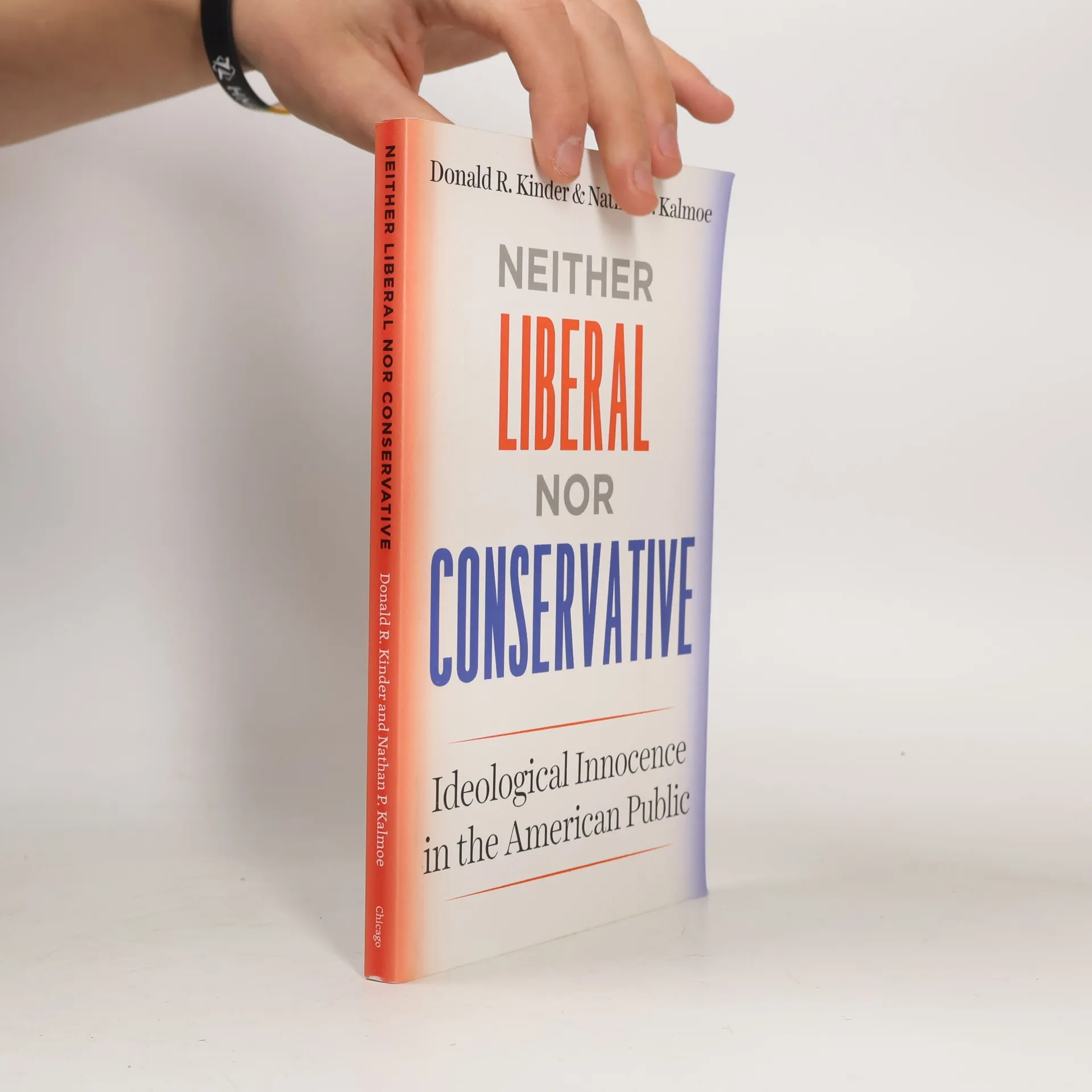
Neither Liberal nor Conservative
Ideological Innocence in the American Public
Paramètres
- 224pages
- 8 heures de lecture
En savoir plus sur le livre
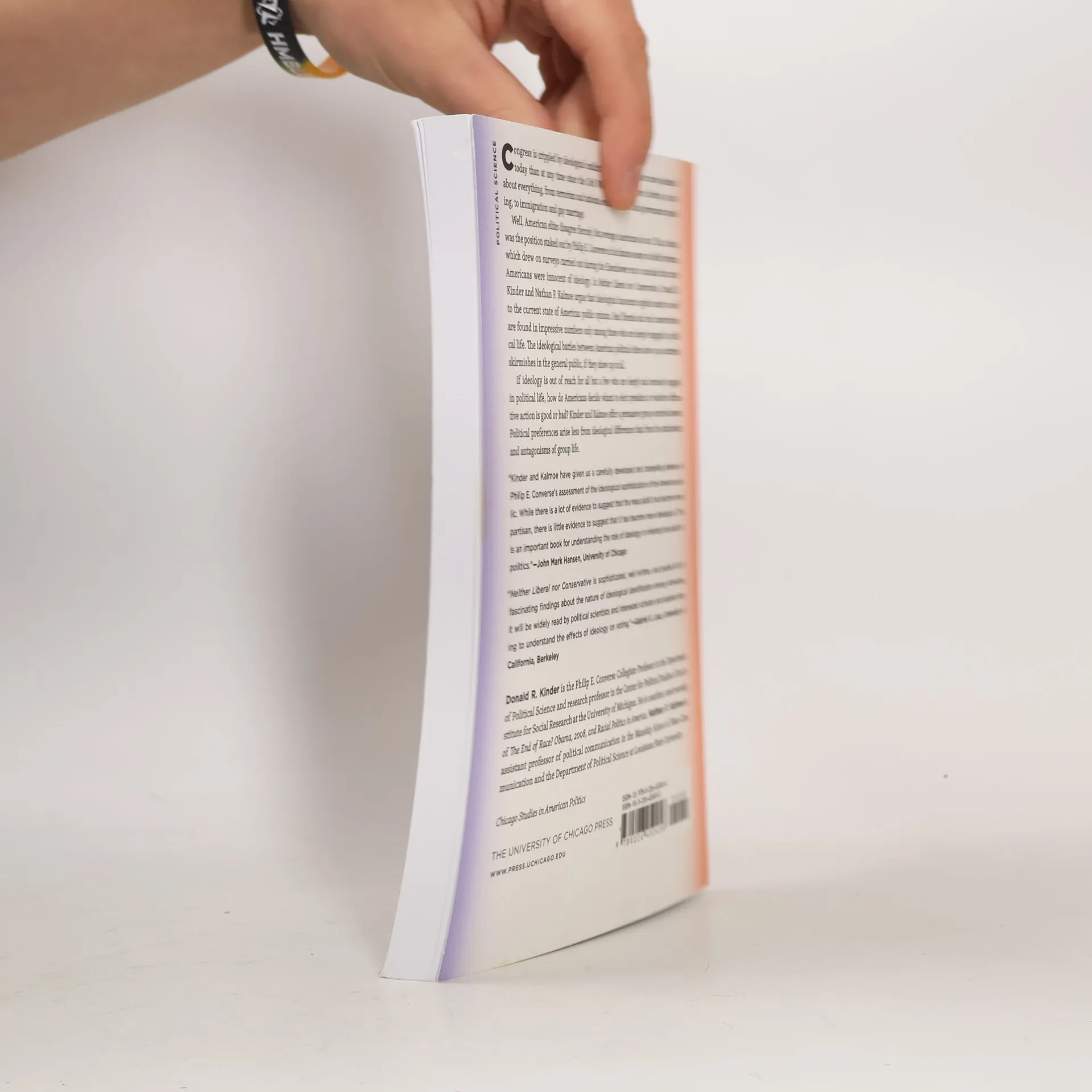
Congress is crippled by ideological conflict. The political parties are more polarized today than at any time since the Civil War. Americans disagree, fiercely, about just about everything, from terrorism and national security, to taxes and government spending, to immigration and gay marriage. Well, American elites disagree fiercely. But average Americans do not. This, at least, was the position staked out by Philip Converse in his famous essay on belief systems, which drew on surveys carried out during the Eisenhower Era to conclude that most Americans were innocent of ideology. In Neither Liberal nor Conservative, Donald Kinder and Nathan Kalmoe argue that ideological innocence applies nearly as well to the current state of American public opinion. Real liberals and real conservatives are found in impressive numbers only among those who are deeply engaged in political life. The ideological battles between American political elites show up as scattered skirmishes in the general public, if they show up at all. If ideology is out of reach for all but a few who are deeply and seriously engaged in political life, how do Americans decide whom to elect president; whether affirmative action is good or bad? Kinder and Kalmoe offer a persuasive group-centered answer. Political preferences arise less from ideological differences than from the attachments and antagonisms of group life.
Achat du livre
Neither Liberal nor Conservative, Nathan P. Kalmoe, Donald R. Kinder
- Langue

- Année de publication
- 2017
- Reliure
- (souple),
- État du livre
- Bon
- Prix
- 7,69 €
Modes de paiement
Personne n'a encore évalué .
- Titre
- Neither Liberal nor Conservative
- Sous-titre
- Ideological Innocence in the American Public
- Langue
- Anglais
- Auteurs
- Nathan P. Kalmoe, Donald R. Kinder
- Publié
- 2017
- Format
- souple
- Pages
- 224
- ISBN10
- 022645245X
- ISBN13
- 9780226452456
- Séries
- Mots clés
- Thème historique, Polars, Politique, États-Unis, Théories politiques, Identité, Lectures obligatoires, Démocratie, Terrorisme, Impôts, Gouvernance, Immigration, Idéologie, Élections, Opinion Publique
- Description
- Congress is crippled by ideological conflict. The political parties are more polarized today than at any time since the Civil War. Americans disagree, fiercely, about just about everything, from terrorism and national security, to taxes and government spending, to immigration and gay marriage. Well, American elites disagree fiercely. But average Americans do not. This, at least, was the position staked out by Philip Converse in his famous essay on belief systems, which drew on surveys carried out during the Eisenhower Era to conclude that most Americans were innocent of ideology. In Neither Liberal nor Conservative, Donald Kinder and Nathan Kalmoe argue that ideological innocence applies nearly as well to the current state of American public opinion. Real liberals and real conservatives are found in impressive numbers only among those who are deeply engaged in political life. The ideological battles between American political elites show up as scattered skirmishes in the general public, if they show up at all. If ideology is out of reach for all but a few who are deeply and seriously engaged in political life, how do Americans decide whom to elect president; whether affirmative action is good or bad? Kinder and Kalmoe offer a persuasive group-centered answer. Political preferences arise less from ideological differences than from the attachments and antagonisms of group life.