

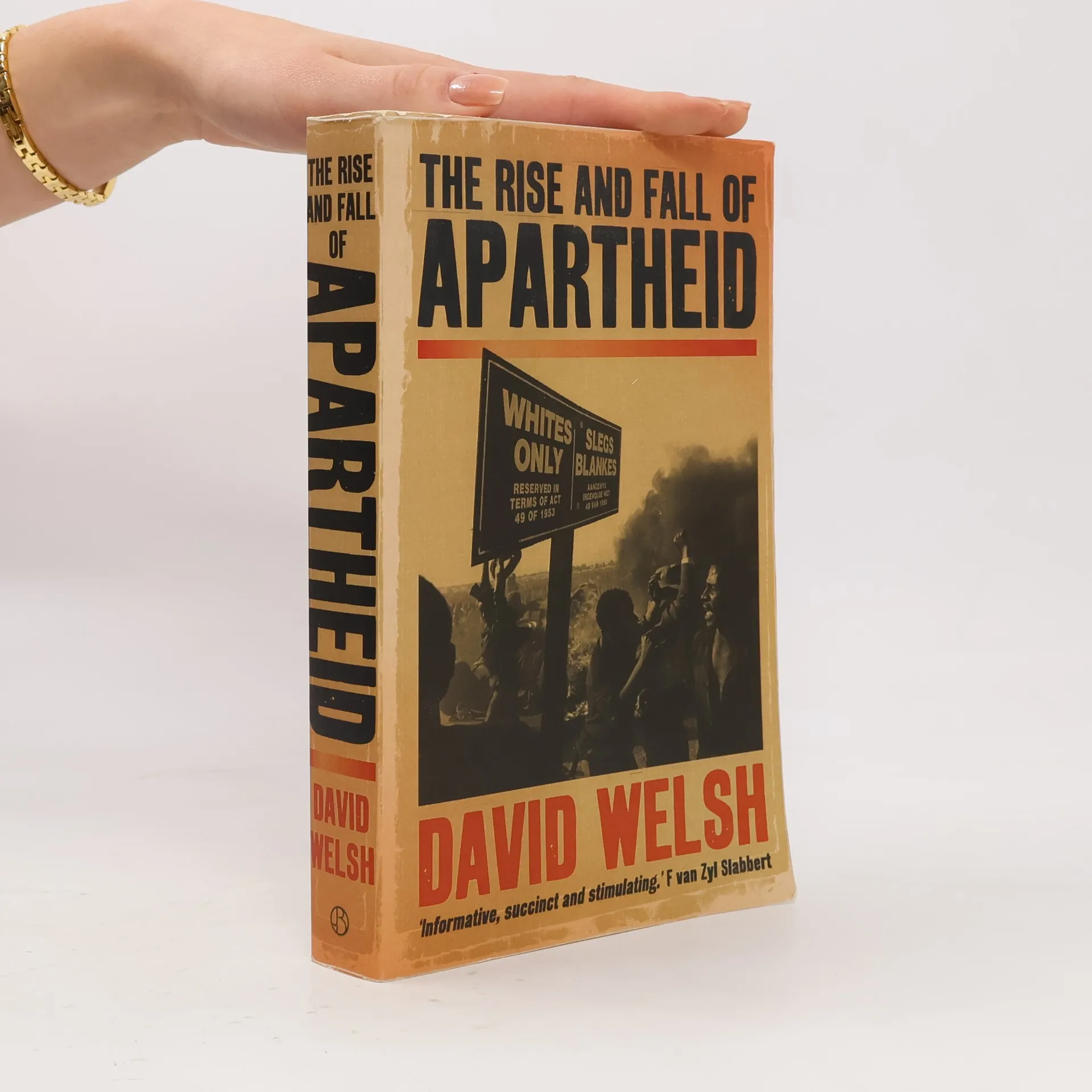
The Rise and Fall of Apartheid
Auteurs
En savoir plus sur le livre
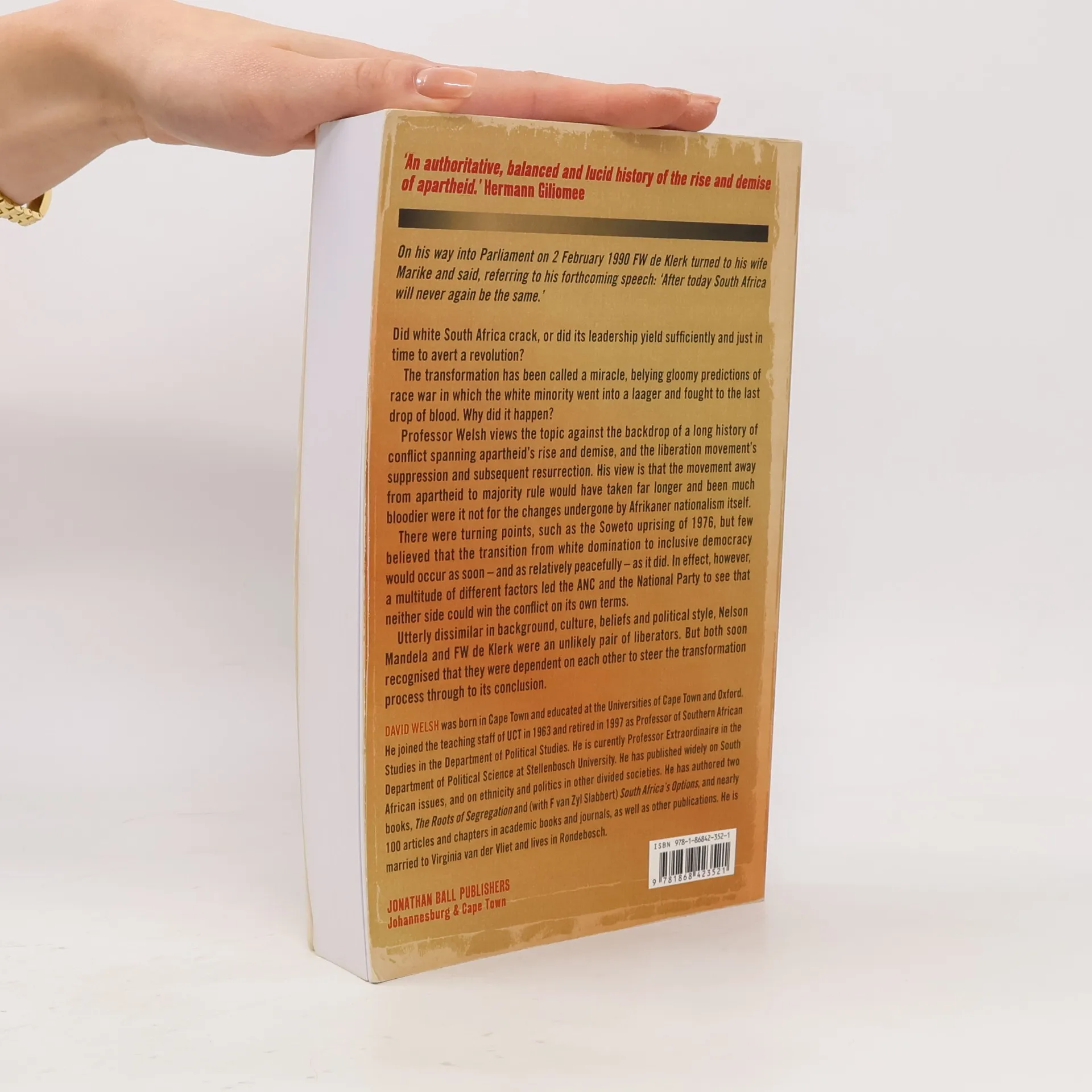
On 2 February 1990, FW de Klerk told his wife Marike that South Africa would never be the same after his upcoming speech. This moment marked a pivotal point in the country's history, raising questions about whether white South Africa cracked under pressure or if its leadership yielded in time to prevent a revolution. The transformation has often been described as a miracle, defying dire predictions of a race war where the white minority would fight to the bitter end. Professor Welsh examines this transition within the context of a long history of conflict, reflecting on the rise and fall of apartheid and the suppression and resurgence of the liberation movement. He argues that the shift from apartheid to majority rule would have been much longer and bloodier without the changes in Afrikaner nationalism. Key events, like the Soweto uprising of 1976, were turning points, yet few anticipated such a swift and relatively peaceful transition. Ultimately, a variety of factors led both the ANC and the National Party to realize that neither could achieve victory alone. Despite their stark differences, Nelson Mandela and FW de Klerk emerged as unlikely allies, recognizing their mutual dependence in guiding the transformation process to its successful conclusion.
Achat du livre
The Rise and Fall of Apartheid, David Welsh
- Langue

- Année de publication
- 2010
- Reliure
- (souple),
- État du livre
- Bon
- Prix
- 9,79 €
Modes de paiement
Personne n'a encore évalué .
- Titre
- The Rise and Fall of Apartheid
- Langue
- Anglais
- Auteurs
- David Welsh
- Éditeur
- Jonathan Ball Publishers
- Publié
- 2010
- Format
- souple
- Pages
- 660
- ISBN10
- 1868423522
- ISBN13
- 9781868423521
- Séries
- Mots clés
- Thème historique, Politique, Afrique, Théories politiques, République d'Afrique du Sud, Apartheid
- Description
- On 2 February 1990, FW de Klerk told his wife Marike that South Africa would never be the same after his upcoming speech. This moment marked a pivotal point in the country's history, raising questions about whether white South Africa cracked under pressure or if its leadership yielded in time to prevent a revolution. The transformation has often been described as a miracle, defying dire predictions of a race war where the white minority would fight to the bitter end. Professor Welsh examines this transition within the context of a long history of conflict, reflecting on the rise and fall of apartheid and the suppression and resurgence of the liberation movement. He argues that the shift from apartheid to majority rule would have been much longer and bloodier without the changes in Afrikaner nationalism. Key events, like the Soweto uprising of 1976, were turning points, yet few anticipated such a swift and relatively peaceful transition. Ultimately, a variety of factors led both the ANC and the National Party to realize that neither could achieve victory alone. Despite their stark differences, Nelson Mandela and FW de Klerk emerged as unlikely allies, recognizing their mutual dependence in guiding the transformation process to its successful conclusion.