

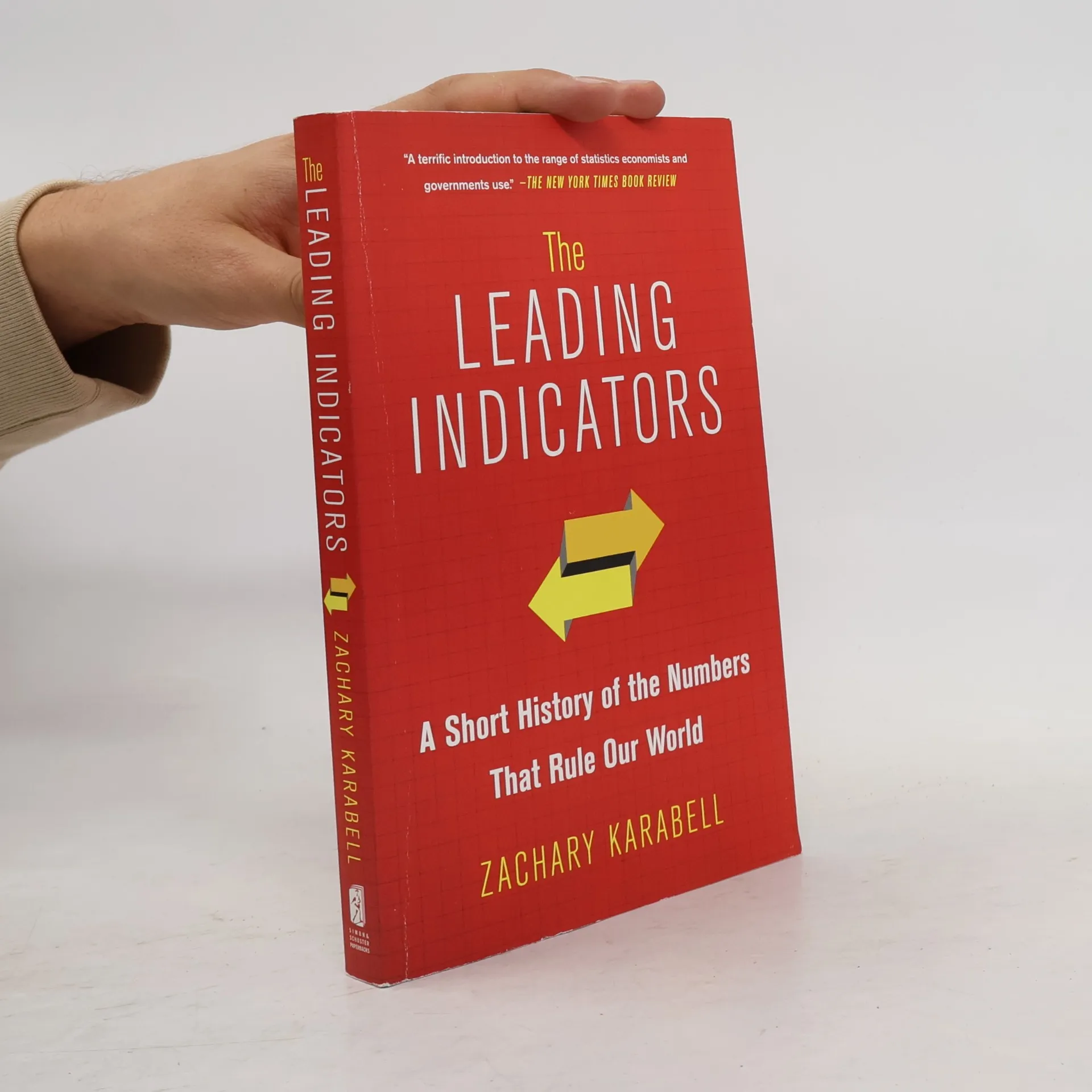


The Leading Indicators
A Short History of the Numbers That Rule Our World
Auteurs
En savoir plus sur le livre
Every day, we encounter numbers that shape our understanding of the economy and our future, such as gross national product, unemployment, and inflation. Yet, few grasp their origins or significance. In "The Leading Indicators," Zachary Karabell explores the history of these metrics, developed during the mid-twentieth century in response to the Great Depression, World War II, and the Cold War. Initially created as rough measures for centralized, industrial nations, these indicators still guide us today. However, in our modern world, characterized by information technology and the global flow of capital, relying on outdated metrics can lead to confusion. Karabell emphasizes the need to leverage the current data revolution, which provides unprecedented access to relevant information. Businesses should not base strategies solely on GDP; individuals should seek local indicators when making decisions about buying homes or pursuing education. National statistics can be misleading, while personalized, localized data can better inform our choices. The revolution in data access is already underway, and we must engage with it to find the indicators that truly meet our needs in today’s complex environment.
Achat du livre
The Leading Indicators, Zachary Karabell
- Langue

- Année de publication
- 2014
- Reliure
- (souple)
Modes de paiement
Personne n'a encore évalué .
- Titre
- The Leading Indicators
- Sous-titre
- A Short History of the Numbers That Rule Our World
- Langue
- Anglais
- Auteurs
- Zachary Karabell
- Éditeur
- Simon & Schuster
- Publié
- 2014
- Format
- souple
- Pages
- 304
- ISBN10
- 1451651228
- ISBN13
- 9781451651225
- Séries
- Mots clés
- Thème historique, Commerce, Politique, États-Unis, Finance, Monnaie, Statistiques, Histoire économique, Big Data
- Description
- Every day, we encounter numbers that shape our understanding of the economy and our future, such as gross national product, unemployment, and inflation. Yet, few grasp their origins or significance. In "The Leading Indicators," Zachary Karabell explores the history of these metrics, developed during the mid-twentieth century in response to the Great Depression, World War II, and the Cold War. Initially created as rough measures for centralized, industrial nations, these indicators still guide us today. However, in our modern world, characterized by information technology and the global flow of capital, relying on outdated metrics can lead to confusion. Karabell emphasizes the need to leverage the current data revolution, which provides unprecedented access to relevant information. Businesses should not base strategies solely on GDP; individuals should seek local indicators when making decisions about buying homes or pursuing education. National statistics can be misleading, while personalized, localized data can better inform our choices. The revolution in data access is already underway, and we must engage with it to find the indicators that truly meet our needs in today’s complex environment.