


En savoir plus sur le livre
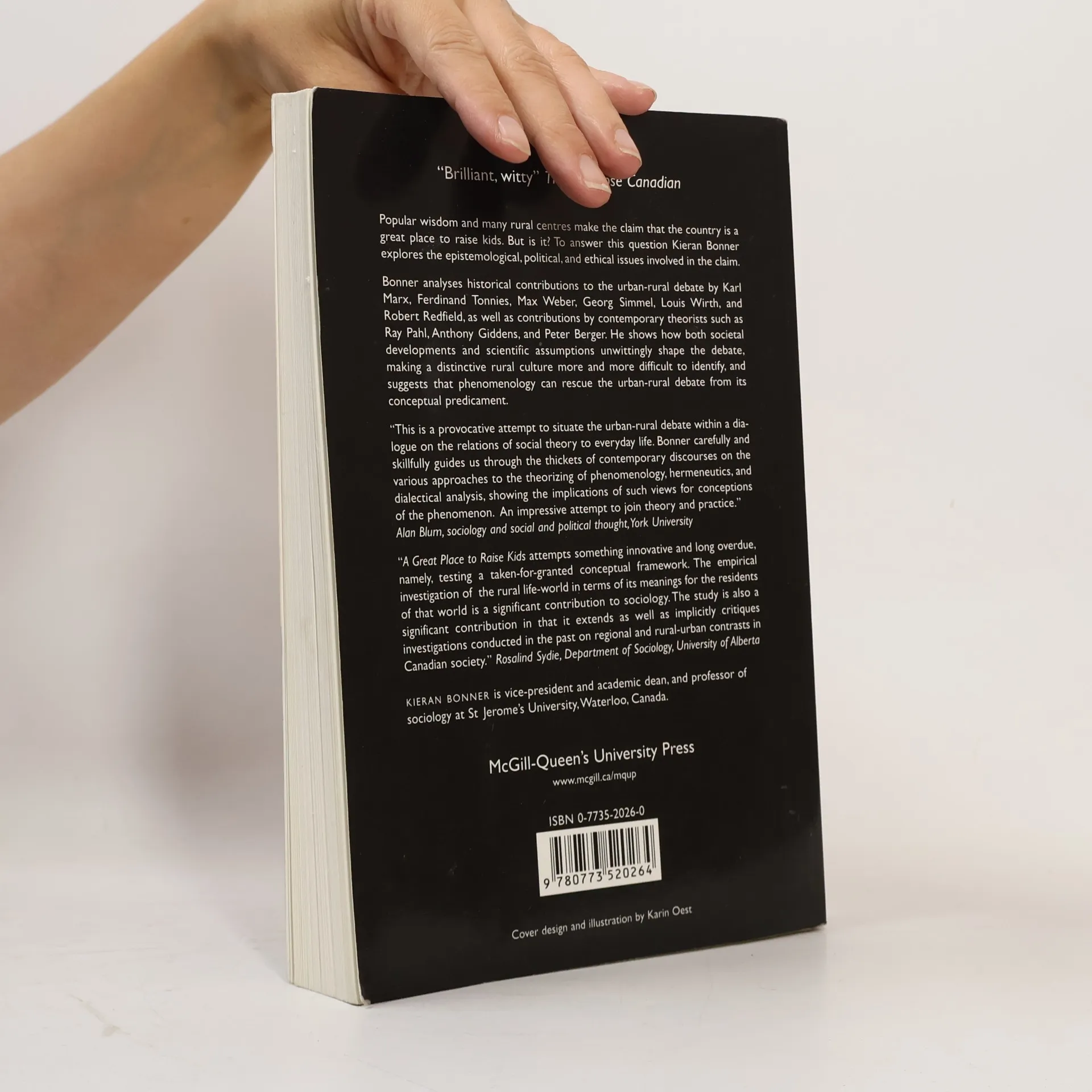
Bonner analyses historical contributions to the urban-rural debate by Karl Marx, Ferdinand Tonnies, Max Weber, Georg Simmel, Louis Wirth, and Robert Redfield, as well as contributions by contemporary theorists, such as Ray Pahl, Anthony Giddens, and Peter Berger. He shows how both societal developments and scientific assumptions unwittingly shape the debate, making a distinctive rural culture more and more difficult to identify, and suggests that phenomenology can rescue the urban-rural debate from its conceptual predicament. Through an analysis of statements by parents in both urban and rural settings, Bonner goes on to point out the limitations of a narrowly scientific approach to research, demonstrating how a more radical interpretive approach that combines phenomenological, hermeneutic, and dialectical analytic methods and theories can further our understanding. He argues convincingly that practical/ethical matters and theoretical assumptions are inextricably intertwined.
Achat du livre
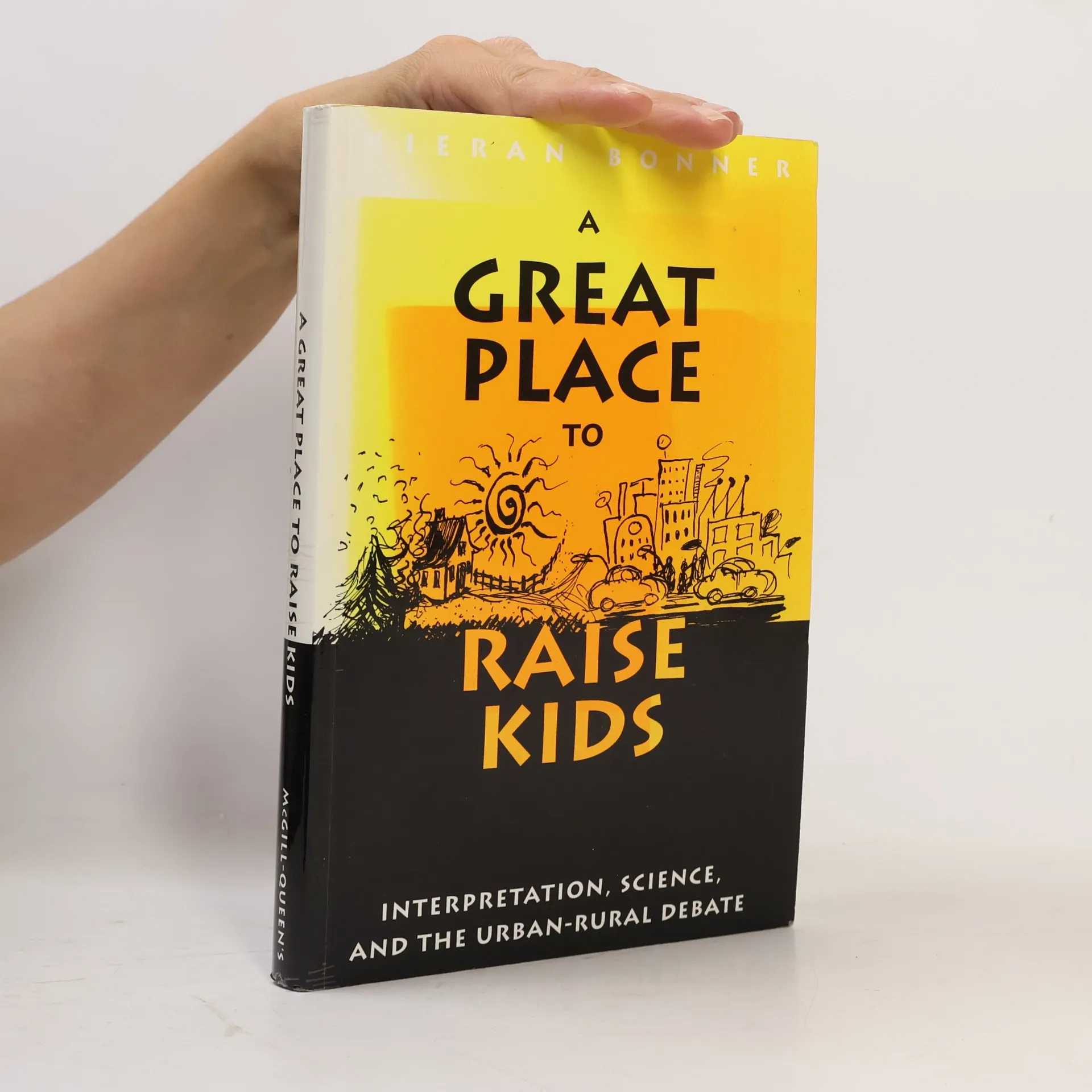
A Great Place to Raise Kids, Kieran Martin Bonner
- Langue

- Année de publication
- 1999
- Reliure
- (souple),
- État du livre
- Bon
- Prix
- 14,99 €
Modes de paiement
Personne n'a encore évalué .
- Titre
- A Great Place to Raise Kids
- Sous-titre
- Interpretation, Science, and the Rural-Urban Debate
- Langue
- Anglais
- Auteurs
- Kieran Martin Bonner
- Publié
- 1999
- Format
- souple
- Pages
- 258
- ISBN10
- 0773520260
- ISBN13
- 9780773520264
- Séries
- Catégories
- Mots clés
- Canada
- Description
- Bonner analyses historical contributions to the urban-rural debate by Karl Marx, Ferdinand Tonnies, Max Weber, Georg Simmel, Louis Wirth, and Robert Redfield, as well as contributions by contemporary theorists, such as Ray Pahl, Anthony Giddens, and Peter Berger. He shows how both societal developments and scientific assumptions unwittingly shape the debate, making a distinctive rural culture more and more difficult to identify, and suggests that phenomenology can rescue the urban-rural debate from its conceptual predicament. Through an analysis of statements by parents in both urban and rural settings, Bonner goes on to point out the limitations of a narrowly scientific approach to research, demonstrating how a more radical interpretive approach that combines phenomenological, hermeneutic, and dialectical analytic methods and theories can further our understanding. He argues convincingly that practical/ethical matters and theoretical assumptions are inextricably intertwined.