



En savoir plus sur le livre
Called a fig leaf for inaction by many at its inception, the International Criminal Tribunal for the Former Yugoslavia has surprised its critics by growing from an unfunded U.N. Security Council resolution to an institution with more than 1,000 employees and a $100 million annual budget. With Slobodan Milosevic now on trial and more than forty fellow indictees currently detained, the success of the Hague tribunal has forced many to reconsider the prospects of international justice. John Hagan's Justice in the Balkans is a powerful firsthand look at the inner workings of the tribunal as it has moved from an experimental organization initially viewed as irrelevant to the first truly effective international court since Nuremberg.Creating an institution that transcends national borders is a challenge fraught with political and organizational difficulties, yet, as Hagan describes here, the Hague tribunal has increasingly met these difficulties head-on and overcome them. The chief reason for its success, he argues, is the people who have shaped it, particularly its charismatic chief prosecutor, Louise Arbour. With drama and immediacy, Justice in the Balkans re-creates how Arbour worked with others to turn the tribunal's fortunes around, reversing its initial failure to arrest and convict significant figures and advancing the tribunal's agenda to the point at which Arbour and her colleagues, including her successor, Carla Del Ponte (nicknamed the Bulldog), were able to indict Milosevic himself. Leading readers through the investigations and criminal proceedings of the tribunal, Hagan offers the most original account of the foundation and maturity of the institution.Justice in the Balkans brilliantly shows how an international social movement for human rights in the Balkans was transformed into a pathbreaking legal institution and a new transnational legal field. The Hague tribunal becomes, in Hagan's work, a stellar example of how individuals working with collective purpose can make a profound difference."The Hague tribunal reaches into only one house of horrors among many; but, within the wisely precise remit given to it, it has beamed the light of justice into the darkness of man's inhumanity, to woman as well as to man."— The Times (London)
Achat du livre
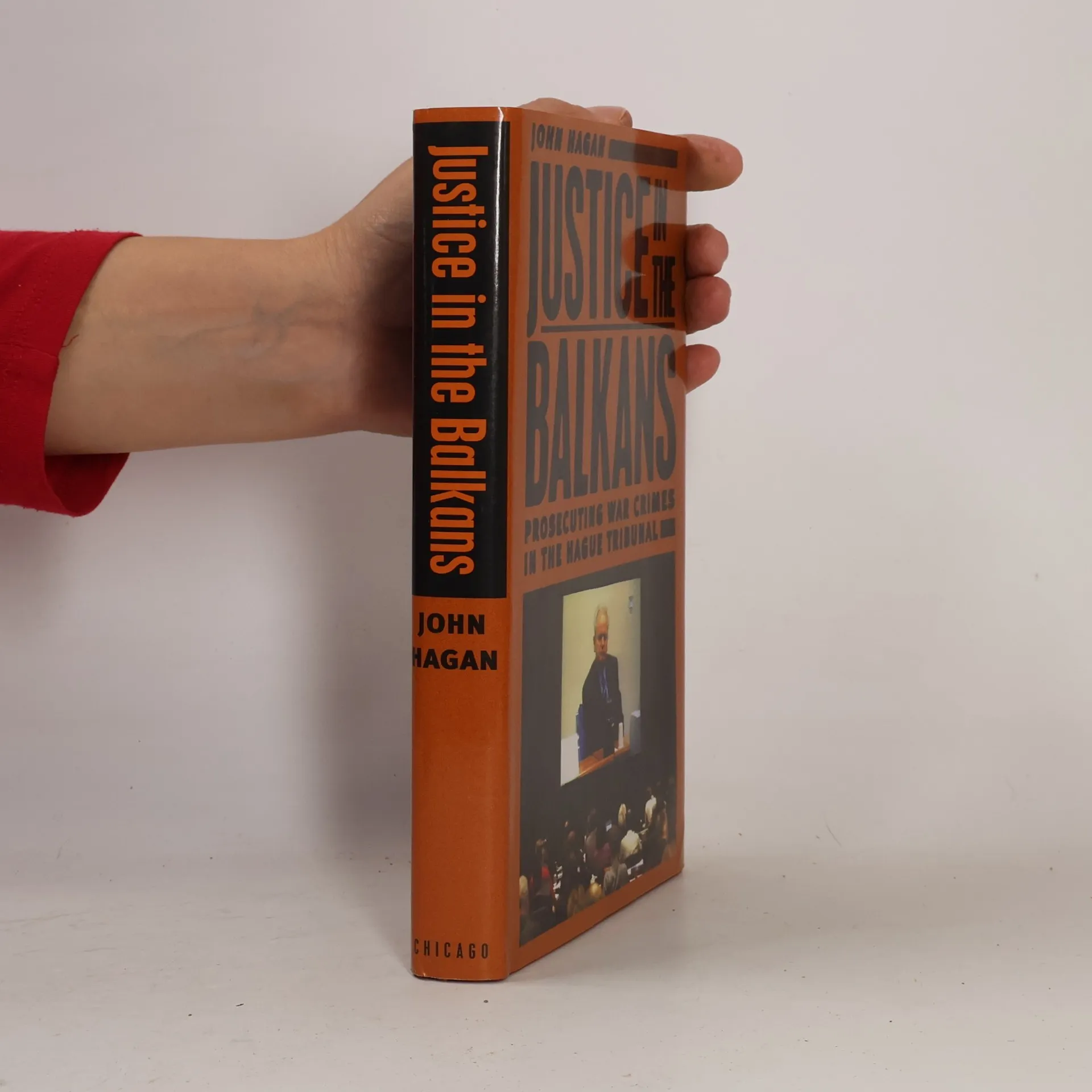
Chicago Series in Law and Society: Justice in the Balkans, John Hagan
- Langue

- Année de publication
- 2003
- Reliure
- (rigide),
- État du livre
- Bon
- Prix
- 15,49 €
Modes de paiement
Personne n'a encore évalué .
- Titre
- Chicago Series in Law and Society: Justice in the Balkans
- Sous-titre
- Prosecuting War Crimes in the Hague Tribunal
- Langue
- Anglais
- Auteurs
- John Hagan
- Publié
- 2003
- Format
- rigide
- Pages
- 274
- ISBN10
- 0226312283
- ISBN13
- 9780226312286
- Séries
- Catégories
- Mots clés
- Thème historique, Polars, Thématique juridique, Politique, Guerres, Théories politiques, Recherche, Succès, Pays-Bas, Justice, Droit pénal, Activisme, Administration publique, Crimes de Guerre, Yougoslavie, Balkans, Nuremberg, Injustice et préjudice
- Description
- Called a fig leaf for inaction by many at its inception, the International Criminal Tribunal for the Former Yugoslavia has surprised its critics by growing from an unfunded U.N. Security Council resolution to an institution with more than 1,000 employees and a $100 million annual budget. With Slobodan Milosevic now on trial and more than forty fellow indictees currently detained, the success of the Hague tribunal has forced many to reconsider the prospects of international justice. John Hagan's Justice in the Balkans is a powerful firsthand look at the inner workings of the tribunal as it has moved from an experimental organization initially viewed as irrelevant to the first truly effective international court since Nuremberg.Creating an institution that transcends national borders is a challenge fraught with political and organizational difficulties, yet, as Hagan describes here, the Hague tribunal has increasingly met these difficulties head-on and overcome them. The chief reason for its success, he argues, is the people who have shaped it, particularly its charismatic chief prosecutor, Louise Arbour. With drama and immediacy, Justice in the Balkans re-creates how Arbour worked with others to turn the tribunal's fortunes around, reversing its initial failure to arrest and convict significant figures and advancing the tribunal's agenda to the point at which Arbour and her colleagues, including her successor, Carla Del Ponte (nicknamed the Bulldog), were able to indict Milosevic himself. Leading readers through the investigations and criminal proceedings of the tribunal, Hagan offers the most original account of the foundation and maturity of the institution.Justice in the Balkans brilliantly shows how an international social movement for human rights in the Balkans was transformed into a pathbreaking legal institution and a new transnational legal field. The Hague tribunal becomes, in Hagan's work, a stellar example of how individuals working with collective purpose can make a profound difference."The Hague tribunal reaches into only one house of horrors among many; but, within the wisely precise remit given to it, it has beamed the light of justice into the darkness of man's inhumanity, to woman as well as to man."— The Times (London)