

En savoir plus sur le livre
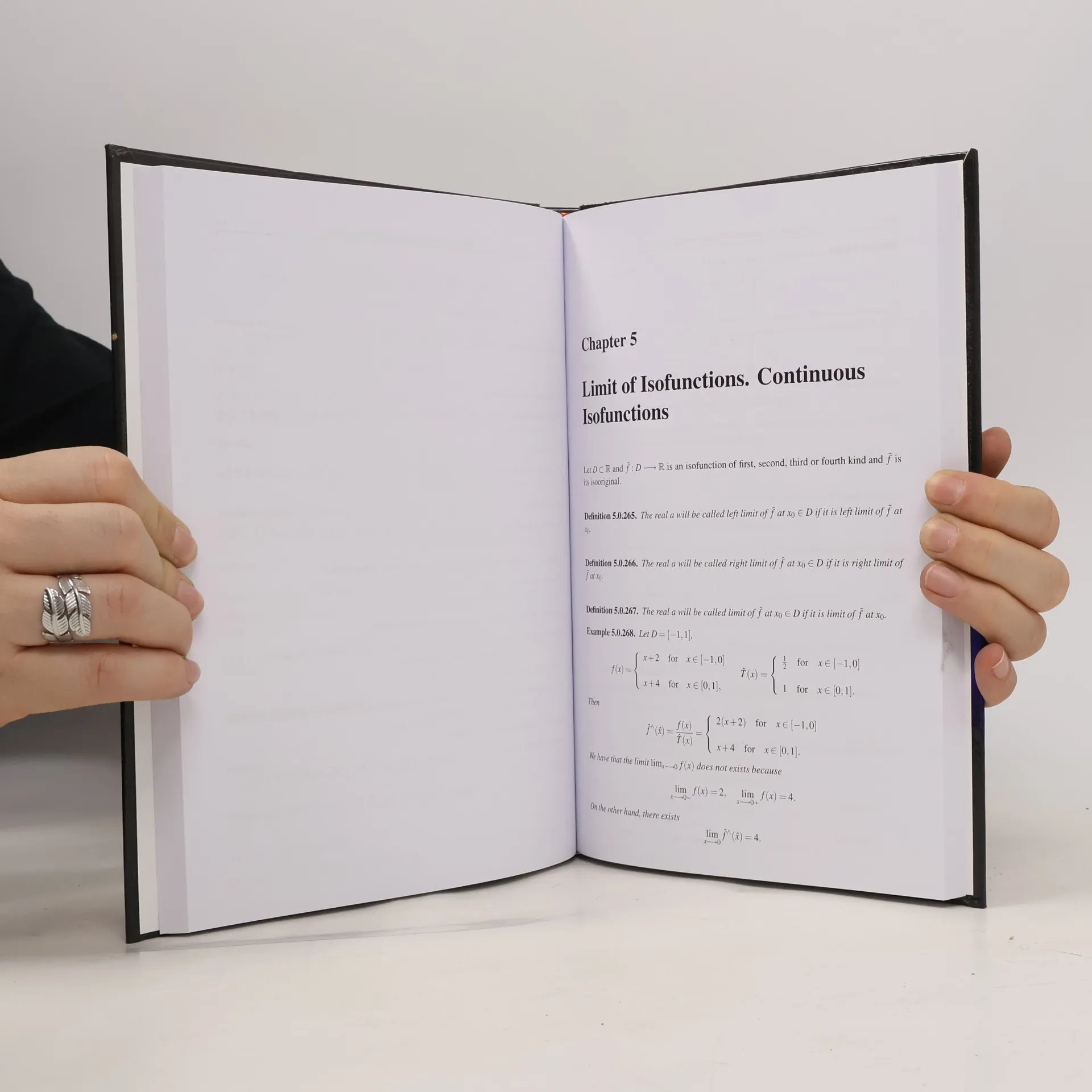
The 'genious idea' is the Santilli's generalisation of the basic unit of quantum mechanics into an integro-differential operator. This depends on local variables, and it is assumed to be the inverse of the isotopic element (the Santilli isounit). It was believed for centuries that the differential calculus is independent of the assumed basic unit, since the latter was traditionally given by the trivial number 1. Santilli has disproved this belief by showing that the differential calculus can be dependent on the assumed unit by formulating the isodifferential calculus with basic isodifferential. In this book, the authors introduce the main definitions and properties of isonumbers, isofunctions and isodifferentials. The book is provided with examples and exercises making it suitable for an introductory one- or two-semester undergraduate course on some of the major aspects of isodifferential calculus. Alternatively, it may be used for beginning graduate level course and as a reference work. With exercises at the end of each chapter and its straightforward writing style, the book addresses readers who have no prior knowledge on this subject but have a basic background in graduate mathematics courses, such as theory of functions and differential calculus.
Achat du livre
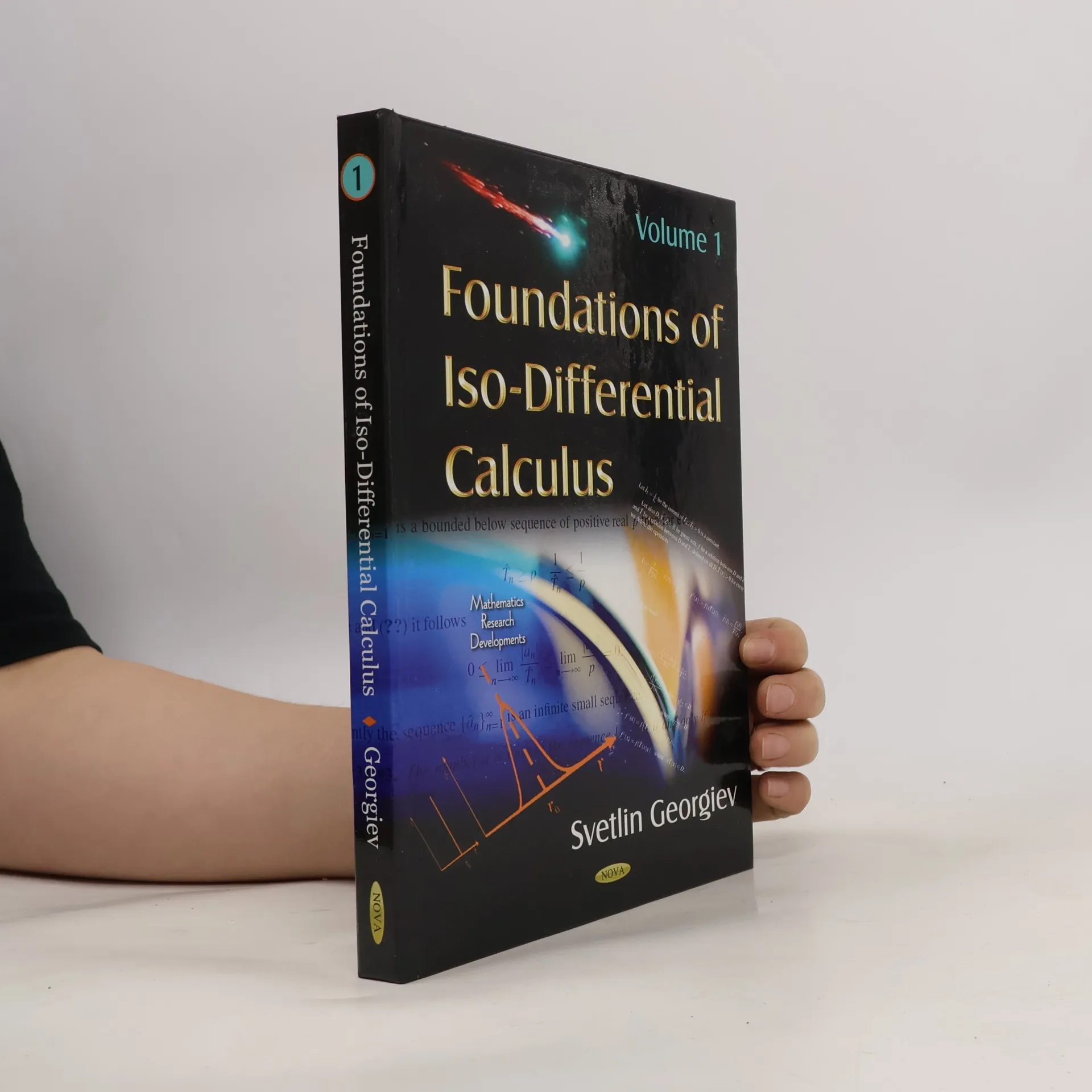
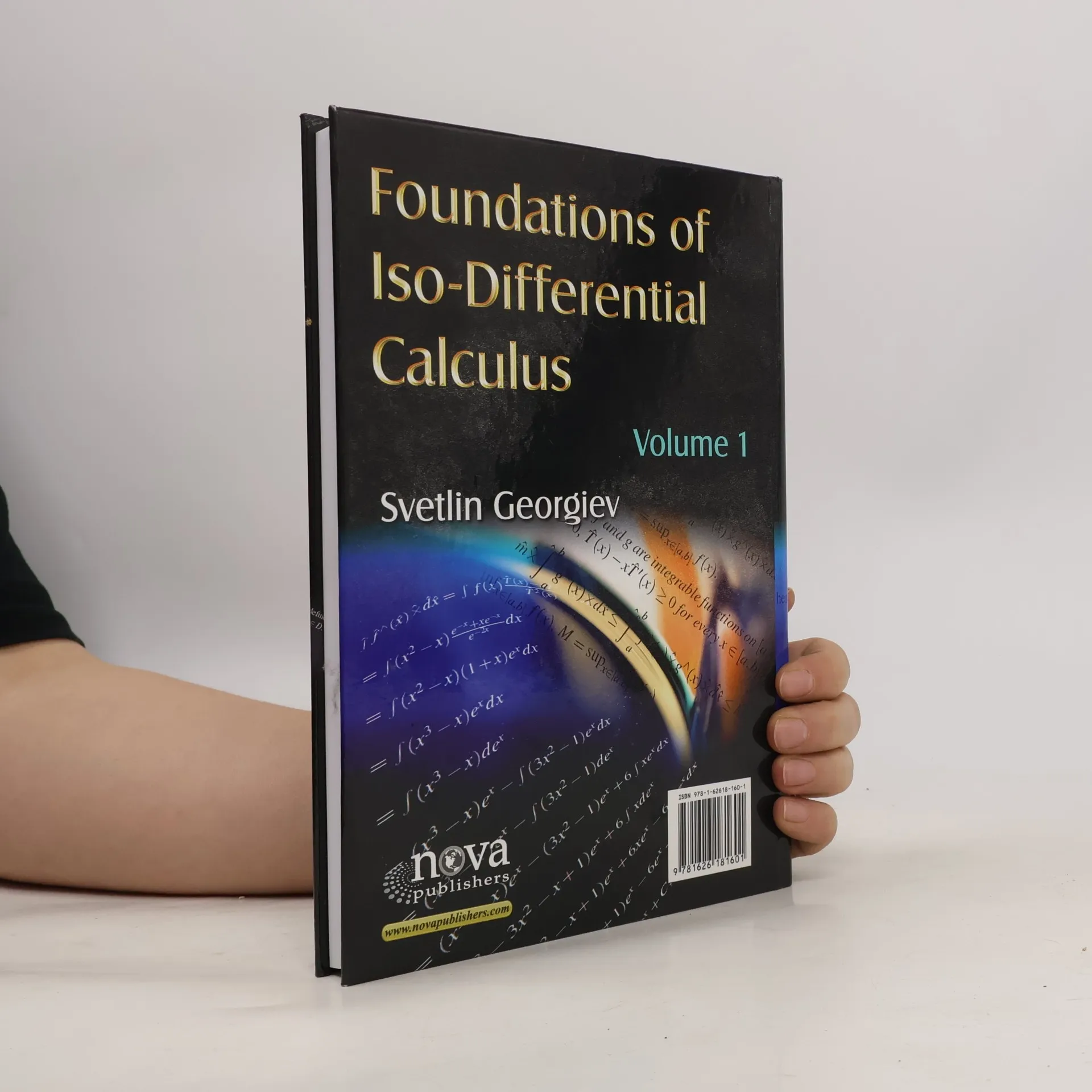
Mathematics Research Developments - 1: Foundations of Iso-Differential Calculus, Svetlin G. Georgiev
- Langue

- Année de publication
- 2014
- Reliure
- (rigide),
- État du livre
- Bon
- Prix
- 244,59 €
Modes de paiement
Personne n'a encore évalué .
- Titre
- Mathematics Research Developments - 1: Foundations of Iso-Differential Calculus
- Langue
- Anglais
- Auteurs
- Svetlin G. Georgiev
- Publié
- 2014
- Format
- rigide
- Pages
- 249
- ISBN10
- 1626181608
- ISBN13
- 9781626181601
- Séries
- Mots clés
- États-Unis, Calcul différentiel
- Description
- The 'genious idea' is the Santilli's generalisation of the basic unit of quantum mechanics into an integro-differential operator. This depends on local variables, and it is assumed to be the inverse of the isotopic element (the Santilli isounit). It was believed for centuries that the differential calculus is independent of the assumed basic unit, since the latter was traditionally given by the trivial number 1. Santilli has disproved this belief by showing that the differential calculus can be dependent on the assumed unit by formulating the isodifferential calculus with basic isodifferential. In this book, the authors introduce the main definitions and properties of isonumbers, isofunctions and isodifferentials. The book is provided with examples and exercises making it suitable for an introductory one- or two-semester undergraduate course on some of the major aspects of isodifferential calculus. Alternatively, it may be used for beginning graduate level course and as a reference work. With exercises at the end of each chapter and its straightforward writing style, the book addresses readers who have no prior knowledge on this subject but have a basic background in graduate mathematics courses, such as theory of functions and differential calculus.