

Paramètres
- 311pages
- 11 heures de lecture
En savoir plus sur le livre
In an unusual but compelling approach to storytelling, When Europe Was a Prison Camp weaves together two accounts of a family’s eventual escape from Occupied Europe. One, a memoir written by the father in 1941; the other, begun by the son in the 1980s, fills in the story of himself and mother, supplemented by historical research. The result is both personal and provocative, involving as it does issues of history and memory, fiction and “truth,” courage and resignation. This is not a “Holocaust memoir.” The Schrags were Jews, and Otto was interned, under execrable conditions, in southern France. But Otto, with the help of a heroic wife, escaped the camp before the start of massive transfers of prisoners “to the East,” and Peter and his mother escaped from Belgium before the Jews were rounded up and sent to Auschwitz. Still, the danger and suffering, the comradeship and betrayal, the naïve hopes and cynical despair of those in prison and those in peril are everywhere in evidence.
Achat du livre
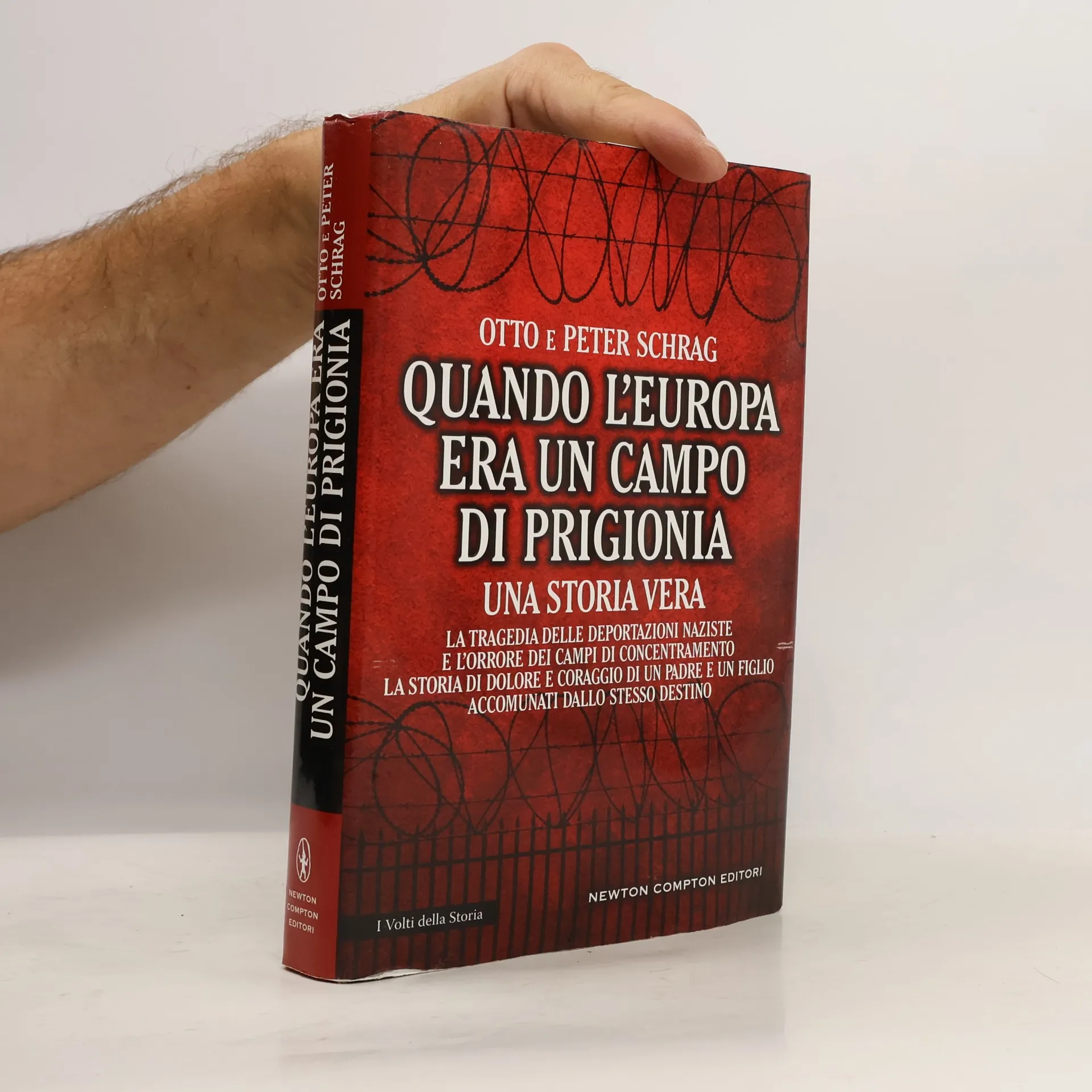
I volti della storia: Quando l'Europa era un campo di prigionia. La tragedia delle deportazioni naziste e l'orrore dei campi di concentramento, Otto Schrag, Peter Schrag
- Langue

- Année de publication
- 2016
- Reliure
- (rigide),
- État du livre
- Bon
- Prix
- 3,69 €
Modes de paiement
Personne n'a encore évalué .
- Titre
- I volti della storia: Quando l'Europa era un campo di prigionia. La tragedia delle deportazioni naziste e l'orrore dei campi di concentramento
- Sous-titre
- La storia di dolore e coraggio di un padre
- Langue
- Italien
- Auteurs
- Otto Schrag, Peter Schrag
- Éditeur
- Newton Compton editori
- Publié
- 2016
- Format
- rigide
- Pages
- 311
- ISBN10
- 8854197610
- ISBN13
- 9788854197619
- Séries
- Catégories
- Mots clés
- Thème historique, Seconde Guerre mondiale, Europe, Holocauste
- Description
- In an unusual but compelling approach to storytelling, When Europe Was a Prison Camp weaves together two accounts of a family’s eventual escape from Occupied Europe. One, a memoir written by the father in 1941; the other, begun by the son in the 1980s, fills in the story of himself and mother, supplemented by historical research. The result is both personal and provocative, involving as it does issues of history and memory, fiction and “truth,” courage and resignation. This is not a “Holocaust memoir.” The Schrags were Jews, and Otto was interned, under execrable conditions, in southern France. But Otto, with the help of a heroic wife, escaped the camp before the start of massive transfers of prisoners “to the East,” and Peter and his mother escaped from Belgium before the Jews were rounded up and sent to Auschwitz. Still, the danger and suffering, the comradeship and betrayal, the naïve hopes and cynical despair of those in prison and those in peril are everywhere in evidence.