

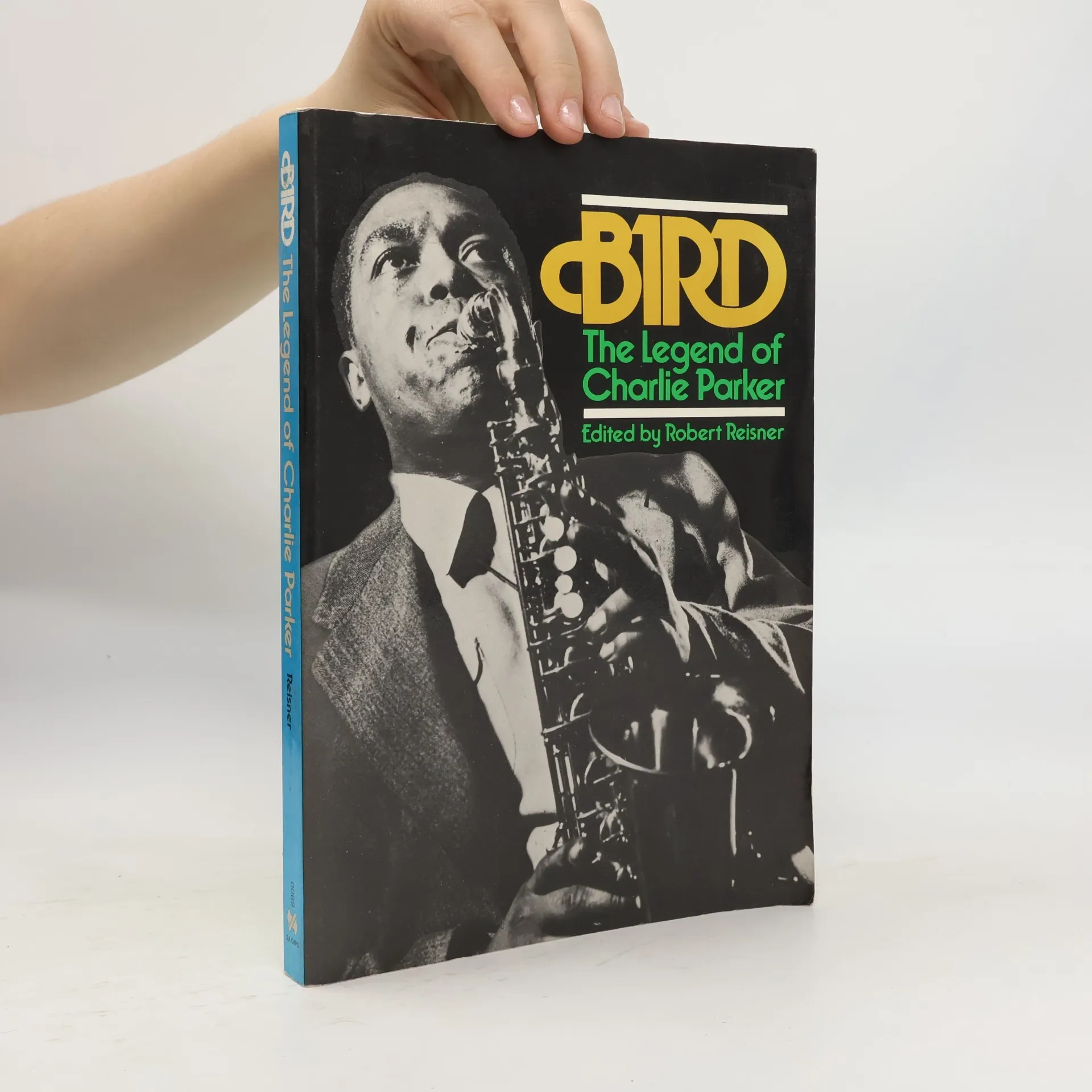


Bird
The Legend of Charlie Parker (Da Capo Paperback)
Auteurs
En savoir plus sur le livre
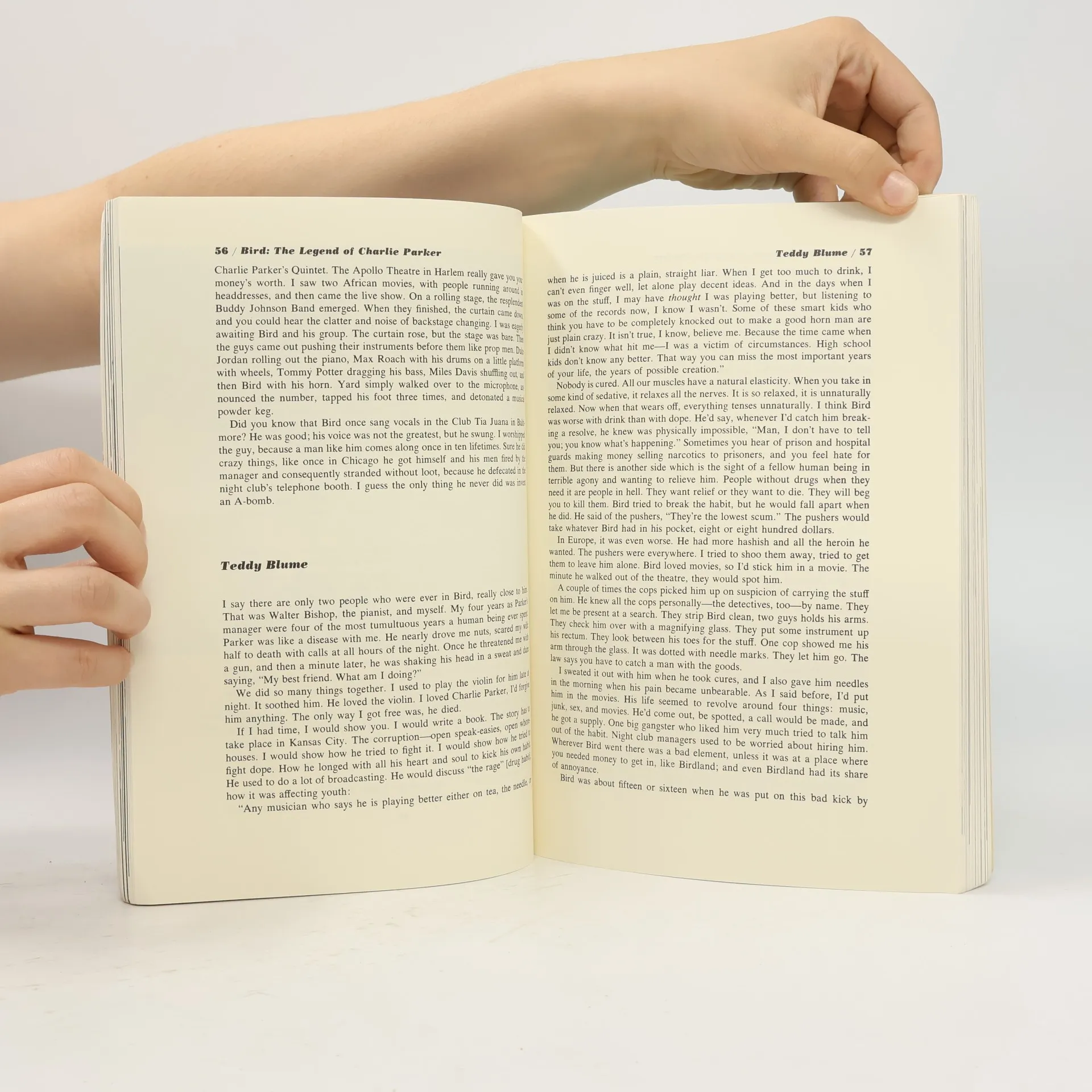
The credit for the birth of modern jazz largely belongs to Charles "Yardbird" Parker, affectionately known as "Bird." His virtuoso technique, melodic genius, and inspired improvisations marked the beginning of a new jazz era, transitioning from bop to the "cool" jazz of the fifties. Parker's mastery of the alto saxophone influenced countless musicians, paving the way for icons like John Coltrane and Ornette Coleman. He passed away in 1955 at just thirty-five, leaving behind a legacy of musical innovation and a reputation for self-destructive behavior that resonated with hipsters and the beat generation. In this comprehensive reminiscence, Reisner interviewed eighty-one individuals connected to Parker, including friends, relatives, and fellow musicians. Notable figures like Charlie Mingus, Dizzy Gillespie—whom Parker referred to as "the other half of my heart"—and jazz historian Rudi Blesh share their unique memories of Bird. These recollections create a vivid mosaic of Parker's brief but intense career, highlighting his struggles with drugs and alcohol, passionate romances, and unpredictable behavior both on and off stage. The narrative also captures iconic moments, such as jam sessions at Harlem's Minton's Playhouse with legends like Miles Davis and Thelonious Monk, as well as his infamous firing from Birdland, the club named in his honor.
Achat du livre
Bird, Robert George Reisner
- Langue

- Année de publication
- 1977
- Reliure
- (souple),
- État du livre
- Bon
- Prix
- 7,39 €
Modes de paiement
Personne n'a encore évalué .
- Titre
- Bird
- Sous-titre
- The Legend of Charlie Parker (Da Capo Paperback)
- Langue
- Anglais
- Auteurs
- Robert George Reisner
- Éditeur
- Da Capo Press
- Publié
- 1977
- Format
- souple
- Pages
- 264
- ISBN10
- 0306800691
- ISBN13
- 9780306800696
- Séries
- Mots clés
- Thématique musicale, Jazz
- Description
- The credit for the birth of modern jazz largely belongs to Charles "Yardbird" Parker, affectionately known as "Bird." His virtuoso technique, melodic genius, and inspired improvisations marked the beginning of a new jazz era, transitioning from bop to the "cool" jazz of the fifties. Parker's mastery of the alto saxophone influenced countless musicians, paving the way for icons like John Coltrane and Ornette Coleman. He passed away in 1955 at just thirty-five, leaving behind a legacy of musical innovation and a reputation for self-destructive behavior that resonated with hipsters and the beat generation. In this comprehensive reminiscence, Reisner interviewed eighty-one individuals connected to Parker, including friends, relatives, and fellow musicians. Notable figures like Charlie Mingus, Dizzy Gillespie—whom Parker referred to as "the other half of my heart"—and jazz historian Rudi Blesh share their unique memories of Bird. These recollections create a vivid mosaic of Parker's brief but intense career, highlighting his struggles with drugs and alcohol, passionate romances, and unpredictable behavior both on and off stage. The narrative also captures iconic moments, such as jam sessions at Harlem's Minton's Playhouse with legends like Miles Davis and Thelonious Monk, as well as his infamous firing from Birdland, the club named in his honor.