


En savoir plus sur le livre
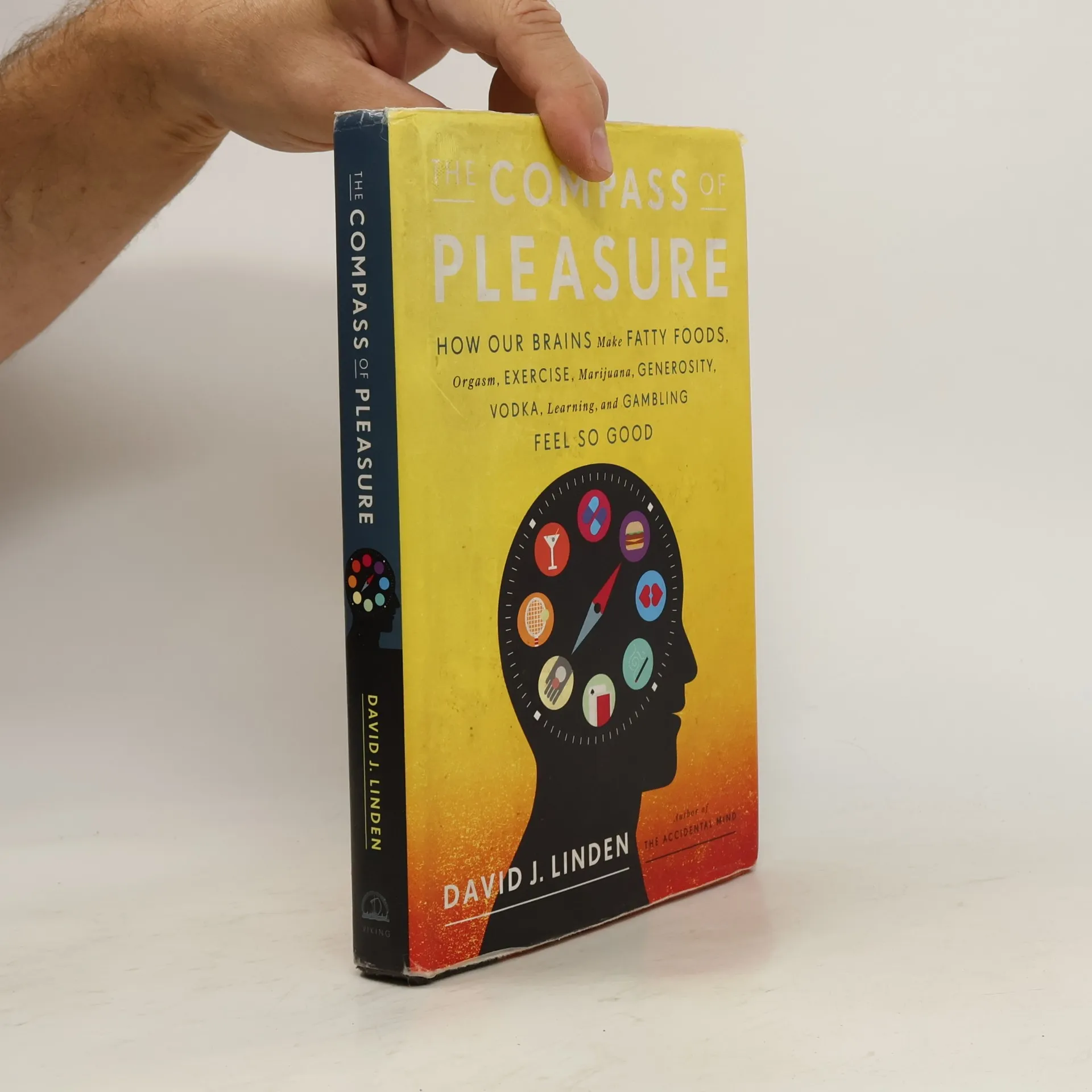
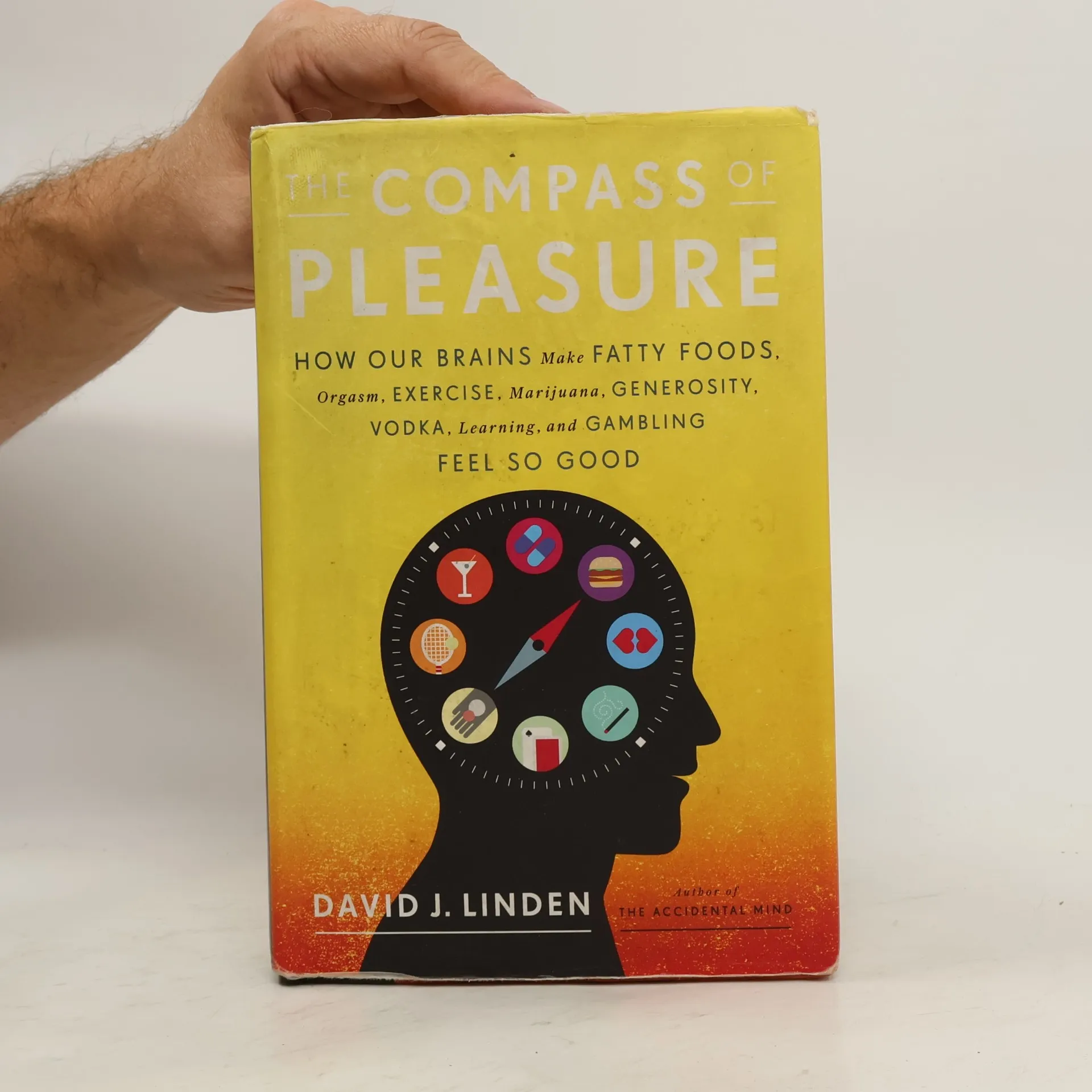
<div><b>A leading brain scientist's look at the neurobiology of pleasure-and how pleasures can become addictions. </b> Whether eating, taking drugs, engaging in sex, or doing good deeds, the pursuit of pleasure is a central drive of the human animal. In <i>The Compass of Pleasure</i> Johns Hopkins neuroscientist David J. Linden explains how pleasure affects us at the most fundamental level: in our brain. As he did in his award-winning book, <i>The Accidental Mind</i>, Linden combines cutting-edge science with entertaining anecdotes to illuminate the source of the behaviors that can lead us to ecstasy but that can easily become compulsive. Why are drugs like nicotine and heroin addictive while LSD is not? Why has the search for safe appetite suppressants been such a disappointment? <i>The Compass of Pleasure</i> concludes with a provocative consideration of pleasure in the future, when it may be possible to activate our pleasure circuits at will and in entirely novel patterns. </div>
Achat du livre
The Compass of Pleasure, David J. Linden
- Langue

- Année de publication
- 2011
- Reliure
- (rigide),
- État du livre
- Abîmé
- Prix
- 9,16 €
Modes de paiement
Personne n'a encore évalué .
- Titre
- The Compass of Pleasure
- Sous-titre
- How Our Brains Make Fatty Foods, Orgasm, Exercise, Marijuana, Generosity, Vodka, Learning, and Gambling Feel So Good
- Langue
- Anglais
- Auteurs
- David J. Linden
- Éditeur
- Viking
- Publié
- 2011
- Format
- rigide
- Pages
- 230
- ISBN10
- 0670022586
- ISBN13
- 9780670022588
- Séries
- Catégories
- Mots clés
- Science, Santé, Neurosciences, Meilleures ventes, Cerveau, Physiologie, Neuropsychologie
- Description
- <div><b>A leading brain scientist's look at the neurobiology of pleasure-and how pleasures can become addictions. </b> Whether eating, taking drugs, engaging in sex, or doing good deeds, the pursuit of pleasure is a central drive of the human animal. In <i>The Compass of Pleasure</i> Johns Hopkins neuroscientist David J. Linden explains how pleasure affects us at the most fundamental level: in our brain. As he did in his award-winning book, <i>The Accidental Mind</i>, Linden combines cutting-edge science with entertaining anecdotes to illuminate the source of the behaviors that can lead us to ecstasy but that can easily become compulsive. Why are drugs like nicotine and heroin addictive while LSD is not? Why has the search for safe appetite suppressants been such a disappointment? <i>The Compass of Pleasure</i> concludes with a provocative consideration of pleasure in the future, when it may be possible to activate our pleasure circuits at will and in entirely novel patterns. </div>