

En savoir plus sur le livre
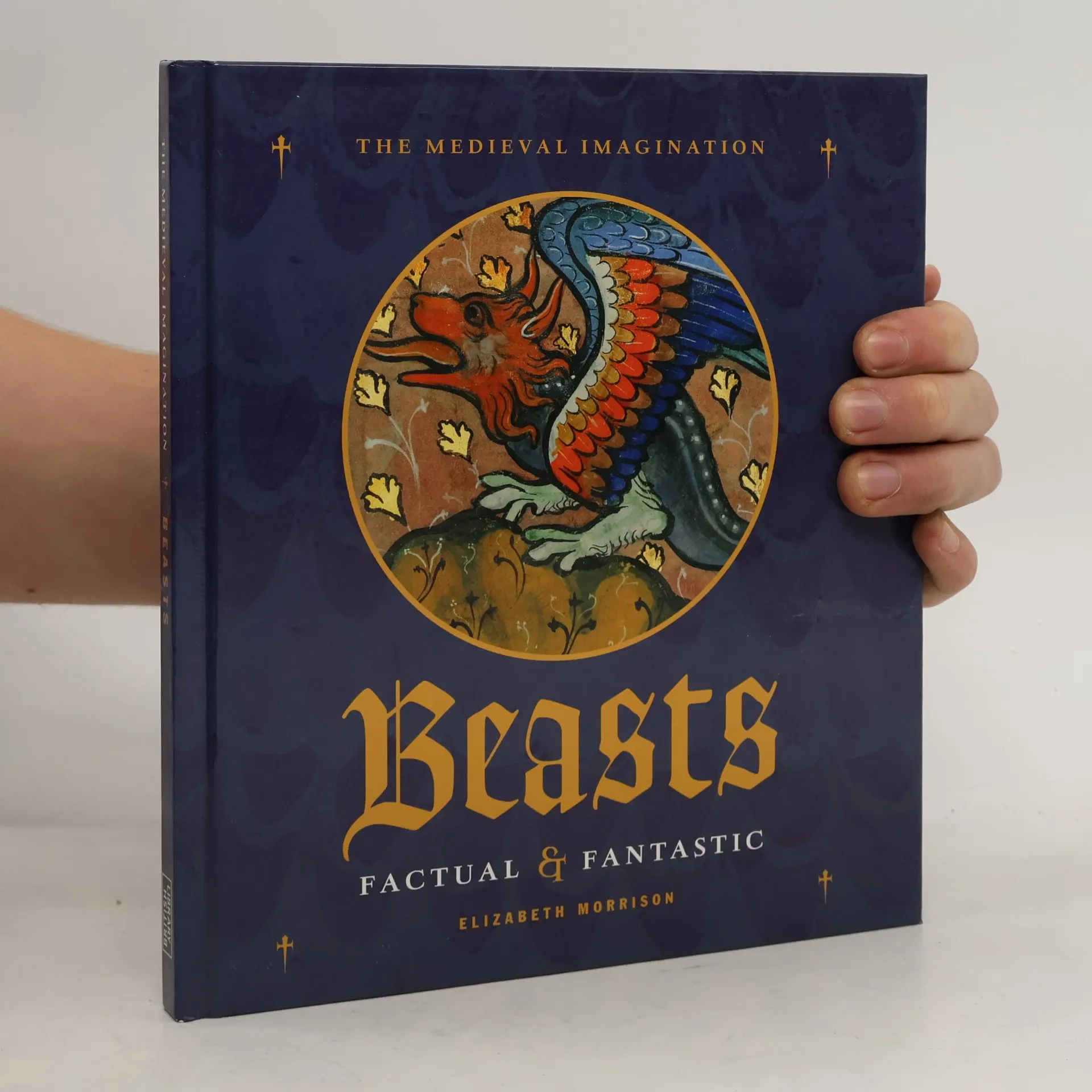
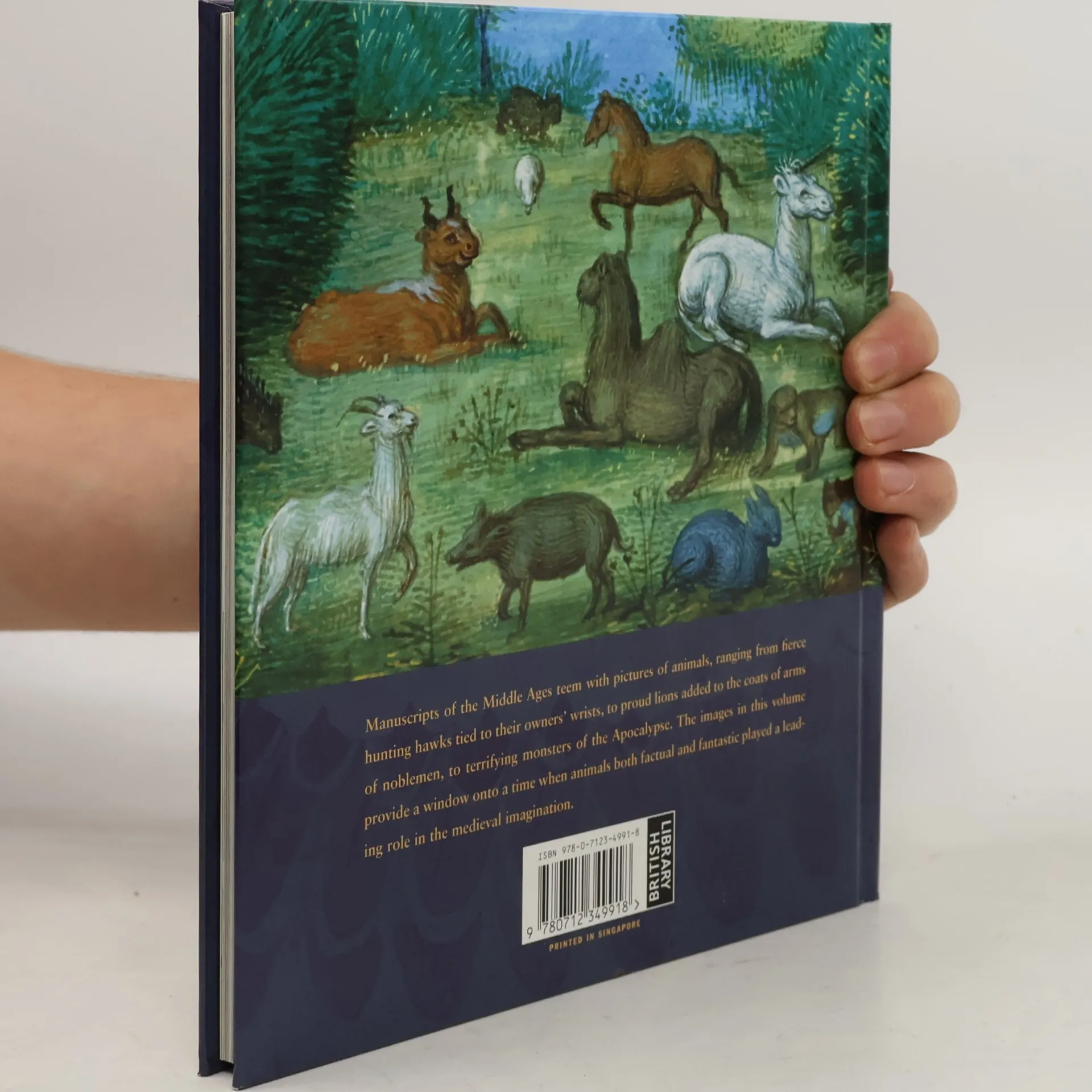
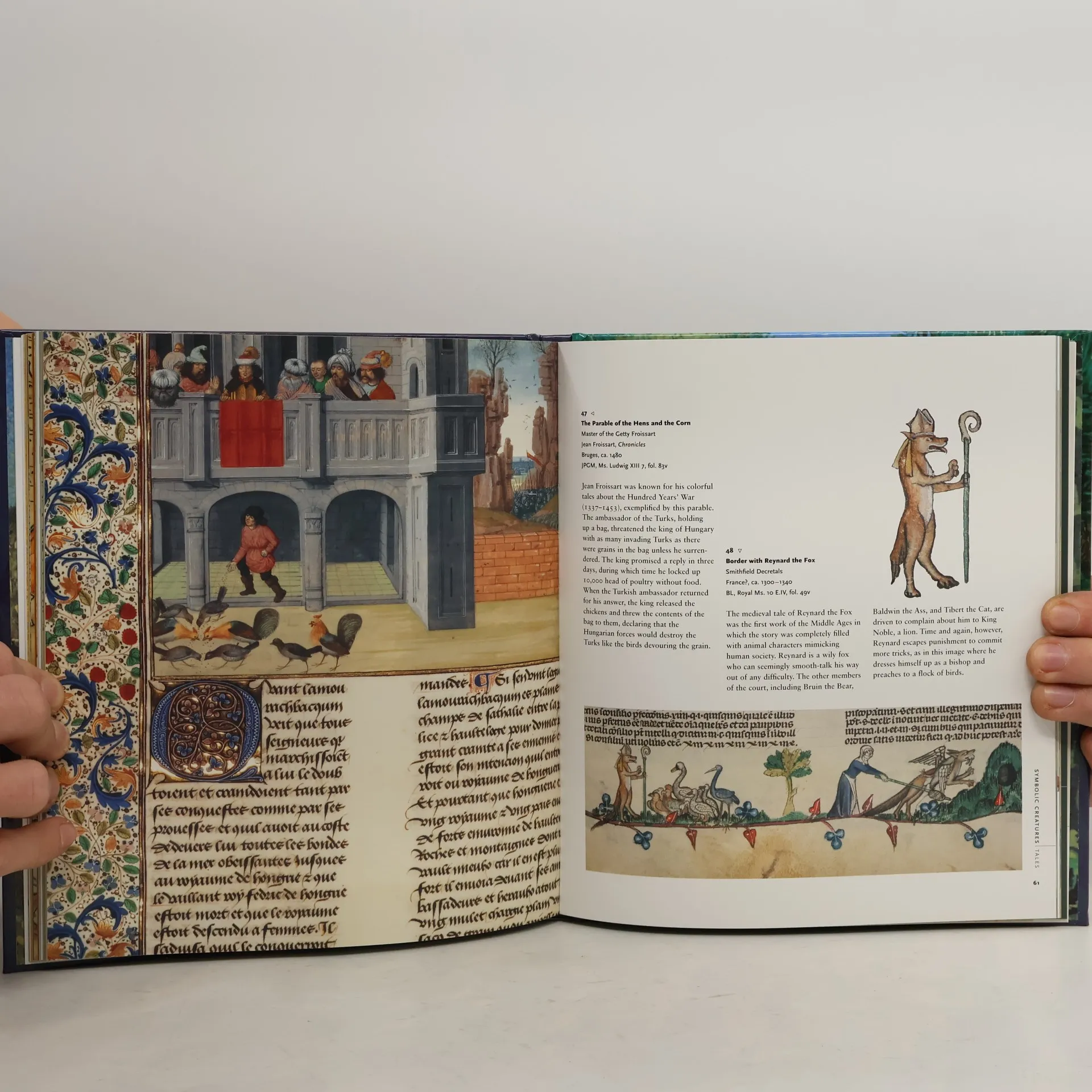
Manuscripts of the middle ages teem with pictures of animals, ranging from fierce hunting hawks tied to their owners' wrists, to proud lions added to the coasts of arms of noblemen, to terrify monsters of the Apocalypse. The images in this volume provide a window onto a time when animals both factual and fantastic played a leading role in the medieval imagination. series of small, affordable books that will draw on manuscript illuminations from the Middle Ages and early Renaissance. Each volume will focus on a particular theme or subject as represented by medieval artists. Often, as in the case of the imaginary beasts that readers will encounter in this volume, artists depicted that which they did not see or know, but which was nonetheless shaped by the prevailing beliefs, fears, and rudimentary science of the time. In other cases, manuscript illuminators recorded what they indeed did see - which, centuries later, reveals much about the world in which they lived.
Achat du livre
The Medieval Imagination: Beasts, Elizabeth Morrison
- Langue

- Année de publication
- 2007
- Reliure
- (rigide),
- État du livre
- Très bon
- Prix
- 55,99 €
Modes de paiement
Personne n'a encore évalué .
- Titre
- The Medieval Imagination: Beasts
- Sous-titre
- Factual & Fantastic
- Langue
- Anglais
- Auteurs
- Elizabeth Morrison
- Éditeur
- British Library
- Publié
- 2007
- Format
- rigide
- Pages
- 112
- ISBN10
- 071234991X
- ISBN13
- 9780712349918
- Séries
- Catégories
- Description
- Manuscripts of the middle ages teem with pictures of animals, ranging from fierce hunting hawks tied to their owners' wrists, to proud lions added to the coasts of arms of noblemen, to terrify monsters of the Apocalypse. The images in this volume provide a window onto a time when animals both factual and fantastic played a leading role in the medieval imagination. series of small, affordable books that will draw on manuscript illuminations from the Middle Ages and early Renaissance. Each volume will focus on a particular theme or subject as represented by medieval artists. Often, as in the case of the imaginary beasts that readers will encounter in this volume, artists depicted that which they did not see or know, but which was nonetheless shaped by the prevailing beliefs, fears, and rudimentary science of the time. In other cases, manuscript illuminators recorded what they indeed did see - which, centuries later, reveals much about the world in which they lived.