

En savoir plus sur le livre
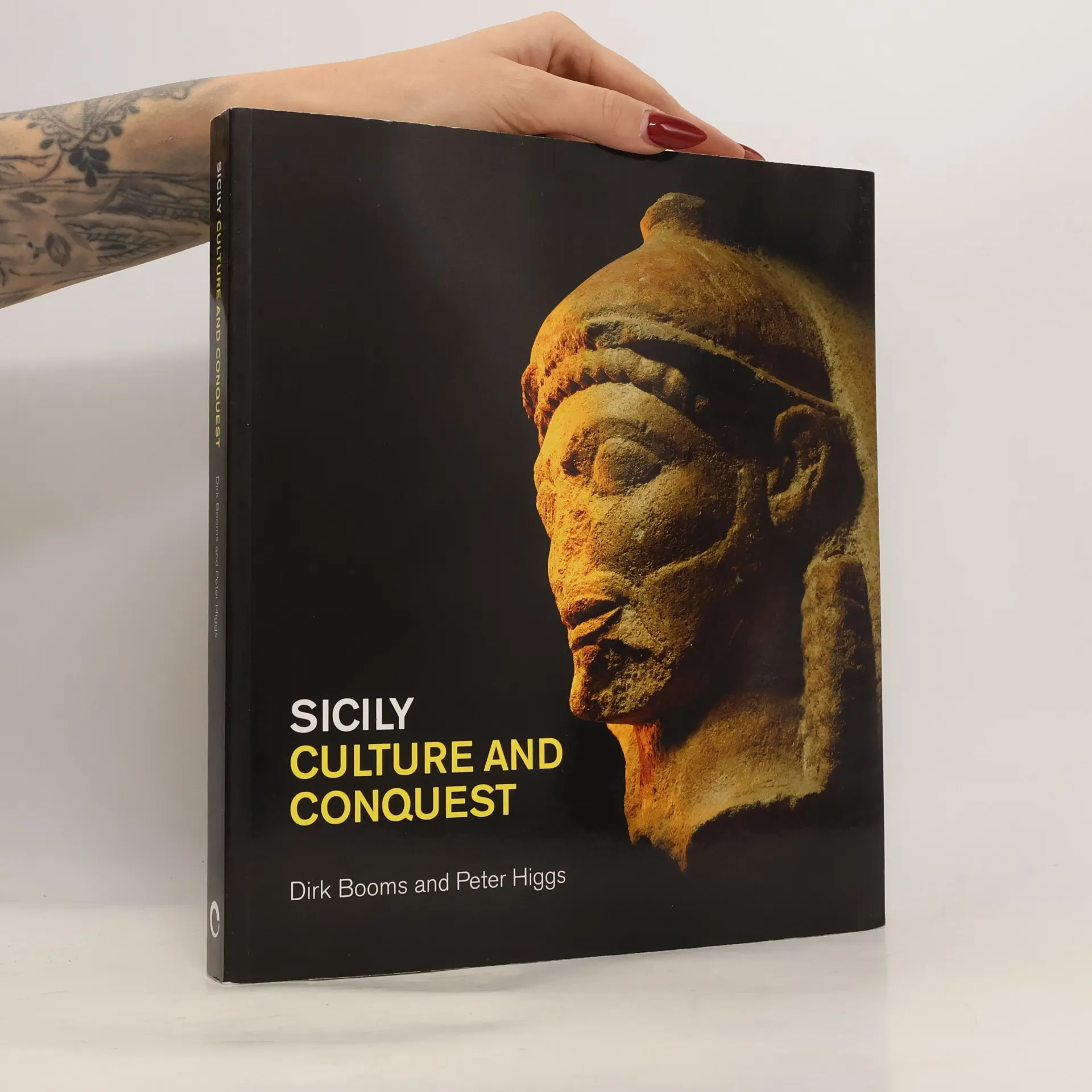
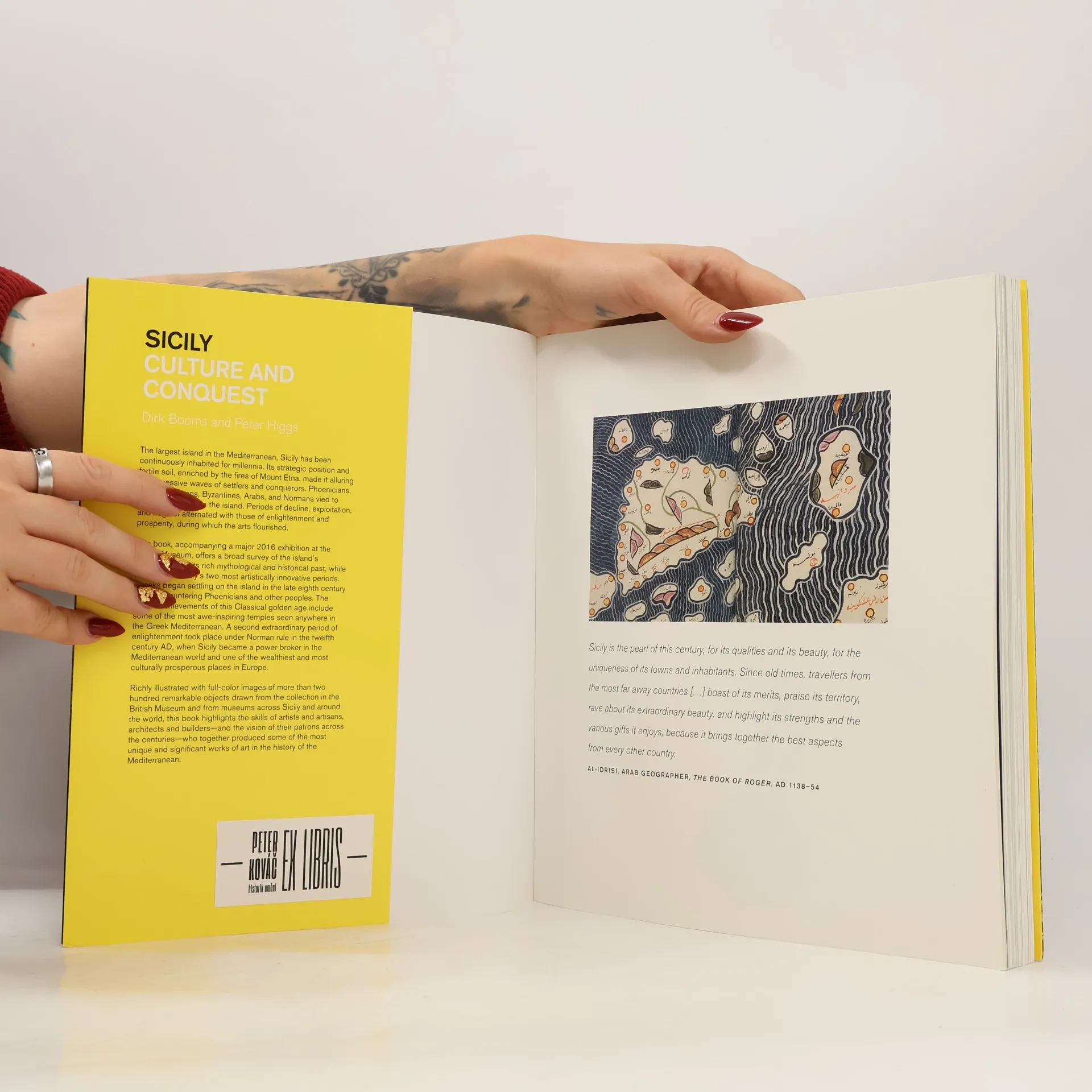
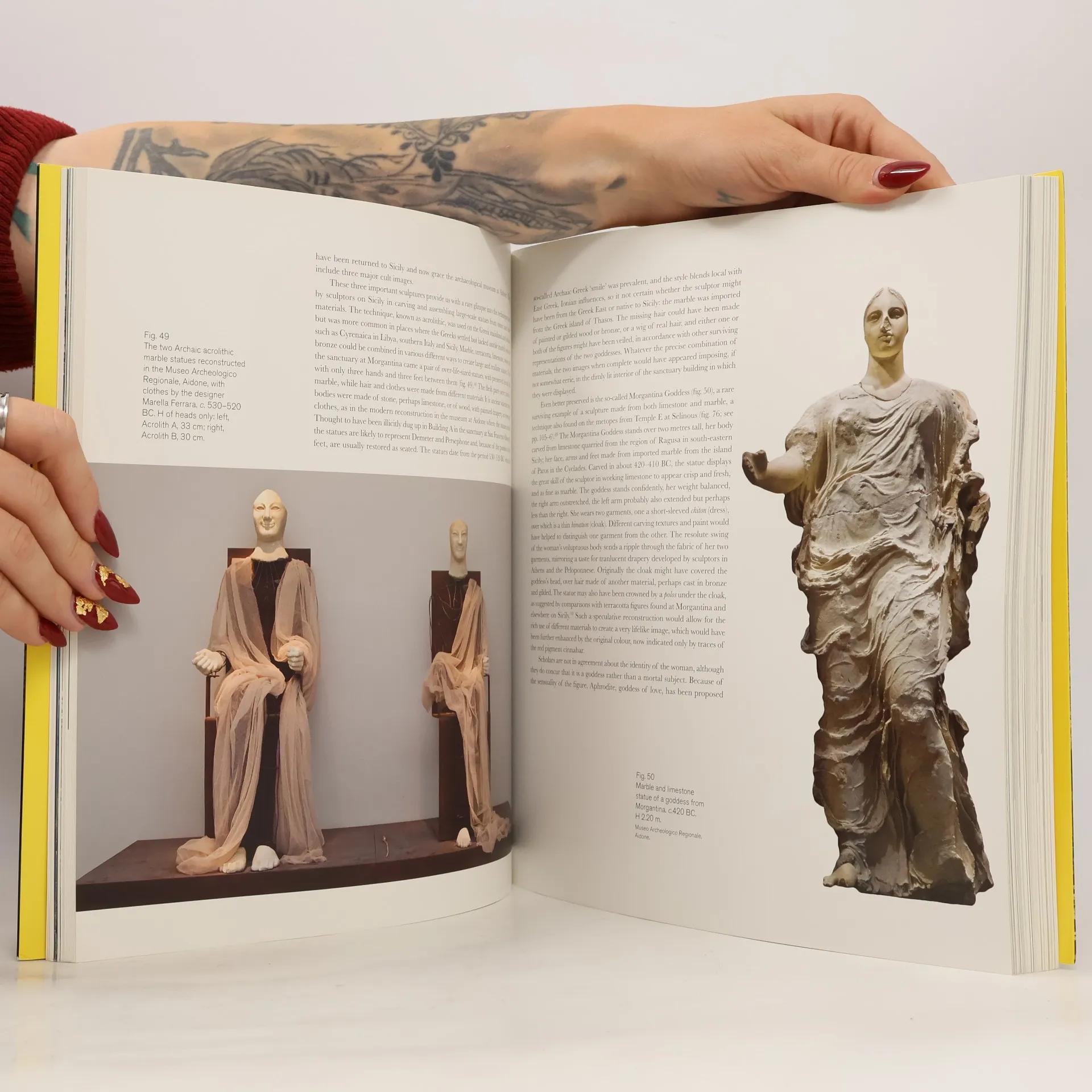
The largest island in the Mediterranean, Sicily has been continuously inhabited for millennia. Its strategic position and fertile soil, enriched by the fires of Mount Etna, made it alluring to successive waves of settlers and conquerors. Phoenicians, Greeks, Romans, Byzantines, Arabs, and Normans vied to stake their claim on the island. Periods of decline, exploitation, and neglect alternated with those of enlightenment and prosperity, during which the arts flourished. This book, accompanying a major 2016 exhibition at the British Museum, offers a broad survey of the island’s geography and its rich mythological and historical past, while focusing on Sicily’s two most artistically innovative periods. Greeks began settling on the island in the late eighth century BCE, encountering Phoenicians and other peoples. The artistic achievements of this Classical golden age include some of the most awe-inspiring temples seen anywhere in the Greek Mediterranean. A second extraordinary period of enlightenment took place under Norman rule in the twelfth century AD, when Sicily became a power broker in the Mediterranean world and one of the wealthiest and most culturally prosperous places in Europe. Richly illustrated with full-color images of more than two hundred remarkable objects drawn from the collection in the British Museum and from museums across Sicily and around the world, this book highlights the skills of artists and artisans, architects and builders―and the vision of their patrons across the centuries―who together produced some of the most unique and significant works of art in the history of the Mediterranean.
Achat du livre
Sicily, Dirk Booms, Peter Higgs
- Langue

- Année de publication
- 2016
- Reliure
- (souple),
- État du livre
- Abîmé
- Prix
- 15,26 €
Modes de paiement
Personne n'a encore évalué .
- Titre
- Sicily
- Sous-titre
- Culture and Conquest
- Langue
- Anglais
- Auteurs
- Dirk Booms, Peter Higgs
- Éditeur
- Cornell University Press
- Publié
- 2016
- Format
- souple
- Pages
- 288
- ISBN10
- 1501705296
- ISBN13
- 9781501705298
- Séries
- Mots clés
- Thème historique, Art, États-Unis, Catalogues d'expositions, Italie, Europe, Histoire de l'art, Histoire de l'Europe, Archéologie, Europe de l'Ouest, Histoire sociale, L'Âge des Lumières, Sicile
- Description
- The largest island in the Mediterranean, Sicily has been continuously inhabited for millennia. Its strategic position and fertile soil, enriched by the fires of Mount Etna, made it alluring to successive waves of settlers and conquerors. Phoenicians, Greeks, Romans, Byzantines, Arabs, and Normans vied to stake their claim on the island. Periods of decline, exploitation, and neglect alternated with those of enlightenment and prosperity, during which the arts flourished. This book, accompanying a major 2016 exhibition at the British Museum, offers a broad survey of the island’s geography and its rich mythological and historical past, while focusing on Sicily’s two most artistically innovative periods. Greeks began settling on the island in the late eighth century BCE, encountering Phoenicians and other peoples. The artistic achievements of this Classical golden age include some of the most awe-inspiring temples seen anywhere in the Greek Mediterranean. A second extraordinary period of enlightenment took place under Norman rule in the twelfth century AD, when Sicily became a power broker in the Mediterranean world and one of the wealthiest and most culturally prosperous places in Europe. Richly illustrated with full-color images of more than two hundred remarkable objects drawn from the collection in the British Museum and from museums across Sicily and around the world, this book highlights the skills of artists and artisans, architects and builders―and the vision of their patrons across the centuries―who together produced some of the most unique and significant works of art in the history of the Mediterranean.