

Paramètres
- 1096pages
- 39 heures de lecture
En savoir plus sur le livre
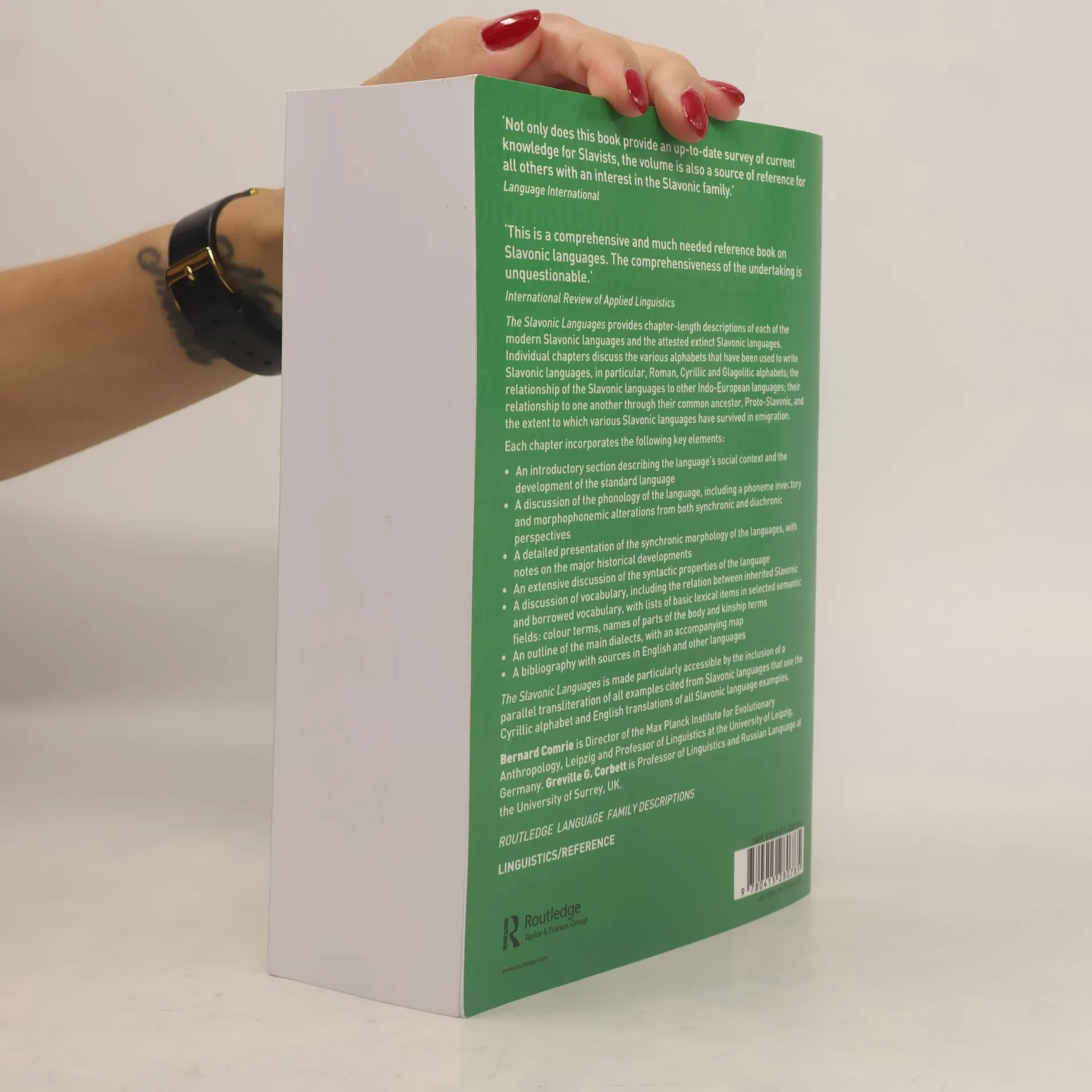
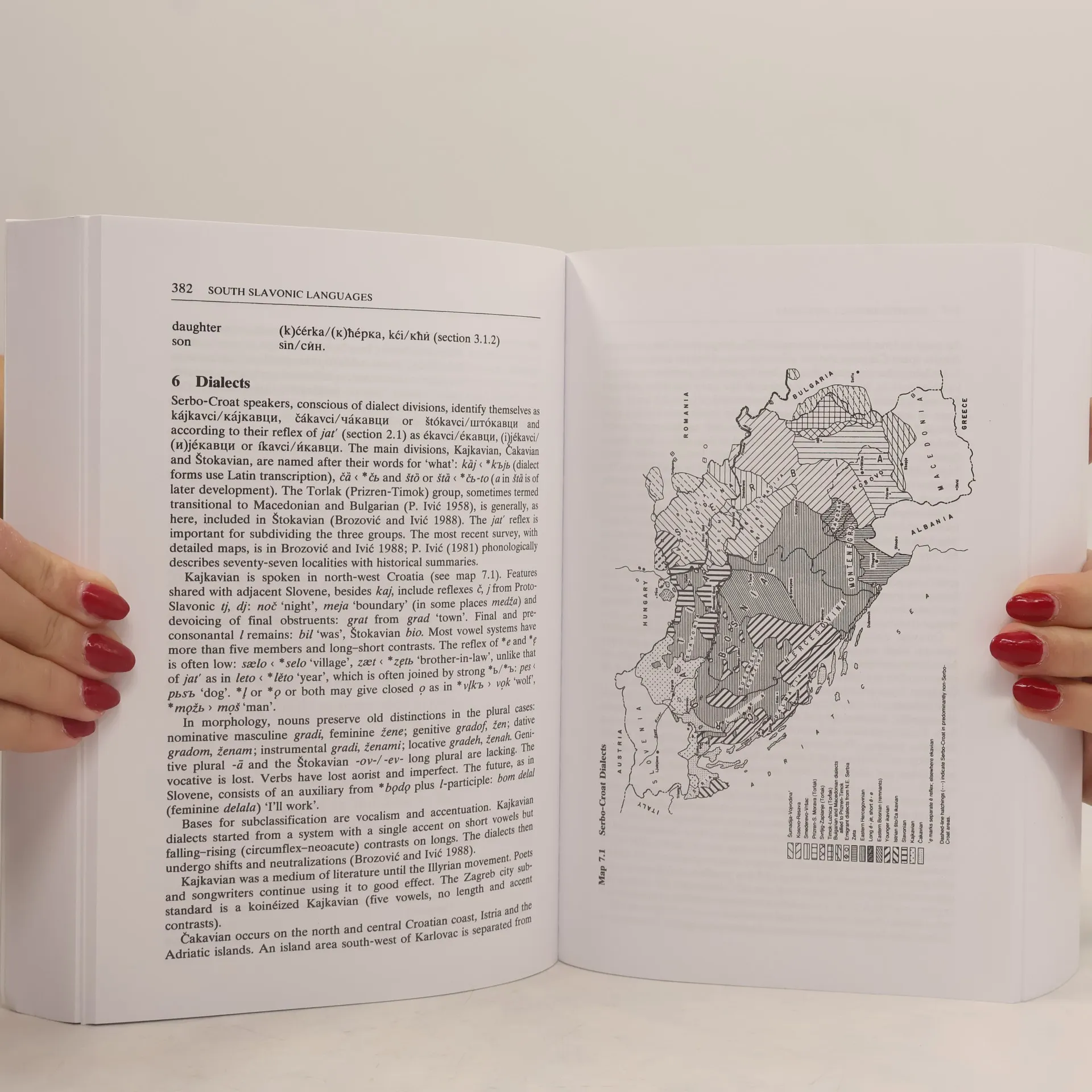
In this scholarly volume, each of the living Slavonic languages are analysed and described in depth, together with the two extinct languages - Old Church Slavonic and Polabian. In addition, the various alphabets of the Slavonic languages - particularly Roman, Cyrillic and Glagolitic - are discussed, and the relationships of the Slavonic languages to other Indo-European languages and to one another, are explored. The last chapter provides an account of those Slavonic languages in exile , for example, Russian, Ukrainian, Polish, Czech and Slovak in the USA.Each language-chapter is written by an expert in the field, in a format designed for comparative study. Information on each language an introductory description of social context and development (where appropriate); a discussion of phonology; a detailed presentation of synchronic morphology, noting major historical developments; comprehensive treatment of syntactic properties; a discussion of vocabulary; an outline of main dialects; and an extensive bibliography, listing English and other sources.
Achat du livre
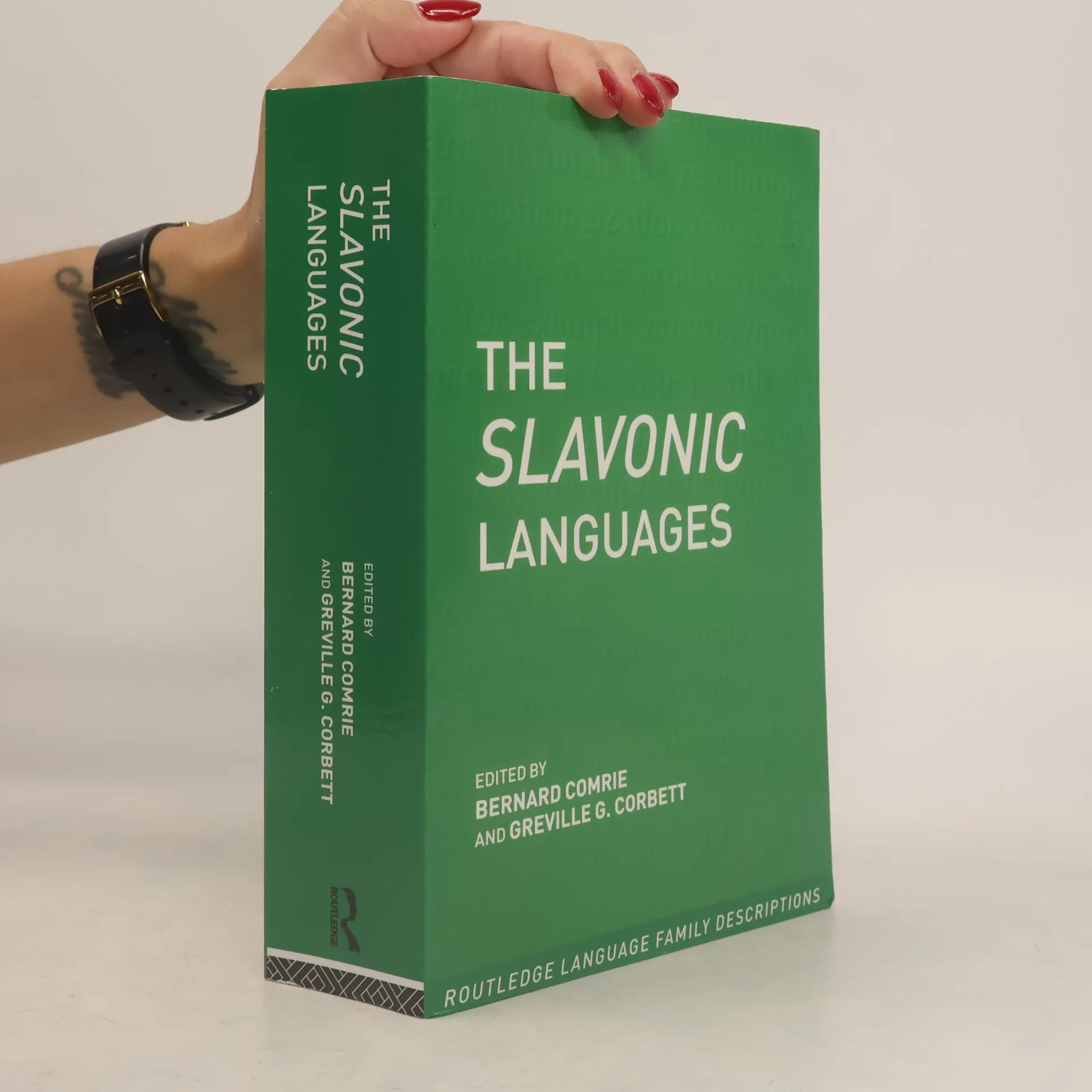
Routledge Language Family Descriptions: The Slavonic Languages, Bernard Comrie, Greville G. Corbett
- Langue

- Année de publication
- 2002
- Reliure
- (souple),
- État du livre
- Bon
- Prix
- 69,99 €
Modes de paiement
Personne n'a encore évalué .
- Titre
- Routledge Language Family Descriptions: The Slavonic Languages
- Langue
- Anglais
- Auteurs
- Bernard Comrie, Greville G. Corbett
- Éditeur
- Routledge
- Publié
- 2002
- Format
- souple
- Pages
- 1096
- ISBN10
- 0415280788
- ISBN13
- 9780415280785
- Séries
- Mots clés
- Manuels et guides, Encyclopédie, Manuels de langue, Littérature spécialisée, Russie, Linguistique, Journalisme et Publication, Sciences humaines, Sociolinguistique, Syntaxe, composition, ordre des mots, Phonologie, Langues slaves, Slavonique ecclésiastique
- Description
- In this scholarly volume, each of the living Slavonic languages are analysed and described in depth, together with the two extinct languages - Old Church Slavonic and Polabian. In addition, the various alphabets of the Slavonic languages - particularly Roman, Cyrillic and Glagolitic - are discussed, and the relationships of the Slavonic languages to other Indo-European languages and to one another, are explored. The last chapter provides an account of those Slavonic languages in exile , for example, Russian, Ukrainian, Polish, Czech and Slovak in the USA.Each language-chapter is written by an expert in the field, in a format designed for comparative study. Information on each language an introductory description of social context and development (where appropriate); a discussion of phonology; a detailed presentation of synchronic morphology, noting major historical developments; comprehensive treatment of syntactic properties; a discussion of vocabulary; an outline of main dialects; and an extensive bibliography, listing English and other sources.