

En savoir plus sur le livre
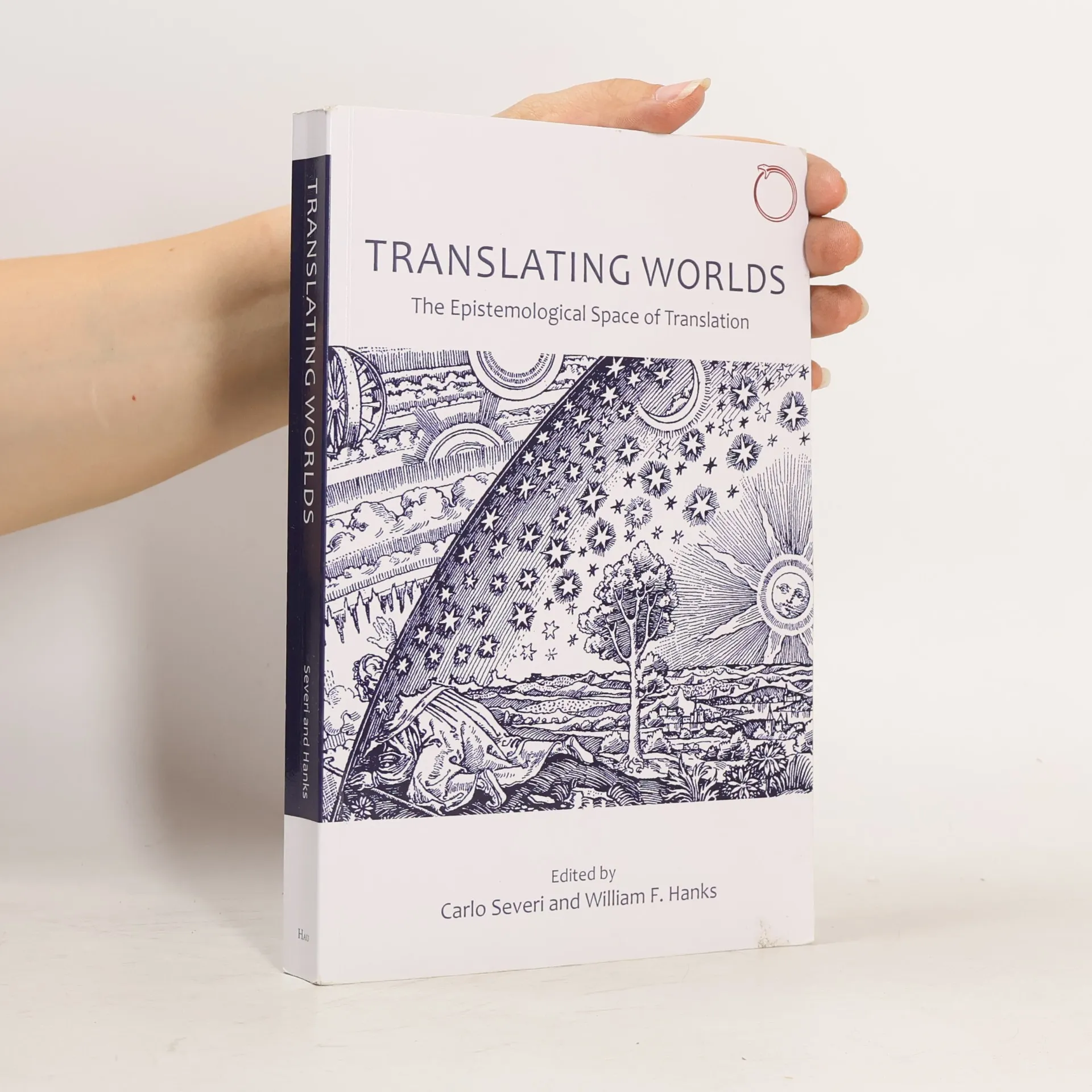
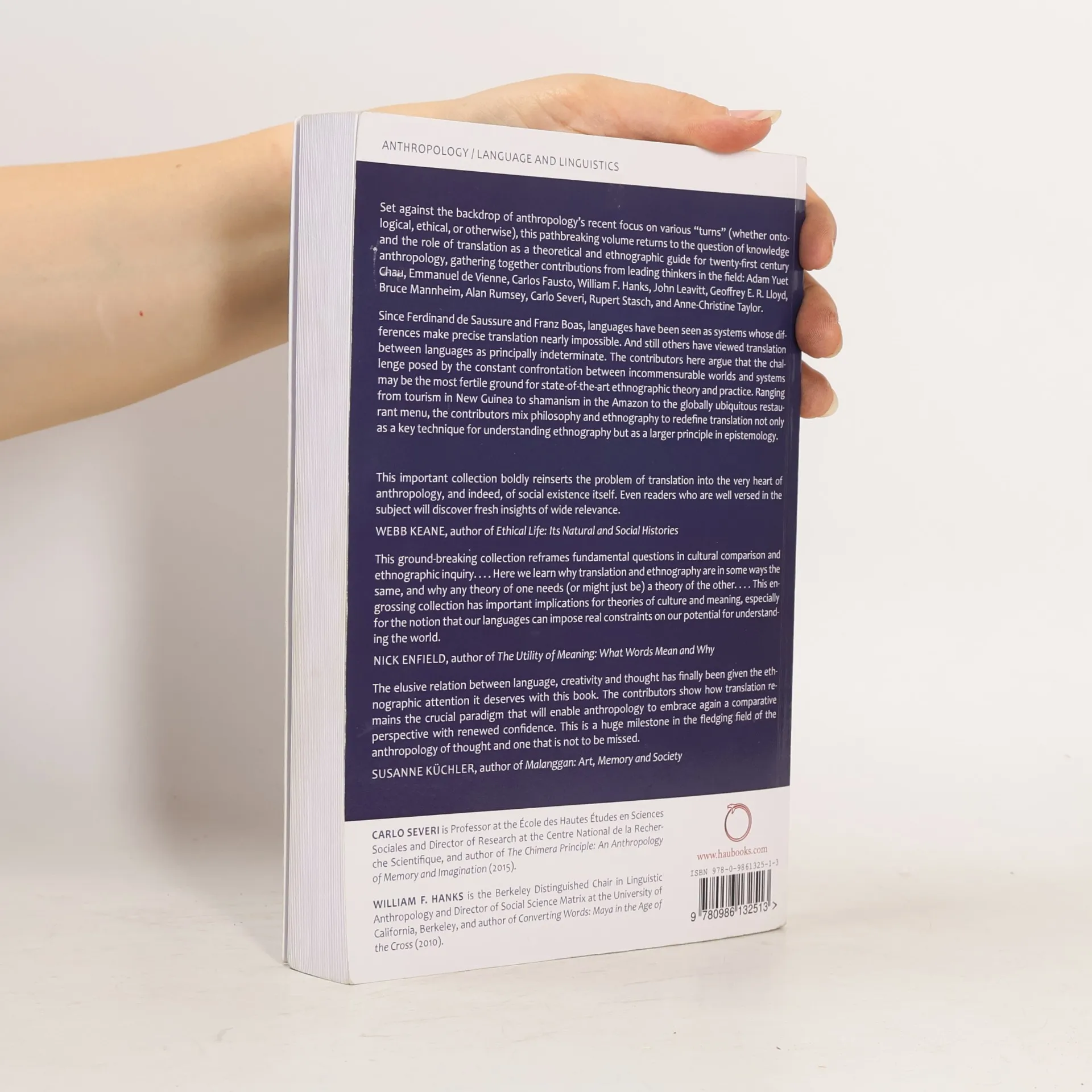
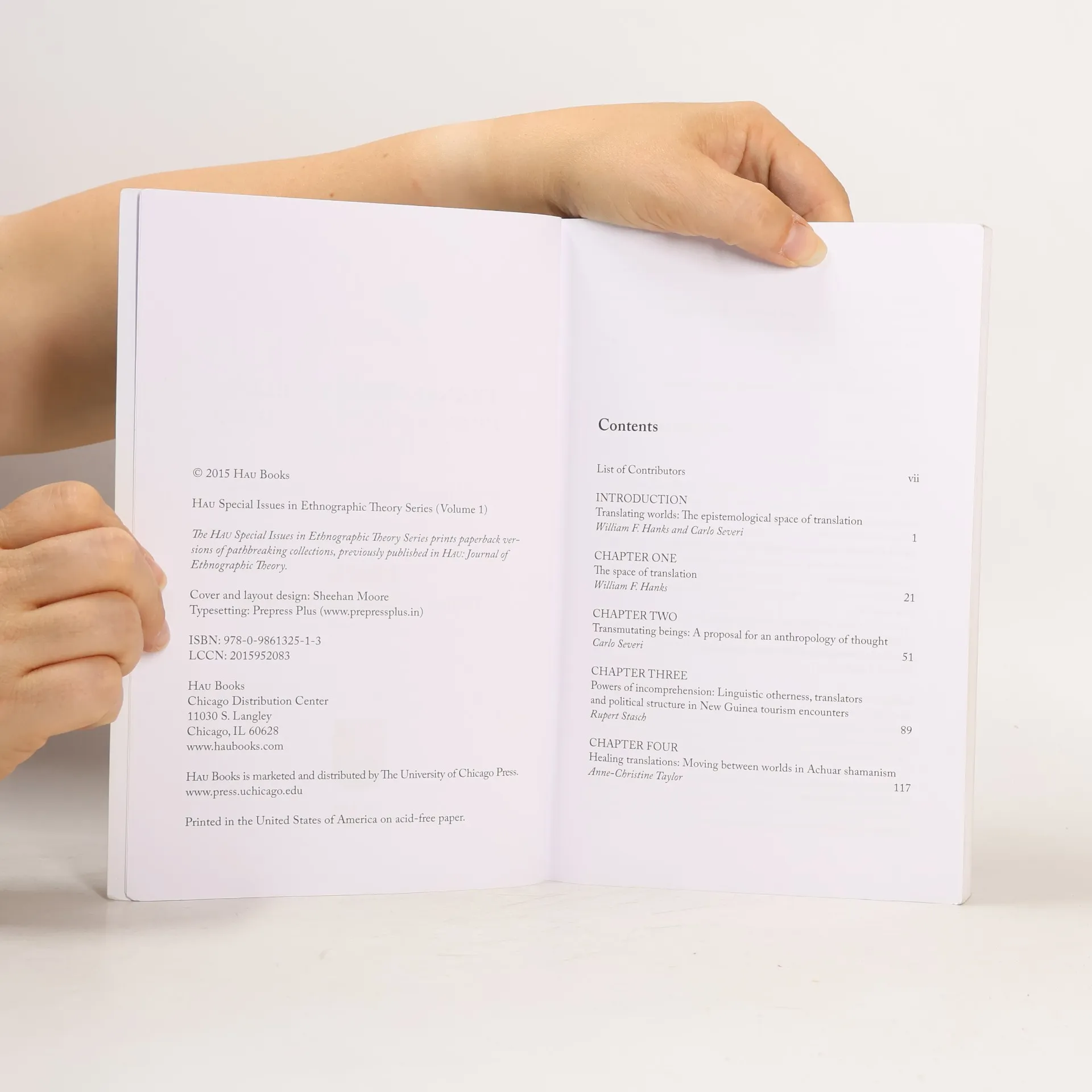
Set against the backdrop of anthropology’s recent focus on various “turns” (whether ontological, ethical, or otherwise), this pathbreaking volume returns to the question of knowledge and the role of translation as a theoretical and ethnographic guide for twenty-first century anthropology, gathering together contributions from leading thinkers in the field. Since Ferdinand de Saussure and Franz Boas, languages have been seen as systems whose differences make precise translation nearly impossible. And still others have viewed translation between languages as principally indeterminate. The contributors here argue that the challenge posed by the constant confrontation between incommensurable worlds and systems may be the most fertile ground for state-of-the-art ethnographic theory and practice. Ranging from tourism in New Guinea to shamanism in the Amazon to the globally ubiquitous restaurant menu, the contributors mix philosophy and ethnography to redefine translation not only as a key technique for understanding ethnography but as a larger principle in epistemology.
Achat du livre
Translating Worlds - The Epistemological Space of Translation, Carlo Severi, William F. Hanks
- Langue

- Année de publication
- 2015
- Reliure
- (souple),
- État du livre
- Abîmé
- Prix
- 22,89 €
Modes de paiement
Personne n'a encore évalué .
- Titre
- Translating Worlds - The Epistemological Space of Translation
- Langue
- Anglais
- Auteurs
- Carlo Severi, William F. Hanks
- Éditeur
- HAU
- Publié
- 2015
- Format
- souple
- Pages
- 338
- ISBN10
- 0986132519
- ISBN13
- 9780986132513
- Séries
- Mots clés
- Manuels universitaires, États-Unis, Linguistique, Ethnologie
- Description
- Set against the backdrop of anthropology’s recent focus on various “turns” (whether ontological, ethical, or otherwise), this pathbreaking volume returns to the question of knowledge and the role of translation as a theoretical and ethnographic guide for twenty-first century anthropology, gathering together contributions from leading thinkers in the field. Since Ferdinand de Saussure and Franz Boas, languages have been seen as systems whose differences make precise translation nearly impossible. And still others have viewed translation between languages as principally indeterminate. The contributors here argue that the challenge posed by the constant confrontation between incommensurable worlds and systems may be the most fertile ground for state-of-the-art ethnographic theory and practice. Ranging from tourism in New Guinea to shamanism in the Amazon to the globally ubiquitous restaurant menu, the contributors mix philosophy and ethnography to redefine translation not only as a key technique for understanding ethnography but as a larger principle in epistemology.