



En savoir plus sur le livre
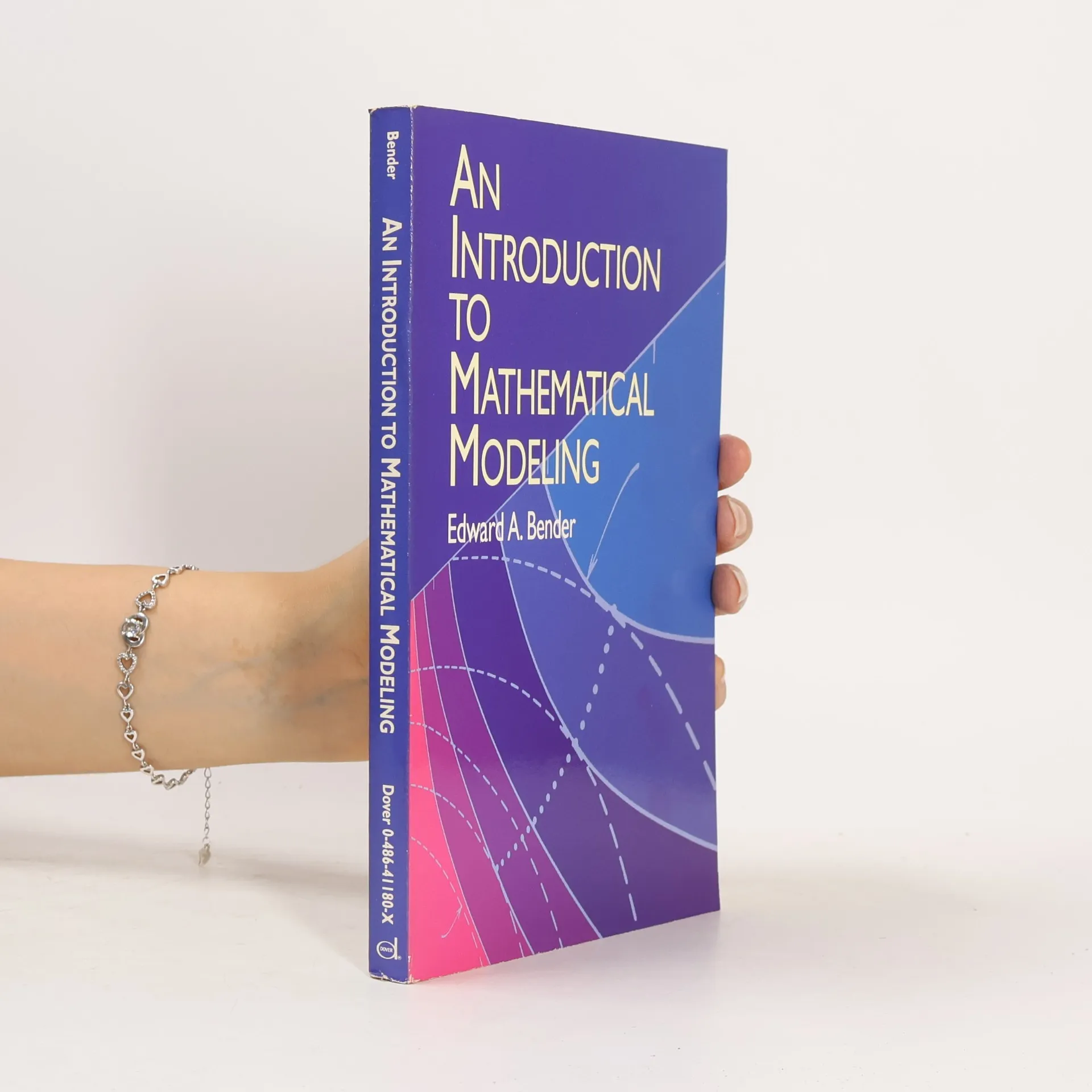
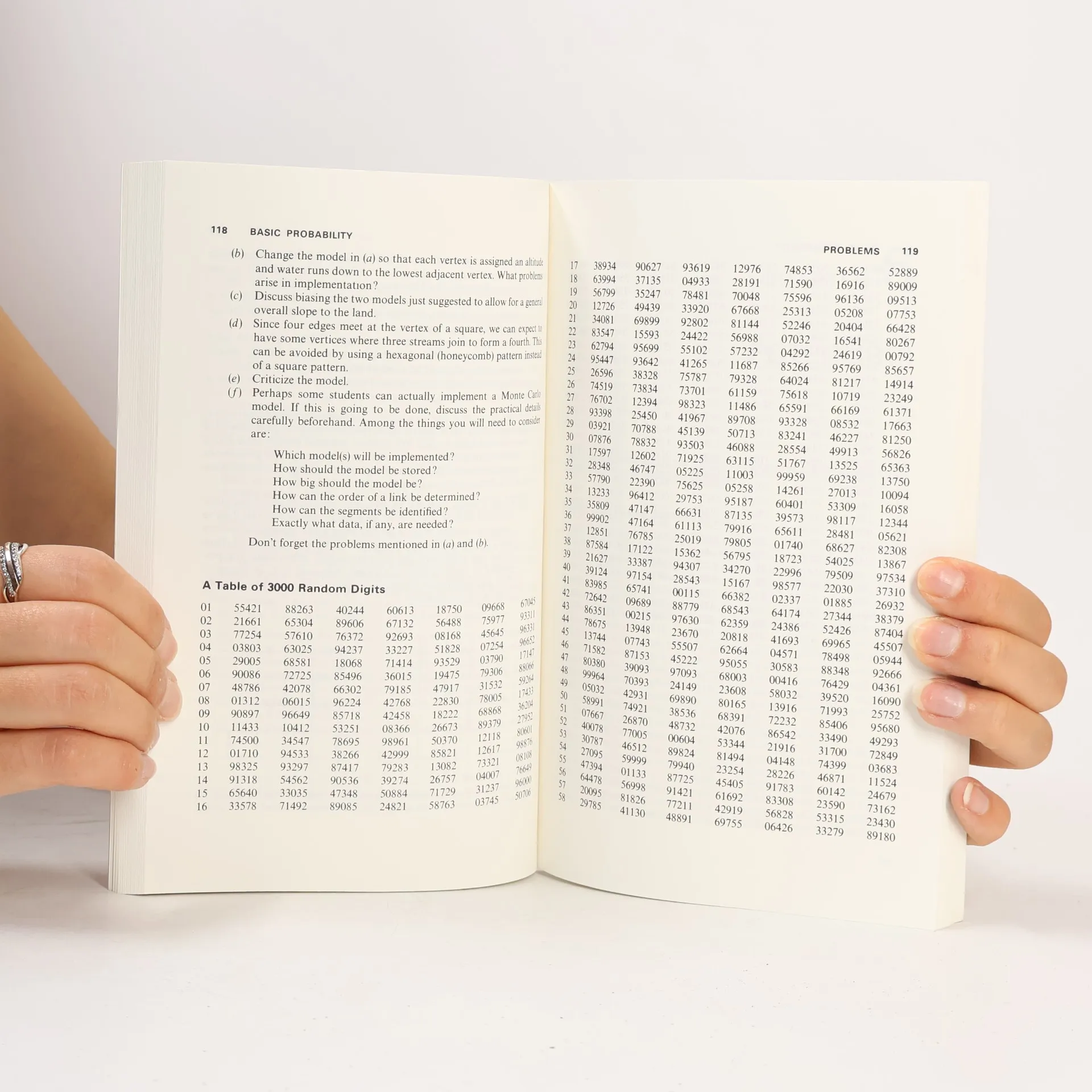
Employing a practical, "learn by doing" approach, this first-rate text fosters the development of the skills beyond the pure mathematics needed to set up and manipulate mathematical models. The author draws on a diversity of fields — including science, engineering, and operations research — to provide over 100 reality-based examples. Students learn from the examples by applying mathematical methods to formulate, analyze, and criticize models. Extensive documentation, consisting of over 150 references, supplements the models, encouraging further research on models of particular interest.The lively and accessible text requires only minimal scientific background. Designed for senior college or beginning graduate-level students, it assumes only elementary calculus and basic probability theory for the first part, and ordinary differential equations and continuous probability for the second section. All problems require students to study and create models, encouraging their active participation rather than a mechanical approach.Beyond the classroom, this volume will prove interesting and rewarding to anyone concerned with the development of mathematical models or the application of modeling to problem solving in a wide array of applications.
Achat du livre
Introduction to Mathematical Modelling, Edward A. Bender
- Langue

- Année de publication
- 2000
- Reliure
- (souple)
Modes de paiement
Personne n'a encore évalué .
- Titre
- Introduction to Mathematical Modelling
- Langue
- Anglais
- Auteurs
- Edward A. Bender
- Éditeur
- Dover Publications Inc.
- Publié
- 2000
- Format
- souple
- Pages
- 272
- ISBN10
- 048641180X
- ISBN13
- 9780486411804
- Séries
- Catégories
- Description
- Employing a practical, "learn by doing" approach, this first-rate text fosters the development of the skills beyond the pure mathematics needed to set up and manipulate mathematical models. The author draws on a diversity of fields — including science, engineering, and operations research — to provide over 100 reality-based examples. Students learn from the examples by applying mathematical methods to formulate, analyze, and criticize models. Extensive documentation, consisting of over 150 references, supplements the models, encouraging further research on models of particular interest.The lively and accessible text requires only minimal scientific background. Designed for senior college or beginning graduate-level students, it assumes only elementary calculus and basic probability theory for the first part, and ordinary differential equations and continuous probability for the second section. All problems require students to study and create models, encouraging their active participation rather than a mechanical approach.Beyond the classroom, this volume will prove interesting and rewarding to anyone concerned with the development of mathematical models or the application of modeling to problem solving in a wide array of applications.