

Exactement cet exemplaire ira dans le panier
Paramètres
- 276pages
- 10 heures de lecture
En savoir plus sur le livre
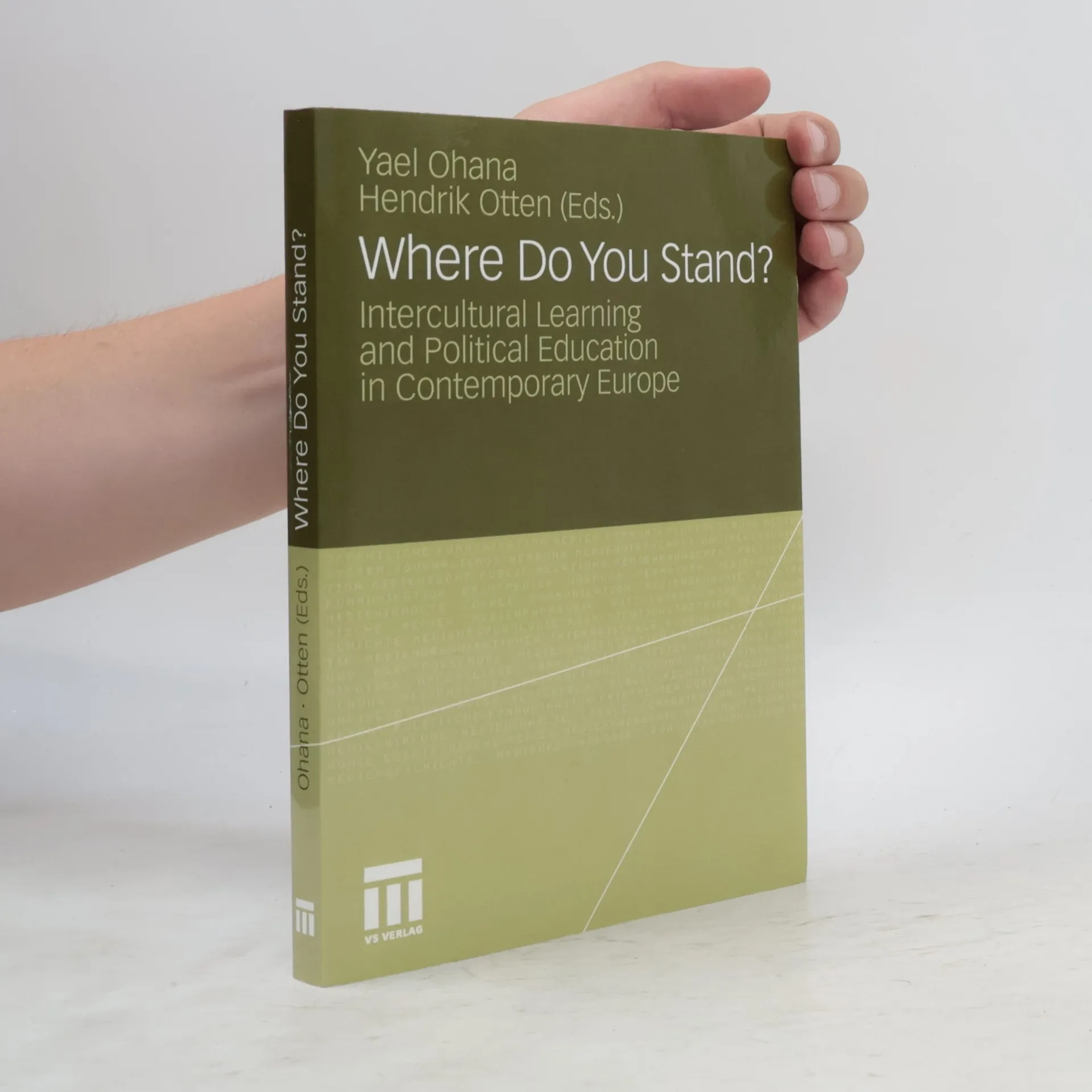
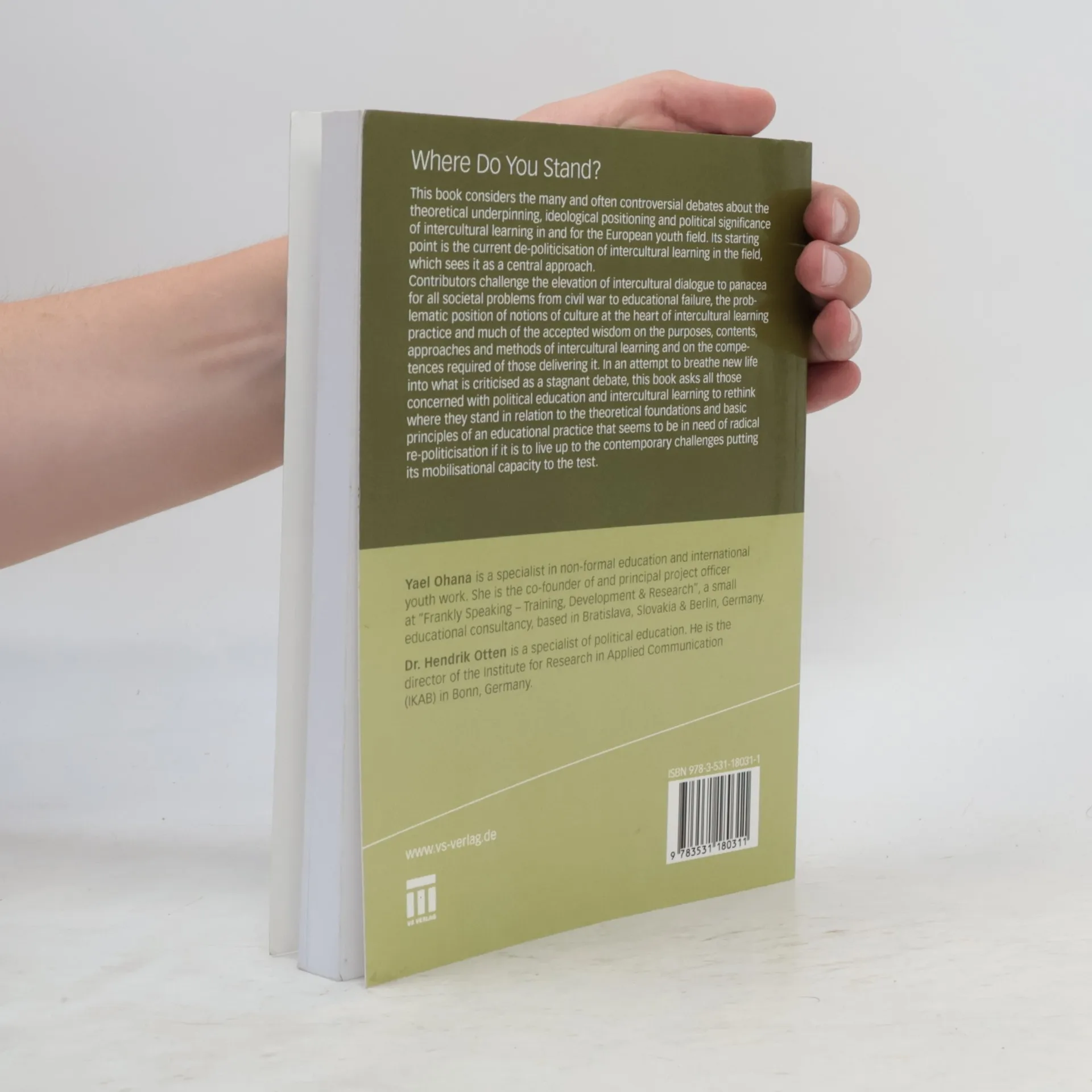
This publication takes up the many and often controversial debates about the nature, content, methods and political significance of intercultural learning in and for the European youth field. Its starting point is the current depoliticisation of intercultural learning in this field, and especially in the programmes of the European Commission and the Directorate of Youth and Sport of the Council of Europe over the last several years. At the same time, the elevation of “intercultural dialogue” to panacea for all societal problems, from civil war to educational failure, is putting the mobilisational value of intercultural learning to the test.
Achat du livre
Where do you stand?, Yael Ohana
- Langue

- Année de publication
- 2011
- Reliure
- (souple),
- État du livre
- Bon
- Prix
- 14,49 €
Modes de paiement
Personne n'a encore évalué .
- Titre
- Where do you stand?
- Sous-titre
- Intercultural Learning and Political Education in Contemporary Europe
- Langue
- Anglais
- Auteurs
- Yael Ohana
- Éditeur
- VS-Verl.
- Publié
- 2011
- Format
- souple
- Pages
- 276
- ISBN10
- 3531180312
- ISBN13
- 9783531180311
- Séries
- Catégories
- Mots clés
- Autres manuels scolaires, Politique, Éducation, système scolaire, Europe, Linguistique, Théories politiques, Éthique, Médias et communication médiatique, Histoire du 20e siècle, Europe de l'Ouest, Droits de l'homme, Éducation multiculturelle
- Description
- This publication takes up the many and often controversial debates about the nature, content, methods and political significance of intercultural learning in and for the European youth field. Its starting point is the current depoliticisation of intercultural learning in this field, and especially in the programmes of the European Commission and the Directorate of Youth and Sport of the Council of Europe over the last several years. At the same time, the elevation of “intercultural dialogue” to panacea for all societal problems, from civil war to educational failure, is putting the mobilisational value of intercultural learning to the test.