


Paramètres
- 392pages
- 14 heures de lecture
En savoir plus sur le livre
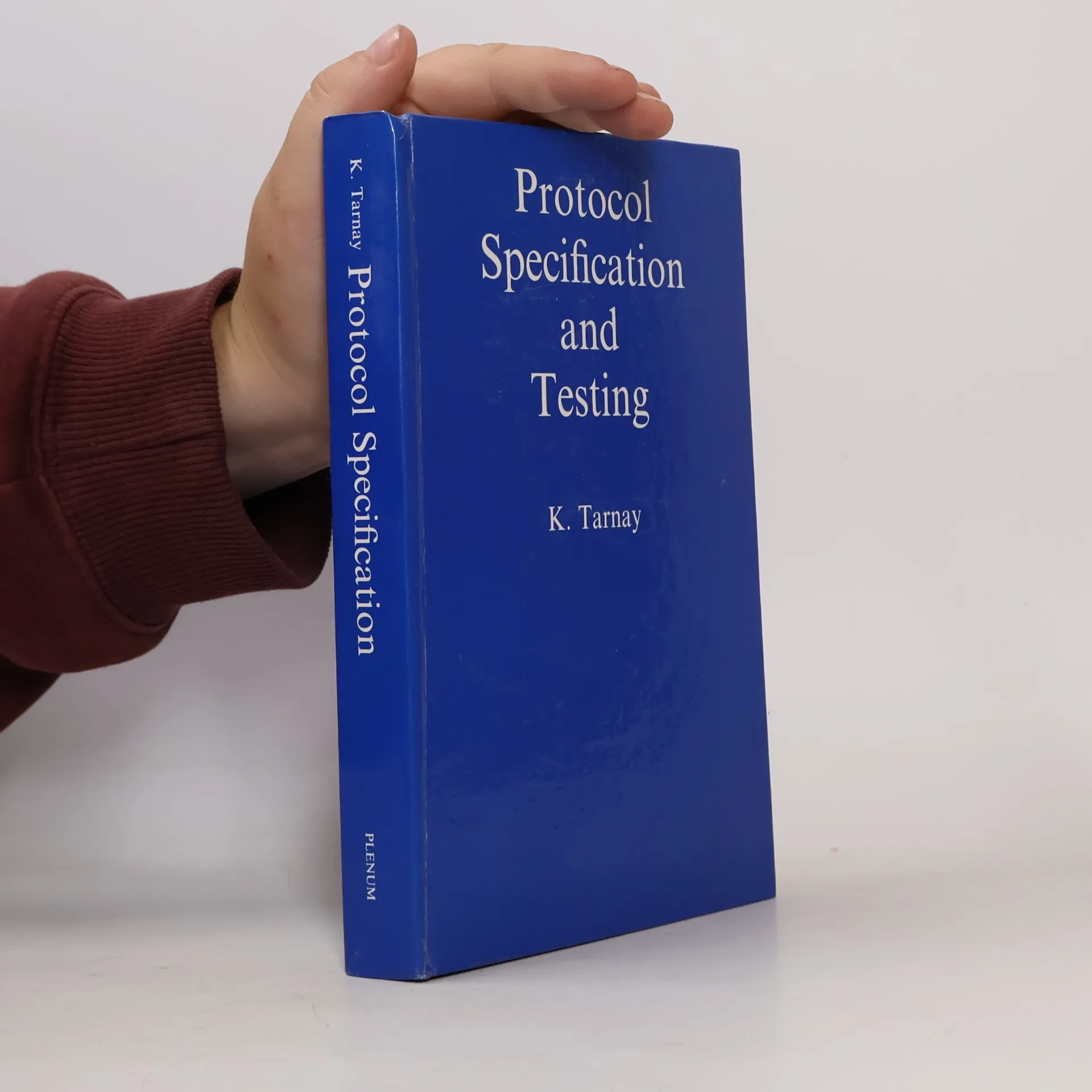
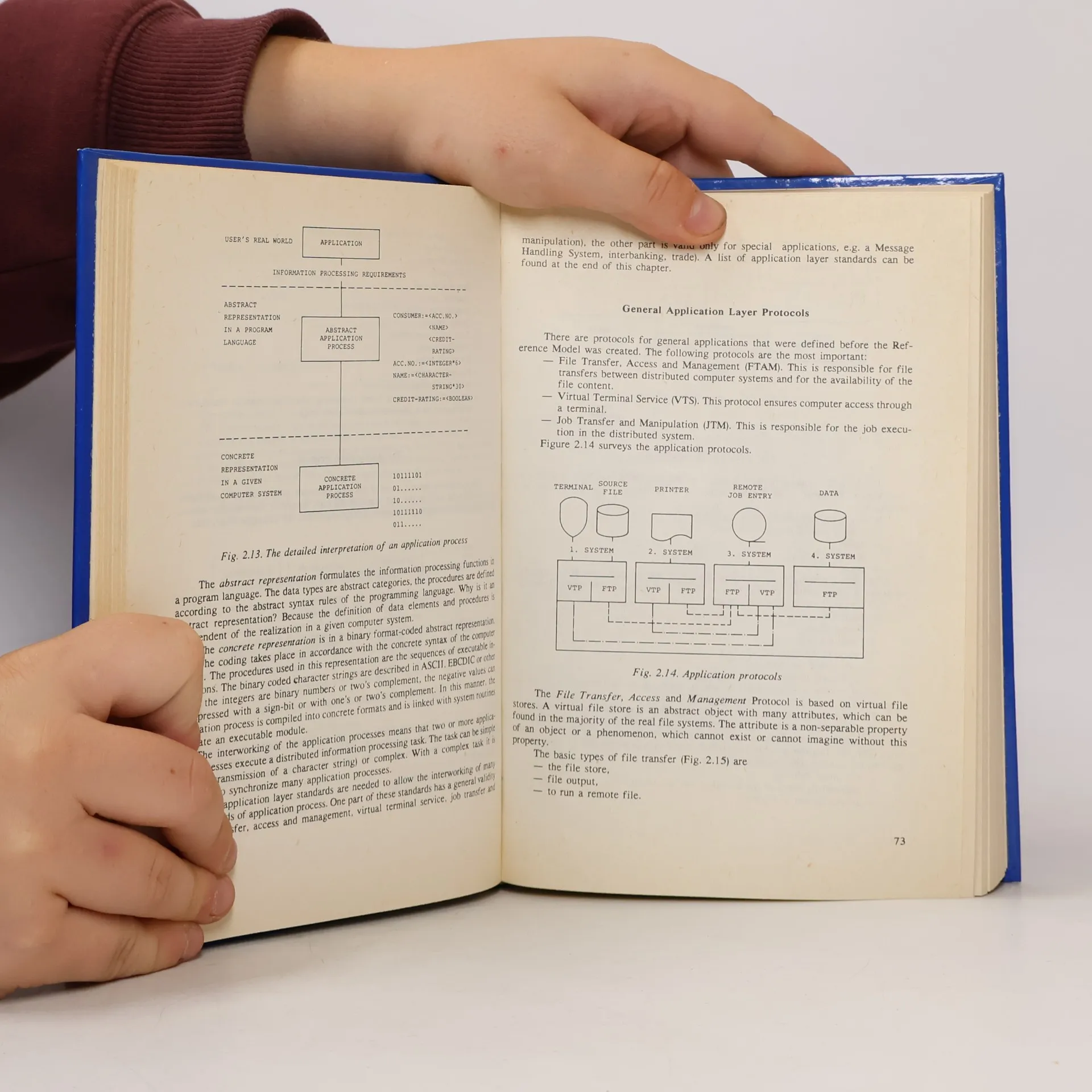
The growing prevalence of computer networks has sparked interest in their construction and applications. Central to this is the concept of protocols, defined as the rules that facilitate communication among functional units. This work adopts a practical approach to protocol specification and testing while clearly presenting the necessary theoretical foundations. Its main objectives are to familiarize readers with communication protocols, introduce formal description techniques, and apply these techniques to protocol specification and testing. The primary audience includes protocol developers, users, and those utilizing protocol testers, making it suitable for postgraduate and university courses on communication networks and data communication. Additionally, a significant portion of the book offers insights for managers, with particular relevance for postal organizations. The content is divided into three parts: the first covers the OSI Reference Model, frequently used protocols, and the basics of protocol testing; the second focuses on methods for protocol specification, generation, and testing, discussing finite-state machines, formal grammars, Petri nets, and specification languages like SDL, ESTELLE, and LOTOS; the third part addresses various applications.
Achat du livre
Protocol Specification and Testing, Katalin Tarnay
- Langue

- Année de publication
- 1991
- Reliure
- (rigide)
Modes de paiement
Personne n'a encore évalué .
- Titre
- Protocol Specification and Testing
- Langue
- Anglais
- Auteurs
- Katalin Tarnay
- Publié
- 1991
- Format
- rigide
- Pages
- 392
- ISBN10
- 0306435748
- ISBN13
- 9780306435744
- Séries
- Description
- The growing prevalence of computer networks has sparked interest in their construction and applications. Central to this is the concept of protocols, defined as the rules that facilitate communication among functional units. This work adopts a practical approach to protocol specification and testing while clearly presenting the necessary theoretical foundations. Its main objectives are to familiarize readers with communication protocols, introduce formal description techniques, and apply these techniques to protocol specification and testing. The primary audience includes protocol developers, users, and those utilizing protocol testers, making it suitable for postgraduate and university courses on communication networks and data communication. Additionally, a significant portion of the book offers insights for managers, with particular relevance for postal organizations. The content is divided into three parts: the first covers the OSI Reference Model, frequently used protocols, and the basics of protocol testing; the second focuses on methods for protocol specification, generation, and testing, discussing finite-state machines, formal grammars, Petri nets, and specification languages like SDL, ESTELLE, and LOTOS; the third part addresses various applications.