

En savoir plus sur le livre
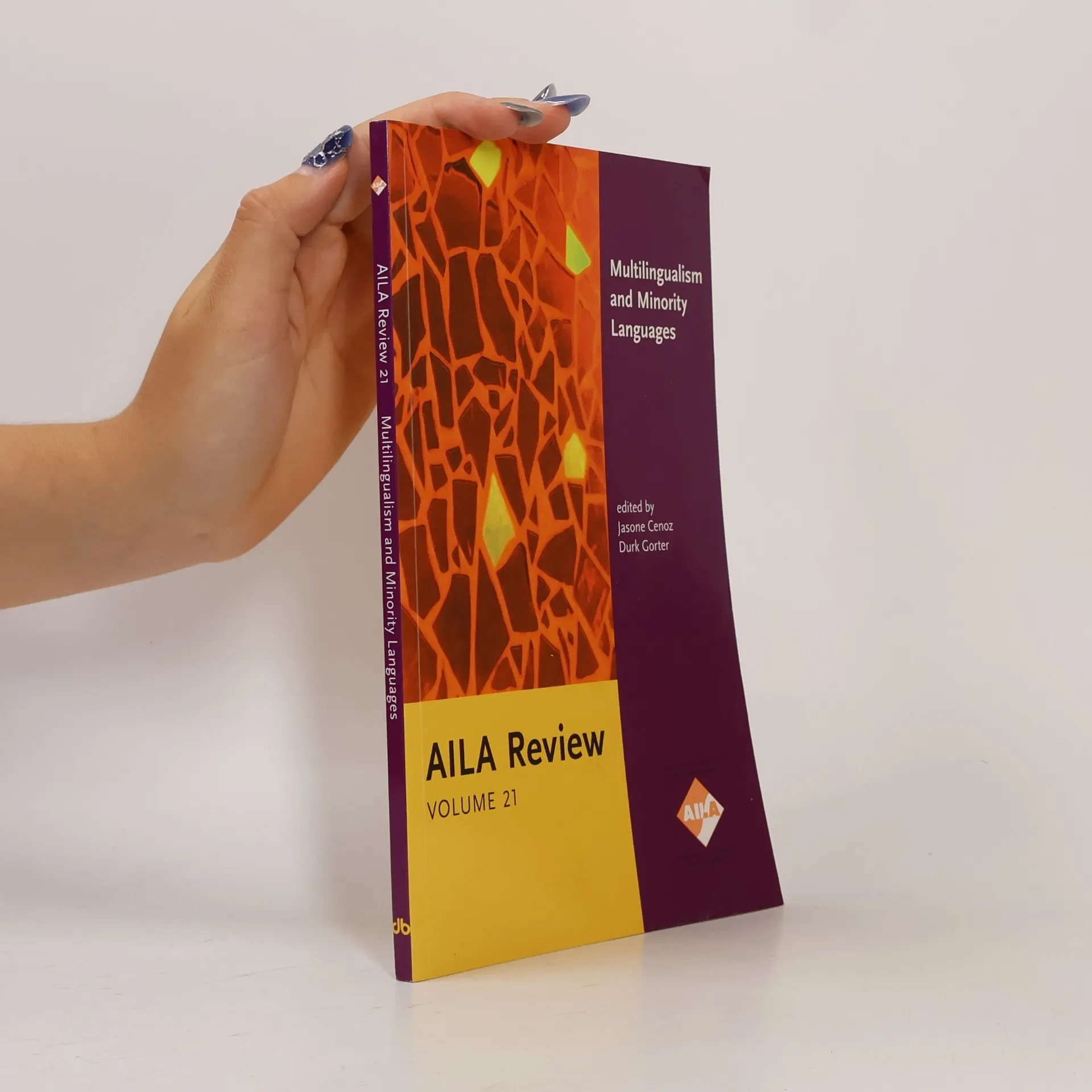
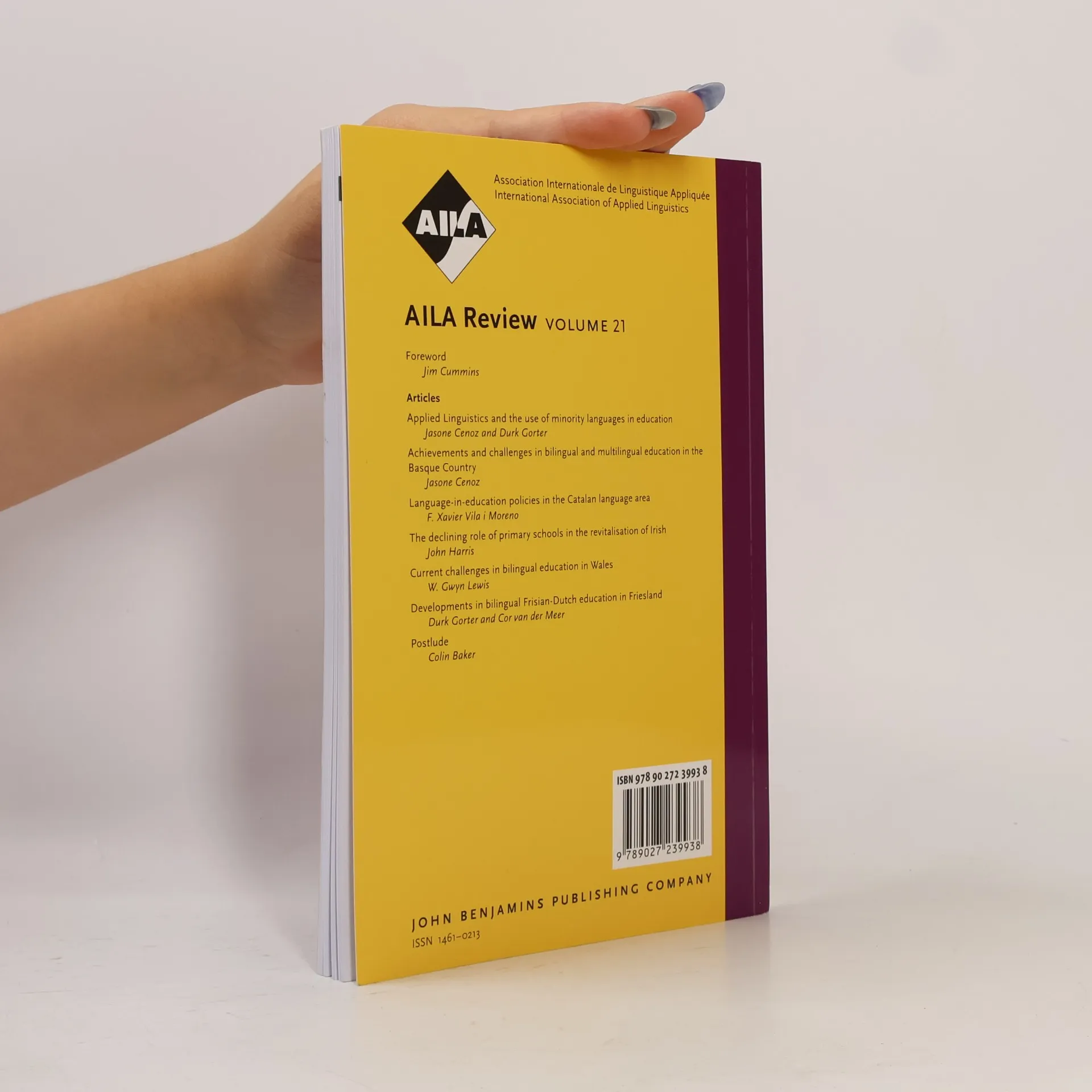
This volume includes research by specialists in minority languages and multilingual education from five European regions (Basque Country, Catalonia, Friesland, Ireland and Wales). In their educational contexts, the minority languages discussed are in contact with other, stronger languages which are majority languages in each of the regions (Spanish in the Basque Country and Catalonia, Dutch in Friesland, English in Ireland and Wales) and also with further languages of international communication. This issue of AILA Review analyzes the results of research conducted on bilingual and multilingual programs in which a ´unique´ minority language is used as one of the languages of instruction. Specifically it looks at the results of research studies on proficiency in the majority, minority and other languages, academic outcomes and attitudes. It also examines challenges of teaching through a minority language in a changing world facing globalization, immigration as well as the spread of English. These minority language programs have their own characteristics but their analysis and evaluation provide useful information for other languages in similar situations.
Achat du livre
Multilingualism and Minority Languages, Durk Gorter, Jasone Cenoz
- Langue

- Année de publication
- 2008
- Reliure
- (souple),
- État du livre
- Très bon
- Prix
- 2,79 €
Modes de paiement
Personne n'a encore évalué .
- Titre
- Multilingualism and Minority Languages
- Sous-titre
- Achievements and challenges in education. AILA Review, Volume 21
- Langue
- Anglais
- Auteurs
- Durk Gorter, Jasone Cenoz
- Publié
- 2008
- Format
- souple
- Pages
- 120
- ISBN10
- 9027239932
- ISBN13
- 9789027239938
- Séries
- Mots clés
- Linguistique
- Description
- This volume includes research by specialists in minority languages and multilingual education from five European regions (Basque Country, Catalonia, Friesland, Ireland and Wales). In their educational contexts, the minority languages discussed are in contact with other, stronger languages which are majority languages in each of the regions (Spanish in the Basque Country and Catalonia, Dutch in Friesland, English in Ireland and Wales) and also with further languages of international communication. This issue of AILA Review analyzes the results of research conducted on bilingual and multilingual programs in which a ´unique´ minority language is used as one of the languages of instruction. Specifically it looks at the results of research studies on proficiency in the majority, minority and other languages, academic outcomes and attitudes. It also examines challenges of teaching through a minority language in a changing world facing globalization, immigration as well as the spread of English. These minority language programs have their own characteristics but their analysis and evaluation provide useful information for other languages in similar situations.