



En savoir plus sur le livre
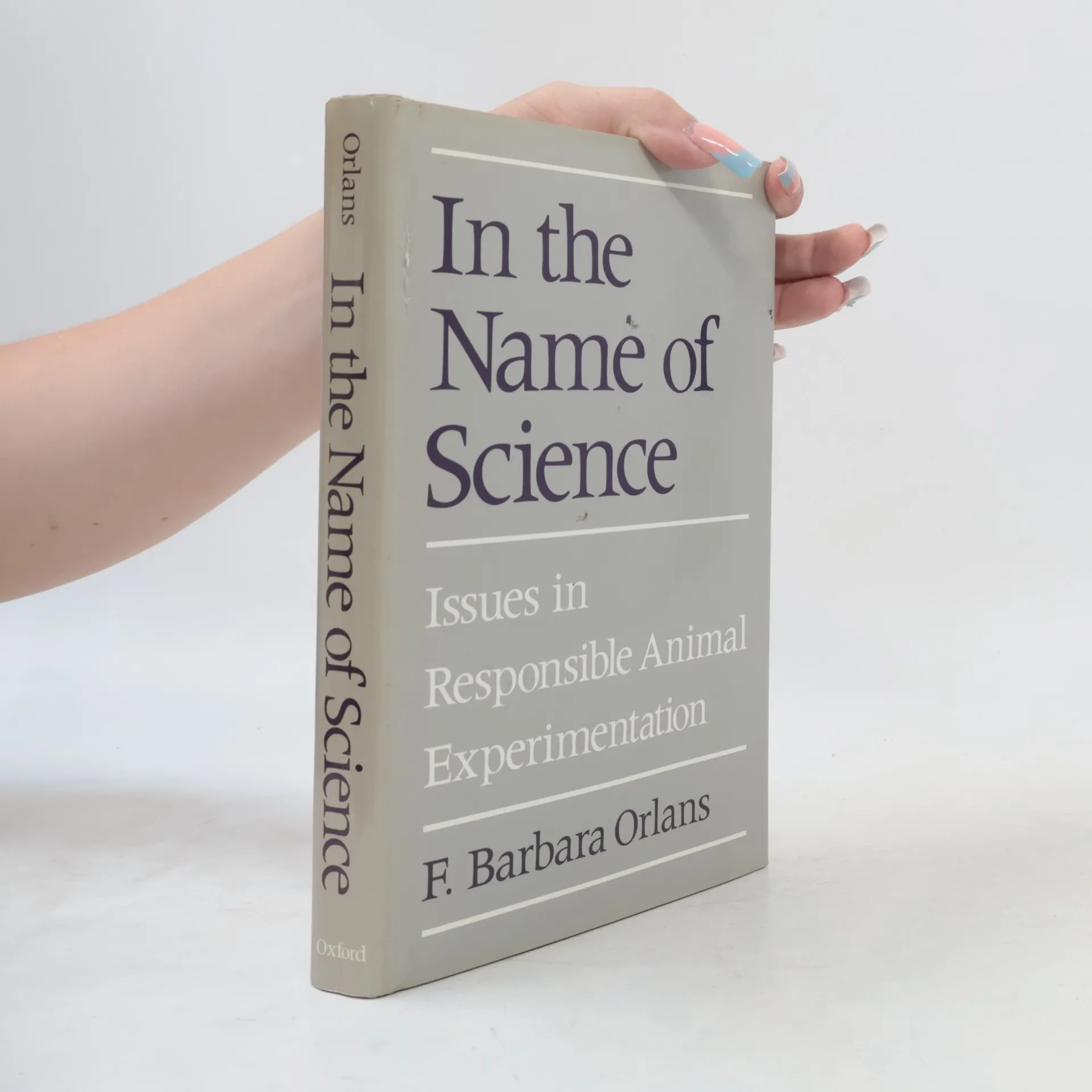
Few arguments in biomedical experimentation have stirred such heated debate in recent years as those raised by animal research. In this comprehensive analysis of the social, political, and ethical conflicts surrounding the use of animals in scientific experiments, F. Barbara Orlans judges both ends of the spectrum in this debate - unconditional approval or rejection of animal experimentation - to be untenable. Instead of arguing for either view, she thoughtfully explores the ground between the extremes, and convincingly makes the case for public policy reforms that serve to improve the welfare of laboratory animals without jeopardizing scientific endeavor. This book presents controversial issues in a balanced manner based on careful historical analysis and original research. Different mechanisms of oversight for animal experiments are compared and those that have worked well are identified. This compelling work will be of interest to biomedical scientists, ethicists, animal welfare advocates and other readers concerned with this critical issue.
Achat du livre
In the Name of Science, F. Barbara Orlans
- Langue

- Année de publication
- 1993
- Reliure
- (rigide),
- État du livre
- Bon
- Prix
- 3,99 €
Modes de paiement
Personne n'a encore évalué .
- Titre
- In the Name of Science
- Sous-titre
- Issues in Responsible Animal Experimentation
- Langue
- Anglais
- Auteurs
- F. Barbara Orlans
- Éditeur
- Oxford University Press
- Publié
- 1993
- Format
- rigide
- Pages
- 297
- ISBN10
- 0195070437
- ISBN13
- 9780195070439
- Séries
- Catégories
- Mots clés
- Thématique philosophique, Science, États-Unis, Médecine
- Description
- Few arguments in biomedical experimentation have stirred such heated debate in recent years as those raised by animal research. In this comprehensive analysis of the social, political, and ethical conflicts surrounding the use of animals in scientific experiments, F. Barbara Orlans judges both ends of the spectrum in this debate - unconditional approval or rejection of animal experimentation - to be untenable. Instead of arguing for either view, she thoughtfully explores the ground between the extremes, and convincingly makes the case for public policy reforms that serve to improve the welfare of laboratory animals without jeopardizing scientific endeavor. This book presents controversial issues in a balanced manner based on careful historical analysis and original research. Different mechanisms of oversight for animal experiments are compared and those that have worked well are identified. This compelling work will be of interest to biomedical scientists, ethicists, animal welfare advocates and other readers concerned with this critical issue.