

Paramètres
- 432pages
- 16 heures de lecture
En savoir plus sur le livre
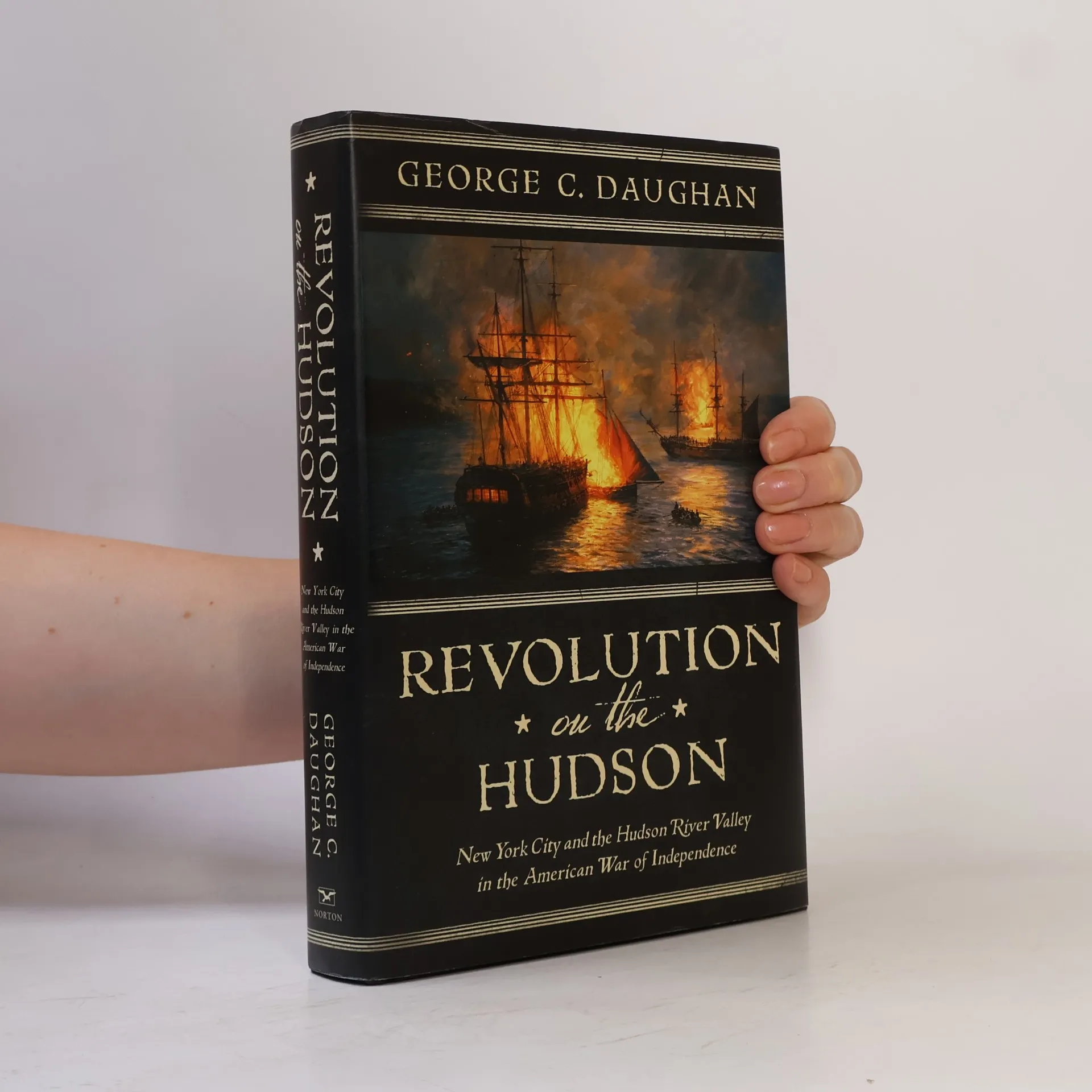
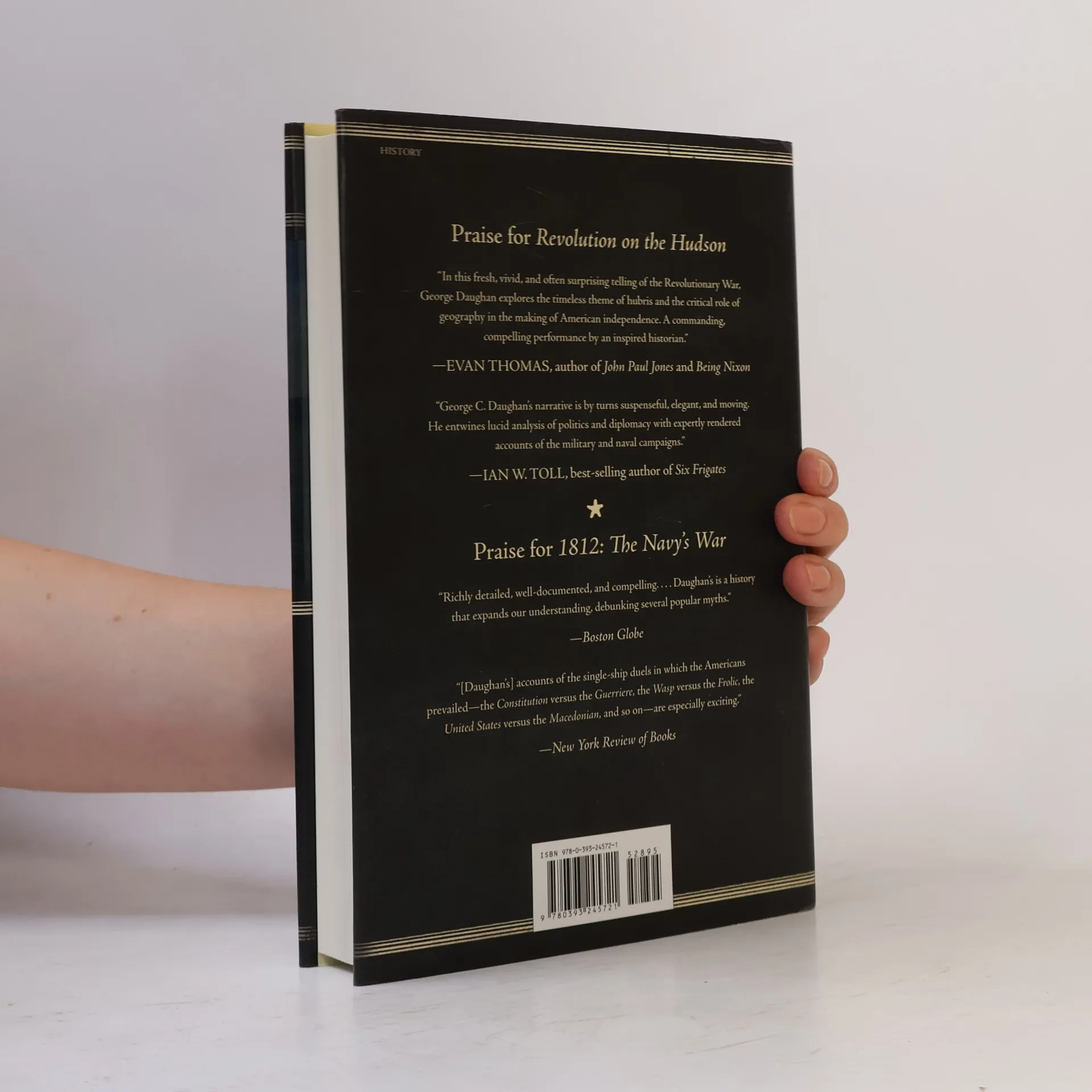
No part of the country was more contested during the American Revolution than New York City and its surroundings. Military leaders of the time—and generations of scholars since—believed that the Hudson River Valley was America’s geographic jugular, which, if cut, would quickly bleed the rebellion to death. In Revolution on the Hudson, prize-winning historian George C. Daughan makes the daring new argument that this strategy would never have worked, and that dogged pursuit of dominance over the Hudson ultimately cost Britain the war. This groundbreaking naval history offers a thrilling response to one of our most vexing historical questions: How could a fledgling nation have defeated the most powerful war machine of the era?
Achat du livre
Revolution on the Hudson, George C. Daughan
- Langue

- Année de publication
- 2016
- Reliure
- (rigide)
Modes de paiement
Personne n'a encore évalué .
- Titre
- Revolution on the Hudson
- Sous-titre
- New York City and the Hudson River Valley in the American War of Independence
- Langue
- Anglais
- Auteurs
- George C. Daughan
- Éditeur
- W. W. Norton & Company
- Publié
- 2016
- Format
- rigide
- Pages
- 432
- ISBN10
- 0393245721
- ISBN13
- 9780393245721
- Séries
- Catégories
- Mots clés
- Thème historique, États-Unis, New York, Histoire des États-Unis, XVIIIe siècle, Révolution américaine
- Description
- No part of the country was more contested during the American Revolution than New York City and its surroundings. Military leaders of the time—and generations of scholars since—believed that the Hudson River Valley was America’s geographic jugular, which, if cut, would quickly bleed the rebellion to death. In Revolution on the Hudson, prize-winning historian George C. Daughan makes the daring new argument that this strategy would never have worked, and that dogged pursuit of dominance over the Hudson ultimately cost Britain the war. This groundbreaking naval history offers a thrilling response to one of our most vexing historical questions: How could a fledgling nation have defeated the most powerful war machine of the era?