

En savoir plus sur le livre
Thomas Love Peacock is literature's perfect individualist.He has points in common with Aristophanes, Plato, Rabelais, Voltaire, and even Aldous Huxley, but resembles none of them; we can talk of the satirical novel of ideas, but his satire is too cheery and good-natured, his novel too rambling, and his ideas too jovially destructive for the label to stick.A romantic in his youth and a friend of Shelley, he happily made hay of the romantic movement in Nightmare Abbey, clamping Coleridge, Byron, and Shelley himself in a kind of painless pillory. And in Crotchet Castle he did no less for the political economists, pitting his gifts of exaggeration and ridicule against scientific progress and March of Mind. Yet the romantic in him never died: the long, witty, and indecisive talk of his characters is set in wild, natural scenery which Peacock describes with true feeling.
Achat du livre
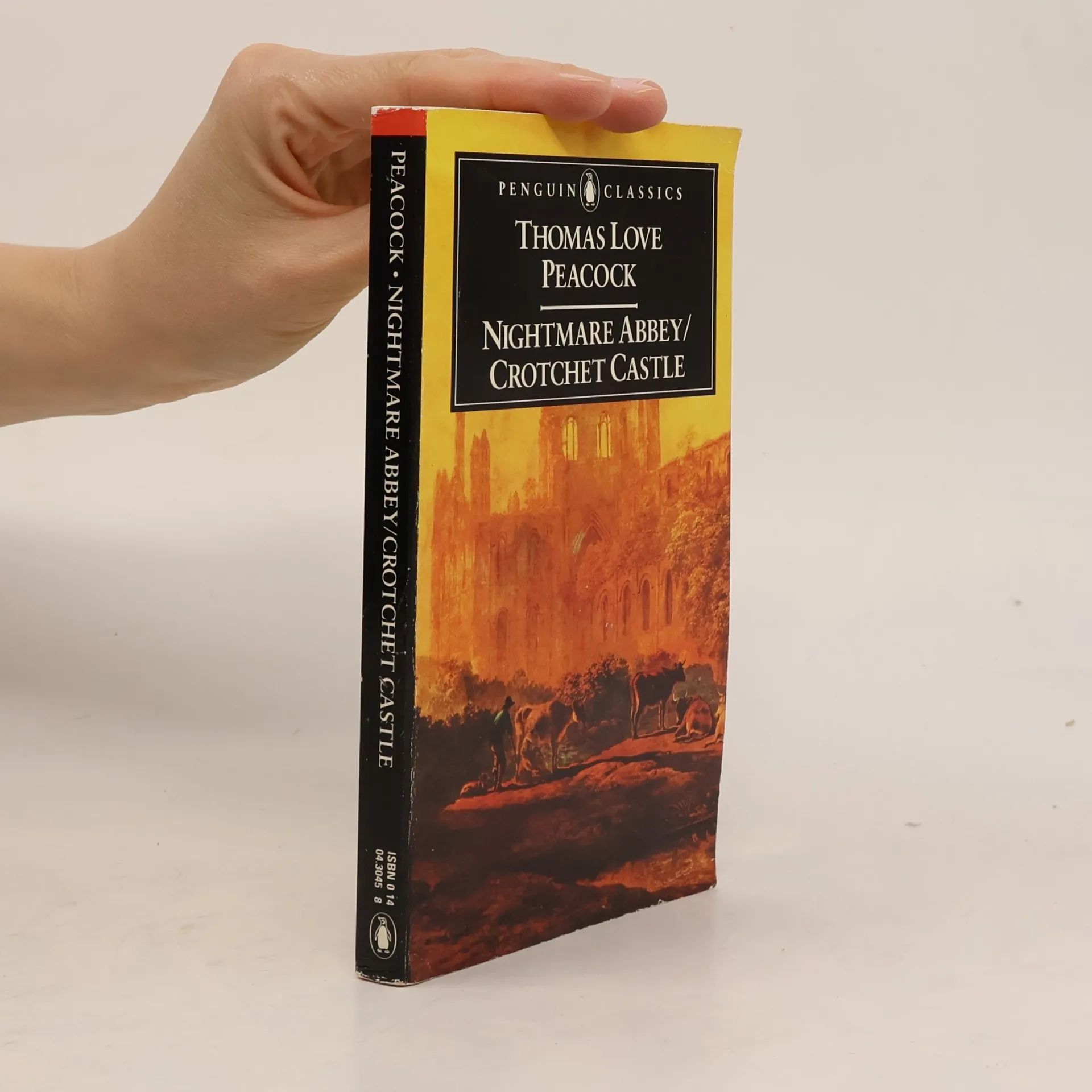
Penguin Classics: Nightmare Abbey & Crotchet Castle, Thomas Love Peacock, Raymond Wright
- Langue
- Année de publication
- 1986
- Reliure
- (souple)
Modes de paiement
Personne n'a encore évalué .
- Titre
- Penguin Classics: Nightmare Abbey & Crotchet Castle
- Auteurs
- Thomas Love Peacock, Raymond Wright
- Éditeur
- Penguin Publishing Group
- Publié
- 1986
- Format
- souple
- Pages
- 283
- ISBN10
- 0140430458
- ISBN13
- 9780140430455
- Séries
- Catégories
- Mots clés
- Littérature britannique, 19e siècle, Gothique
- Description
- Thomas Love Peacock is literature's perfect individualist.He has points in common with Aristophanes, Plato, Rabelais, Voltaire, and even Aldous Huxley, but resembles none of them; we can talk of the satirical novel of ideas, but his satire is too cheery and good-natured, his novel too rambling, and his ideas too jovially destructive for the label to stick.A romantic in his youth and a friend of Shelley, he happily made hay of the romantic movement in Nightmare Abbey, clamping Coleridge, Byron, and Shelley himself in a kind of painless pillory. And in Crotchet Castle he did no less for the political economists, pitting his gifts of exaggeration and ridicule against scientific progress and March of Mind. Yet the romantic in him never died: the long, witty, and indecisive talk of his characters is set in wild, natural scenery which Peacock describes with true feeling.