



En savoir plus sur le livre
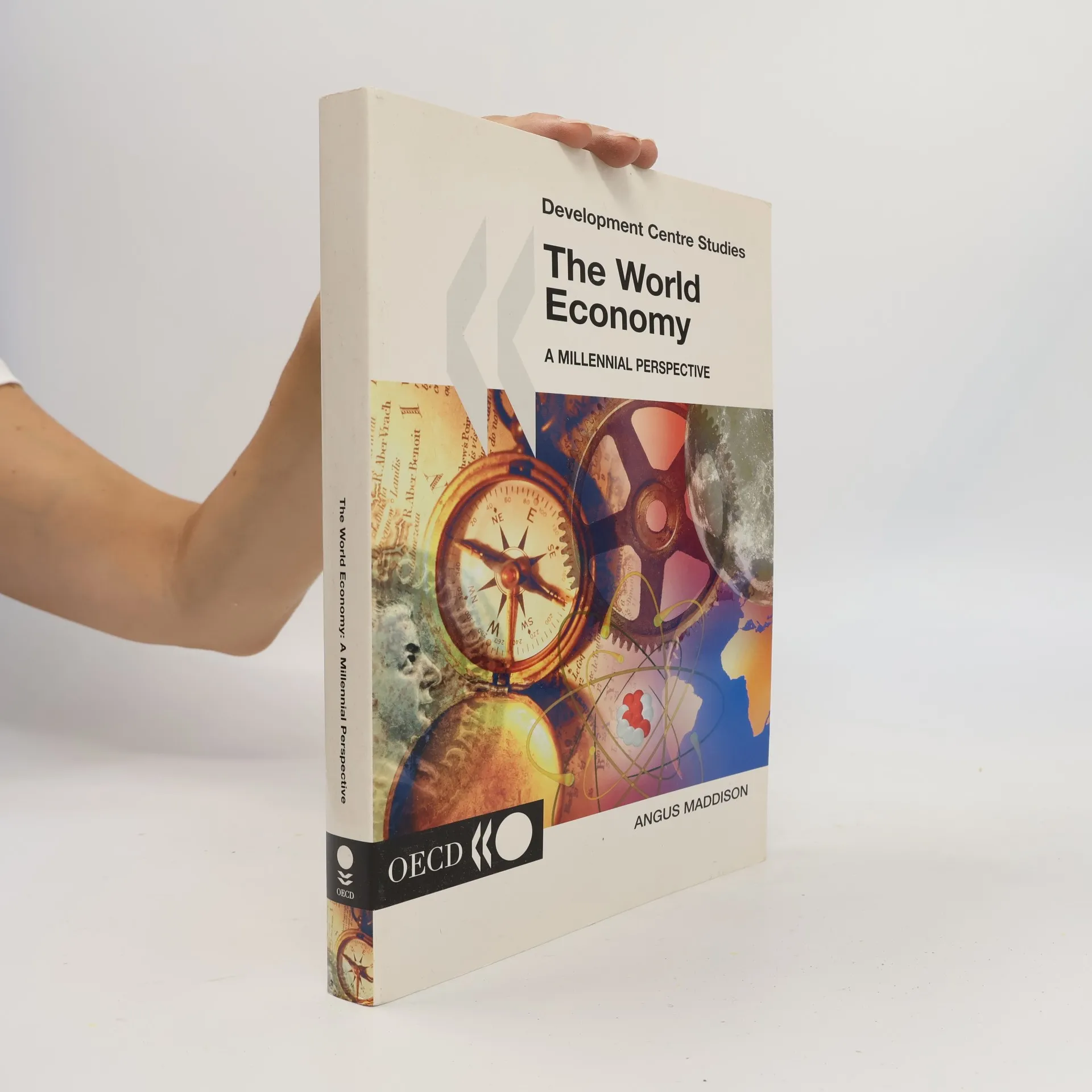
Angus Maddison offers a detailed analysis of world population growth and economic development from the year 1000, highlighting a 22-fold increase in population, a 13-fold rise in per capita GDP, and nearly a 300-fold growth in world GDP. The most significant advancements occurred in today's wealthy nations, with the wealth gap between the United States and Africa now at 20:1. Remarkably, in 1000, the wealthier countries were poorer than those in Asia and Africa. The book aims to quantify long-term economic performance across nations, identify the factors contributing to the success of affluent countries, and examine the challenges faced by less developed regions. It also investigates the dynamics between rich and poor nations to determine the exploitative nature of their interactions. This work serves as an essential resource for scholars in economics and economic history, while also engaging casual readers with its intriguing insights. It is a monumental reference, following the author’s previous works on global economic performance. Esteemed economists have praised it as a significant contribution to the understanding of global development, making it a highly recommended and essential read for years to come.
Achat du livre
Development Centre Studies: The World Economy, Angus Maddison, Donald Johnston
- Langue

- Année de publication
- 2001
- Reliure
- (souple)
Modes de paiement
Personne n'a encore évalué .
- Titre
- Development Centre Studies: The World Economy
- Sous-titre
- A Millennial Perspective
- Langue
- Anglais
- Auteurs
- Angus Maddison, Donald Johnston
- Publié
- 2001
- Format
- souple
- Pages
- 384
- ISBN10
- 9264186085
- ISBN13
- 9789264186088
- Séries
- Catégories
- Mots clés
- Commerce
- Description
- Angus Maddison offers a detailed analysis of world population growth and economic development from the year 1000, highlighting a 22-fold increase in population, a 13-fold rise in per capita GDP, and nearly a 300-fold growth in world GDP. The most significant advancements occurred in today's wealthy nations, with the wealth gap between the United States and Africa now at 20:1. Remarkably, in 1000, the wealthier countries were poorer than those in Asia and Africa. The book aims to quantify long-term economic performance across nations, identify the factors contributing to the success of affluent countries, and examine the challenges faced by less developed regions. It also investigates the dynamics between rich and poor nations to determine the exploitative nature of their interactions. This work serves as an essential resource for scholars in economics and economic history, while also engaging casual readers with its intriguing insights. It is a monumental reference, following the author’s previous works on global economic performance. Esteemed economists have praised it as a significant contribution to the understanding of global development, making it a highly recommended and essential read for years to come.