



Paramètres
- 384pages
- 14 heures de lecture
En savoir plus sur le livre
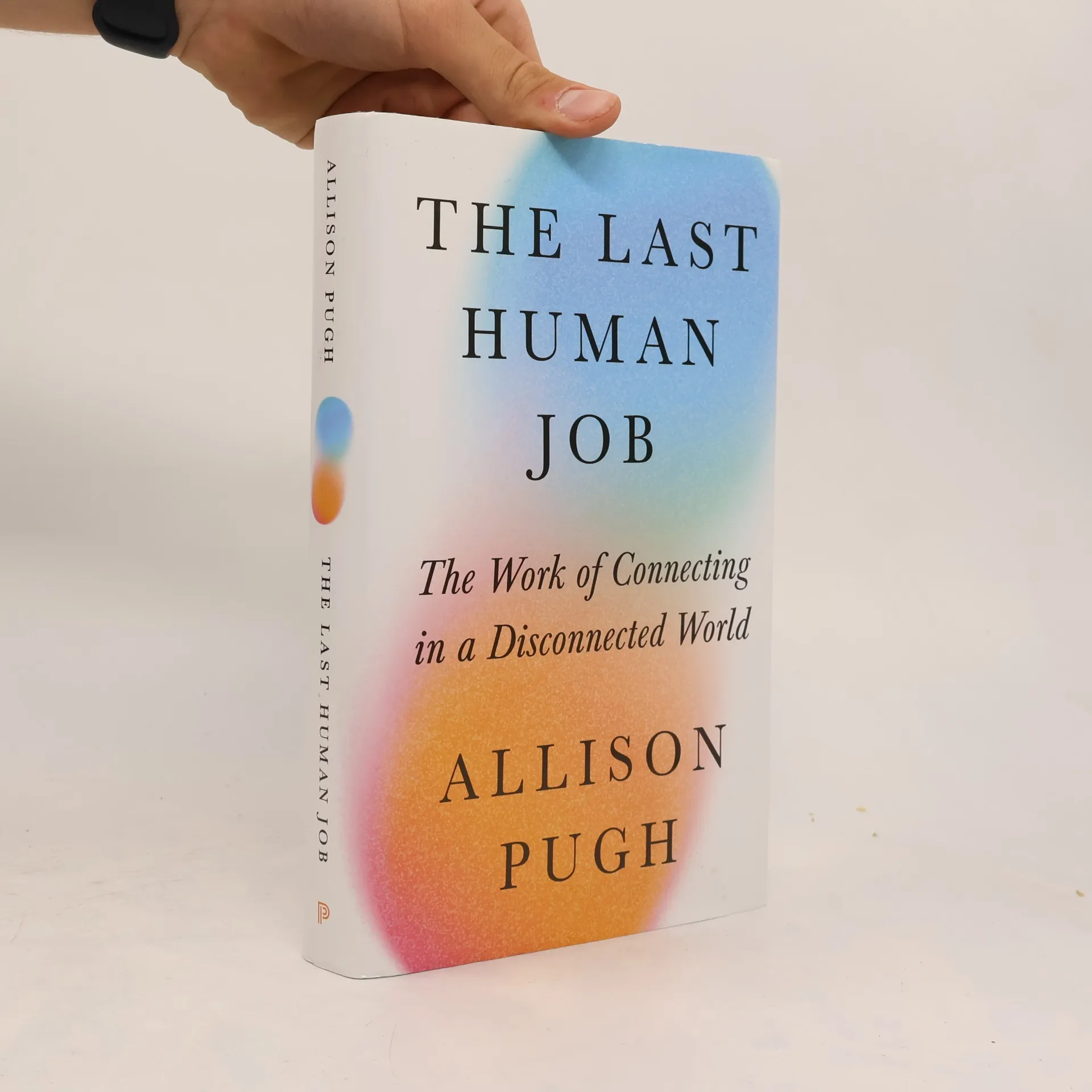
In an era marked by rapid advancements in artificial intelligence and automation, the future of work is increasingly uncertain, even for jobs that require significant human interaction. This exploration delves into the essential human connections that underpin our work, emphasizing the importance of preserving these interactions. Through in-depth interviews and observations across various professions—such as physicians, teachers, coaches, chaplains, therapists, caregivers, and hairdressers—the author introduces the concept of "connective labor." This type of work is rooted in empathy, spontaneous human contact, and mutual recognition of humanity. The threats to connective labor extend beyond technological advancements; profit-driven initiatives often impose industrial logic that diminishes opportunities for meaningful connections, prioritizing data and metrics over human interaction. The narrative highlights organizations where connective labor flourishes, offering practical steps to foster a supportive social architecture. By vividly illustrating how connective labor enriches individual lives and strengthens communities, this work makes a compelling case for recognizing, valuing, and safeguarding humane work in an increasingly automated and disconnected world.
Achat du livre
The Last Human Job, Allison J. Pugh
- Langue

- Année de publication
- 2024
- Reliure
- (rigide)
Modes de paiement
Personne n'a encore évalué .
- Titre
- The Last Human Job
- Sous-titre
- The Work of Connecting in a Disconnected World
- Langue
- Anglais
- Auteurs
- Allison J. Pugh
- Éditeur
- Princeton University Press
- Publié
- 2024
- Format
- rigide
- Pages
- 384
- ISBN10
- 0691240817
- ISBN13
- 9780691240817
- Séries
- Catégories
- Mots clés
- Commerce, Thèmes psychologiques, Technologie, Solitude, Intelligence Artificielle, Psychologie sociale, Empathie, Aspects sociaux, Automatisation, Systèmes
- Description
- In an era marked by rapid advancements in artificial intelligence and automation, the future of work is increasingly uncertain, even for jobs that require significant human interaction. This exploration delves into the essential human connections that underpin our work, emphasizing the importance of preserving these interactions. Through in-depth interviews and observations across various professions—such as physicians, teachers, coaches, chaplains, therapists, caregivers, and hairdressers—the author introduces the concept of "connective labor." This type of work is rooted in empathy, spontaneous human contact, and mutual recognition of humanity. The threats to connective labor extend beyond technological advancements; profit-driven initiatives often impose industrial logic that diminishes opportunities for meaningful connections, prioritizing data and metrics over human interaction. The narrative highlights organizations where connective labor flourishes, offering practical steps to foster a supportive social architecture. By vividly illustrating how connective labor enriches individual lives and strengthens communities, this work makes a compelling case for recognizing, valuing, and safeguarding humane work in an increasingly automated and disconnected world.