


Paramètres
- 382pages
- 14 heures de lecture
En savoir plus sur le livre
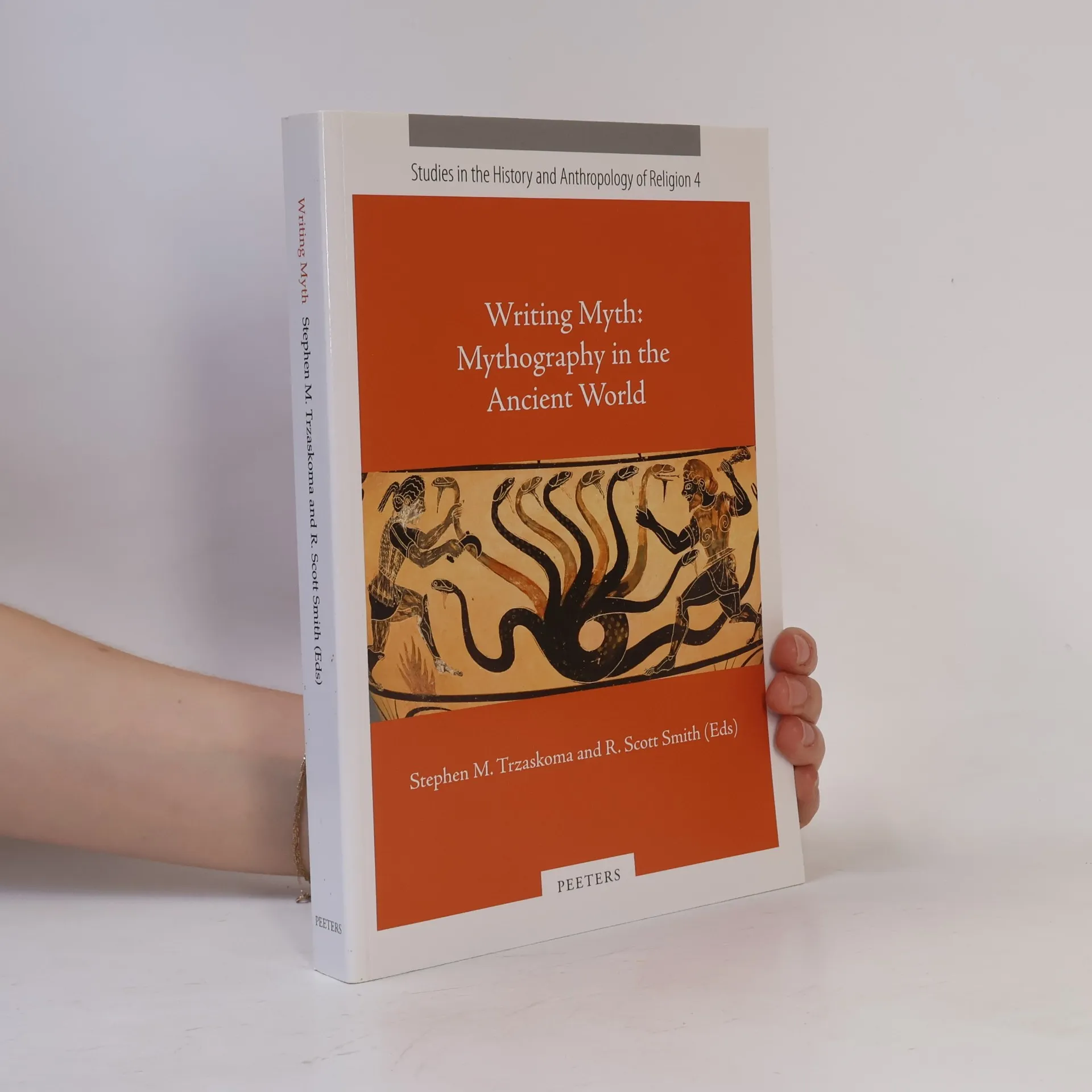
This collection of essays brings innovative perspectives to the study of ancient mythography, that is, the writings of the Greeks and Romans about their own mythical traditions. It treats a range of sources from the beginnings of myth criticism in the 5th century BCE to the end of antiquity in the 5th century CE, highlighting mythography's centrality to ancient views of myth and moving beyond seeing mythographic texts as valuable primarily for the preservation of details about traditional stories. Important individual mythographers are treated (e.g., Ps.-Apollodorus and Hyginus), but throughout there is an emphasis on the connections of mythography with more literary genres, such as epic, and more prestigious prose genres, such as historiography and geography. This makes the volume of interest for those who work on myth in Greek and Roman society, but also for anyone working on ancient intellectual history more broadly, including those who study rhetoric, education, literary composition, art and ancient scholarly traditions.
Achat du livre
Studies in the History and Anthropology of Religion - 4: Writing Myth, Stephen M. Trzaskoma, R. Scott Smith
- Langue

- Année de publication
- 2013
- Reliure
- (souple)
Modes de paiement
Personne n'a encore évalué .
- Titre
- Studies in the History and Anthropology of Religion - 4: Writing Myth
- Sous-titre
- Mythography in the Ancient World
- Langue
- Anglais
- Auteurs
- Stephen M. Trzaskoma, R. Scott Smith
- Éditeur
- Peeters Publishers
- Publié
- 2013
- Format
- souple
- Pages
- 382
- ISBN10
- 9042929111
- ISBN13
- 9789042929111
- Séries
- Mots clés
- Thème historique, Thèmes religieux, Mythologie, Époque antique, Critique littéraire, Grèce, Rome, Belgique, Historiographie
- Description
- This collection of essays brings innovative perspectives to the study of ancient mythography, that is, the writings of the Greeks and Romans about their own mythical traditions. It treats a range of sources from the beginnings of myth criticism in the 5th century BCE to the end of antiquity in the 5th century CE, highlighting mythography's centrality to ancient views of myth and moving beyond seeing mythographic texts as valuable primarily for the preservation of details about traditional stories. Important individual mythographers are treated (e.g., Ps.-Apollodorus and Hyginus), but throughout there is an emphasis on the connections of mythography with more literary genres, such as epic, and more prestigious prose genres, such as historiography and geography. This makes the volume of interest for those who work on myth in Greek and Roman society, but also for anyone working on ancient intellectual history more broadly, including those who study rhetoric, education, literary composition, art and ancient scholarly traditions.