

Épuisé, mais très demandé!
Paramètres
- 278pages
- 10 heures de lecture
En savoir plus sur le livre
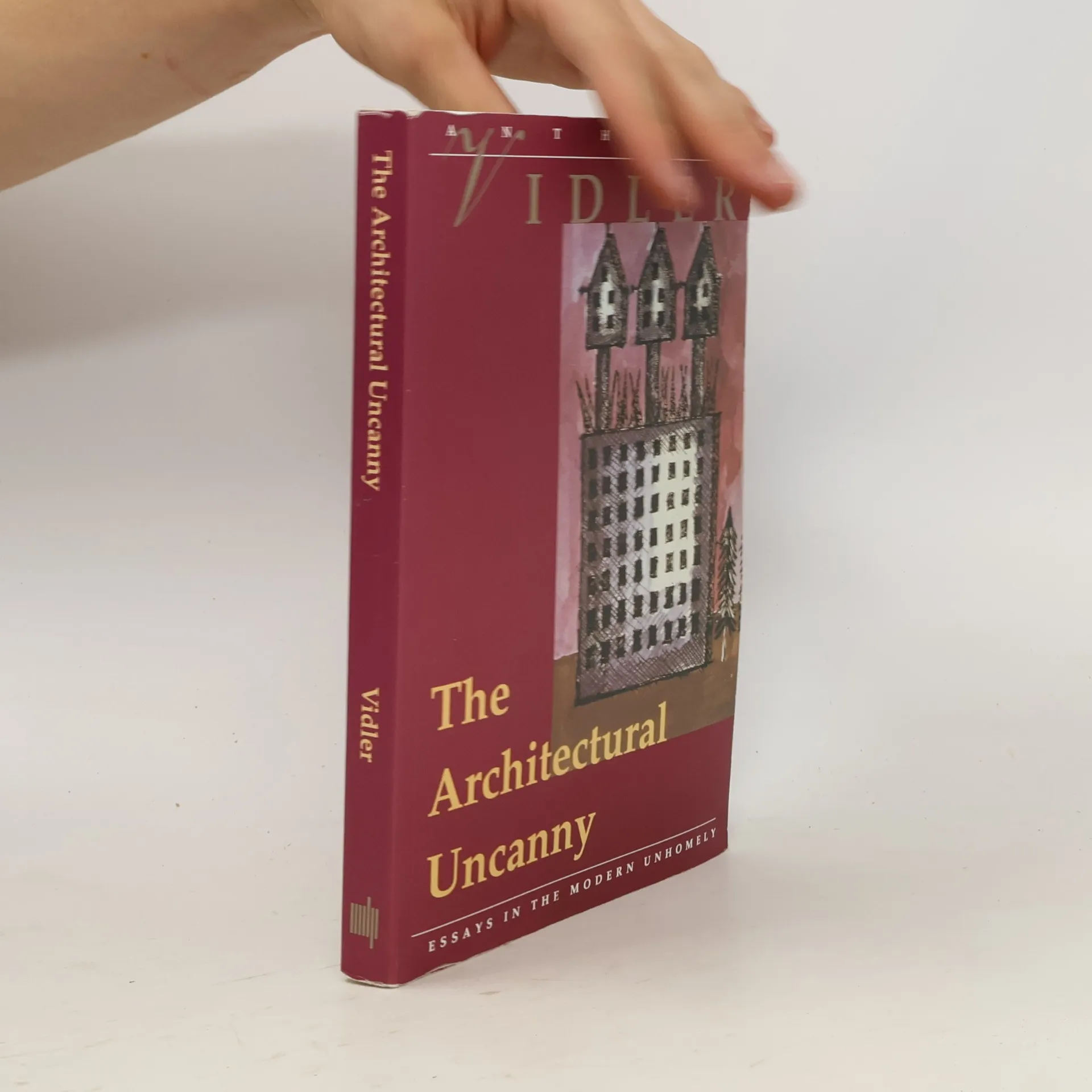
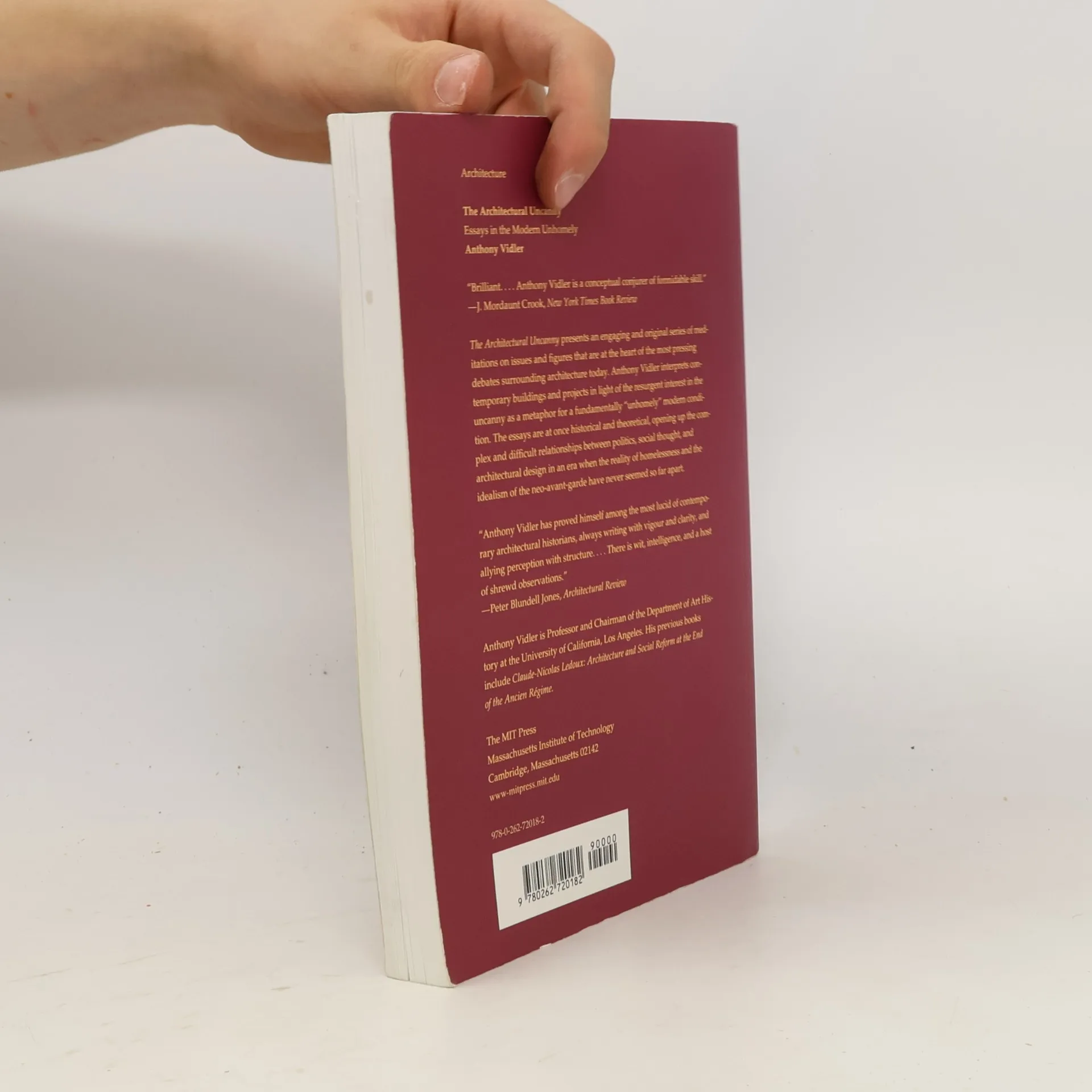
The Architectural Uncanny presents an engaging and original series of meditations on issues and figures that are at the heart of the most pressing debates surrounding architecture today. Anthony Vidler interprets contemporary buildings and projects in light of the resurgent interest in the uncanny as a metaphor for a fundamentally “unhomely” modern condition. The essays are at once historical and theoretical, opening up the complex and difficult relationships between politics, social thought, and architectural design in an era when the reality of homelessness and the idealism of the neo-avant-garde have never seemed so far apart.
Achat du livre
The Architectural Uncanny, Anthony Vidler
- Langue

- Année de publication
- 1992
- Reliure
- (souple)
Nous vous informerons par e-mail dès que nous l’aurons retrouvé.
Modes de paiement
Personne n'a encore évalué .
- Titre
- The Architectural Uncanny
- Sous-titre
- Essays in the Modern Unhomely
- Langue
- Anglais
- Auteurs
- Anthony Vidler
- Éditeur
- MIT Press
- Publié
- 1992
- Format
- souple
- Pages
- 278
- ISBN10
- 0262720183
- ISBN13
- 9780262720182
- Séries
- Catégories
- Mots clés
- Commerce, Thèmes psychologiques, Thématique philosophique, Art, Architecture, Famille, Guerres, Thématique cinématographique, Culture et Société, Féminisme, Santé mentale, Histoire de l'Europe, Mariage, Culture, Théories scientifiques, 21e siècle, Identité, Villes, Critique, Genre, Capitalisme, Beauté, Troubles anxieux, Perte de mémoire, amnésie, Aspects Psychologiques, Théorie de l'architecture, Théorie critique
- Description
- The Architectural Uncanny presents an engaging and original series of meditations on issues and figures that are at the heart of the most pressing debates surrounding architecture today. Anthony Vidler interprets contemporary buildings and projects in light of the resurgent interest in the uncanny as a metaphor for a fundamentally “unhomely” modern condition. The essays are at once historical and theoretical, opening up the complex and difficult relationships between politics, social thought, and architectural design in an era when the reality of homelessness and the idealism of the neo-avant-garde have never seemed so far apart.