

Paramètres
- 255pages
- 9 heures de lecture
En savoir plus sur le livre
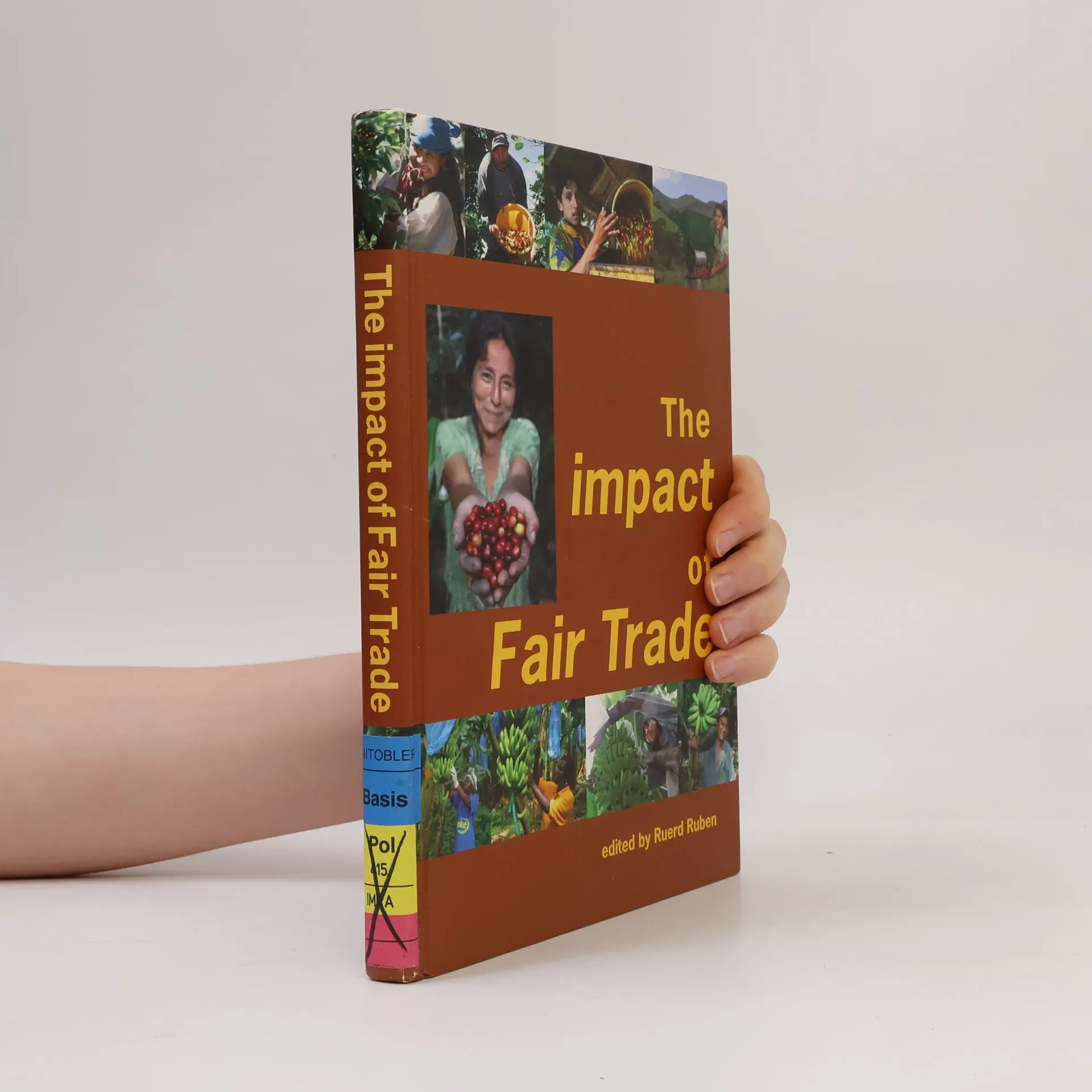
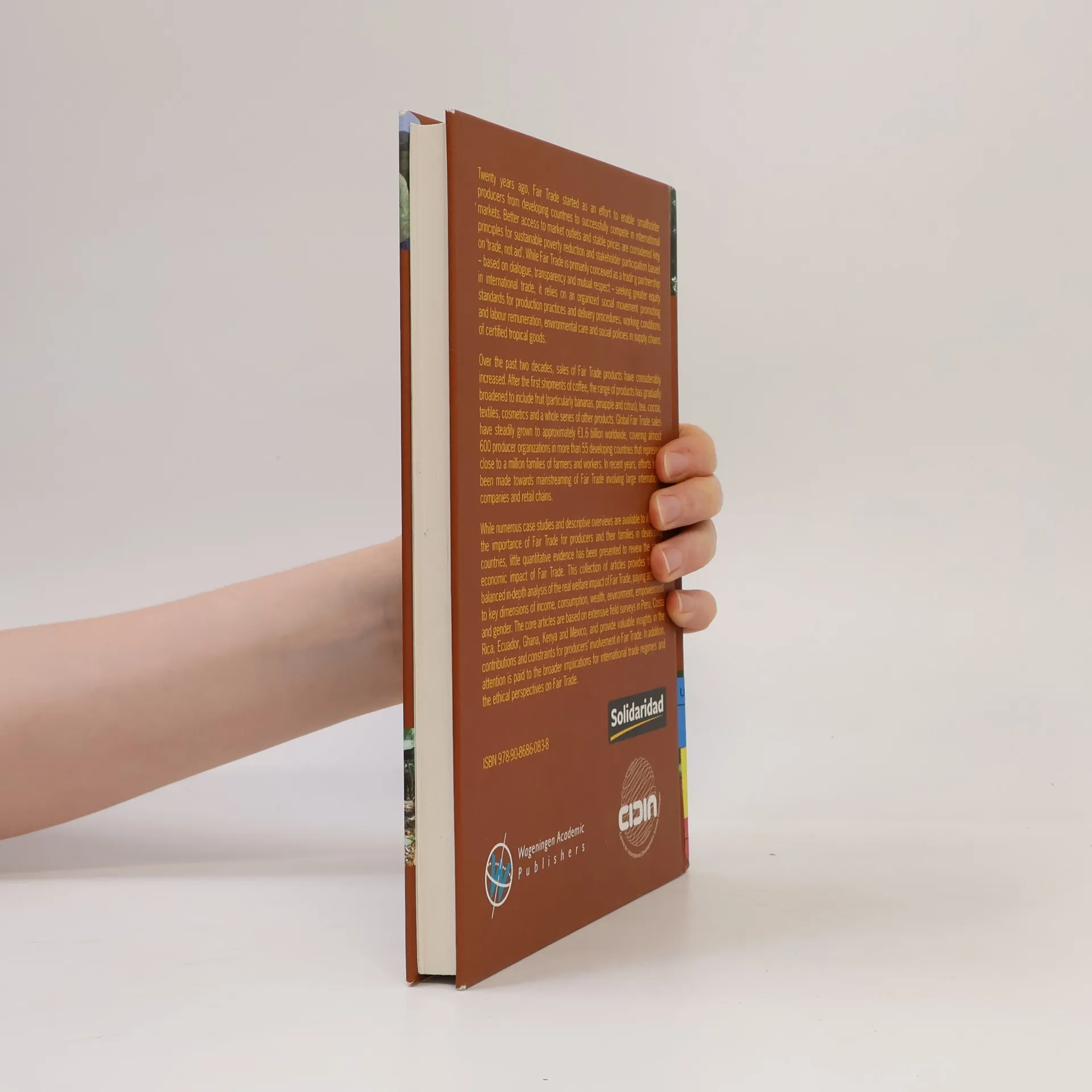
Twenty years ago, Fair Trade emerged to help smallholder producers in developing countries compete in international markets, emphasizing access to market outlets and stable prices as essential for sustainable poverty reduction. It is fundamentally a trading partnership rooted in dialogue, transparency, and mutual respect, aiming for greater equity in international trade. This initiative is supported by a social movement that promotes standards for production practices, working conditions, environmental care, and social policies in supply chains of certified tropical goods. Over the years, Fair Trade product sales have surged, expanding from coffee to include a variety of items such as fruit, tea, cocoa, textiles, and cosmetics. Global sales have reached approximately EUR 1.6 billion, benefiting nearly a million families across 600 producer organizations in over 55 developing countries. Recent efforts have focused on mainstreaming Fair Trade with large companies and retail chains. While many case studies highlight its significance for producers, quantitative evidence on its socio-economic impact has been limited. This collection of articles offers a comprehensive analysis of Fair Trade's welfare effects, examining income, consumption, wealth, environment, empowerment, and gender. The core articles are based on extensive field surveys in several countries, providing insights into the contributions and challenges faced by produce
Achat du livre
The Impact of Fair Trade, Ruerd Ruben
- Langue

- Année de publication
- 2008
- Reliure
- (rigide)
Modes de paiement
Personne n'a encore évalué .
- Titre
- The Impact of Fair Trade
- Langue
- Anglais
- Auteurs
- Ruerd Ruben
- Publié
- 2008
- Format
- rigide
- Pages
- 255
- ISBN10
- 9086860834
- ISBN13
- 9789086860838
- Séries
- Catégories
- Mots clés
- Commerce, Thématique écologique
- Description
- Twenty years ago, Fair Trade emerged to help smallholder producers in developing countries compete in international markets, emphasizing access to market outlets and stable prices as essential for sustainable poverty reduction. It is fundamentally a trading partnership rooted in dialogue, transparency, and mutual respect, aiming for greater equity in international trade. This initiative is supported by a social movement that promotes standards for production practices, working conditions, environmental care, and social policies in supply chains of certified tropical goods. Over the years, Fair Trade product sales have surged, expanding from coffee to include a variety of items such as fruit, tea, cocoa, textiles, and cosmetics. Global sales have reached approximately EUR 1.6 billion, benefiting nearly a million families across 600 producer organizations in over 55 developing countries. Recent efforts have focused on mainstreaming Fair Trade with large companies and retail chains. While many case studies highlight its significance for producers, quantitative evidence on its socio-economic impact has been limited. This collection of articles offers a comprehensive analysis of Fair Trade's welfare effects, examining income, consumption, wealth, environment, empowerment, and gender. The core articles are based on extensive field surveys in several countries, providing insights into the contributions and challenges faced by produce